What lies beneath? | CNN

CNN values your feedback

1. How relevant is this ad to you?
2. Did you encounter any technical issues?
Thank You!
Your effort and contribution in providing this feedback is much appreciated.
Close
Ad Feedback
Arts
Design
Fashion
Architecture
Luxury
Beauty
Video
Arts Design Fashion Architecture Luxury Beauty Video
Watch Listen Live TV
My Account
  • Settings
  • Newsletters
  • Topics you follow
  • Sign out
Your CNN account Sign in to your CNN account

My Account
  • Settings
  • Newsletters
  • Topics you follow
  • Sign out
Your CNN account Sign in to your CNN account

Live TV Listen Watch
Edition
US
International
Arabic
Español
Edition
  • US
  • International
  • Arabic
  • Español

Arts
Design
Fashion
Architecture
Luxury
Beauty
Video

Follow CNN Style
Download the CNN App

  • World
    • Africa
    • Americas
    • Asia
    • Australia
    • China
    • Europe
    • India
    • Middle East
    • United Kingdom
  • US Politics
    • Elections 2026
    • Trump
    • Facts First
    • CNN Polls
    • Redistricting Tracker
    • Epstein Files
  • Business
    • Tech
    • Media
    • Calculators
    • Videos
  • Markets
    • Pre-markets
    • After-Hours
    • Fear & Greed
    • Investing
  • Health
    • Life, But Better
    • Fitness
    • Food
    • Sleep
    • Mindfulness
    • Relationships
  • Entertainment
    • Movies
    • Television
    • Celebrity
  • Tech
    • Innovate
  • Style
    • Arts
    • Design
    • Fashion
    • Architecture
    • Luxury
    • Beauty
    • Video
  • Travel
    • Destinations
    • Food & Drink
    • Stay
    • News
    • Videos
  • Sports
    • Football
    • Tennis
    • Golf
    • Motorsport
    • US Sports
    • Olympics
  • Science
    • Space
    • Life
    • Unearthed
  • Climate
    • Solutions
    • Weather
  • Weather
    • Video
    • Climate
  • Ukraine-Russia War
  • Israel-Hamas War
  • Features
    • As Equals
    • Call to Earth
    • Freedom Project
    • Impact Your World
    • Inside Africa
    • CNN Heroes
  • Watch
    • Live TV
    • Featured
    • CNN Fast
    • Shows A-Z
    • CNN 10
    • CNN TV Schedule
  • Listen
    • All There Is with Anderson Cooper
    • Chasing Life with Dr. Sanjay Gupta
    • The Assignment with Audie Cornish
    • Terms of Service with Clare Duffy
    • CNN 5 Things
    • All CNN Podcasts
  • Games
    • Daily Crossword
    • Jumble Crossword
    • Photo Shuffle
    • Sudoblock
    • Sudoku
    • 5 Things Quiz
  • About CNN
    • Subscribe
    • Photos
    • Investigations
    • CNN Profiles
    • CNN Leadership
    • CNN Newsletters
    • Advertise With Us
    • Work for CNN

Download the CNN App

What lies beneath? World’s creepiest underground marvels

Updated 8:20 AM EDT, Mon October 17, 2016
Link Copied!
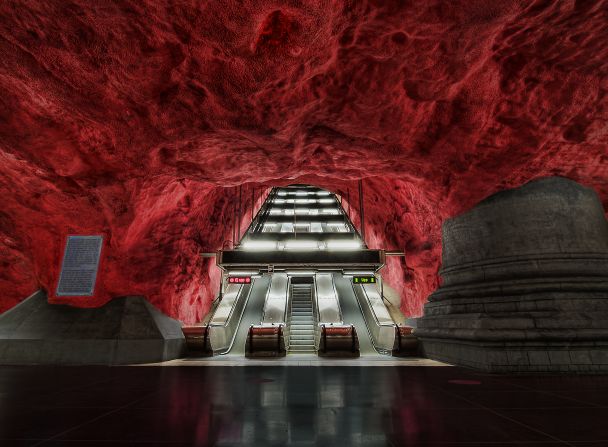
The underground can be a scary place at the best of times. The queues, the big squeeze, the stress. Radhuset subway station in Stockholm, Sweden makes the morning commute feel like a descent into hell, or an escape from it, depending on which way you're traveling. The sculptural finish is one of over 90 subway stations in the city to have been decorated by over 150 artists. (Picture via <a href="index.php?page=&url=https%3A%2F%2Fcreativecommons.org%2Flicenses%2Fby%2F2.0%2F" target="_blank" target="_blank">Creative Commons 2.0</a>.)
Radhuset metro station, Sweden —
The underground can be a scary place at the best of times. The queues, the big squeeze, the stress. Radhuset subway station in Stockholm, Sweden makes the morning commute feel like a descent into hell, or an escape from it, depending on which way you're traveling. The sculptural finish is one of over 90 subway stations in the city to have been decorated by over 150 artists. (Picture via Creative Commons 2.0.)
Tobias Lindman/Flickr
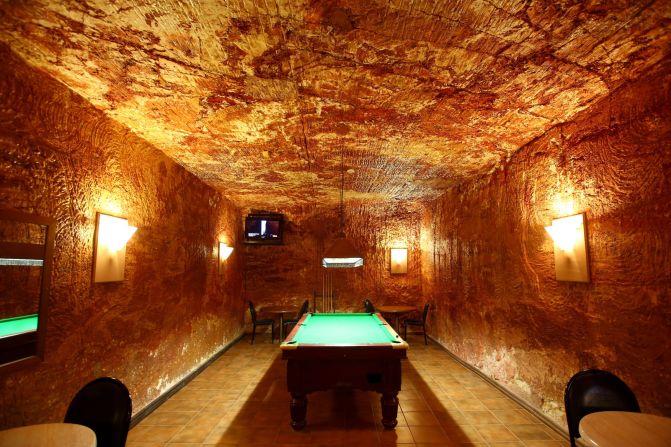
The Desert Cave Hotel (pictured) is one of a high proportion of buildings in Coober Pedy that are underground. Five hundred and ninety miles north of Adelaide, the opal mining town on the edge of the Great Victoria Desert gets blisteringly hot -- up to 125°F in summer. The town's population -- 1,695 according to its<a href="index.php?page=&url=http%3A%2F%2Fwww.censusdata.abs.gov.au%2Fcensus_services%2Fgetproduct%2Fcensus%2F2011%2Fquickstat%2FSSC40126" target="_blank" target="_blank"> last census</a> -- functions underground, and as well as homes and pool bars, there's Coober Pedy's famous <a href="index.php?page=&url=http%3A%2F%2Fi2.cdn.turner.com%2Fcnnnext%2Fdam%2Fassets%2F161010141555-coober-pedy-australia-church-full-169.jpg" target="_blank" target="_blank">Serbian Orthodox church</a>.
Coober Pedy, Australia —
The Desert Cave Hotel (pictured) is one of a high proportion of buildings in Coober Pedy that are underground. Five hundred and ninety miles north of Adelaide, the opal mining town on the edge of the Great Victoria Desert gets blisteringly hot -- up to 125°F in summer. The town's population -- 1,695 according to its last census -- functions underground, and as well as homes and pool bars, there's Coober Pedy's famous Serbian Orthodox church.
Mark Kolbe/Getty Images AsiaPac/Getty Images
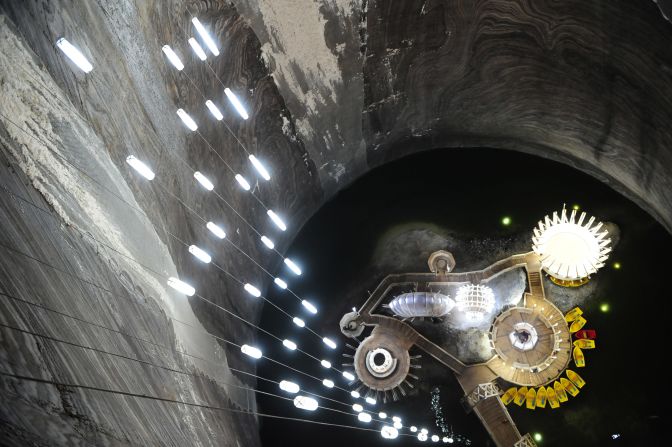
Two hundred and eighty miles northwest of Bucharest in Transylvania, Salina Turda has been known for underground mining since the Roman period. Its salt provided great wealth to Hungarian kings and Habsburg emperors, but since mining ceased in 1932 it's found different uses. The mine was used as a shelter in World War II, a cheese storage center after that, and now as a <a href="index.php?page=&url=http%3A%2F%2Fedition.cnn.com%2F2016%2F01%2F27%2Farts%2Ftransylvania-subterranean-theme-park%2F">subterranean theme park </a>featuring mini-golf, bowling and rowing around the man-made lake.
Turda salt mine, Romania —
Two hundred and eighty miles northwest of Bucharest in Transylvania, Salina Turda has been known for underground mining since the Roman period. Its salt provided great wealth to Hungarian kings and Habsburg emperors, but since mining ceased in 1932 it's found different uses. The mine was used as a shelter in World War II, a cheese storage center after that, and now as a subterranean theme park featuring mini-golf, bowling and rowing around the man-made lake.
DANIEL MIHAILESCU/AFP/AFP/Getty Images
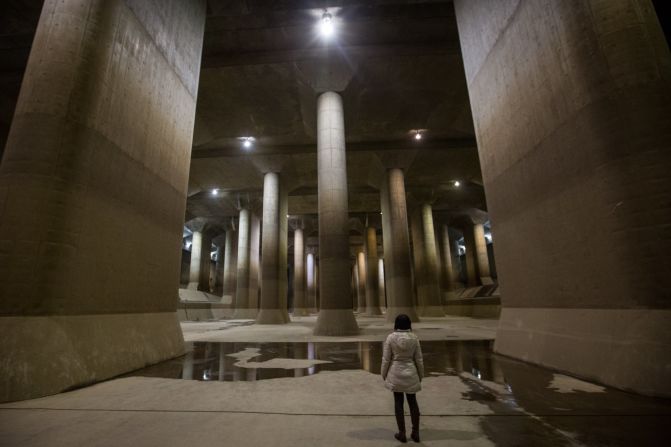
Constructed 72 feet below ground, the gigantic pressure-adjusting water tank in Tokyo looks like a concrete cathedral. 580 feet long, 256 feet wide, 59 feet high and featuring 59 pillars weighing 500 tons each, the facility took 13 years to build. Designed to take water overflow from four rivers, redirect it underground into a 4 mile tunnel before pumping it out into the Edo River, the channel is used an average of seven times a year, when heavy storms and typhoons hit the metropolitan area. When it's not preventing Tokyo from flooding, there's tours three times a day.
Metropolitan Area Outer Underground Discharge Channel, Tokyo, Japan —
Constructed 72 feet below ground, the gigantic pressure-adjusting water tank in Tokyo looks like a concrete cathedral. 580 feet long, 256 feet wide, 59 feet high and featuring 59 pillars weighing 500 tons each, the facility took 13 years to build. Designed to take water overflow from four rivers, redirect it underground into a 4 mile tunnel before pumping it out into the Edo River, the channel is used an average of seven times a year, when heavy storms and typhoons hit the metropolitan area. When it's not preventing Tokyo from flooding, there's tours three times a day.
Chris McGrath/Getty Images AsiaPac/Getty Images
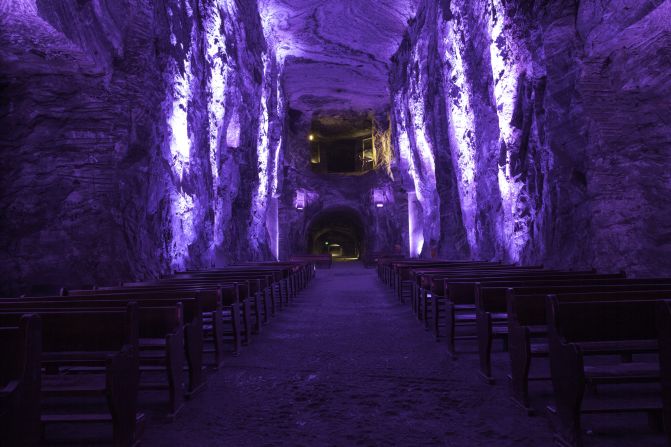
Originally carved inside an active salt mine, the Salt Cathedral of Zipaquira sits 660 feet underground in Cundinamarca, Colombia. In 1950, work began on a space for workers to pray before starting their shift, with the site inaugurated in 1954, dedicated to Our Lady of Rosary, patron saint of miners (of course). A popular tourist site 28 miles north of Bogota, in 2014 the Gallery Nueveochenta took over the space, using it to house contemporary art by the likes of <a href="index.php?page=&url=https%3A%2F%2Fwww.flickr.com%2Fphotos%2Faldochaparro%2F14476001276%2Fin%2Fphotostream%2F" target="_blank" target="_blank">Aldo Chaparro Winder</a>. (Picture via <a href="index.php?page=&url=https%3A%2F%2Fcreativecommons.org%2Flicenses%2Fby%2F2.0%2F." target="_blank" target="_blank">Creative Commons 2.0</a>)
Salt Cathedral of Zipaquira, Colombia —
Originally carved inside an active salt mine, the Salt Cathedral of Zipaquira sits 660 feet underground in Cundinamarca, Colombia. In 1950, work began on a space for workers to pray before starting their shift, with the site inaugurated in 1954, dedicated to Our Lady of Rosary, patron saint of miners (of course). A popular tourist site 28 miles north of Bogota, in 2014 the Gallery Nueveochenta took over the space, using it to house contemporary art by the likes of Aldo Chaparro Winder. (Picture via Creative Commons 2.0)
Jimmy Baikovicius/Flickr
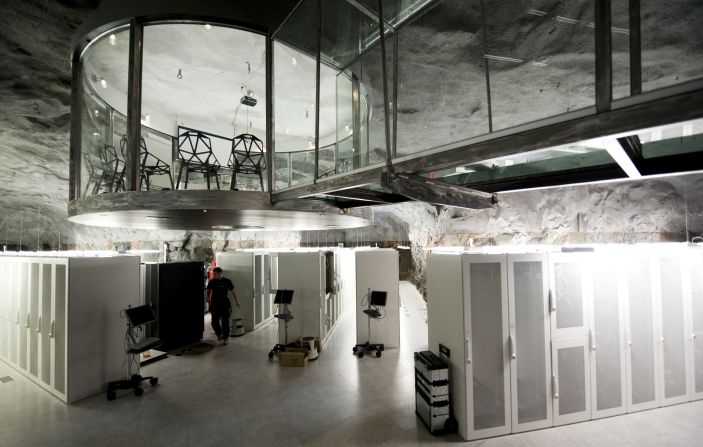
Once a Cold War-era bunker and nuclear shelter, now the center is home to banks of computers holding secure data. What looks like a set from a James Bond film has witnessed some action in its time (albeit of the digital kind): Swedish Bahnhof, the company who runs the center, once hosted WikiLeaks servers. Buried under the mountain behind a 16 inch thick wall, it was built to withstand a hydrogen bomb.
Pionen White Mountain Data Center, Sweden —
Once a Cold War-era bunker and nuclear shelter, now the center is home to banks of computers holding secure data. What looks like a set from a James Bond film has witnessed some action in its time (albeit of the digital kind): Swedish Bahnhof, the company who runs the center, once hosted WikiLeaks servers. Buried under the mountain behind a 16 inch thick wall, it was built to withstand a hydrogen bomb.
JONATHAN NACKSTRAND/AFP/AFP/Getty Images
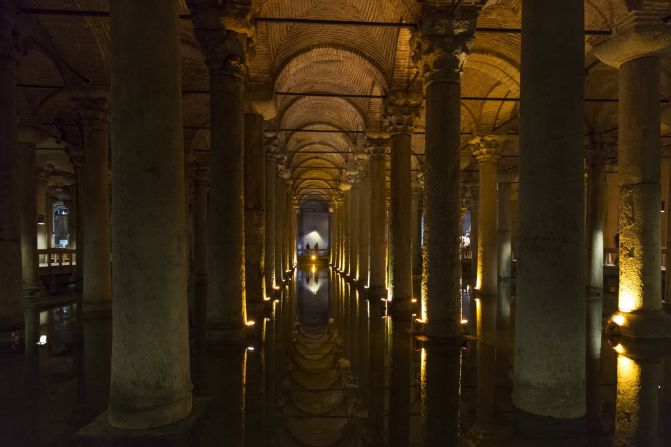
Istanbul's Byzantine cistern, dating from the sixth century, was constructed for Justinianus I as an underground reservoir. Named after the marble columns within the chamber, the 460 feet by 230 feet room was previously a Roman basilica. The cistern fell out of favor under Ottoman rule (who preferred running water), and it was only 'rediscovered' in the sixteenth century by Dutch traveler P. Gyllius while roaming the Hagia Sofia nearby. Households above the cistern had been drawing water from 'wells' cut into their ground floors -- some were even known to fish. Gyllius, a veritable Indiana Jones, navigated the waters on a rowing boat with a lamp. Today the cistern is uplit and easily accessible for visitors.
Yerebatan Basilica Cistern, Turkey —
Istanbul's Byzantine cistern, dating from the sixth century, was constructed for Justinianus I as an underground reservoir. Named after the marble columns within the chamber, the 460 feet by 230 feet room was previously a Roman basilica. The cistern fell out of favor under Ottoman rule (who preferred running water), and it was only 'rediscovered' in the sixteenth century by Dutch traveler P. Gyllius while roaming the Hagia Sofia nearby. Households above the cistern had been drawing water from 'wells' cut into their ground floors -- some were even known to fish. Gyllius, a veritable Indiana Jones, navigated the waters on a rowing boat with a lamp. Today the cistern is uplit and easily accessible for visitors.
Tim Graham/Getty Images Europe/Getty Images
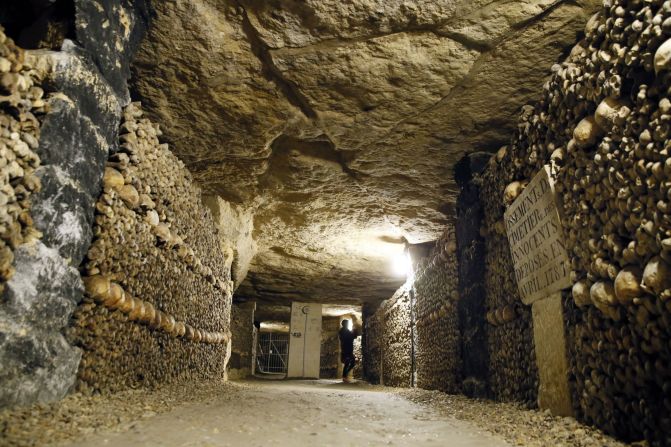
At the end of the eighteenth century Paris had a problem: its cemeteries were full. In a bid to prevent overcrowding, authorities dove beneath terra firma, converting quarries which built the city into catacombs. These underground passages, walled with bone, house the remains of generations of Parisians, including victims of the guillotine and some of its most famous names. It is estimated there are<a href="index.php?page=&url=http%3A%2F%2Fwww.catacombes.paris.fr%2Fen%2Fcatacombs%2Fmore-2000-years-history" target="_blank" target="_blank"> six to seven million</a> held within the catacombs. Five stories down and constantly 57 degrees, a tour of the spooky site covers 1.2 miles of passageways.
Paris Catacombs, France —
At the end of the eighteenth century Paris had a problem: its cemeteries were full. In a bid to prevent overcrowding, authorities dove beneath terra firma, converting quarries which built the city into catacombs. These underground passages, walled with bone, house the remains of generations of Parisians, including victims of the guillotine and some of its most famous names. It is estimated there are six to seven million held within the catacombs. Five stories down and constantly 57 degrees, a tour of the spooky site covers 1.2 miles of passageways.
PATRICK KOVARIK/AFP/Getty Images/FILE
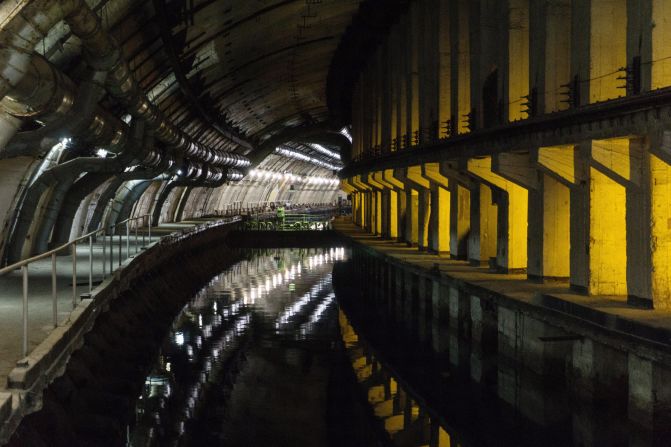
Once a top-secret military facility, Balaklava's naval complex housed USSR submarines in its underground lair during the Cold War. Featuring a dry dock, warehouses, weapons storage and workshops, it was once mysteriously dubbed "Objekt 825". The entrance to Balaklava Bay is hidden from the Black Sea, and submarines could enter the complex safe in the knowledge that above them was reinforced concrete and solid rock, designed to withstand a <a href="index.php?page=&url=http%3A%2F%2Fmuzey-sevastopol.com%2F820%2F825-01" target="_blank" target="_blank">100 kiloton nuclear bomb</a> -- 5-7 times more powerful than that dropped on Hiroshima.
Naval Museum Complex, Crimea —
Once a top-secret military facility, Balaklava's naval complex housed USSR submarines in its underground lair during the Cold War. Featuring a dry dock, warehouses, weapons storage and workshops, it was once mysteriously dubbed "Objekt 825". The entrance to Balaklava Bay is hidden from the Black Sea, and submarines could enter the complex safe in the knowledge that above them was reinforced concrete and solid rock, designed to withstand a 100 kiloton nuclear bomb -- 5-7 times more powerful than that dropped on Hiroshima.
Alexander Aksakov/Getty Images Europe/Getty Images
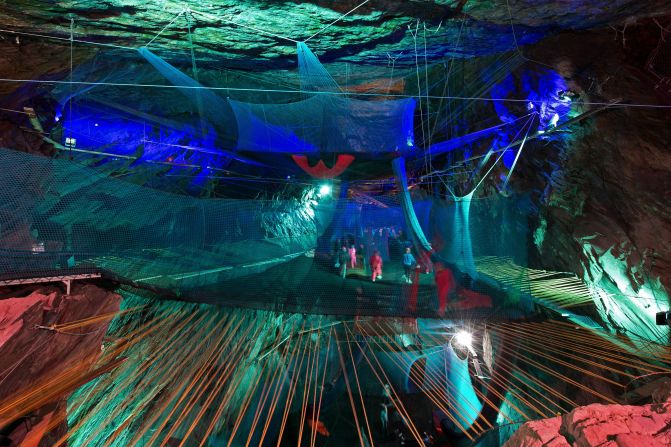
A 176-year-old disused slate mine near Blaenau Ffestiniog, North Wales became a subterranean playground in 2015 when Bounce Below opened. The $920,000 investment installed a giant, multi-tiered trampoline network suspended in a cavern the size of a cathedral. Despite the soft landing, hard hats are still required.
Bounce Below, Wales —
A 176-year-old disused slate mine near Blaenau Ffestiniog, North Wales became a subterranean playground in 2015 when Bounce Below opened. The $920,000 investment installed a giant, multi-tiered trampoline network suspended in a cavern the size of a cathedral. Despite the soft landing, hard hats are still required.
OLI SCARFF/AFP/AFP/Getty Images
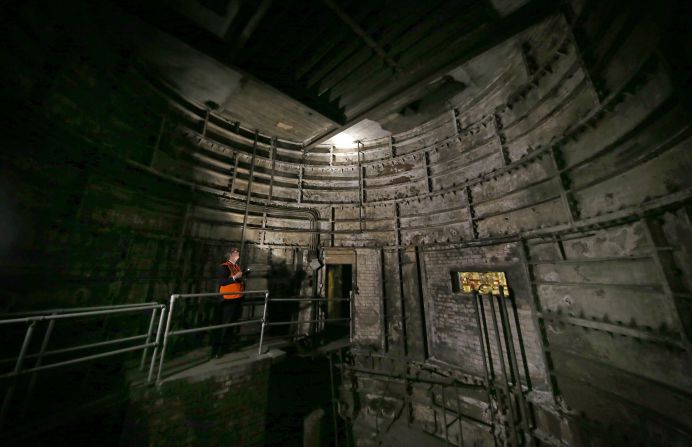
London Underground is littered with disused stations throughout its network -- over 40, at last count. Down Street station, in upmarket Mayfair, opened in 1907 but closed in 1932, authorities citing its lack of popularity. Before Churchill's Whitehall bunker was built the cabinet would meet in the disused station in the years leading up to World War II, when it was known as "The Barn". Since then it has remained abandoned, although in 2015, Transport for London reached out to developers, who suggested the space could be used for everything from bars and restaurants to gallery or theater space.
Down Street station, England —
London Underground is littered with disused stations throughout its network -- over 40, at last count. Down Street station, in upmarket Mayfair, opened in 1907 but closed in 1932, authorities citing its lack of popularity. Before Churchill's Whitehall bunker was built the cabinet would meet in the disused station in the years leading up to World War II, when it was known as "The Barn". Since then it has remained abandoned, although in 2015, Transport for London reached out to developers, who suggested the space could be used for everything from bars and restaurants to gallery or theater space.
Peter Macdiarmid/Getty Images Europe/Getty Images
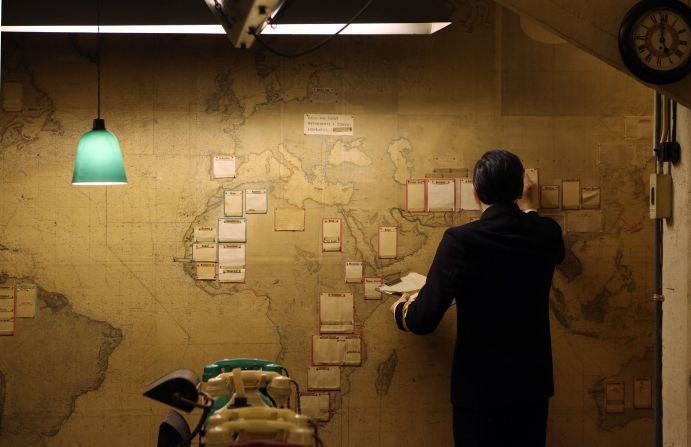
Down Street station was abandoned for the Cabinet War Rooms in Whitehall a week before World War II commenced. The basement hosted 115 cabinet meetings -- mostly during the Blitz -- and was in use around the clock until August 16, 1945, when lights in the Map Room were switched off for the first time in six years. Preserved entirely unchanged since the conflict ended, the Imperial War Museum has opened up the bunker to the public, where visitors can retrace the steps of Churchill's victory.
Cabinet War Rooms, England —
Down Street station was abandoned for the Cabinet War Rooms in Whitehall a week before World War II commenced. The basement hosted 115 cabinet meetings -- mostly during the Blitz -- and was in use around the clock until August 16, 1945, when lights in the Map Room were switched off for the first time in six years. Preserved entirely unchanged since the conflict ended, the Imperial War Museum has opened up the bunker to the public, where visitors can retrace the steps of Churchill's victory.
Oli Scarff/Getty Images Europe/Getty Images
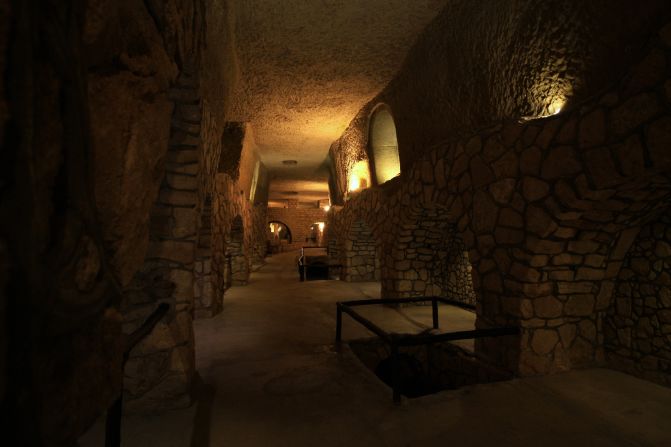
On the Iranian island of Kish in the Persian Gulf lies an underground irrigation system predating the Romans and their aqueducts. Called a qanat, the 2,500-3,000-year-old system transports mountain water through subterranean channels across the arid coral island. The tunnels, stretching for more than <a href="index.php?page=&url=http%3A%2F%2Fwww.atlasobscura.com%2Fplaces%2Fkariz-e-kish" target="_blank" target="_blank">5 miles, 50 feet beneath the earth</a>, have become a tourist attraction, with visitors drawn to the cool ambient temperature in what looks more like an underground city. (Picture via <a href="index.php?page=&url=https%3A%2F%2Fcreativecommons.org%2Flicenses%2Fby%2F2.0%2F" target="_blank" target="_blank">Creative Commons 2.0</a>.)
Kariz-e-Kish, Iran —
On the Iranian island of Kish in the Persian Gulf lies an underground irrigation system predating the Romans and their aqueducts. Called a qanat, the 2,500-3,000-year-old system transports mountain water through subterranean channels across the arid coral island. The tunnels, stretching for more than 5 miles, 50 feet beneath the earth, have become a tourist attraction, with visitors drawn to the cool ambient temperature in what looks more like an underground city. (Picture via Creative Commons 2.0.)
Blondinrikard Fröberg/Flickr
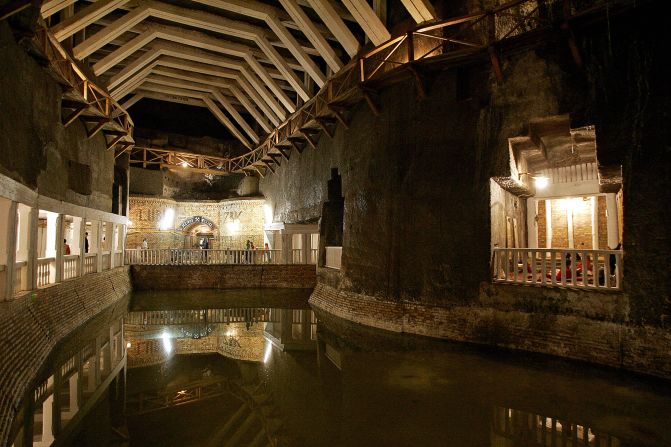
In southern Poland, Lake Wessel lies inky and unmoving in the deep. Filling the bottom of an old salt mine, it's just one component of the UNESCO World Heritage Site which has been a functioning mine since the 13th century. Featuring supreme carpentry, centuries-old brickwork and ornate chandeliers in cavernous dining rooms, this fantastical setting is a favorite for the Polish film industry, with portions of cult movie "<a href="index.php?page=&url=http%3A%2F%2Fwww.imdb.com%2Ftitle%2Ftt0088083%2F" target="_blank" target="_blank">Seksmisja</a>" ("Sexmission") shot on the site.
Wieliczka salt mine, Poland —
In southern Poland, Lake Wessel lies inky and unmoving in the deep. Filling the bottom of an old salt mine, it's just one component of the UNESCO World Heritage Site which has been a functioning mine since the 13th century. Featuring supreme carpentry, centuries-old brickwork and ornate chandeliers in cavernous dining rooms, this fantastical setting is a favorite for the Polish film industry, with portions of cult movie "Seksmisja" ("Sexmission") shot on the site.
JANEK SKARZYNSKI/AFP/AFP/Getty Images
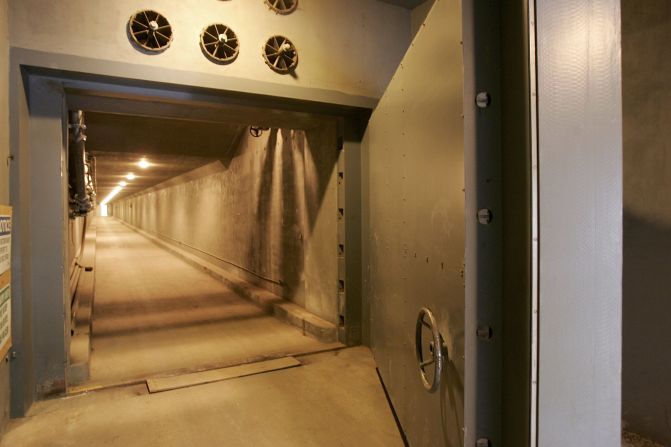
In White Sulphur Springs, West Virginia is Greenbrier Resort, a resort like no other. Mainly because under one wing is a 112,00 square-foot shelter originally designed as a evacuation point for US Congress staff in the event of a nuclear attack on home soil. Completed in 1961 and operational until 1995, behind its 25-ton blast door is a warren of tunnels and rooms containing everything from bedrooms to a dentist surgery. In 2006, after a two year renovation, the former Cold War relic opened to curious patrons.

Greenbier Resort, US —
In White Sulphur Springs, West Virginia is Greenbrier Resort, a resort like no other. Mainly because under one wing is a 112,00 square-foot shelter originally designed as a evacuation point for US Congress staff in the event of a nuclear attack on home soil. Completed in 1961 and operational until 1995, behind its 25-ton blast door is a warren of tunnels and rooms containing everything from bedrooms to a dentist surgery. In 2006, after a two year renovation, the former Cold War relic opened to curious patrons.
Alex Wong/Getty Images North America/Getty Images

My Account
  • Settings
  • Newsletters
  • Topics you follow
  • Sign out
Your CNN account Sign in to your CNN account

Live TV Listen Watch
  • World
    • Africa
    • Americas
    • Asia
    • Australia
    • China
    • Europe
    • India
    • Middle East
    • United Kingdom
  • US Politics
    • Trump
    • Facts First
    • CNN Polls
    • Elections 2026
    • Redistricting Tracker
    • Epstein Files
  • Business
    • Tech
    • Media
    • Calculators
    • Videos
  • Markets
    • Pre-markets
    • After-Hours
    • Fear & Greed
    • Investing
  • Health
    • Life, But Better
    • Fitness
    • Food
    • Sleep
    • Mindfulness
    • Relationships
  • Entertainment
    • Movies
    • Television
    • Celebrity
  • Tech
    • Innovate
  • Style
    • Arts
    • Design
    • Fashion
    • Architecture
    • Luxury
    • Beauty
    • Video
  • Travel
    • Destinations
    • Food & Drink
    • Stay
    • News
    • Videos
  • Sports
    • Football
    • Tennis
    • Golf
    • Motorsport
    • US Sports
    • Olympics
  • Science
    • Space
    • Life
    • Unearthed
  • Climate
    • Solutions
    • Weather
  • Weather
    • Video
    • Climate
  • Ukraine-Russia War
  • Israel-Hamas War
  • Features
    • As Equals
    • Call to Earth
    • Freedom Project
    • Impact Your World
    • Inside Africa
    • CNN Heroes
  • Watch
    • Live TV
    • Featured
    • CNN Headlines
    • Shows A-Z
    • CNN 10
    • CNN TV Schedule
  • Listen
    • All There Is with Anderson Cooper
    • Chasing Life with Dr. Sanjay Gupta
    • The Assignment with Audie Cornish
    • Terms of Service with Clare Duffy
    • CNN 5 Things
    • All CNN Podcasts
  • Games
    • Daily Crossword
    • Jumble Crossword
    • Photo Shuffle
    • Sudoblock
    • Sudoku
    • 5 Things Quiz
  • About CNN
    • Subscribe
    • Photos
    • Investigations
    • CNN Profiles
    • CNN Leadership
    • CNN Newsletters
    • Advertise With Us
    • Work for CNN

Watch Listen Live TV
My Account
  • Settings
  • Newsletters
  • Topics you follow
  • Sign out
Your CNN account Sign in to your CNN account
Follow CNN Style

Download the CNN app

Terms of Use Privacy Policy Ad Choices Advertise With Us Accessibility & CC About Newsletters Transcripts Sitemap

© 2026 Cable News Network. All Rights Reserved.
CNN Sans ™ & © 2016 Cable News Network.

Download the CNN app

Scan the QR code to download the CNN app on Google Play.

Scan the QR code to download the CNN app from Google Play.

Download the CNN app

Scan the QR code to download the CNN app from the Apple Store.

Scan the QR code to download the CNN app from the Apple Store.