Your effort and contribution in providing this feedback is much
appreciated.
Close
Ad Feedback
Can video games be art?
Video games have come a long way from the retro arcades and hulking home computer systems of years past. Now, argues Chris Melissinos, video games have become an amalgam of traditional art forms -- and have become an one in its own right. Here Melissinos provides examples of games that have elevated the medium to its current level -- and could pave the way for video games to become the century's dominant art form.
Pictured: "Journey" (2012)
That Game Company
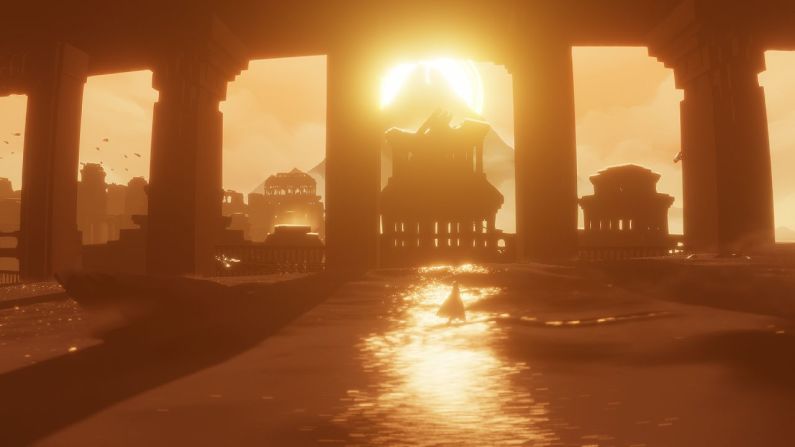
"Journey" (2012) —
"The reason why 'Journey' is so impactful is that it manages to create a world that is at once alien, but familiar, taking inspiration from ancient civilizations and things like Islamic architecture," says Chris Melissinos.
That Game Company
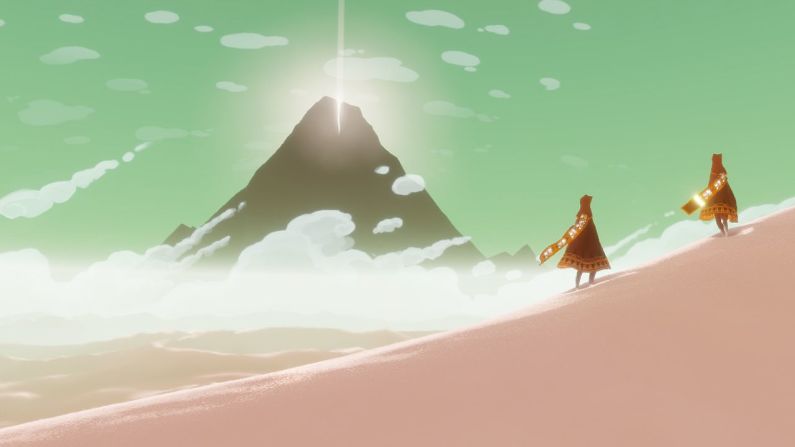
"Journey" (2012) —
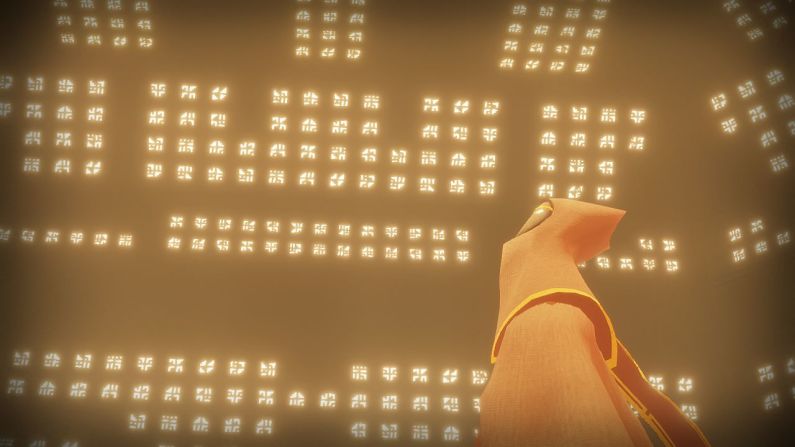
"I was crying when I finished the game. It really tugs at the corner of your heartstrings. Throughout the game the player is constantly presented with a doppelganger that helps you throughout the journey. You don't realize until the end that this doppelganger is actually several different players that you have met. It got me thinking about the many people that come into your life at different stages.
"The soundtrack is the first video game soundtrack to be nominated for a Grammy, and it's really the music that breathes life into this incredible world. The two together draw the player in, who becomes an organic part of this world."
That Game Company
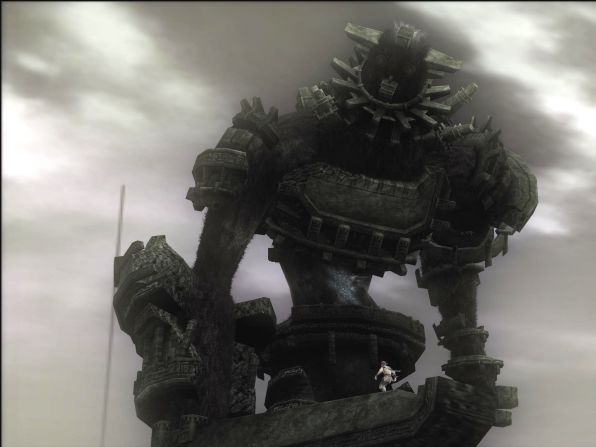
"Shadow of the Colossus" (2005) —
"Literally one of my favorite games of all time," says Melissinos. "At the time of its release, we had not really experienced a world like it."
Sony Interactive Entertainment
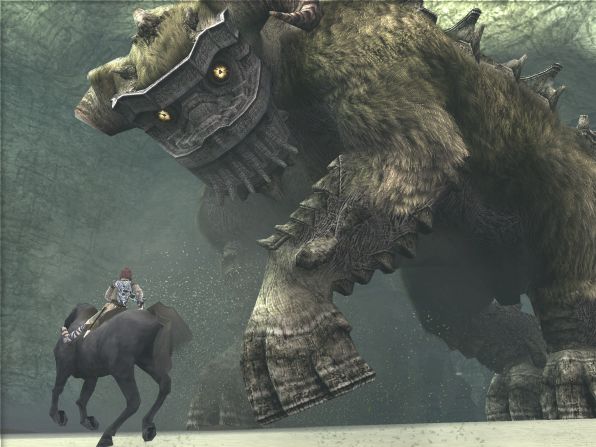
"Shadow of the Colossus" (2005) —
"It's an incredibly beautiful and complete world, almost devoid of life. It felt like moving through an ancient world."
Sony Interactive Entertainment
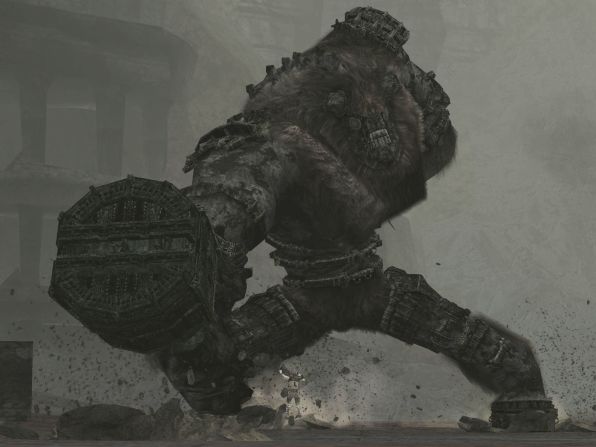
"Shadow of the Colossus" (2005) —
"You're playing this small human, able to take the life of a giant colossus, which looks you in the eye while dying. It's like everything that they represent, such as danger and evil, is actually represented in your small character. The game really engages your morality and I think that's why it was unique for its time."
Sony Interactive Entertainment
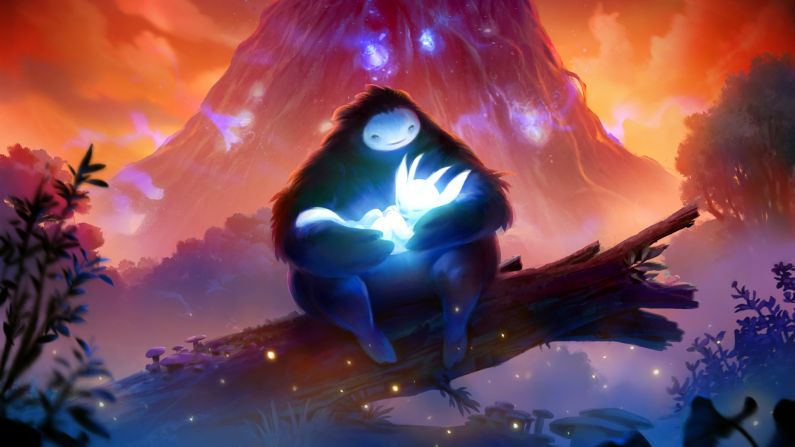
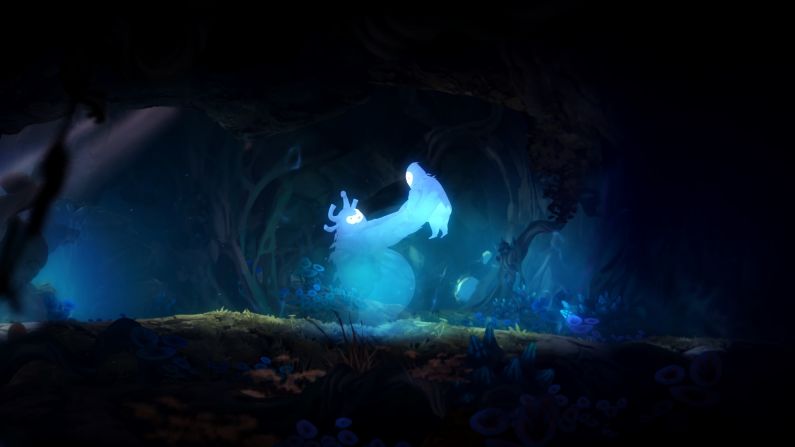
"Ori and the Blind Forest" (2015) —
"The style of art in 'Ori and the Blind Forest' has this dreamlike sensitivity that is usually reserved for high profile animated films," says Melissinos. "When this game came out we weren't used to seeing it in video games."
Moon Studios
"Ori and the Blind Forest" (2015) —
"Being in Ori's world feels like being awash in a dreamscape. It's very soft, almost Disney-esque. It's the carefully constructed, richly detailed world which makes it so compelling."
Moon Studios
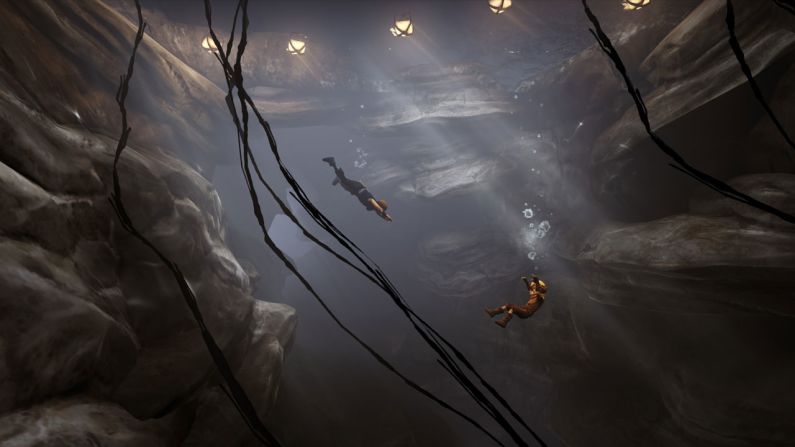
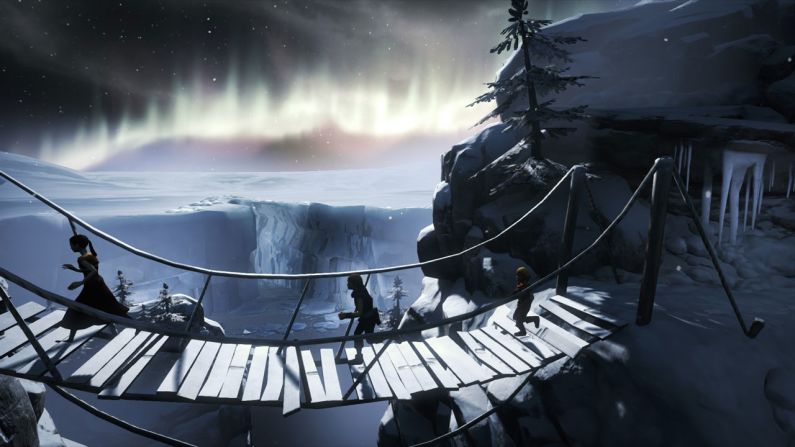
"Brothers: A Tale of Two Sons" (2013) —
"Brothers follows a simple overall narrative ark," says the writer, "but its emotional storyline gives the game its impact."
505 Games
"Brothers: A Tale of Two Sons" (2013) —
"You play two brothers working together to overcome obstacles and save their dying father -- ultimately it's a game about selflessness."
505 Games
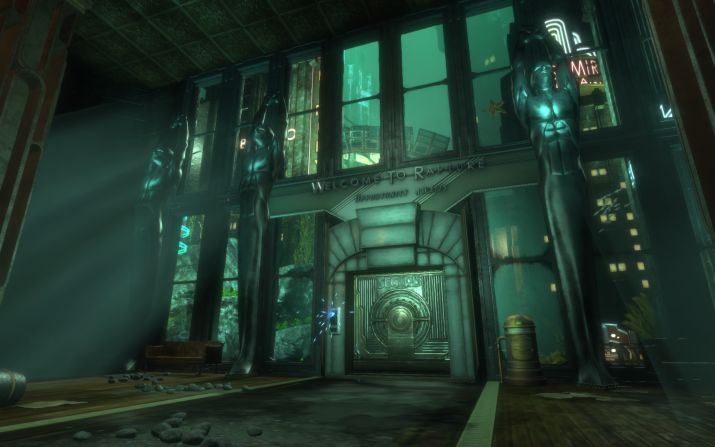
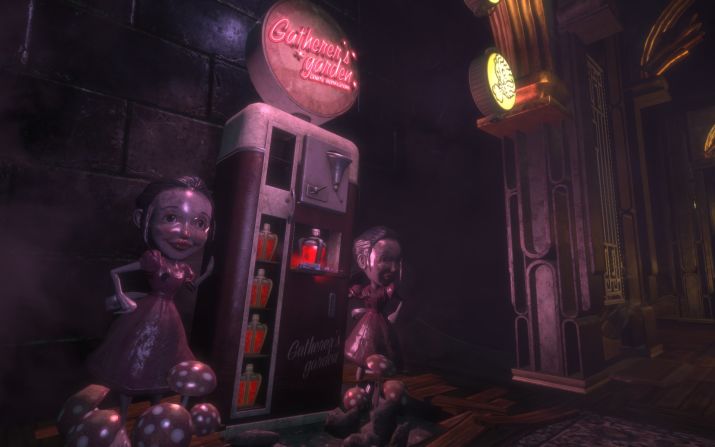
"Bioshock" (2007) —
"'Bioshock' is a commentary on what happens to a society when it is stripped from any moral or ethical guidance. In a way it's a cautionary tale."
2K Games
"Bioshock" (2007) —
"When 'Bioshock' came out it was praised for its hauntingly beautiful Art Deco- fashioned dystopian world. But it's really the narrative that shapes the art. As a player you are injecting morality into the game."
2K Games
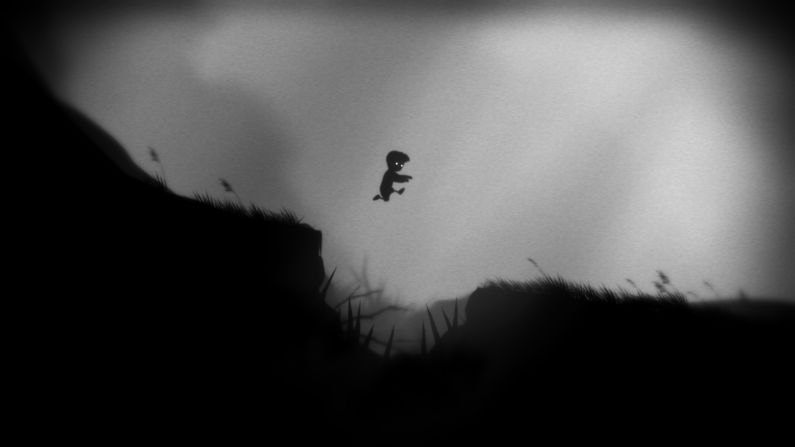
"Limbo" (2010) —
"What struck me about 'Limbo', was the way in which danger was presented," explains Melissinos. "The game is created with a deliberately restrictive black and white palette, which means danger is everywhere, lurking in the shadows."
Playdead Games
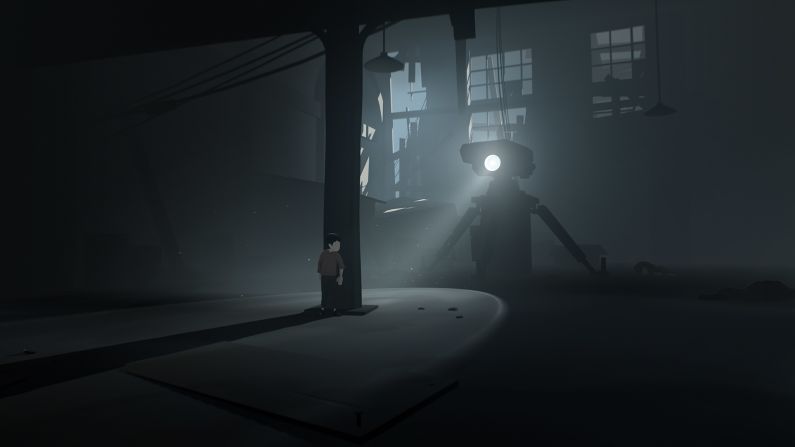
"Inside" (2016) —
"As with 'Limbo', 'Inside' is created with a very purposeful and specific style, which is what makes its world so cool."