Cities and their inhabitants produce huge amounts of green house gases, contributing to global warming and environmental damage. In response, a number of communities are focused on reducing their carbon-emissions, with some attempting to go entirely carbon-free.
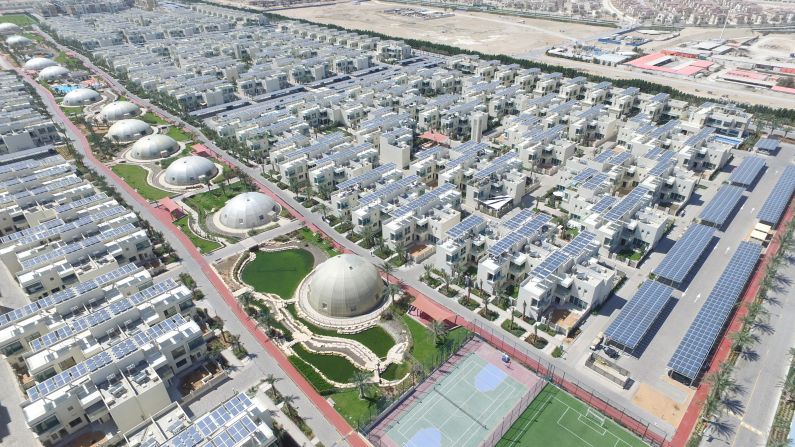
The Sustainable City in Dubai, a 500-home complex outside Dubai City, proposes one solution. Scroll through the gallery to discover how other communities are living sustainably.
courtesy The Sustainable City
Fujisawa —
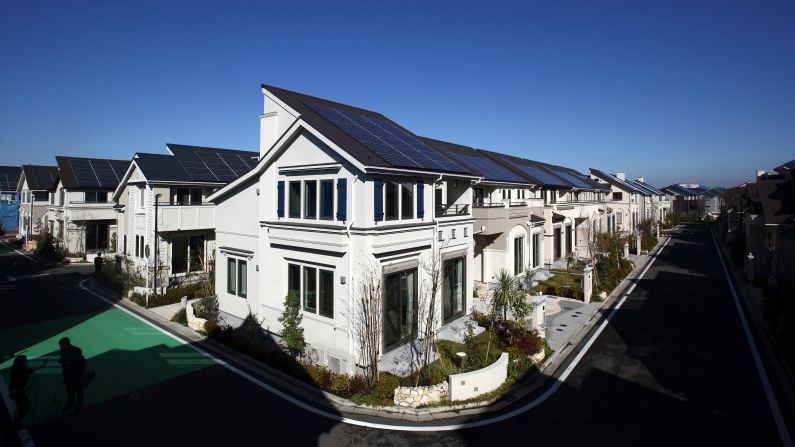
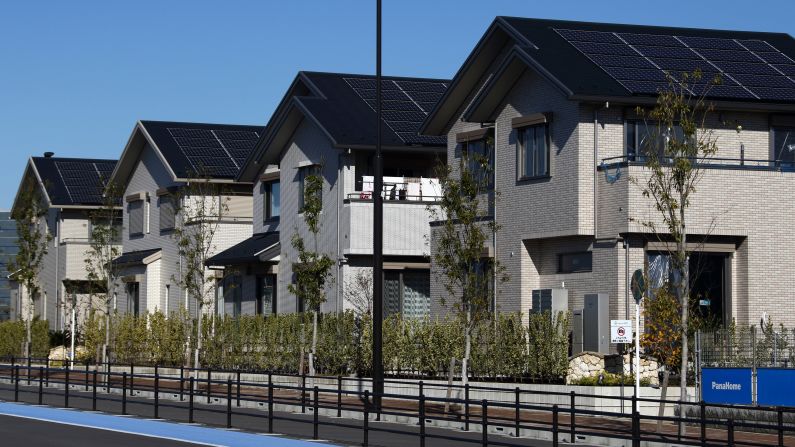
Fujisawa in Japan is a "sustainable smart town" built by Panasonic in collaboration with 17 other companies. Located 50km west of Tokyo and receiving its first batch of residents in November 2014, the town's infrastructure is based on a smart grid which connects every building to a central real-time energy network. This means the energy demands of the inhabitants are connected to the variables of renewable energy.
Tomohiro Ohsumi/Bloomberg/Getty Images
Fujisawa —
The 600 houses and 400 apartments, which can accommodate 3,000 people, are equipped with solar panels to provide clean and carbon-free energy. The engineers predict a 70% reduction in CO2 emissions. The leaf-inspired road layout also channels wind which reduces the need for air conditioning in hot weather.
Tomohiro Ohsumi/Bloomberg/Getty Images
Sonderborg —
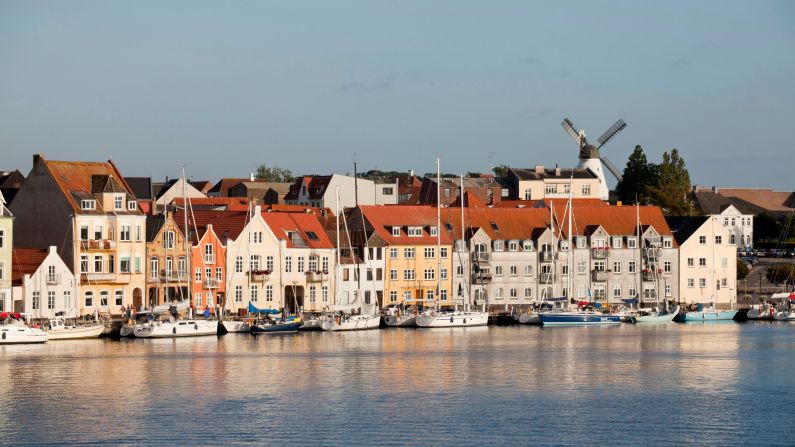
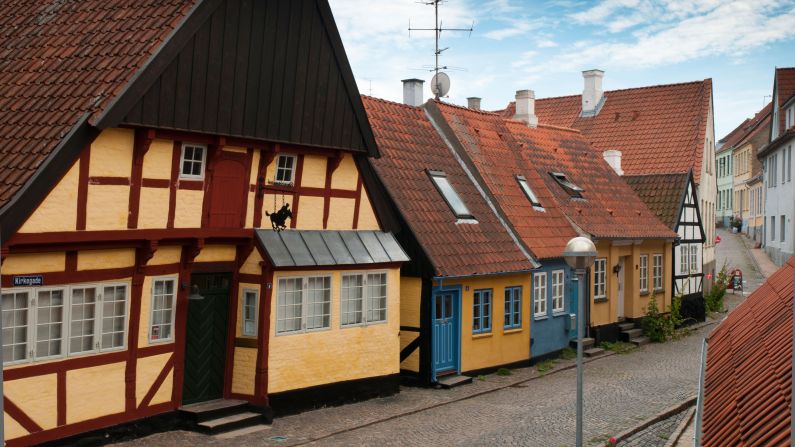
The Danish municipality of Sonderborg has the ambitious goal of aiming to be carbon-free by 2029. The "ProjectZero" plan was launched in 2007 and involves a move towards towards using renewable energy. The plan includes the establishment of on- and off-shore wind farms.
imageBROKER/Alamy
Sonderborg —
The "ProjectZero" plan is a collaboration between politicians, businesses and the 77,000 people that live in the area. Much of the region lies on the coast and has experienced flooding due to rising sea levels and heavy rainfall. The municipality is already a hub for green technology. Danfoss, a leader in solar energy, and Linak, who make components for wind and solar energy technology are based there.
Monika Speith/Alamy
Infiniski —
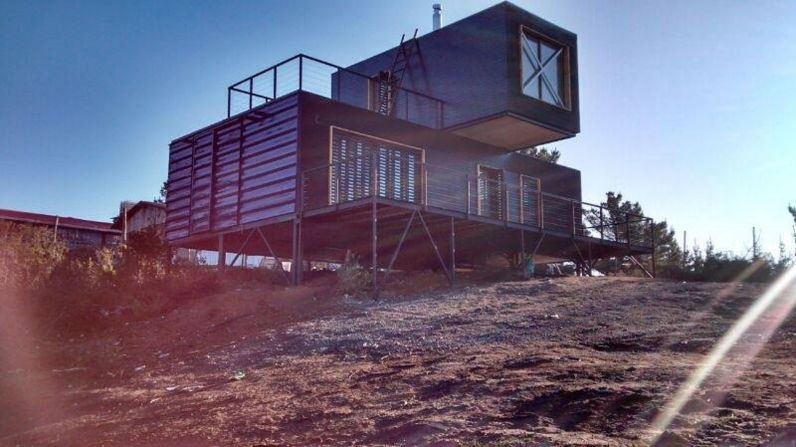
Spanish architects Infiniski take an eco-friendly approach to design. This involves using recycled and non-polluting construction materials. The basic components of many of their buildings are shipping containers. They are also designed to provide a cooling effect in hot climates and are cheap and quick to build.
Masdar City —
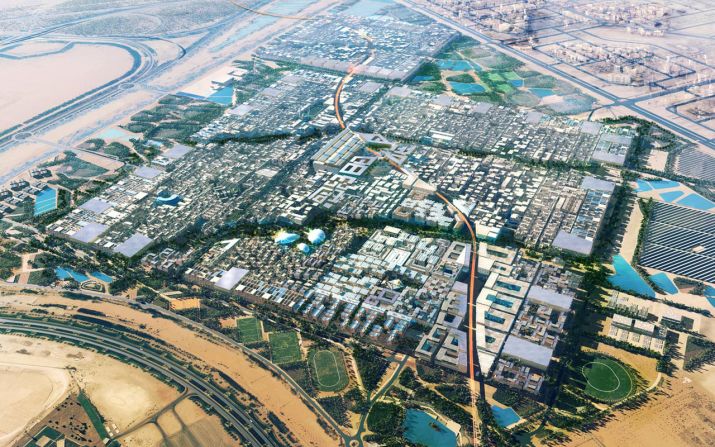
Masdar City in the UAE aims to be the world's first planned carbon-free city. Located 10.5 miles from Abu Dhabi, Masdar City was initiated in 2006 and is designed to be a global center for "cleantech" companies.
Masdar City —
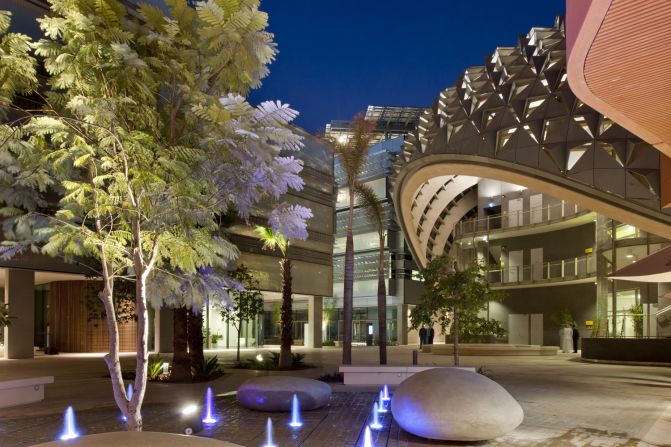
Based in the desert, there is no shortage of sunlight. Masdar City uses this natural resource; 87,777 solar panels provide the city with carbon-free energy. However, the managers of Masdar City have admitted they are not close to being a carbon-free community.
Courtesy Nigel Young/Foster&Partners
Masdar City —
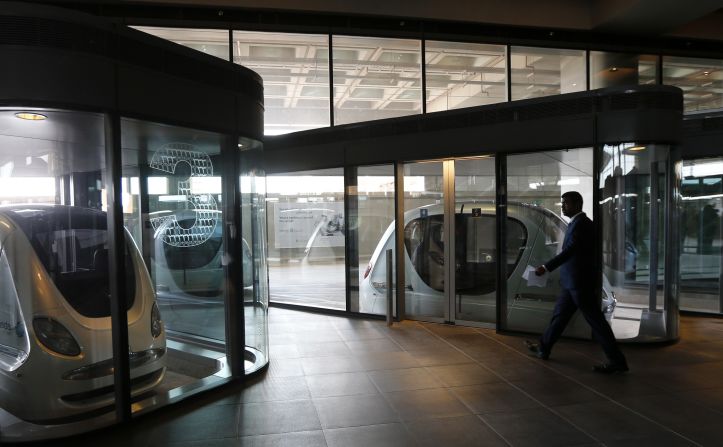
Initial plans banned automobiles from the city. Driverless pods, known as "personal rapid transit" (PRT) carts, are used by residents. The city is also designed in a way to encourage walking and cycling. Although revised plans have allowed for electric and clean energy cars to be permitted within the city.
KARIM SAHIB/AFP/AFP/Getty Images
'Tiny House Movement' —
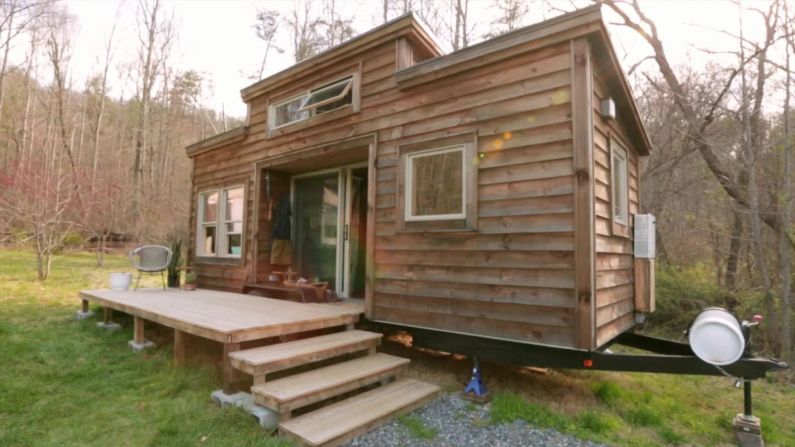
One-way of moving towards eco-friendly and carbon-free living is as simple as reducing the size of your home. The "Tiny House Movement" (an example pictured above) is a transition towards building smaller homes and downsizing. Smaller homes, by their nature, have much less cooling and heating costs, and are powered by solar panels on the roof.
CNN
Earthship —
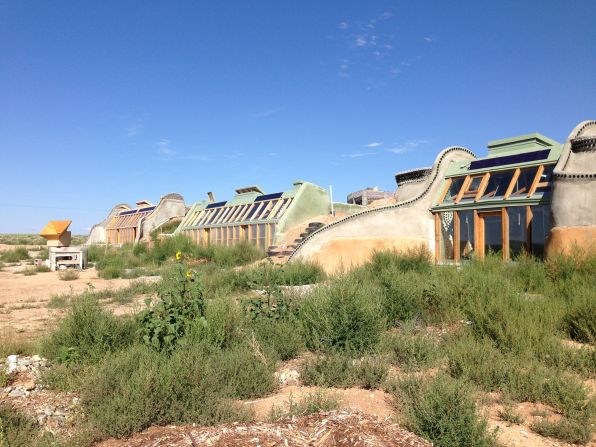
Earthships are weird and wonderful eco-friendly homes, built from from natural and recycled materials. They are designed to be "off-grid ready", not needing to rely on external sources of energy or fossils fuels.
Courtesy Earthship Biotecture
Dumpster-to-apartment —
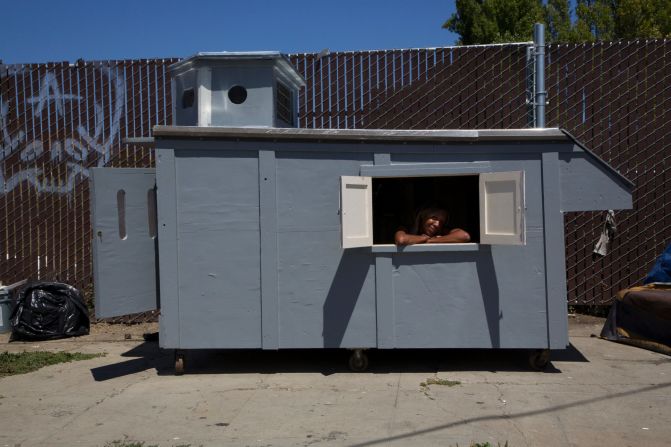
Another sustainable approach to living is to build using recycled materials. Designer Gregory Kloehn did this by turning a dumpster into a fully functional home. He "up-cycles" washing machines, tires, bathroom and sun decks.
Gregory Kloehn
The Wintles eco-village —
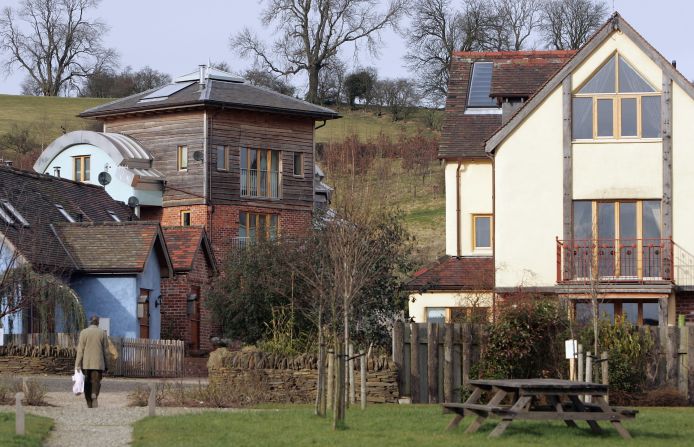
Another example of the push towards carbon-free living is the Wintles Village, United Kingdom, which features houses which are said to be among the most energy efficient in the UK. Domestic dwellings claimed to be responsible for 27% of the UK's carbon emissions.