Your effort and contribution in providing this feedback is much
appreciated.
Close
Ad Feedback
S. Korea’s new generation of lonely youths
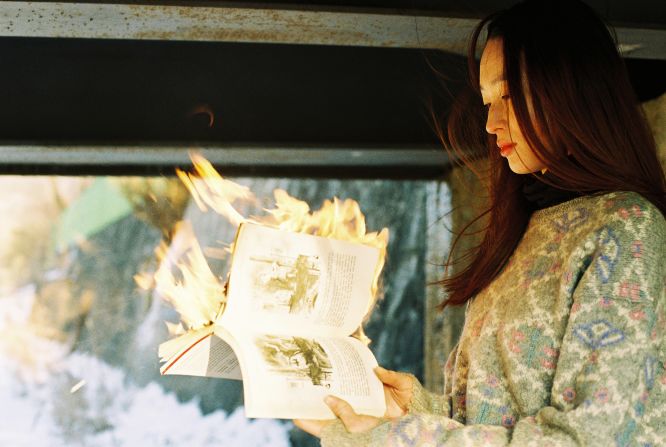
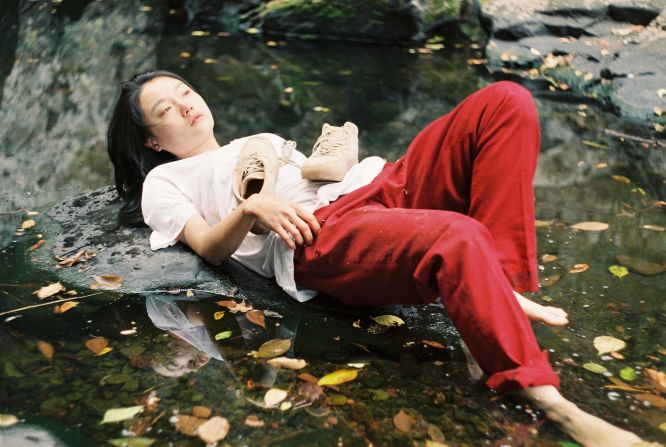
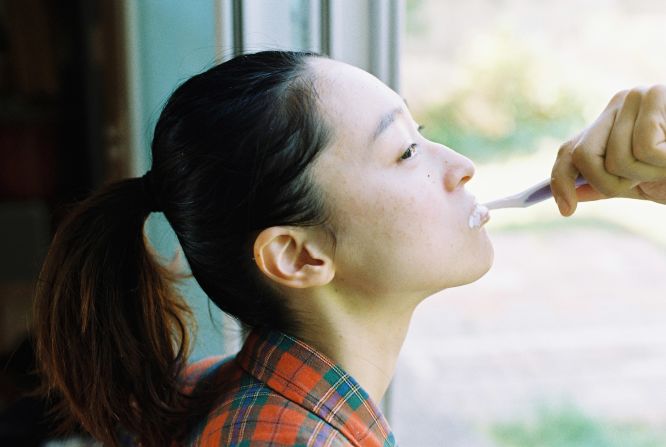
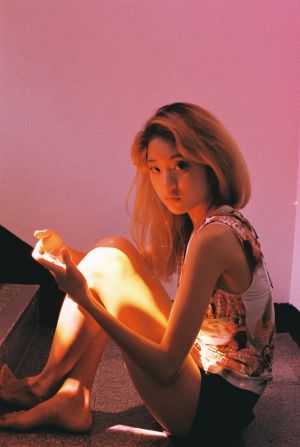
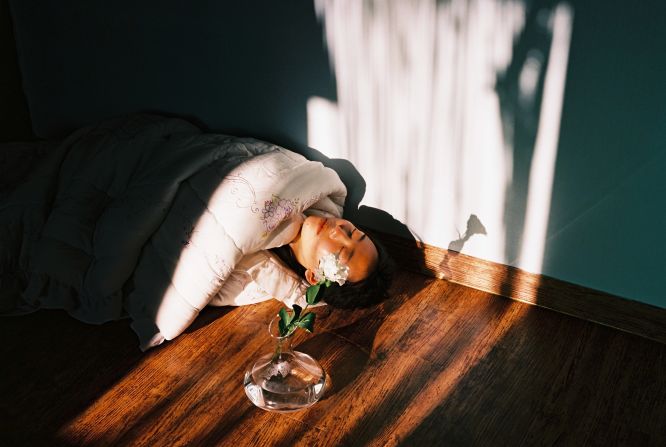
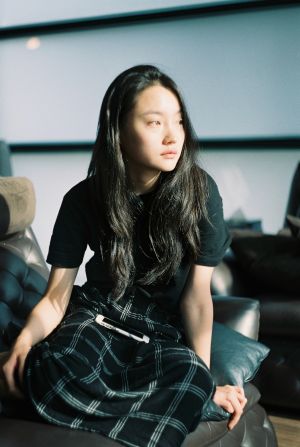
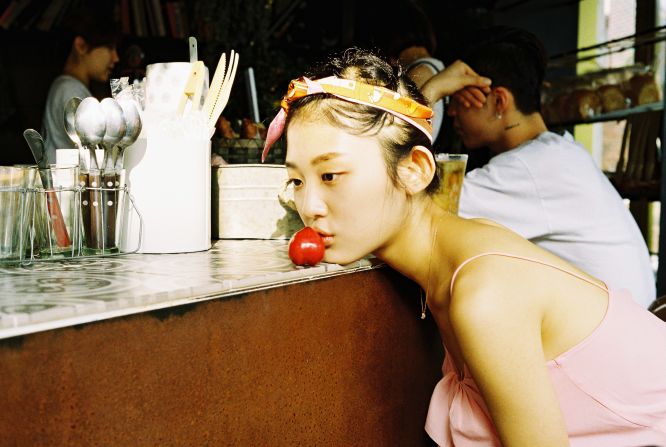
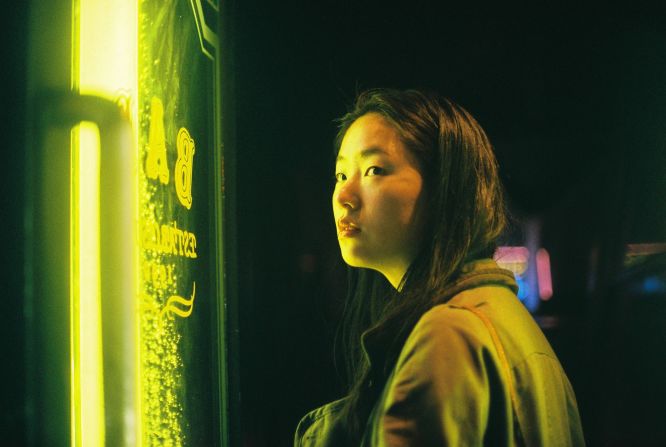
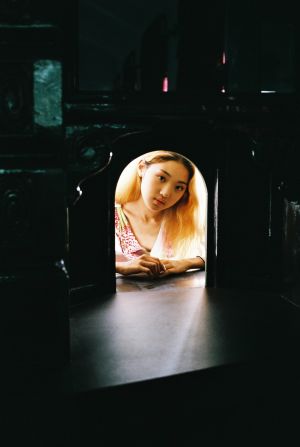
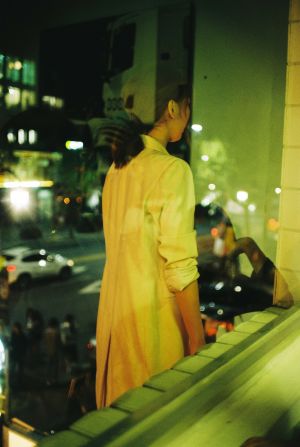
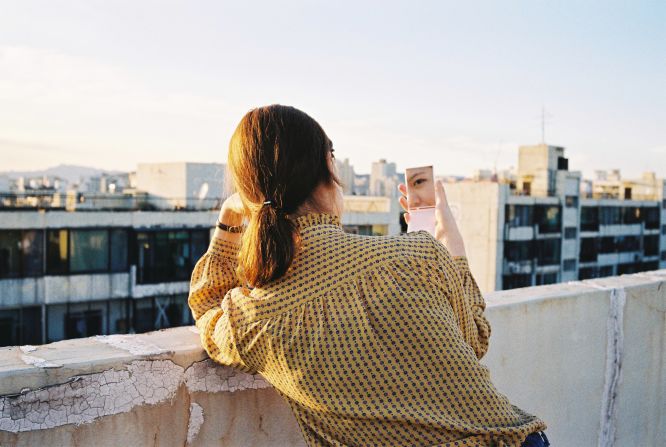
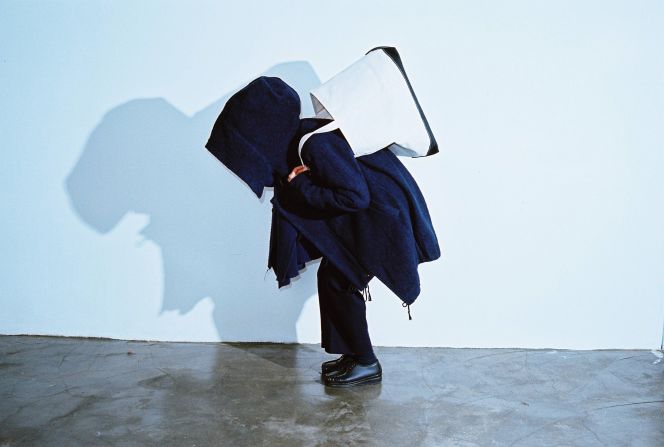
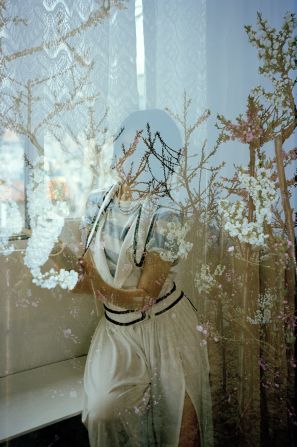
Photographer Nina Ahn's images are intended to capture the phenomenon of "honjok" among South Korea's youth.
Nina Ahn
"Honjok" is a term often used to describe a generation that embraces solitude and independence.
Nina Ahn
"We live in a generation where simply working hard for a bright future doesn't guarantee happiness, Ahn said, "so why not invest in 'me' time?"
Nina Ahn
The term "honjok" combines the Korean words "hon" (alone) and "jok" (tribe).
Nina Ahn
Although Ahn's photographs often explore issues around loneliness, she believes that her contemporaries are more willing to enrich their lives through experiences like travel.
Nina Ahn
"(My peers) know that there is no happily-ever-after," Ahn said. "And they are responding to life in a wiser way. Our priorities in life have changed."
Nina Ahn
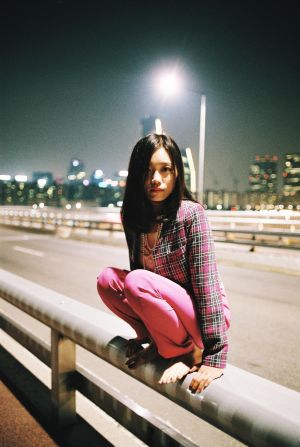
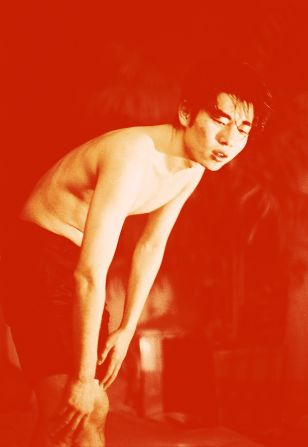
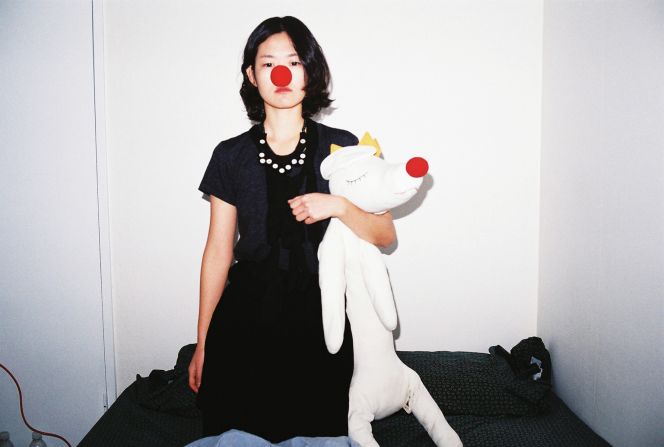
Ahn's photos depict young, solitary subjects, in an exploration of the social realities of young South Koreans.
Nina Ahn
Ahn believes that today's youth have limited opportunities to interact with others -- and a lack of time dedicated to themselves.
Nina Ahn
There were over 5 million single-person households in South Korea as of 2016, accounting for almost 28% of the population.
Nina Ahn
A woman in her 20s sits alone on a guardrail beside an empty highway in Seoul.
Nina Ahn
A growing middle class -- coupled with government efforts to promote family planning -- has contributed to a dramatic drop in the country's birth rate.
Nina Ahn
Photographer Ahn has spent more than a decade living in Seoul.
Nina Ahn
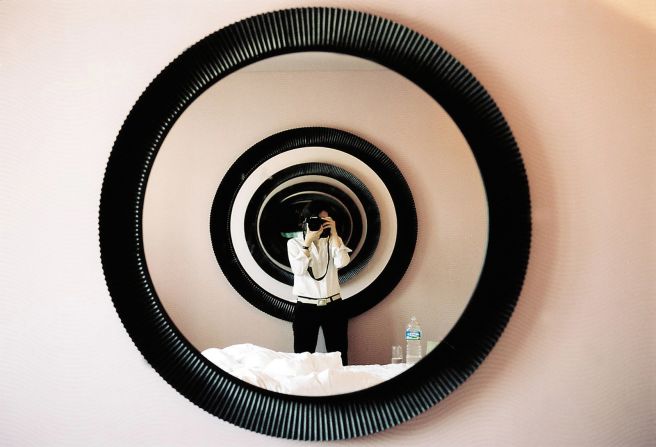
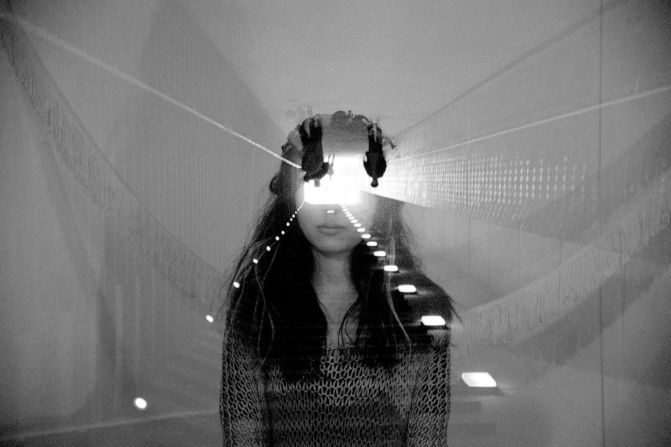
The concept of loneliness and isolation also inspired photographer Hasisi Park in the following works.
Hasisi Park
Park attributes the loneliness of South Korea's youth to the social pressures of the modern age.
Hasisi Park
According to Park, who also produces intimate portraits of family life, the "honjok" generation is now an economic force in its own right. "(It) has gotten big enough to form a culture with consumer power," she said.
Hasisi Park
Park works as a freelance photographer in Seoul and has taken photographs for magazines including Time and GQ.
Hasisi Park
"The society we live in can be very unstable, and I think young people don't want to be compromised anymore," Park said.
Hasisi Park
Park often depicts her subjects as powerless beings in the great wilderness or society at large.