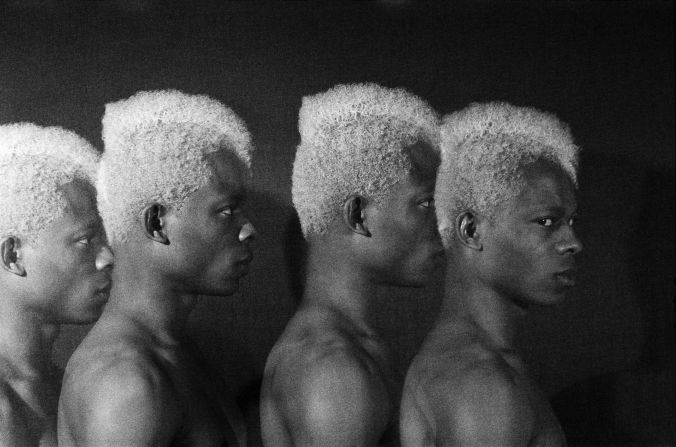
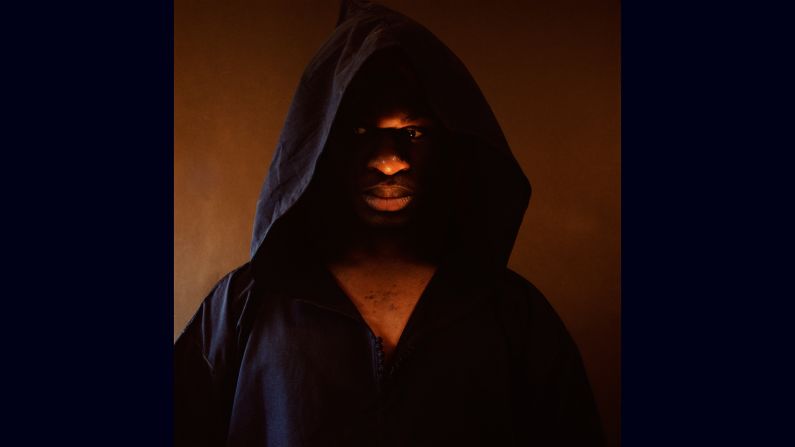
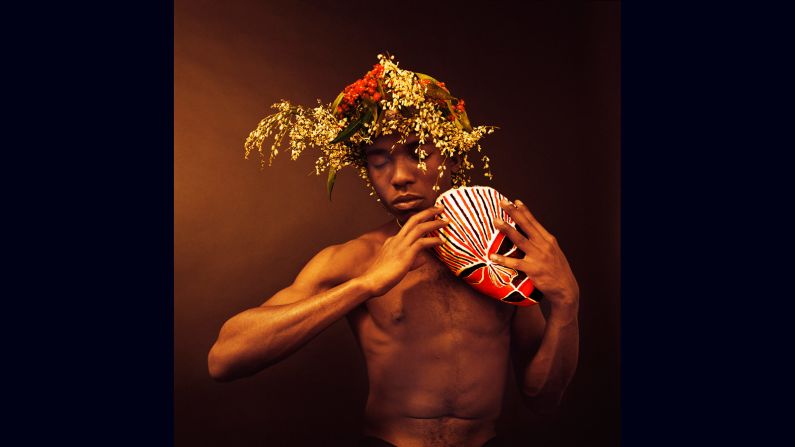
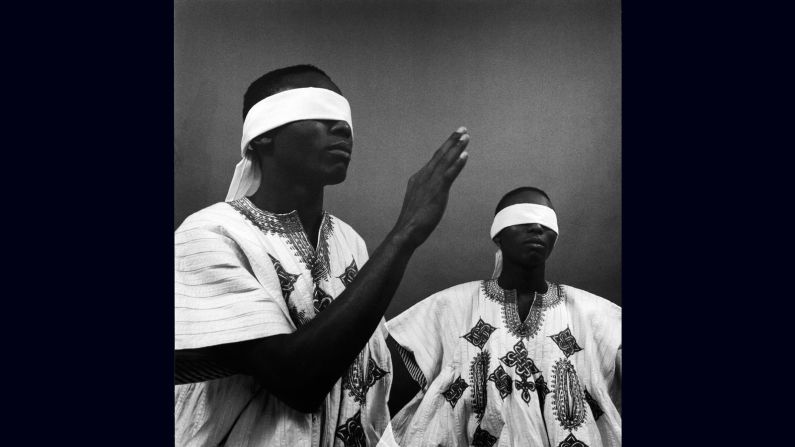
Nigerian photographer Rotimi Fani-Kayode rose to prominence creating thought-provoking photography in the 1980s, meditating on the experiences of being a gay black African.
courtesy Autograph ABP, London
Black Friar, 1989 —
The son of a prominent Yoruba chief, Fani-Kayode fled Nigeria at the outbreak of civil war and settled in Britain in 1966. He studied in the United States before moving to London permanently to pursue photography.
courtesy Autograph ABP
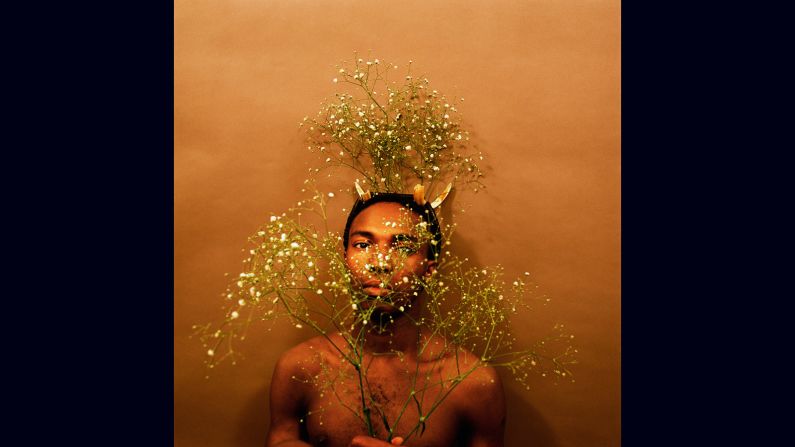
Adebiyi, 1989 —
In London he met Alex Hirst, photographer and filmmaker. The two became a couple and would collaborate frequently.
courtesy Autograph ABP
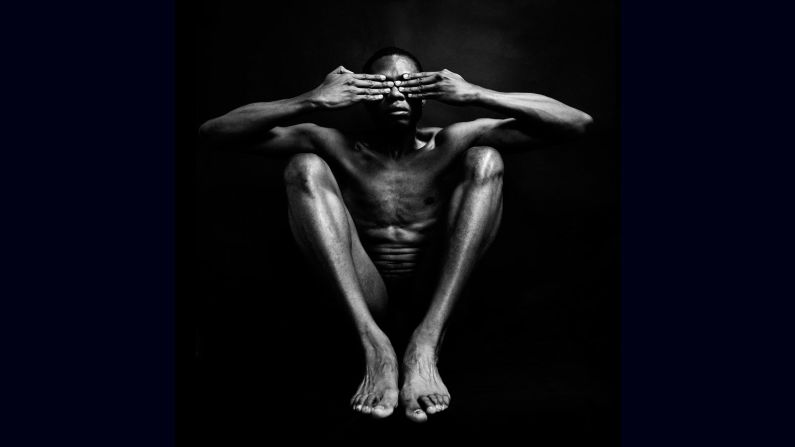
The Way, c.1987-89 —
Fani-Kayode's work is known primarily for expressing sexual desire in its myriad forms, and juxtaposing it against the expectations of societies both African and western.
courtesy Autograph ABP
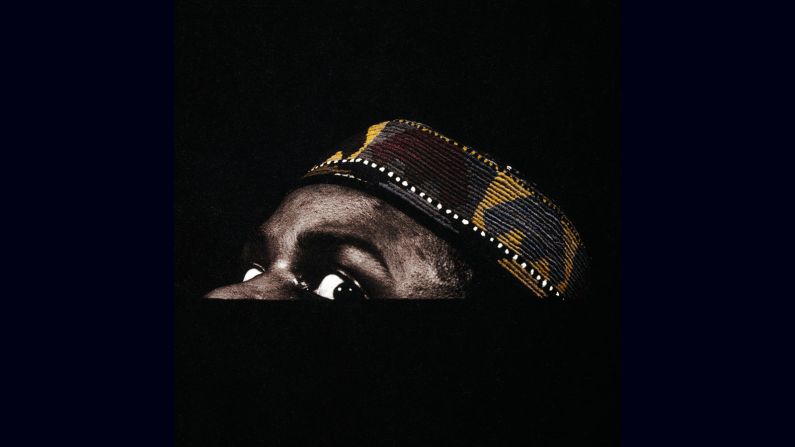
Peeping Tom, 1989 —
Although he operated out of Brixton in south London, Fani-Kayode's Yoruba heritage was prominent in his photography.
courtesy Autograph ABP
Untitled, 1988 —
According to prominent Nigerian gay rights activist Bisi Alimi, "Rotimi's works were years ahead of their time. (When) Rotimi was using photography to highlight sexuality in Nigeria, there were hardly any strong, progressive debates globally."
courtesy Autograph ABP
Cargo of Middle Passage, 1989 —
Alimi argues that today Fani-Kayode is still not as well known as perhaps his work merits. Homosexuality is illegal in Nigeria, and the Same Sex Marriage (Prohibition) Act, brought into law in 2014, heavily restricts the rights of the LGBT community.
courtesy Autograph ABP
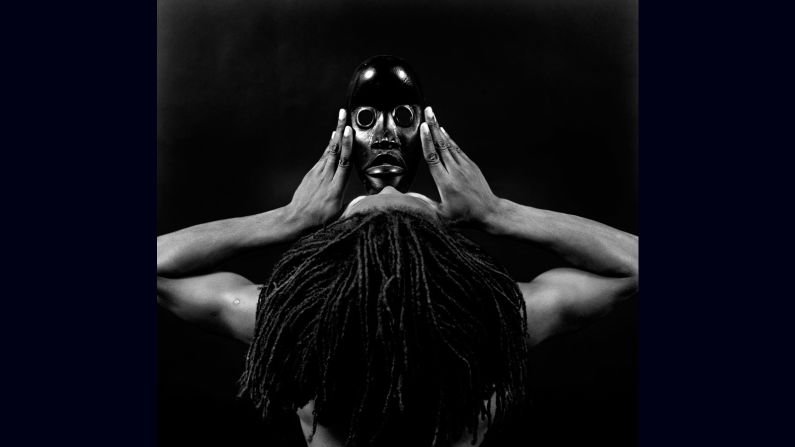
Dan Mask, 1989 —
Photography collective Autograph ABP is carrying the flame, ensuring Fani-Kayode's works are displayed in cities around the world. At present the Palitz Gallery in Syracuse, NY is exhibiting until April 15.