Hadid, Libeskind: How our childhoods made us architecture’s greats | CNN

CNN values your feedback

1. How relevant is this ad to you?
2. Did you encounter any technical issues?
Thank You!
Your effort and contribution in providing this feedback is much appreciated.
Close
Ad Feedback
Arts
Design
Fashion
Architecture
Luxury
Beauty
Video
Arts Design Fashion Architecture Luxury Beauty Video
Watch Listen Live TV
My Account
  • Settings
  • Newsletters
  • Topics you follow
  • Sign out
Your CNN account Sign in to your CNN account

My Account
  • Settings
  • Newsletters
  • Topics you follow
  • Sign out
Your CNN account Sign in to your CNN account

Live TV Listen Watch
Edition
US
International
Arabic
Español
Edition
  • US
  • International
  • Arabic
  • Español

Arts
Design
Fashion
Architecture
Luxury
Beauty
Video

Follow CNN Style
Download the CNN App

  • World
    • Africa
    • Americas
    • Asia
    • Australia
    • China
    • Europe
    • India
    • Middle East
    • United Kingdom
  • US Politics
    • Elections 2026
    • Trump
    • Facts First
    • CNN Polls
    • Redistricting Tracker
    • Epstein Files
  • Business
    • Tech
    • Media
    • Calculators
    • Videos
  • Markets
    • Pre-markets
    • After-Hours
    • Fear & Greed
    • Investing
  • Health
    • Life, But Better
    • Fitness
    • Food
    • Sleep
    • Mindfulness
    • Relationships
  • Entertainment
    • Movies
    • Television
    • Celebrity
  • Tech
    • Innovate
  • Style
    • Arts
    • Design
    • Fashion
    • Architecture
    • Luxury
    • Beauty
    • Video
  • Travel
    • Destinations
    • Food & Drink
    • Stay
    • News
    • Videos
  • Sports
    • Football
    • Tennis
    • Golf
    • Motorsport
    • US Sports
    • Olympics
  • Science
    • Space
    • Life
    • Unearthed
  • Climate
    • Solutions
    • Weather
  • Weather
    • Video
    • Climate
  • Ukraine-Russia War
  • Israel-Hamas War
  • Features
    • As Equals
    • Call to Earth
    • Freedom Project
    • Impact Your World
    • Inside Africa
    • CNN Heroes
  • Watch
    • Live TV
    • Featured
    • CNN Fast
    • Shows A-Z
    • CNN 10
    • CNN TV Schedule
  • Listen
    • All There Is with Anderson Cooper
    • Chasing Life with Dr. Sanjay Gupta
    • The Assignment with Audie Cornish
    • Terms of Service with Clare Duffy
    • CNN 5 Things
    • All CNN Podcasts
  • Games
    • Daily Crossword
    • Jumble Crossword
    • Photo Shuffle
    • Sudoblock
    • Sudoku
    • 5 Things Quiz
  • About CNN
    • Subscribe
    • Photos
    • Investigations
    • CNN Profiles
    • CNN Leadership
    • CNN Newsletters
    • Advertise With Us
    • Work for CNN

Download the CNN App

How my childhood made me the designer I am today

By Matthew Ponsford and Zahra Jamshed, CNN
Updated 9:40 AM EDT, Fri September 25, 2015
Link Copied!
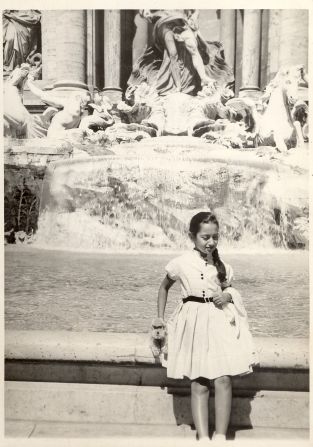
<strong>On childhood: </strong>"When I was growing up, mathematics was an everyday part of life -- as well as drawing, or listening to music and reading books. My parents instilled in me a passion for discovery, and they never made a distinction between science and creativity. We would play with math problems just as we would play with pens and paper to draw, or listening to music and reading a book -- math was like sketching."

Zaha Hadid —
On childhood: "When I was growing up, mathematics was an everyday part of life -- as well as drawing, or listening to music and reading books. My parents instilled in me a passion for discovery, and they never made a distinction between science and creativity. We would play with math problems just as we would play with pens and paper to draw, or listening to music and reading a book -- math was like sketching."
Zaha Hadid in front of the Trevi Fountain, Rome, photo family archives, copyright Zaha Hadid
<strong>Today: </strong>"I remember thinking that the Great Mosque of Cordoba was the most stunning space! Of course there are lots of other truly great spaces -- but this building left a tremendous impression on me. It has a dark interior, but then there is the extraordinary white marble inside the space -- it's like the modern hybrid projects we build today."
Zaha Hadid —
Today: "I remember thinking that the Great Mosque of Cordoba was the most stunning space! Of course there are lots of other truly great spaces -- but this building left a tremendous impression on me. It has a dark interior, but then there is the extraordinary white marble inside the space -- it's like the modern hybrid projects we build today."
Helene Binet/Courtesy ZHA
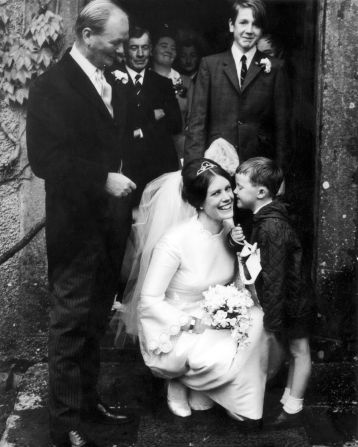
<strong>On childhood: </strong>"I grew up across the road from the church, and as a child I attended weddings, uninvited. Every single wedding! When the bride appeared, I just couldn't believe it! That was my whole perception of fashion. I've had an opportunity to work with some of the greatest couturiers in the world, some of the most talented designers; however, those wedding dresses were better, in my mind! I didn't really tune into hats much at that point; it was more the fantasy moment."
Philip Treacy —
On childhood: "I grew up across the road from the church, and as a child I attended weddings, uninvited. Every single wedding! When the bride appeared, I just couldn't believe it! That was my whole perception of fashion. I've had an opportunity to work with some of the greatest couturiers in the world, some of the most talented designers; however, those wedding dresses were better, in my mind! I didn't really tune into hats much at that point; it was more the fantasy moment."
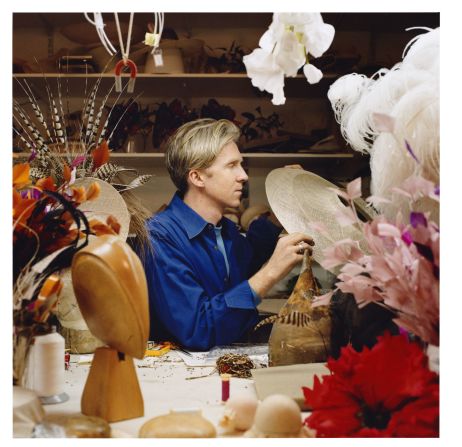
Copyright Philip Treacy
<strong>Today: </strong>"Hats have gone from being an accessory of conformity to being an accessory of rebellion. The most potent part of the body to decorate is the head, because you meet somebody's face. From all walks of life, from all corners of the planet, people instinctively like hats; they're intrigued. Every culture has a history of hats and headdresses."
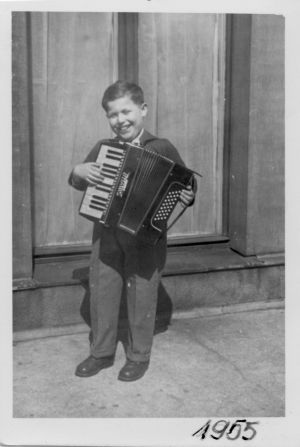
Philip Treacy —
Today: "Hats have gone from being an accessory of conformity to being an accessory of rebellion. The most potent part of the body to decorate is the head, because you meet somebody's face. From all walks of life, from all corners of the planet, people instinctively like hats; they're intrigued. Every culture has a history of hats and headdresses."
copyright Kevin Davies
<strong>On childhood: </strong>"When I first moved to New York I went to a regular school. I met a friend there, who is still a friend of mine; he's now also an architect! I sat next to him and I would point at things and he would write them down for me. What is this? A pencil. What is this? A desk. That's how I learned English... They tested me and put me in the dumb class, so instead of going into advanced classes, I got to do things like art, and murals for theater performances, so I luckily found myself in a fantastic spot!"
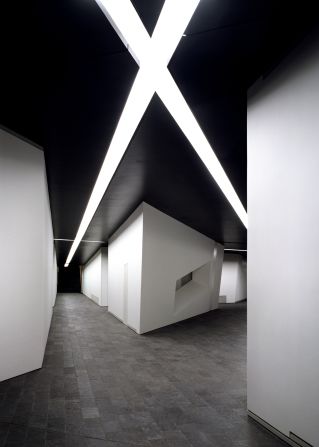
Daniel Libeskind —
On childhood: "When I first moved to New York I went to a regular school. I met a friend there, who is still a friend of mine; he's now also an architect! I sat next to him and I would point at things and he would write them down for me. What is this? A pencil. What is this? A desk. That's how I learned English... They tested me and put me in the dumb class, so instead of going into advanced classes, I got to do things like art, and murals for theater performances, so I luckily found myself in a fantastic spot!"
Photo family archives, copyright Daniel Libeskind
<strong>Today:</strong> "It's even true today, I see the tolerance of New York. It's not a perfect city, but you can see it's a very heterogeneous place, with people from all over the world, poor and rich, and so on. But they have to form some bond of solidarity, to make it into the future. That was my first experience from the minute I arrived. I fell in love with what it was."
Daniel Libeskind —
Today: "It's even true today, I see the tolerance of New York. It's not a perfect city, but you can see it's a very heterogeneous place, with people from all over the world, poor and rich, and so on. But they have to form some bond of solidarity, to make it into the future. That was my first experience from the minute I arrived. I fell in love with what it was."
Jewish Museum, Berlin, Copyright Studio Libeskind
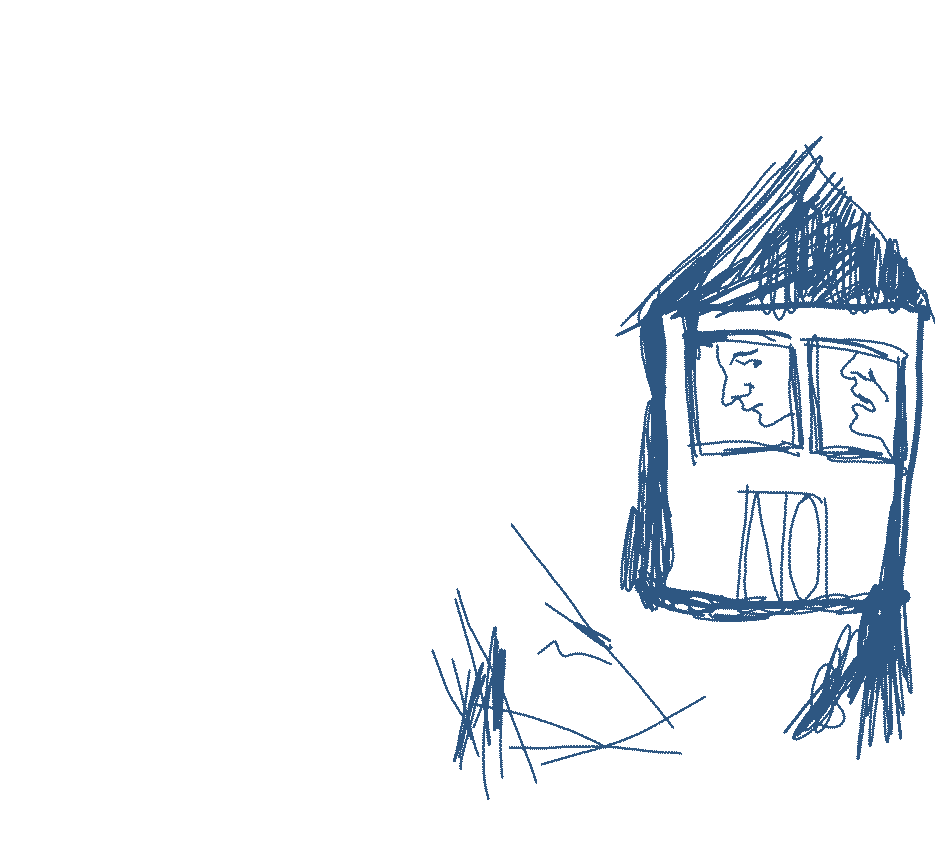
<strong>On childhood: </strong>"As a child, when I was at home, I used to play with wood blocks all day long. Working on materials must have come from that habit." <br /><br />"My fondness for holes or passageways comes from my childhood experience... back then, there were still some bomb shelters remaining in the hill [behind our house] and that was our ideal playing field. I loved the time of hiding in the shelter, totally detached from the life outside."
Kengo Kuma —
On childhood: "As a child, when I was at home, I used to play with wood blocks all day long. Working on materials must have come from that habit."

"My fondness for holes or passageways comes from my childhood experience... back then, there were still some bomb shelters remaining in the hill [behind our house] and that was our ideal playing field. I loved the time of hiding in the shelter, totally detached from the life outside."
Courtesy Kengo Kuma
<strong>Today: </strong>"I remember the earthen wall and washi [tough paper used in Japanese interiors] in the old house I lived in, and I now use those natural materials, partly with a sense of nostalgia, and some admiration. Also the tatami [straw mat covered] rooms, which began to cease in the post-war westernized houses, influenced my design a lot."
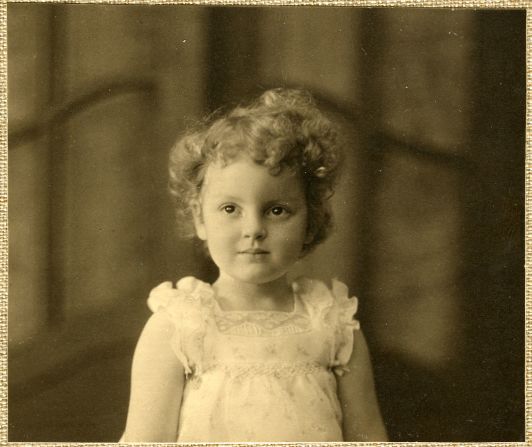
Kengo Kuma —
Today: "I remember the earthen wall and washi [tough paper used in Japanese interiors] in the old house I lived in, and I now use those natural materials, partly with a sense of nostalgia, and some admiration. Also the tatami [straw mat covered] rooms, which began to cease in the post-war westernized houses, influenced my design a lot."
photo by Satoshi Asakawa, courtesy Kengo Kuma & Associates, Tokyo
<strong>On childhood: </strong>"My encounters with learning-by-doing started, as did most else, with my mother, but my elementary school added further dimensions, as we learned through projects and worked with our teacher in teams. While constructing a model of an African mud house, we all -- seven-year-olds and teacher -- met a problem in supporting its walls: when you'd hammered one post in and began to hammer the second, the first popped out. And when a range of methods failed, the class ended in frustration. Next day we found a way, and 75 years later I remember the joy of solving it."
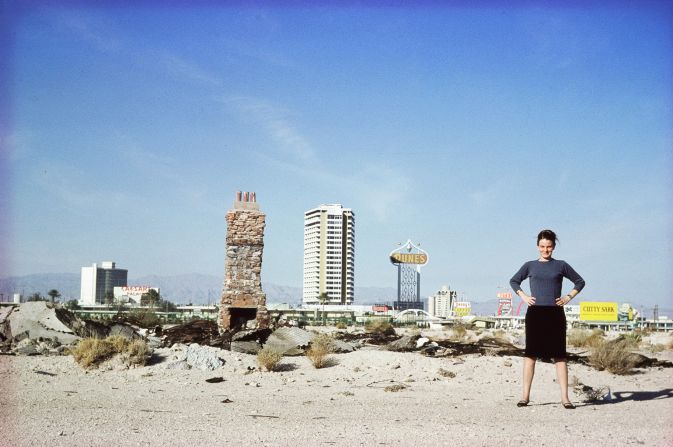
Denise Scott Brown —
On childhood: "My encounters with learning-by-doing started, as did most else, with my mother, but my elementary school added further dimensions, as we learned through projects and worked with our teacher in teams. While constructing a model of an African mud house, we all -- seven-year-olds and teacher -- met a problem in supporting its walls: when you'd hammered one post in and began to hammer the second, the first popped out. And when a range of methods failed, the class ended in frustration. Next day we found a way, and 75 years later I remember the joy of solving it."
© denise scott brown via roca london gallery
<strong>Today: </strong>"We must realistically say, 'Life is changing and it's not all bad,' and to embrace the crap, try to understand it and see that it might be very good for your creativity. It might in fact make art movements regenerate. I'm not against modernism. I love modernism. I grew up in a 1930s house that my parents built and it's always conditioned my life. But embracing these things and finding the good in them is what we're all about."
Denise Scott Brown —
Today: "We must realistically say, 'Life is changing and it's not all bad,' and to embrace the crap, try to understand it and see that it might be very good for your creativity. It might in fact make art movements regenerate. I'm not against modernism. I love modernism. I grew up in a 1930s house that my parents built and it's always conditioned my life. But embracing these things and finding the good in them is what we're all about."
photo by Robert Venturi, courtesy Archives of Robert Venturi and Denise Scott Brown
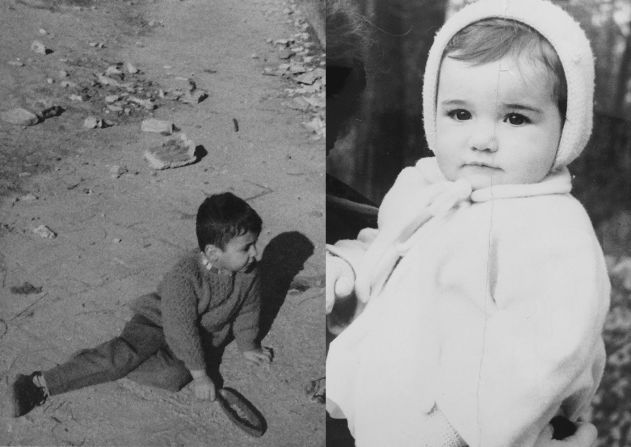
<strong>On childhood: </strong>"All children are attracted by patterns, drawings and games. During childhood, you do not establish differences between making things, playing, or inventing patterns. What interested us later as architects is the ability to relate all those experiences with our work."
Nieto Sobejano —
On childhood: "All children are attracted by patterns, drawings and games. During childhood, you do not establish differences between making things, playing, or inventing patterns. What interested us later as architects is the ability to relate all those experiences with our work."
Courtesy Enrique Sobejano and Fuensanta Nieto
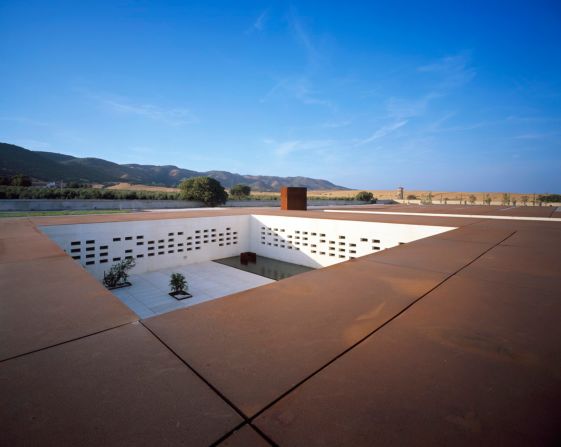
<strong>Today: </strong>"We think that when we design, we are actually always remembering some previous experiences. We mean not only life memories, but also what we have read in a book, seen in a film, or were told by someone. All this affects deeply our idea of reality and in that sense we are aware that a material, a texture, a form, a scent, may be the origin of an instinctive decision. At the core of each project is always a vital, poetic image, which informs the whole."

Nieto Sobejano —
Today: "We think that when we design, we are actually always remembering some previous experiences. We mean not only life memories, but also what we have read in a book, seen in a film, or were told by someone. All this affects deeply our idea of reality and in that sense we are aware that a material, a texture, a form, a scent, may be the origin of an instinctive decision. At the core of each project is always a vital, poetic image, which informs the whole."

Madinat al-Zahra Museum, Córdoba, Spain, 1999-2009, Photo©Roland Halbe

My Account
  • Settings
  • Newsletters
  • Topics you follow
  • Sign out
Your CNN account Sign in to your CNN account

Live TV Listen Watch
  • World
    • Africa
    • Americas
    • Asia
    • Australia
    • China
    • Europe
    • India
    • Middle East
    • United Kingdom
  • US Politics
    • Trump
    • Facts First
    • CNN Polls
    • Elections 2026
    • Redistricting Tracker
    • Epstein Files
  • Business
    • Tech
    • Media
    • Calculators
    • Videos
  • Markets
    • Pre-markets
    • After-Hours
    • Fear & Greed
    • Investing
  • Health
    • Life, But Better
    • Fitness
    • Food
    • Sleep
    • Mindfulness
    • Relationships
  • Entertainment
    • Movies
    • Television
    • Celebrity
  • Tech
    • Innovate
  • Style
    • Arts
    • Design
    • Fashion
    • Architecture
    • Luxury
    • Beauty
    • Video
  • Travel
    • Destinations
    • Food & Drink
    • Stay
    • News
    • Videos
  • Sports
    • Football
    • Tennis
    • Golf
    • Motorsport
    • US Sports
    • Olympics
  • Science
    • Space
    • Life
    • Unearthed
  • Climate
    • Solutions
    • Weather
  • Weather
    • Video
    • Climate
  • Ukraine-Russia War
  • Israel-Hamas War
  • Features
    • As Equals
    • Call to Earth
    • Freedom Project
    • Impact Your World
    • Inside Africa
    • CNN Heroes
  • Watch
    • Live TV
    • Featured
    • CNN Headlines
    • Shows A-Z
    • CNN 10
    • CNN TV Schedule
  • Listen
    • All There Is with Anderson Cooper
    • Chasing Life with Dr. Sanjay Gupta
    • The Assignment with Audie Cornish
    • Terms of Service with Clare Duffy
    • CNN 5 Things
    • All CNN Podcasts
  • Games
    • Daily Crossword
    • Jumble Crossword
    • Photo Shuffle
    • Sudoblock
    • Sudoku
    • 5 Things Quiz
  • About CNN
    • Subscribe
    • Photos
    • Investigations
    • CNN Profiles
    • CNN Leadership
    • CNN Newsletters
    • Advertise With Us
    • Work for CNN

Watch Listen Live TV
My Account
  • Settings
  • Newsletters
  • Topics you follow
  • Sign out
Your CNN account Sign in to your CNN account
Follow CNN Style

Download the CNN app

Terms of Use Privacy Policy Ad Choices Advertise With Us Accessibility & CC About Newsletters Transcripts Sitemap

© 2026 Cable News Network. All Rights Reserved.
CNN Sans ™ & © 2016 Cable News Network.

Download the CNN app

Scan the QR code to download the CNN app on Google Play.

Scan the QR code to download the CNN app from Google Play.

Download the CNN app

Scan the QR code to download the CNN app from the Apple Store.

Scan the QR code to download the CNN app from the Apple Store.