Your effort and contribution in providing this feedback is much
appreciated.
Close
Ad Feedback
Why the ‘architecture’ of a glass matters
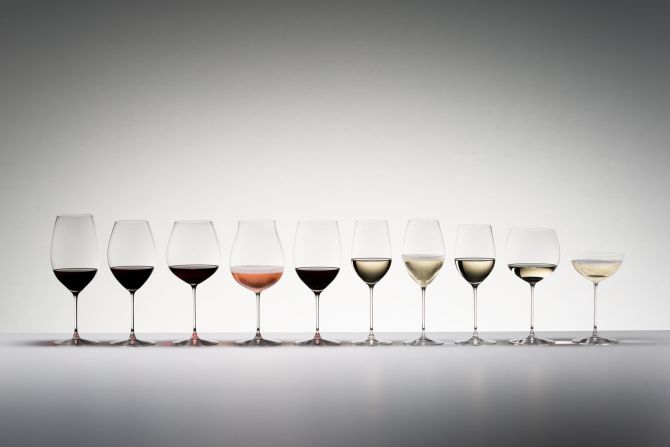
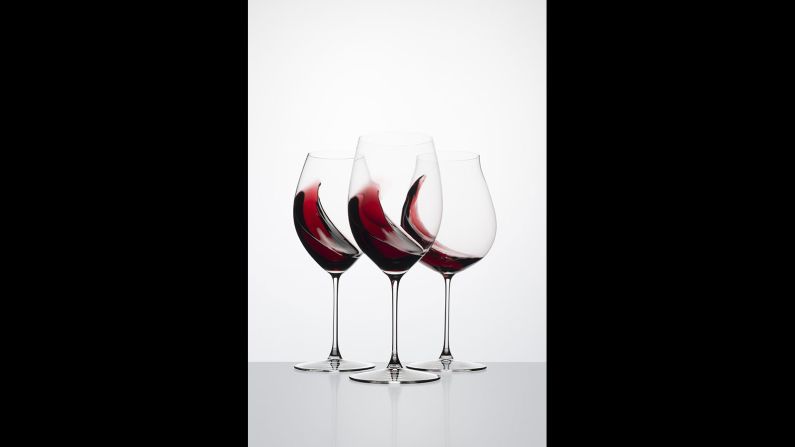
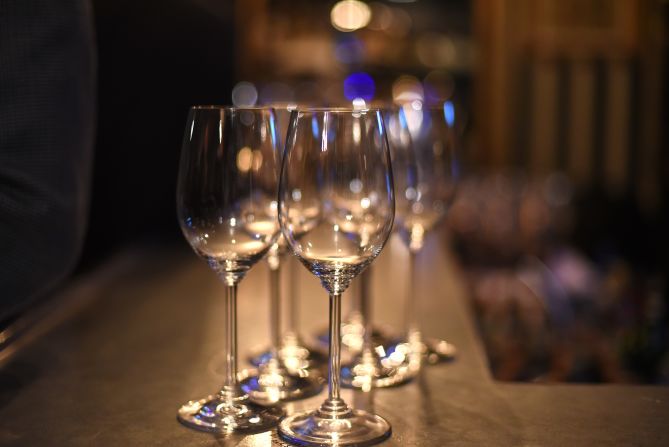
Glassware company Riedel tailors its gourmet collection (pictured above) to specific grape varieties.
courtesy riedel
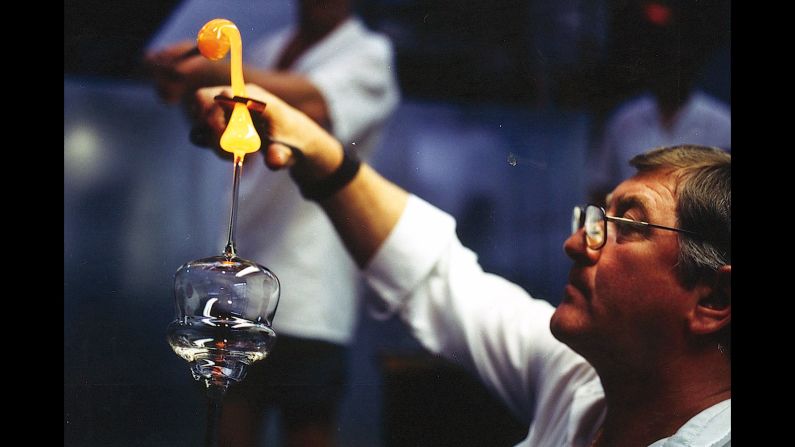
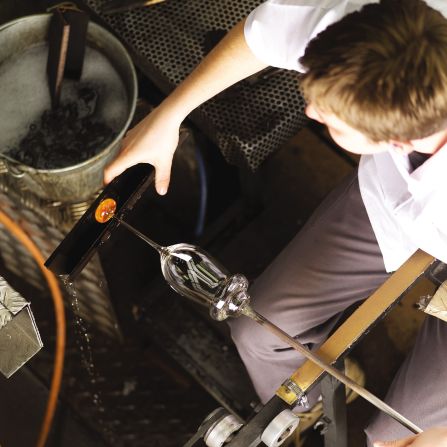
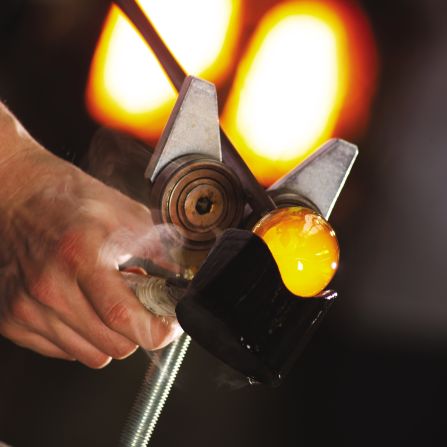
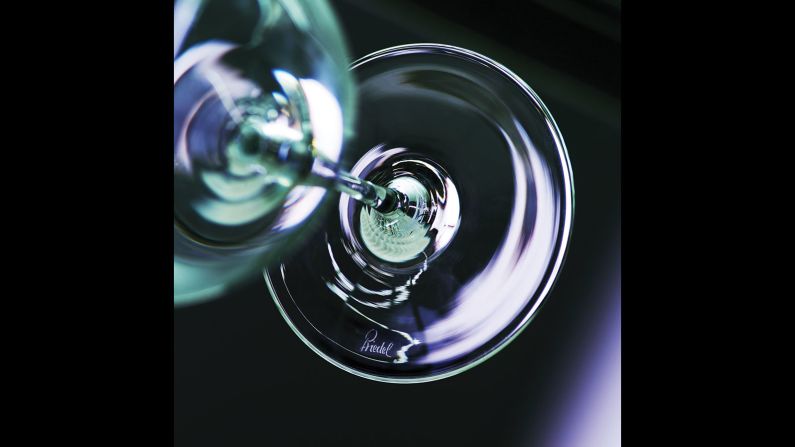
The Riedel family has manufactured glass for over 250 years. In 1958, they designed a glass to enhance the flavors and aromas of the Pinot Noir and Nebbiolo varieties.
courtesy riedel
The stem height, base width, and rim diameter of each "grape-varietal" glass in the Riedel collection is tailored to enhance the flavor of that grape. The base width, for example, controls how much air is in contact with the wine. The rim diameter alters how fast the wine flows to your palate.
courtesy riedel
"Content determines the shape of the glass," Georg Riedel, 10th generation owner of the family business, tells CNN. "It takes hours to design a glass. You have to go to your tasting panel back and forth to ensure they agree with your work."
courtesy riedel
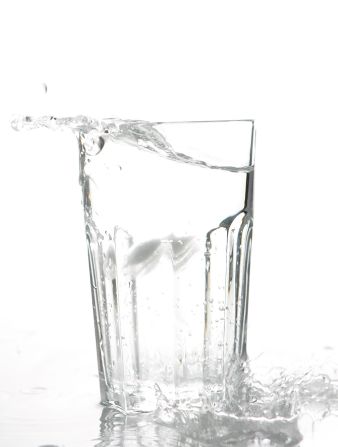
One of the most important components of a wine glass is the diameter of its rim, or its opening, Riedel explains: "When you pick up your glass, you adjust your lips." He demonstrates. "This kind of opening of the glass determines how far you have to move your head back." As a benchmark, Riedel instructs participants to drink water from each wine glass and report any differences in sensation.
Andreas Rentz/Getty Images Europe/Getty Images
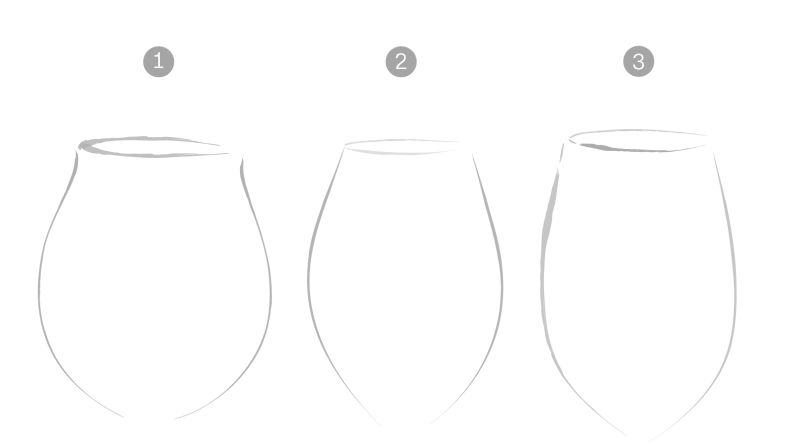
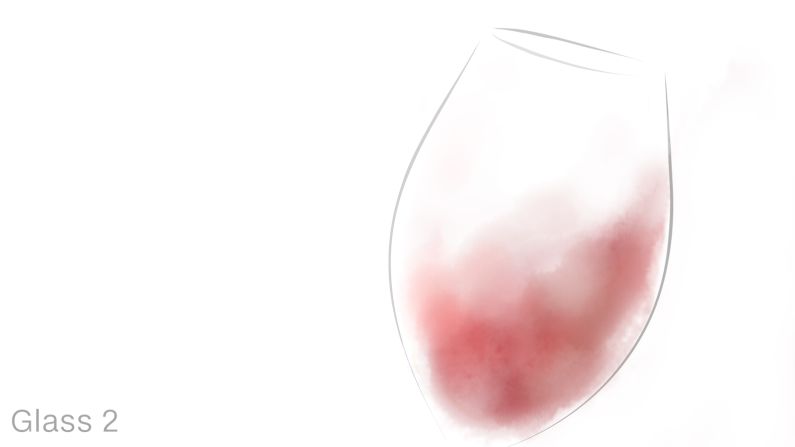
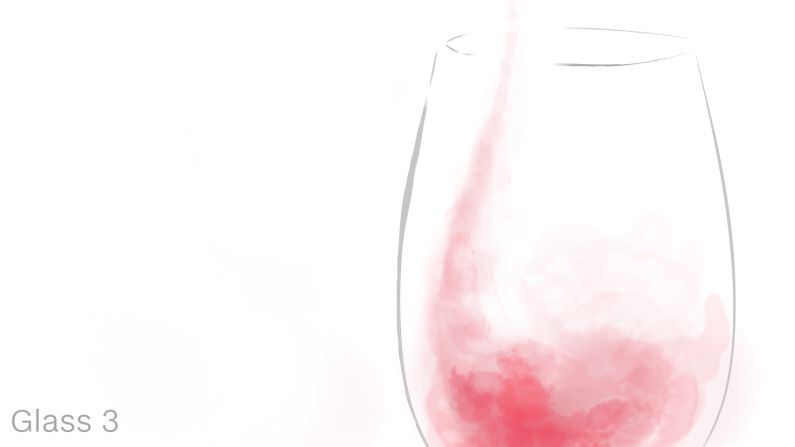
In glass one, the slight lift of the rim outwards forces the drinker to purse their lips tighter to drink the liquid, meaning the water reaches the front of the tongue. Glass two requires the drinker to tilt their head farther back, as the glass opening curves inward. The water falls mainly to the back of the palate. Glass three, more neutral in form, allows for a wide gulp, meaning the liquid hits all parts of the tongue. The exercise demonstrates how a glass can change the way its liquid flows into your mouth.
Riedel outlines the four main flavor components in wine: fruit, salt, acidity and bitter. The flow of liquid to your palate, as influenced by the shape of the glass, can "over-accentuate the bitter components or acidity" of a wine, he says.
courtesy riedel
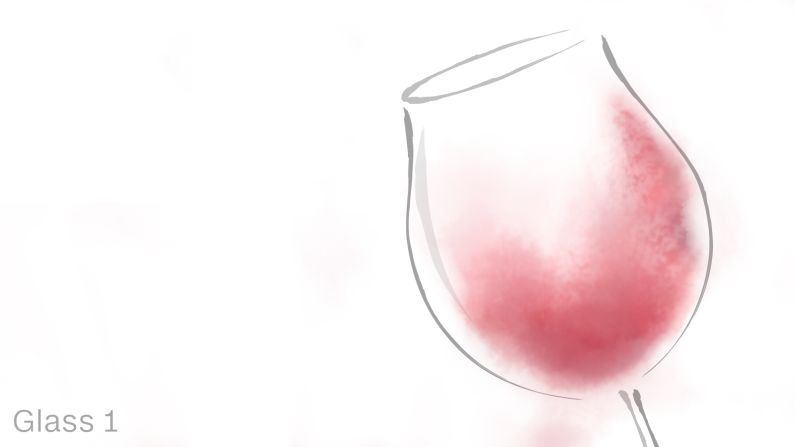
The first wine presented in the class is a Pinot Noir -- a red wine grape variety made from thin-skin grapes and known for its berry aromas. When it is poured into glass one, Georg Riedel points out that this particular glass brings out the fruitier and spicier notes of the wine.
cnn
In glass two, Riedel says, the same Pinot Noir will taste noticeably fruitier and sweeter.
cnn
The same Pinot Noir drunk from glass three tastes spicier. It has an almost burning sensation which, Riedel explains, is the minerality of the wine's flavor profile coming through.
CNN
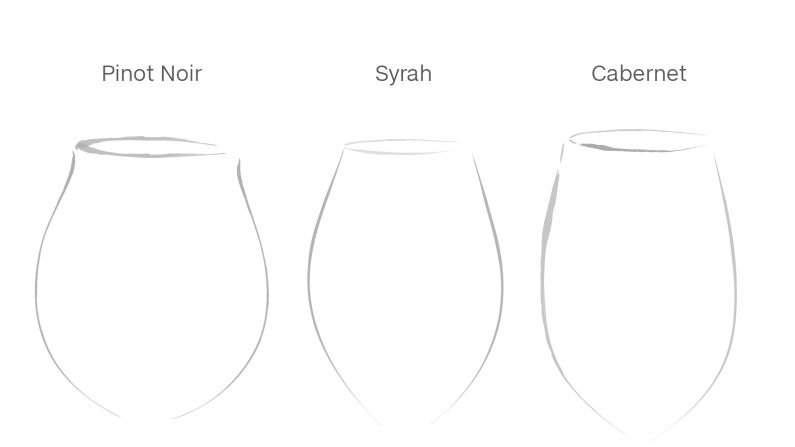
Riedel walks the class through a tasting of three wines served in three differently shaped glasses. He believes participants should be able to match the wines (results shown above) to the shape that "best elevates the components of wine better than the other."
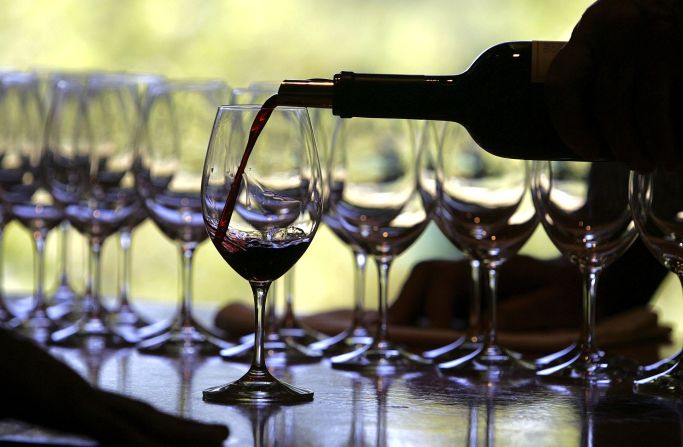
In 2014, global wine sales reached $317.8 billion, according research firm Euromonitor International. That figure is projected to rise to $423.5 billion by 2019. Spiros Malandrakis, senior alcoholic drinks analyst at Euromonitor International, says as the industry grows, traditional drinking rituals are evolving. "It's become much more open-minded and experimental," he says, citing the rise of boxed wines, serving wine straight from the barrel, screw caps and gourmet wine glasses.
Justin Sullivan/Getty Images North America/Getty Images
James Molesworth, senior editor of Wine Spectator, doesn't endorse one particular brand when it comes to luxury wine glasses. "It's a little bit of science, and a lot of perception," says Molesworth. "The perception... the feel of the glass, the quality of the crystal, the thinness when it hits your lips... these can enhance the drinking experience. If it's a placebo that helps you enjoy wine more, there's no reason why not to use it," he adds.
Mike Pont/Getty Images North America
"Generally, glasses should have a stem, be made of good quality crystal, should not be too thick at the rim, and the bowl should be a little taller than the length of the stem," says Molesworth.