The extraordinary life of Peggy Guggenheim, art addict | CNN
Thank You!
Your effort and contribution in providing this feedback is much
appreciated.
Close
Ad Feedback
The extraordinary life of Peggy Guggenheim, art addict
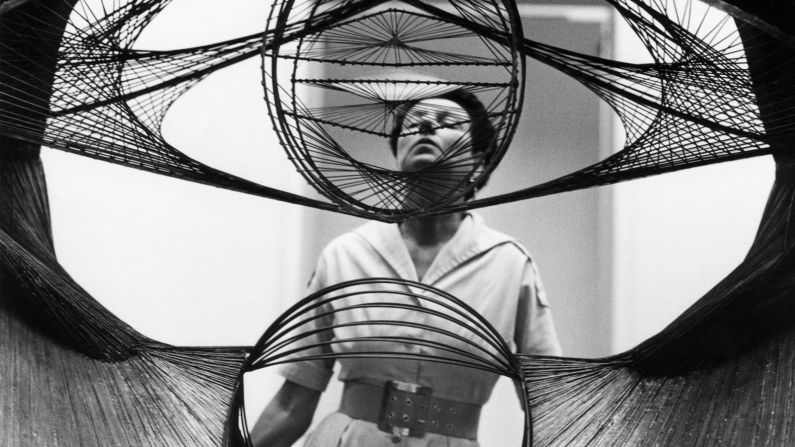
The life of socialite and prestigious art collector Peggy Guggenheim is being re-examined in new film "Peggy Guggenheim: Art Addict." Using interviews with Guggenheim's friends and contemporaries, and newly rediscovered recordings of Peggt herself, documentary maker Lisa Immordino Vreeland has provided fresh insight into the life of one of the twentieth century's most colorful and outrageous characters.
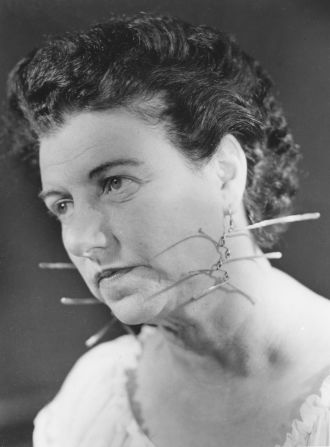
Roloff Beny/Courtesy of National Archives of Canada
Peggy Guggenheim wearing a pair of earrings made for her by Alexander Calder; 1950s. The daughter of Benjamin Guggenheim, she inherited a not inconsiderable sum of money after the death of her father aboard the Titanic, using some of it to travel to Paris, where she began investing in Modern art.
Solomon R. Guggenheim Foundation/Photo Archivio
The socialite described herself as "the black sheep" of the family, and spend many years in the headlines, the subject of much speculation regarding private affairs -- something she was far from shy about, revealing all in memoirs throughout her life.
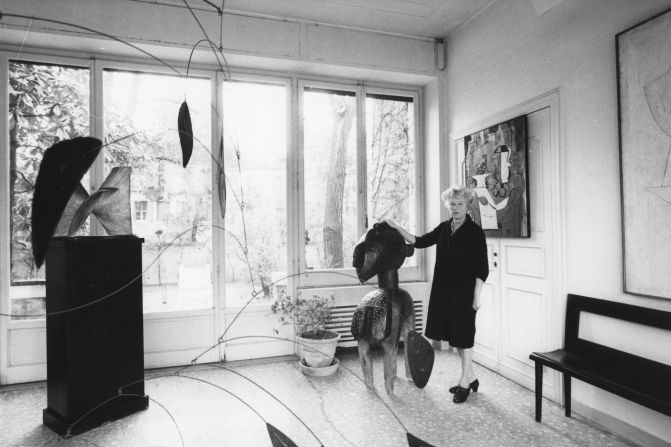
Solomon R. Guggenheim Foundation/Photo Archivio
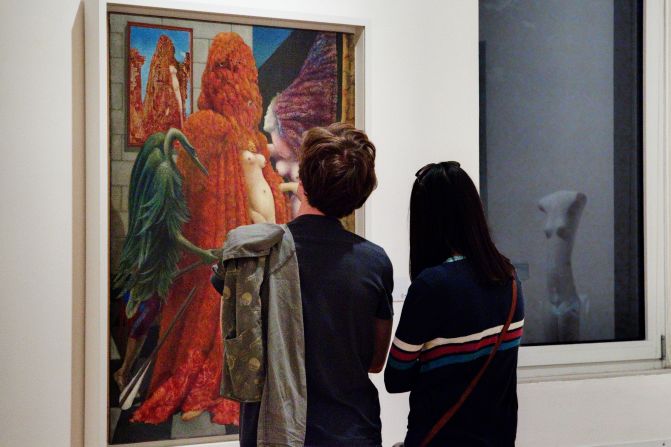
Guggenheim befriended the Parisian artistic community, many of them emigres from America and across Europe, and began hosting their work at Guggenheim Jeune, her gallery in London.
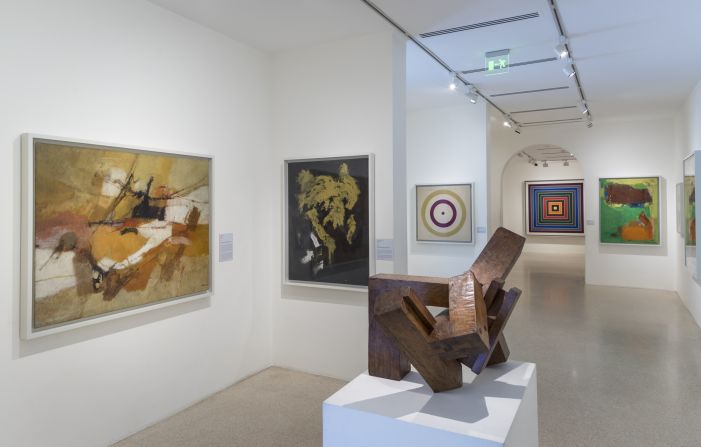
Peggy Guggenheim Collection, Venice/David Head
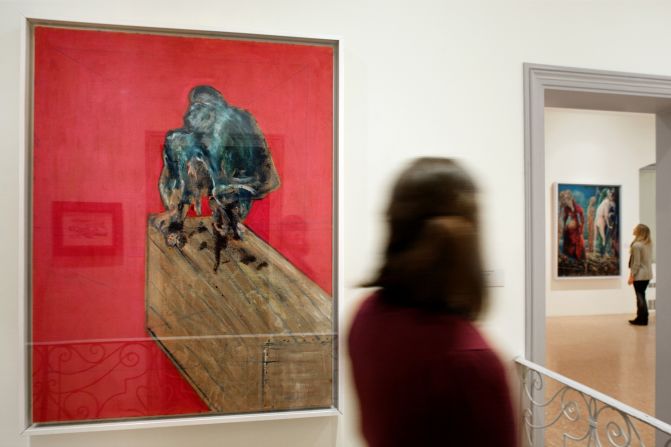
Her first venture was short lived. Despite curation from the likes of Duchamp, the radical art failed to sell in many cases, and Guggenheim took to buying some of the works she exhibited, sometimes out of pity for the artists.
The artworks she began to purchase, encouraged by playwright and one-time lover Samuel Beckett, became the nucleus of her collection. She paid $40,000 in total at the time, however today their valuation is in the billions.
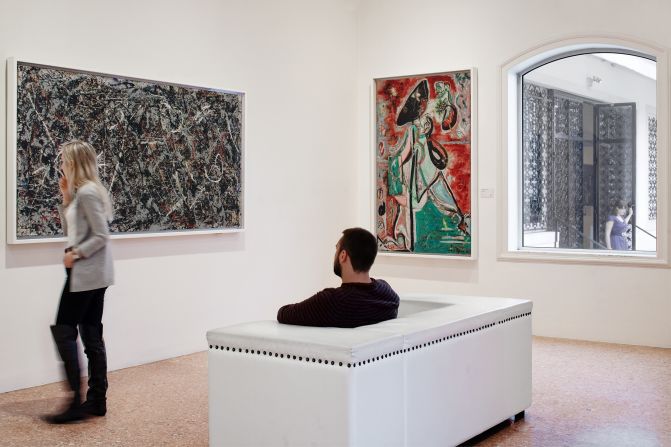
Guggenheim claimed that her greatest achievement -- even beyond her own collection -- was the discovery of Jackson Pollock, flag-bearer of New Expressionism. She was first unsure of the audacious and unconventional artist, but was convinced of his merits by Mondrian, according to Max Ernst's son Jimmy.
The collector was known to have had many lovers, and once even pursued an affair with sculptor Constantin Brancusi in an attempt to acquire one of his works at a discount.
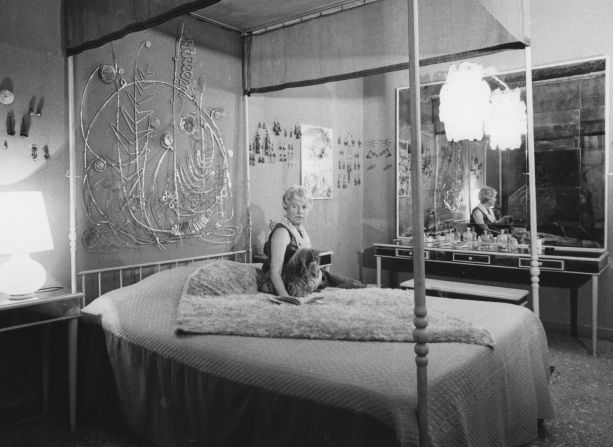
Solomon R. Guggenheim Foundation/Photo Archivio
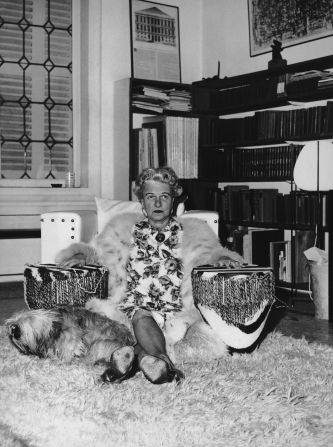
In her later years her dogs became center of attention, seen here in Venice. Guggenheim would go on to have her ashes buried along with 14 of her pets.
Keystone Features/Hulton Archive/Getty Images
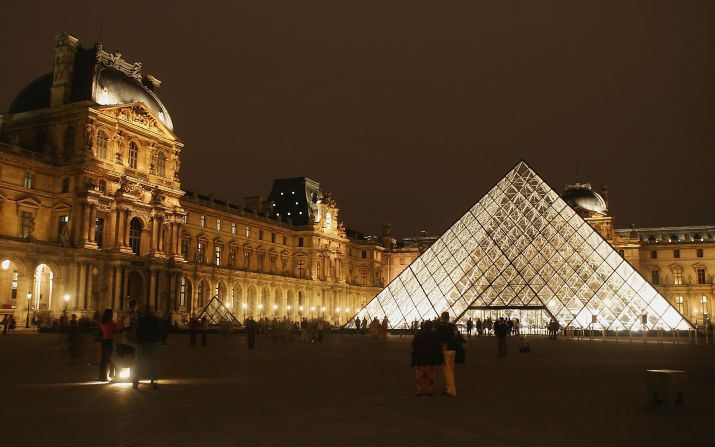
At one point Guggenheim was in Paris, buying modern art with abandon in the run up to World War II. As the Germans advanced on the capital, Guggenheim turned to The Louvre, hoping they would keep her collection safe from the Nazis. Astonishingly, the museum told her the artworks were not worth saving.
Pascal Le Segretain/Getty Images Europe/Getty Images
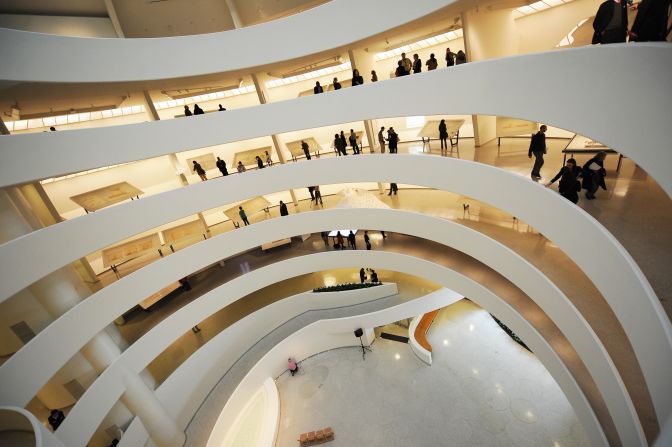
Guggenheim often felt she was in an uneasy rivalry with her uncle Solomon, owner of the Guggenheim gallery in New York. Peggy would dub his establishment "the garage," and despite earlier misgivings, in her later years agreed that her collection should fall under the custodianship of her uncle's foundation.
STAN HONDA/AFP/AFP/Getty Images
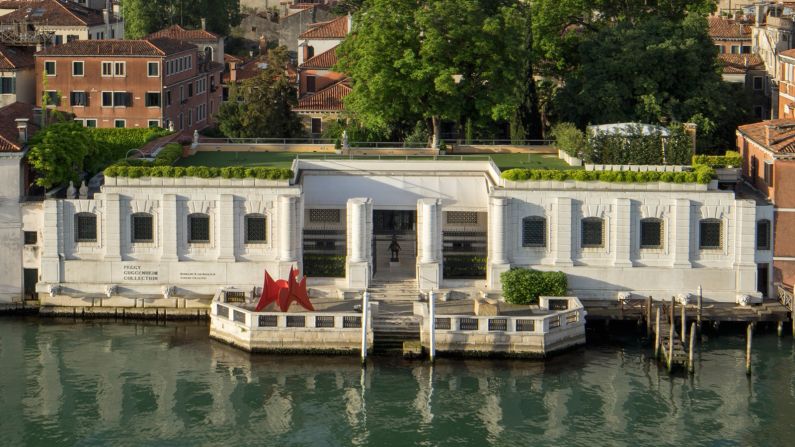
Her collection, which hung in her Venice palazzo, is now maintained by the Solomon Guggenheim Foundation in the building that was once her home. It has attracted millions of visitors since her death in 1979, drawn to its idyllic and suitably unconventional setting.