Most distinctive buildings on UNESCO’s list of World Heritage Sites | CNN
Thank You!
Your effort and contribution in providing this feedback is much
appreciated.
Close
Ad Feedback
The most distinctive buildings on UNESCO’s list of World Heritage Sites
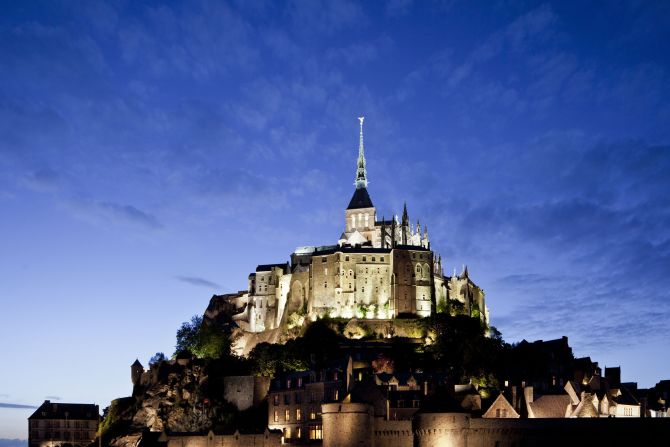
Mont Saint-Michel (France) —
On the coast of Normandy, this fortified village built in the shadow of a Gothic-style Benedictine abbey appears to float on the ocean at high tide. Despite its seemingly unstable sandbank foundations, the picturesque village has survived since the 11th century.
T Houyel
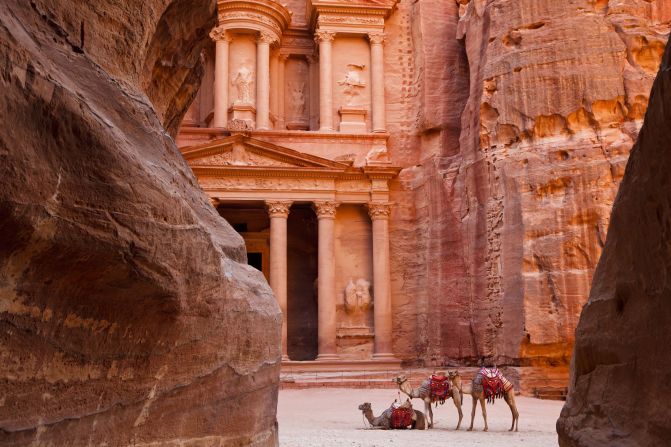
Petra (Jordan) —
Between the Dead Sea and the Red Sea, Petra was the capital of the Nabataean caravanning kingdom from around the 6th century BC. Abandoned in the 2nd century AD after an earthquake, the desert city carved from rose-red limestone is one of the world's most important archaeological sites.
Jordan Tourism Board
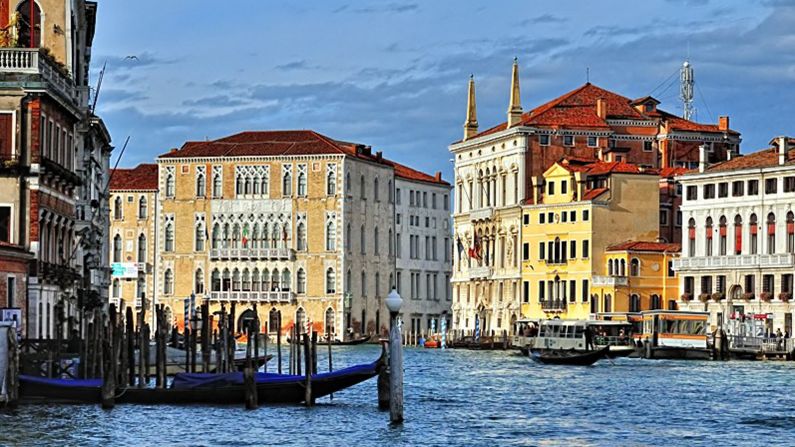
Venice and its lagoon (Italy) —
Founded in the 5th century and spread over 118 small islands, Venice is an architectural masterpiece in which even the smallest buildings contain works by some of the world's greatest artists. Italy has the most World Heritage Sites of any nation (47).
Steen Heilesen
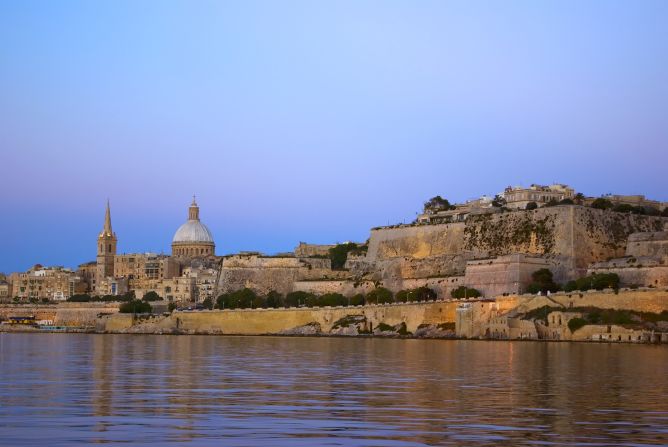
Valletta (Malta) —
Ruled successively by various ancient empires, Valletta is one of the world's rare urban inhabited sites that's been preserved near perfectly. The tiny peninsula contains 320 monuments, making it one of the most concentrated historic areas in the world.
Clive Vella
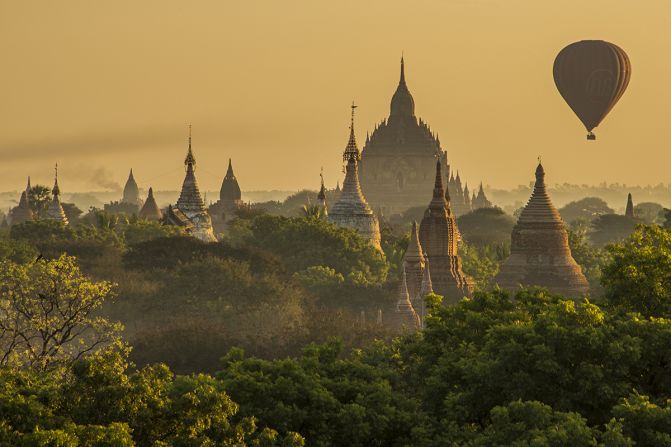
Bagan (Myanmar) —
It's still on the tentative list of sites to be brought into the UNESCO fold. But as Myanmar's tourism industry expands, Bagan's profile is gaining prominence. The capital city of the first Myanmar Kingdom, this enormous Buddhist complex contains more than 2,500 intricate monuments dating to the 10th century.
Martien Jansse
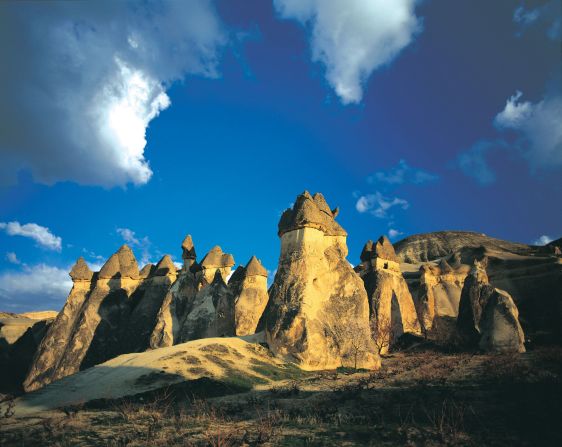
Goreme National Park and Cappadocia (Turkey) —
Sculpted by erosion, the Goreme valley and its surroundings contain rock-hewn sanctuaries that provide unique evidence of Byzantine art in the post-Iconoclastic period. Underground towns dating to the 4th century can be observed.
Turkish Culture and Tourism Office
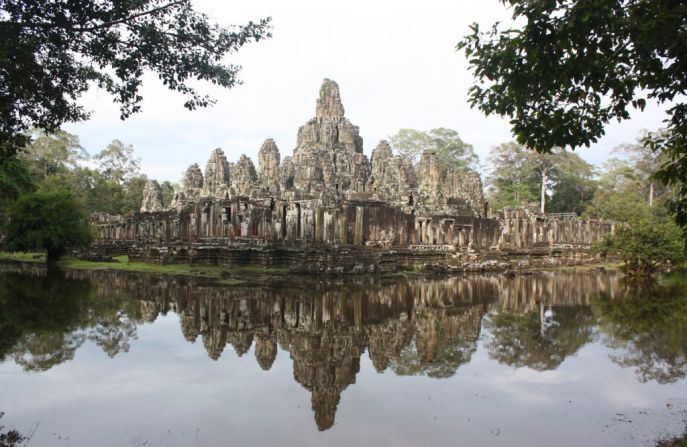
Angkor (Cambodia) —
Scattered between the twisting roots of the Cambodian jungle, this site dedicated to the Hindu god Vishnu contains the remains of Khmer Empire capitals dating from the 9th to the 15th centuries. Among the most famous of its 100-strong group of monuments is the Temple of Angkor Wat and, at Angkor Thom, the sculptural Bayon Temple.
Barney Smith
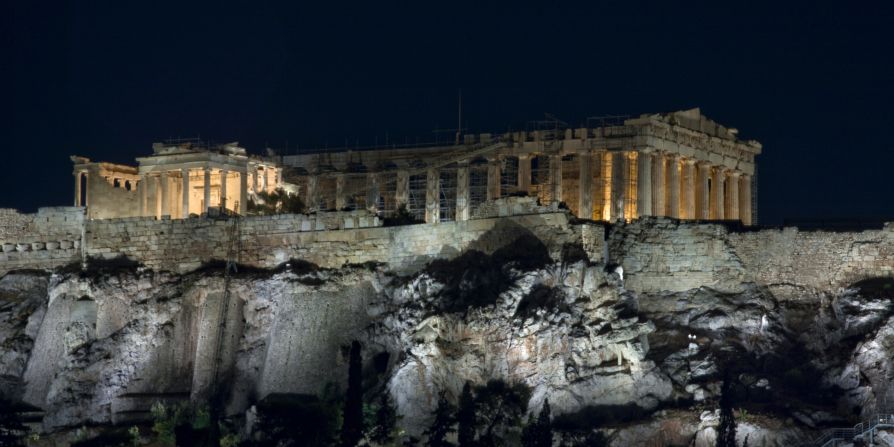
Acropolis (Greece) —
Looming over Athens, this Grecian citadel was built in the 5th century BC and continually beautified through the years. Despite being pillaged by everyone from the Byzantines to the Venetians, the site still provides insight into Greek mythology.
City of Athens Development and Destination Management Agency
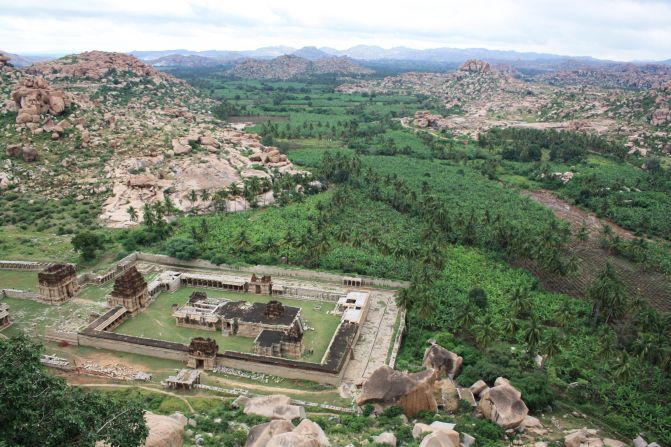
Hampi (India) —
Located between emerald banana plantations in eastern Karnataka, the enormous group of monuments that comprise the former capital of the last great Hindu kingdom of Vijayanagara date to the 14th century.
sarah reid/cnn
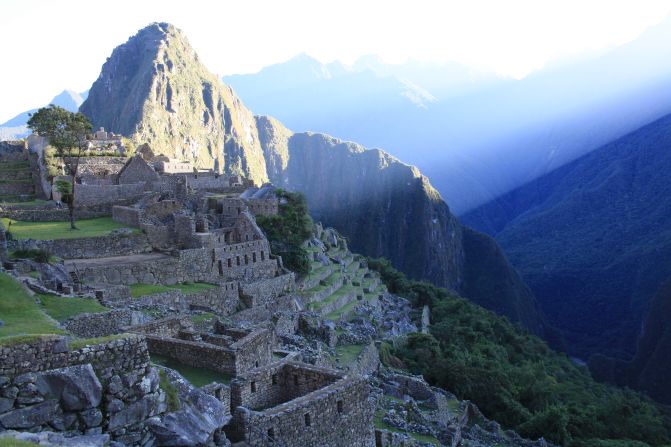
Machu Picchu (Peru) —
The sites that comprise Cusco's Sacred City are spectacular in their own right, but nothing prepares a visitor for sunrise over the Incan city of Machu Picchu. At 2,430 meters above sea level, in the midst of a tropical mountain forest, the 15th-century settlement was among the few Inca sites that wasn't plundered by Spanish invaders.
Sarah reid/cnn
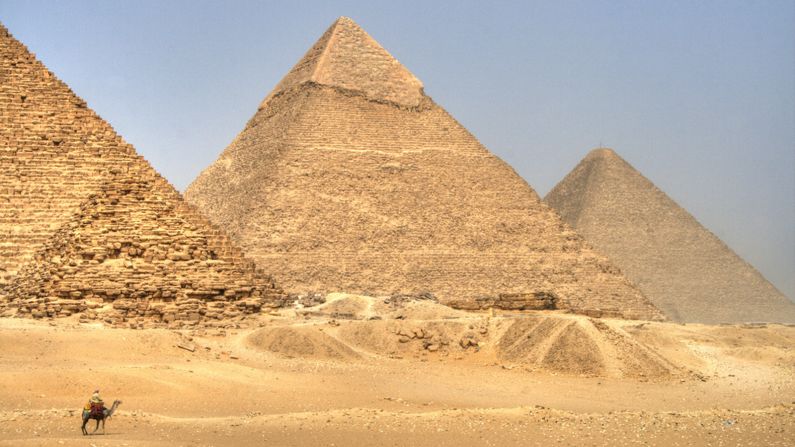
Pyramids of Giza (Egypt) —
Comprising the Pyramid fields from Giza to Dahshur, including the majestic Great Sphinx, the Old Kingdom of Egypt was considered one of the seven wonders of the world in Hellenistic times.
Jake Haggmark
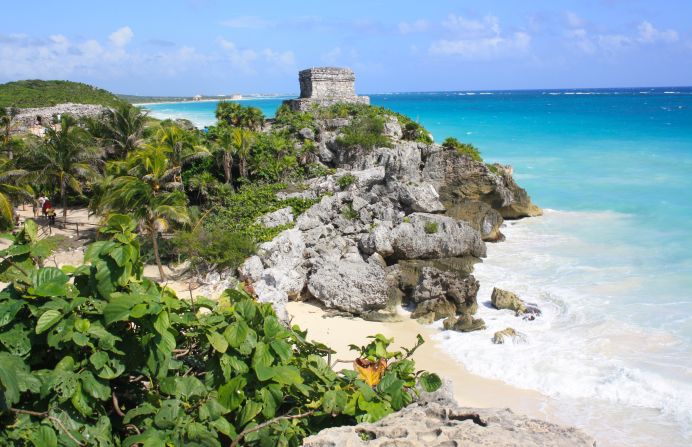
Tulum (Mexico) —
Idyllically situated on a rocky cliff facing the turquoise waters of the Caribbean Sea, Tulum was one of the last cities built and inhabited by the Mayans, managing to survive around 70 years after the Spanish began occupying Mexico in the early 16th century.