What lies beneath: Sunken church emerges from water | CNN
Thank You!
Your effort and contribution in providing this feedback is much
appreciated.
Close
Ad Feedback
What lies beneath: Sunken church emerges from water
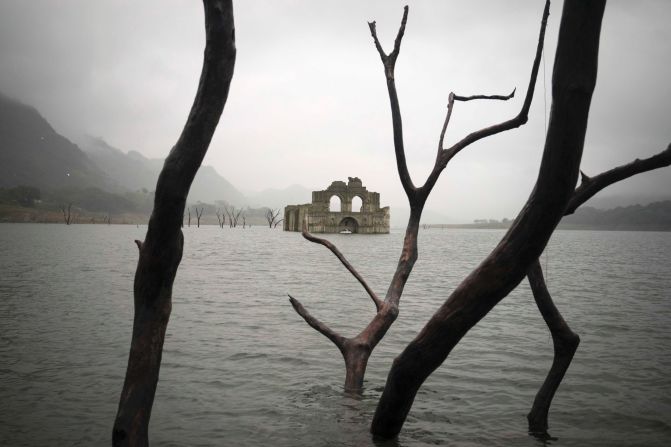
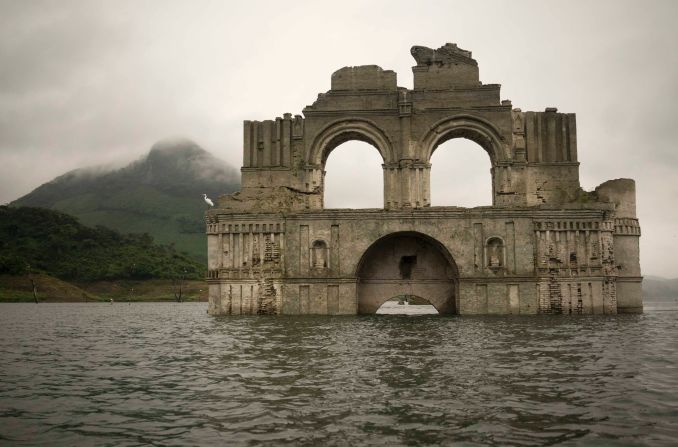
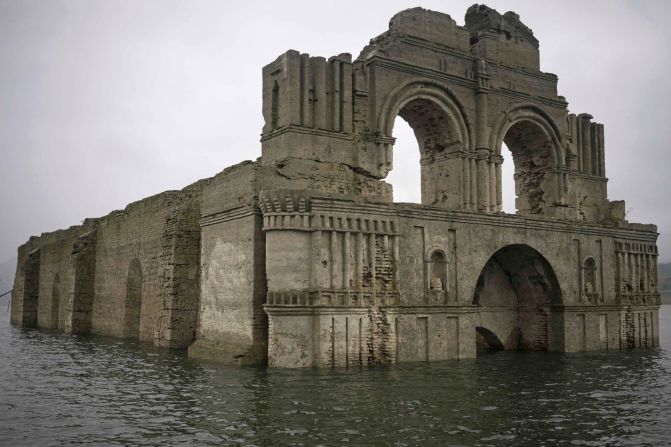
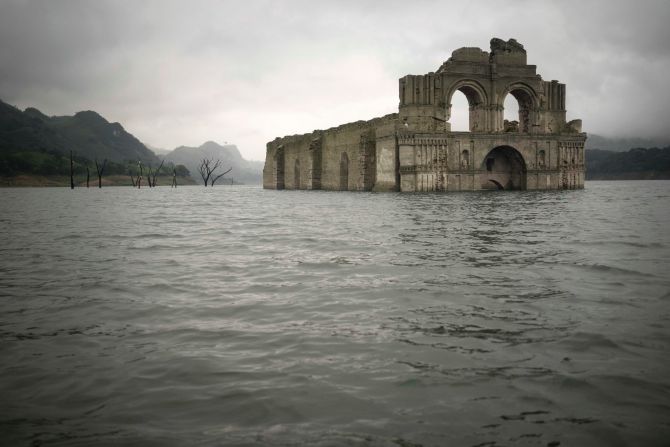
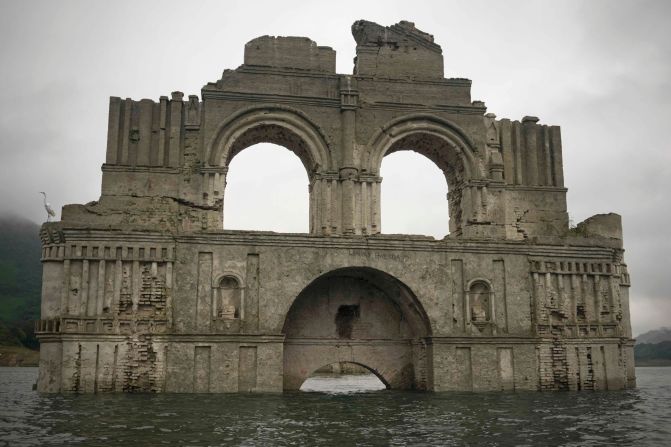
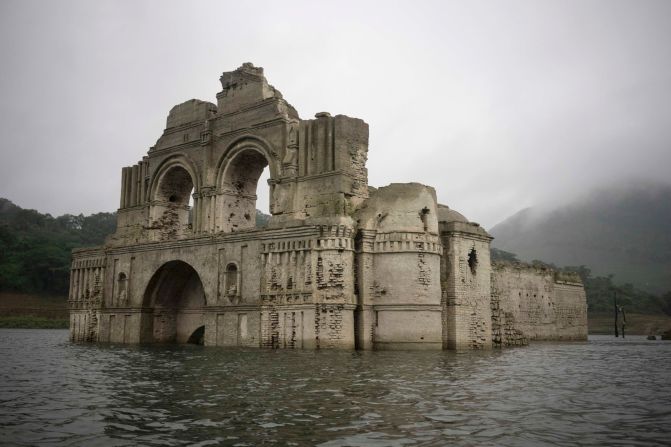
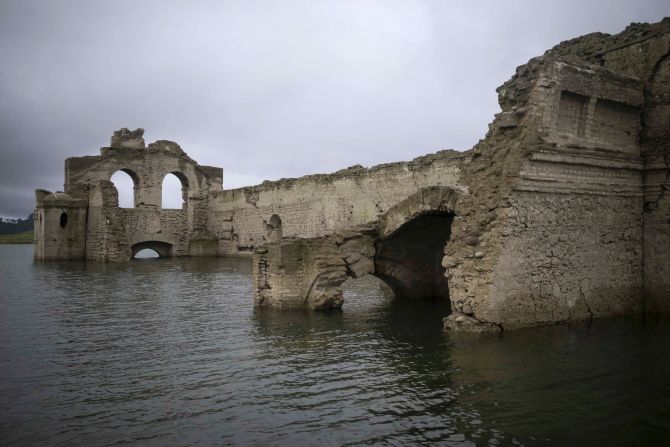
The water levels of a reservoir in Mexico have subsided to reveal the remains of an ancient church: the Temple of Santiago, also known as the Temple of Quechula.
David von Blohn/AP
The church was built by monks who were headed by Bartolome de la Casas, a Dominican Friar.
David von Blohn/AP
When the monks first arrived, the area was inhabited by the Zoque people, an indigenous group from Mexico.
David von Blohn/AP
According to Carlos Navarete -- an architect who worked with Mexican authorities to report on the structure -- the church was built under the assumption that the area would be highly populated. "It was a church built thinking that this could be a great population center, but it never achieved that."
David von Blohn/AP
Instead, the project was abandoned halfway through the building process. According to Navarete, this was due to the spread of the plague during 1773-1776.
David von Blohn/AP
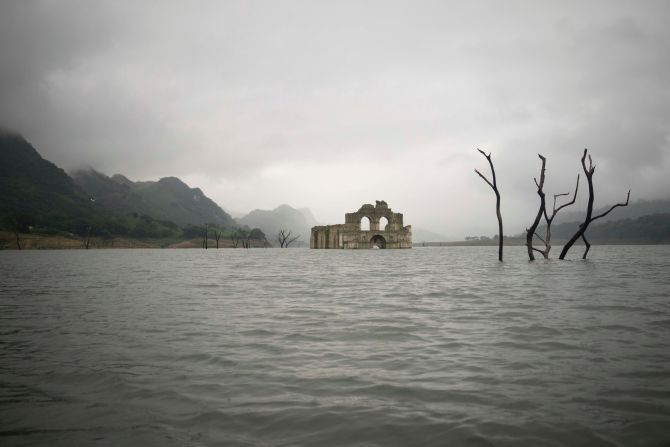
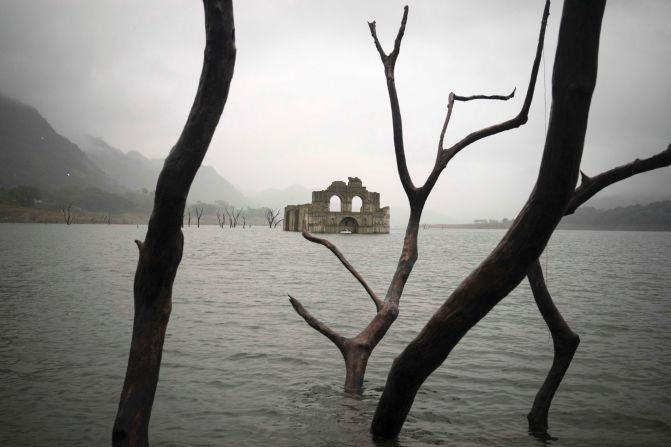
The area was then flooded in 1966 when a dam for the nearby Nezahualcoyotl reservoir was built.
David von Blohn/AP
Due to a recent drought in the area, water levels have dropped 82 feet, to reveal the underwater structure.
David von Blohn/AP
The church itself is 183 feet long and 42 feet wide, with walls as high as 30 feet. The church's bell tower is 48 meters above ground.
David von Blohn/AP
This is the second time a drop in the reservoir's water levels has revealed the temple since it was submerged in 1966. In 2002, the water levels dropped so low that visitors could easily walk inside the church.