How Luyanda Mpahlwa is using architecture to spark social change in South Africa
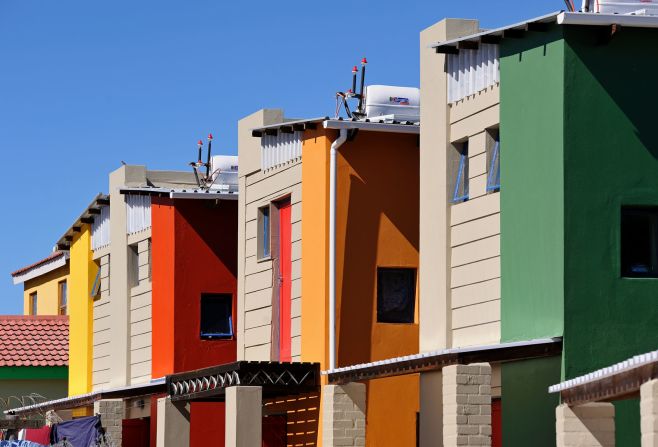
South African architect Luyanda Mpahlwa has been a key figure in the design world for more than three decades. With his own personal history of social activism, he incorporates inclusive design into his projects. Pictured: Mpahlwa's work for the 10x10 Indaba Housing Project in Cape Town's Mitchell's Plain Township, which won the US-based Curry Stone Design prize in 2008. The colorful design used indigenous building practices to keep costs low.
Wieland Gleich/Archigraphy
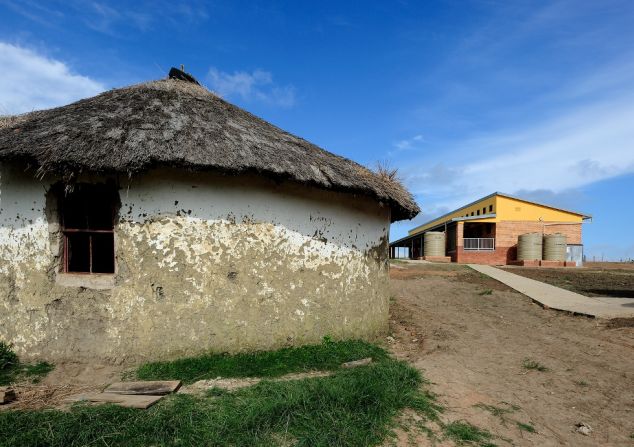
South Africa's Department of Basic Education handpicked Mpahlwa's firm to lead the "50 Schools in 50 Weeks" initiative in the Eastern Cape, aimed at addressing inadequate school facilities in the region. Pictured here, the previous structure is visible in the foreground, with Mpahlwa's updated building in the background.
Wieland Gleich
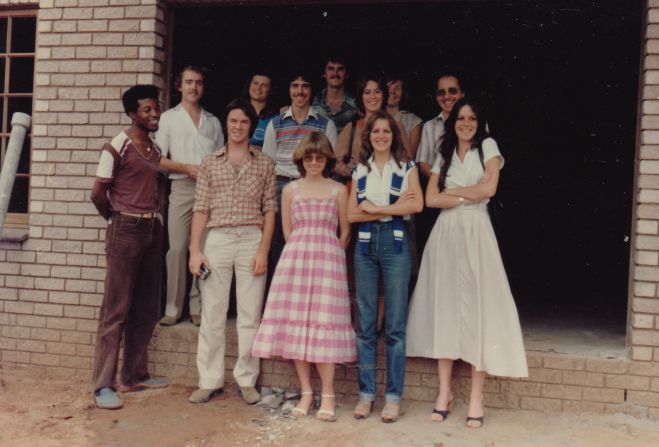
During apartheid, Mpahlwa had to obtain a permit from the South African Minister of Education to study architecture at a White-only school. He is pictured here as the only Black student in his class at Technikon Natal (now the Durban University of Technology) in 1980.
Luyanda Mpahlwa
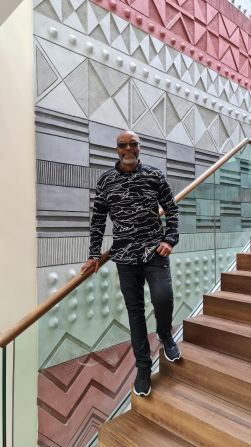
After spending five years imprisoned at Robben Island for "anti-apartheid activities," Mpahlwa ended up in exile in Berlin, Germany, where he earned a master's degree in architecture. His first big project was the South African Embassy in Berlin -- an opportunity to highlight aesthetics from his home nation. Mpahlwa won the 2006 South African Institute of Architects Corobrik Award of Excellence for the building's inclusive design, which used stone, wood and metal sourced from South Africa. Pictured: Mpahlwa during a visit to the embassy in 2022.
Luyanda Mpahlwa
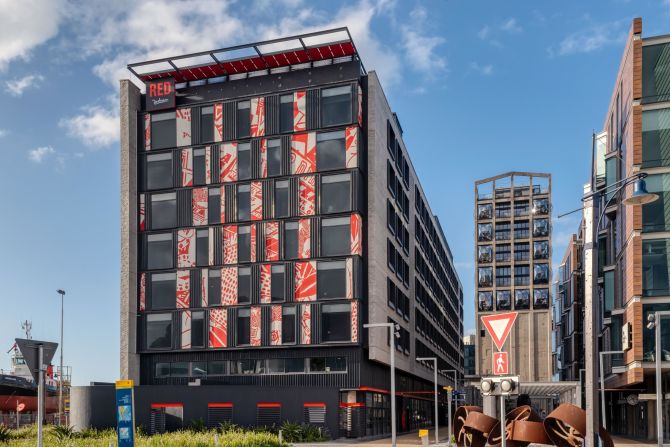
Mpahlwa became the founder and director of the award-winning, Cape Town-based architecture firm Design Network, formerly DesignSpaceAfrica. In addition to social projects, the firm also designs commercial buildings, including the Radisson RED (pictured), a hotel in Cape Town.
Radisson RED Cape Town, V&A Waterfront
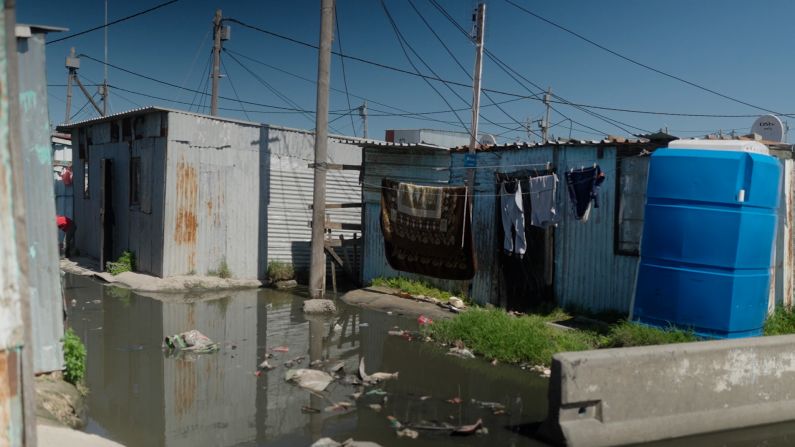
Mpahlwa's latest work has sent him to an informal settlement called Kosovo in Philippi Township, just outside of Cape Town. The project calls for the relocation of around 15,000 people from unsafe shacks like these into more stable, affordable housing.
Bruce Buttery/CNN
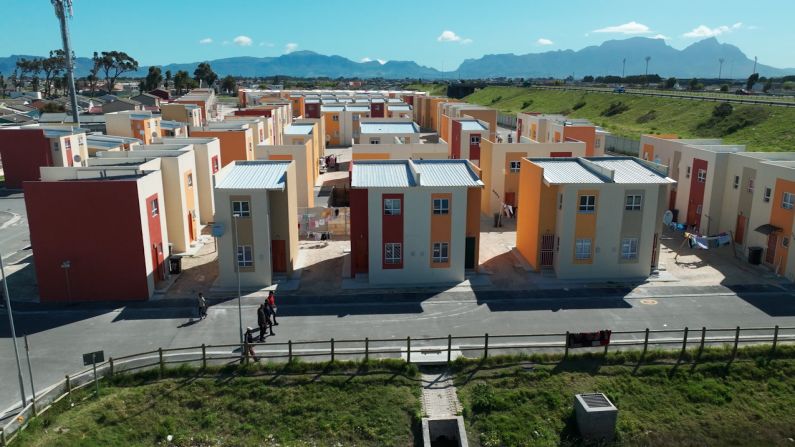
Since 2016, Mpahlwa and his team have built 400 upgraded homes to relocate residents to better housing in the Kosovo Informal Settlement, but the project has faced intermittent delays from the Covid-19 pandemic and zoning disputes.