Your effort and contribution in providing this feedback is much
appreciated.
Close
Ad Feedback
How architects rebuilt post-war Japan
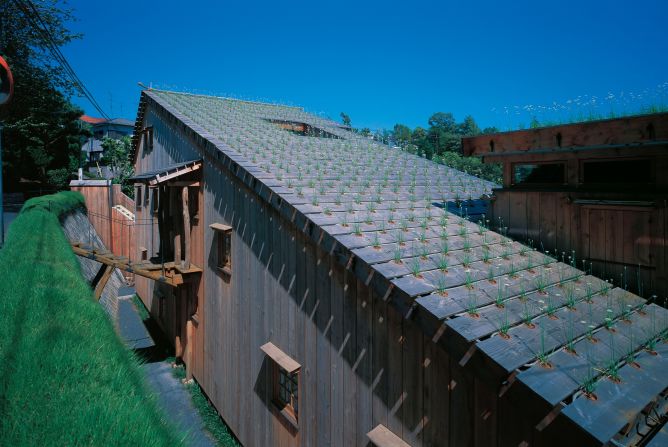
Leek House (1997) by Terunobu Fujimori —
This is a fine example of Terunobu Fujimori's 'greening architecture,' where he interweaves the natural with the man-made. This house, designed for conceptual artist Genpei Akasegawa, has Chinese leeks growing on its roof.
Photo by Akihisa Masuda
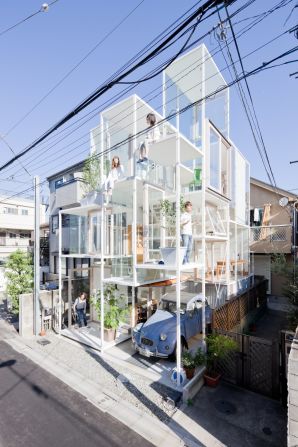
House NA (2011) by Sou Fujimoto —
House NA is formed as a series of platforms that interconnect to create a very flexible home where a floor can become a table or a step becomes a seat.
Iwan Baan
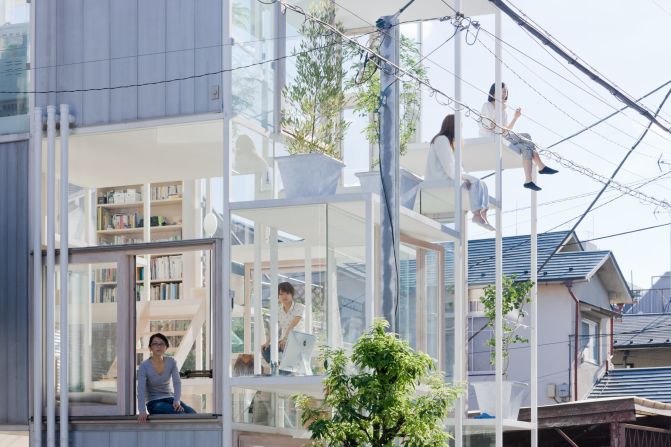
House NA (2011) by Sou Fujimoto —
The inner-city home has no internal walls and is encased entirely in glass, breaking the traditional boundary between the home and the outside world.
Iwan Baan
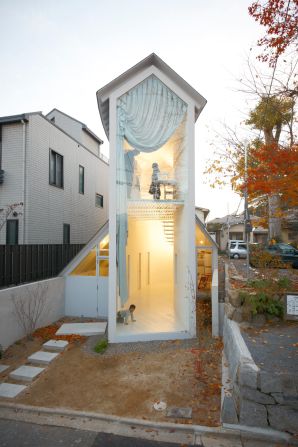
O House (2009) by Hideyuki Nakayama —
If this looks like a house that kids would draw, that's because it is. Nakayama starts his projects with a cartoon on paper. But don't be fooled by its childlike qualities, this shape also cleverly overcomes the problem of its deep, narrow site in Kyoto.
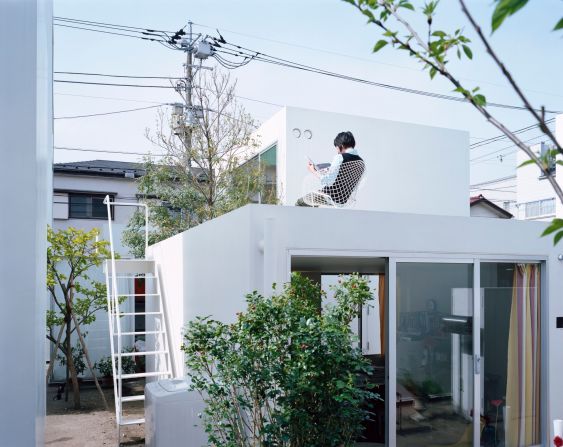
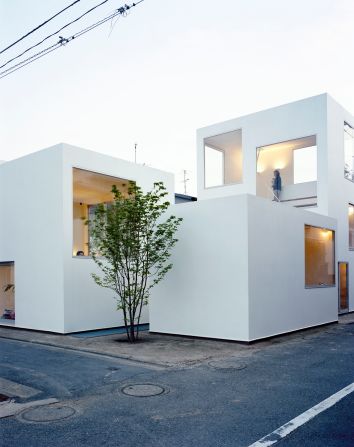
The Moriyama House is widely seen as one of the most groundbreaking homes built in the 21st century for the way it has separate units -- most simply small rooms -- interweaving with the gardens outside creating a sense of community in the city center.
To move from one of the 10 units to the other, residents must pass through the outside space, which is on the same level as the street beyond. To get an idea of this revolutionary concept, a full-scale model of the house has been recreated in the Barbican Art Gallery.
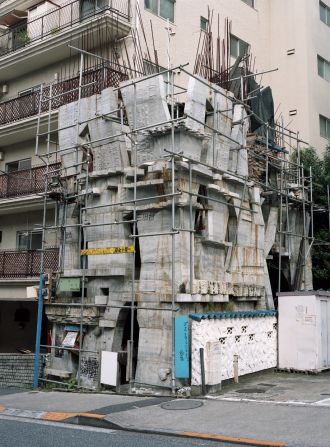
Arimaston Building (2005-present) by Keisuke Oka —
This house in Tokyo has been in construction since 2005 and the end is no way near in sight. Architect Keisuke Oka does all the building himself, and sees the slow process as comparable to tending to a bonsai tree.
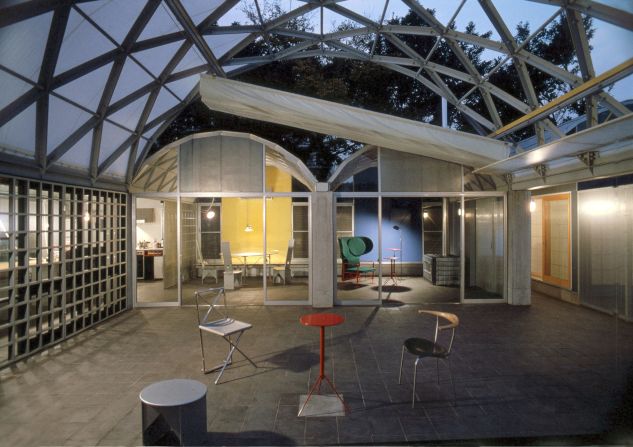
This was the residence that Toyo Ito built for himself, with a series of living spaces and courtyards under domed roofs and metal frames. The chaotic disjointed nature of the building is seen to reflect the chaotic nature of the 1980s in Japan.
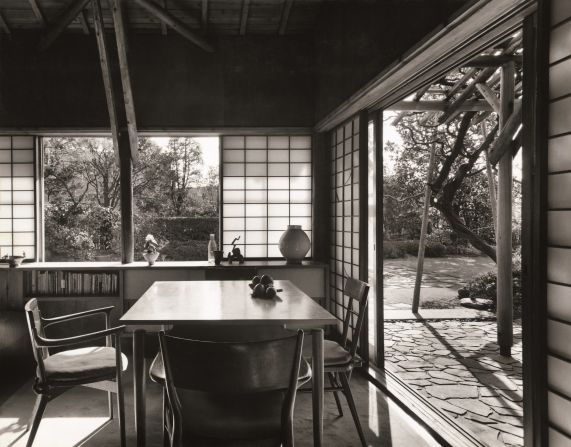
Raymond House and Studio (1951) by Antonin Raymond —
Czech-born American architect Antonin Raymond and his wife Noémi designed this house in Tokyo, incorporating Japanese minimalism, carpentry and paper-screens. Like many masterpieces in Japan, it has since been demolished.
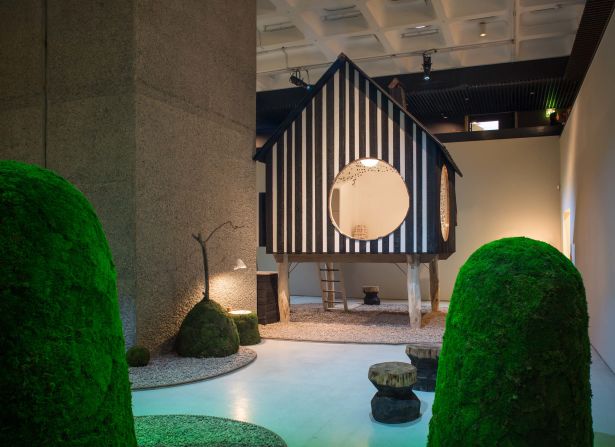
Installation view at The Barbican Art Gallery (2017) —
The Barbican Art Gallery show features two full-scale houses, including this teahouse by Terunobu Fujimori and accompanying garden. It will show the harmonious relationship between construction and the natural world in Japan.