Your effort and contribution in providing this feedback is much
appreciated.
Close
Ad Feedback
Surreal scenes from the Master’s psyche: Hieronymus Bosch 500 years after his death
500 years after his death, Hieronymus Bosch (1450 - 1516) is being honored with the most comprehensive retrospective of his works yet. Take a tour...
BRCP - Rik Klein Gotink
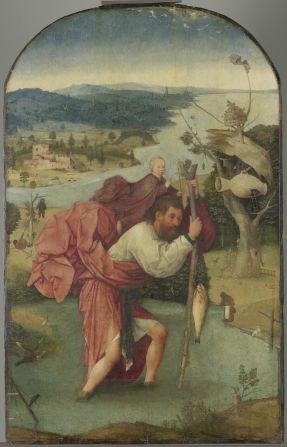
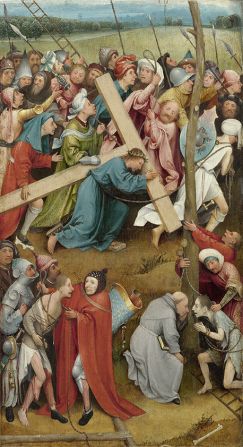
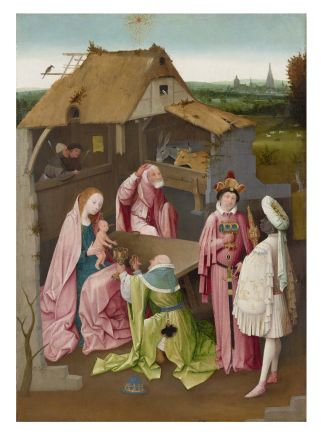
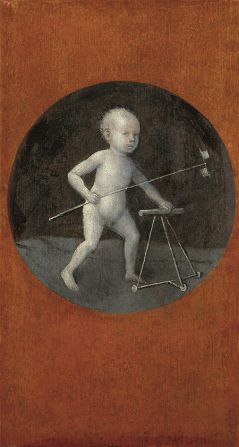
Of his surviving 25 paintings and 25 drawings, Noordbrabants Museum has borrowed 20 paintings and 19 drawings.
BRCP - Rik Klein Gotink
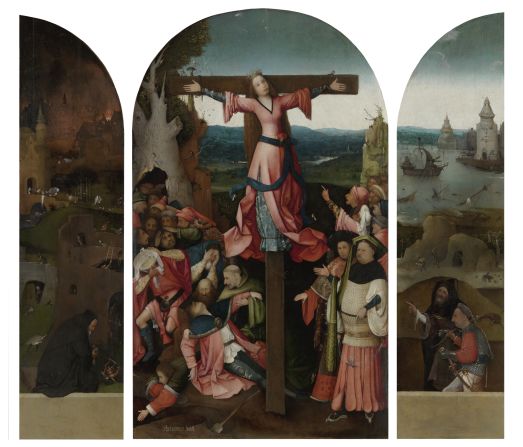
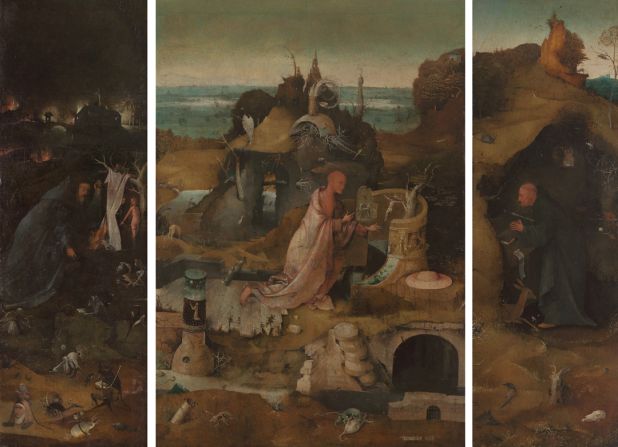
The surviving works -- including this Saint Wilgefortis Triptych -- present Bosch's wildly imaginative and often unnerving vision.
BRCP - Rik Klein Gotink
While his most famous work "The Garden of Earthly Delights" is absent, visitors see the full range of Bosch's surreal imagination.
BRCP - Rik Klein Gotink
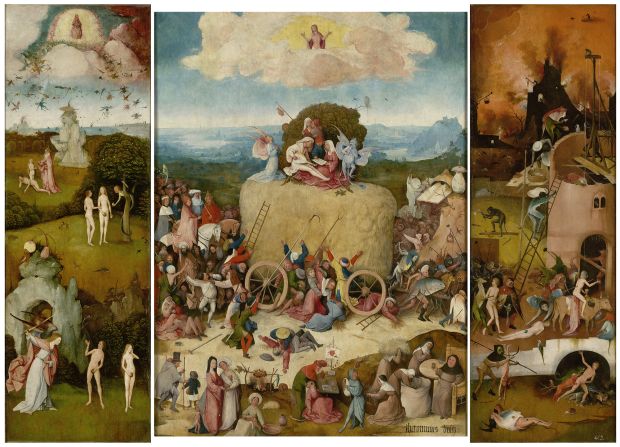
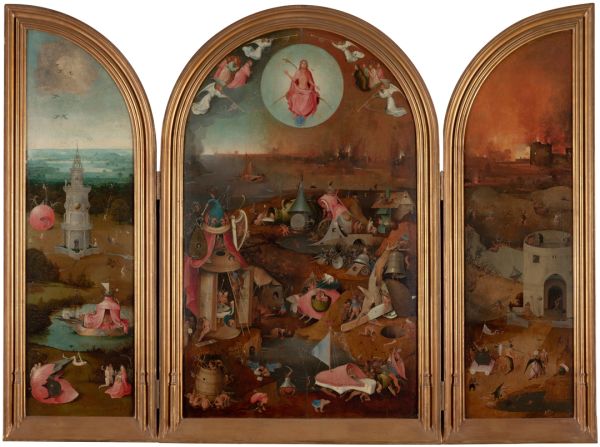
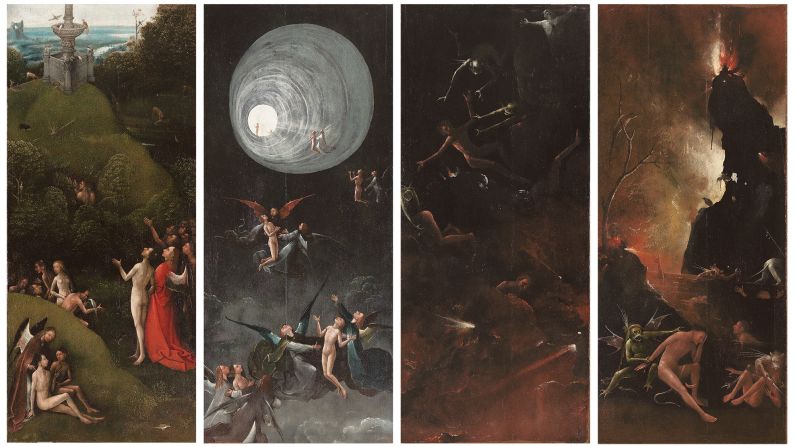
Bosch is best known for his depictions of heaven and hell, often featuring strange creatures and tortured humans.
BRCP - Rik Klein Gotink
Here, humans are seen ascending to heaven (left) and falling to hell (right).
BRCP - Rik Klein Gotink
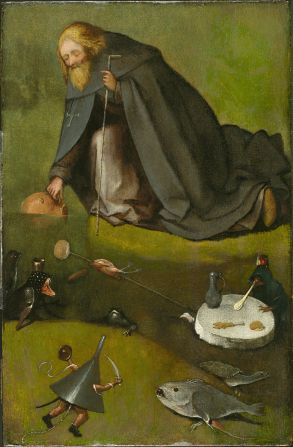
Interpretations of many scenes depicted by Bosch vary hugely.
Rik Klein Gotink/Bosch Research and Conservation Project
Noordbrabants Museum director Charles de Mooij prefers not to speculate on the psychology behind the images.
BRCP - Rik Klein Gotink
Bosch has been called "the first surrealist" -- acknowledging his influence on Dali and Magritte many centuries later.
BRCP - Rik Klein Gotink
Creative minds from Francis Bacon and George Lucas, to The Chapman Brothers and thriller writer Michael Connelly have been influenced by Bosch.
BRCP - Rik Klein Gotink
Bosch was a devout Christian and intended for the painting to be conversation pieces.
BRCP - Rik Klein Gotink
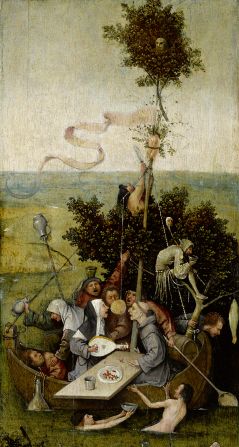
A contemporary collector called the images "a satire in paint on the sins of men."
BRCP - Rik Klein Gotink
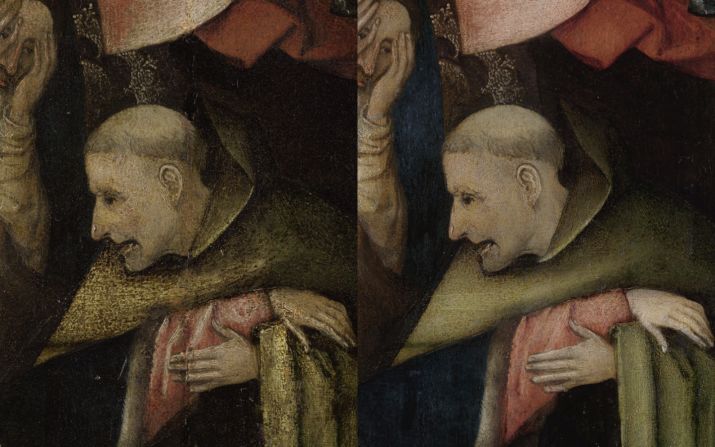
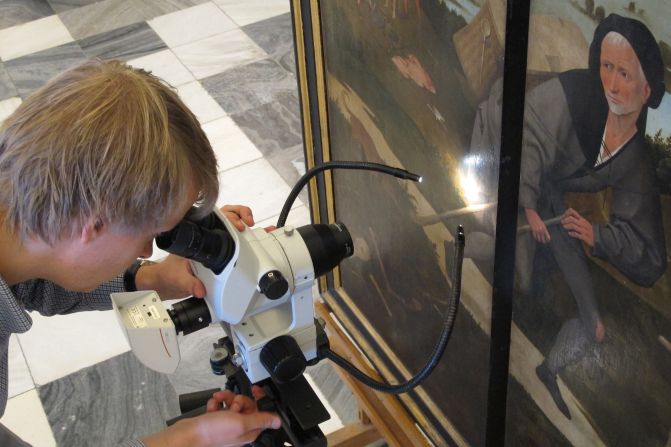
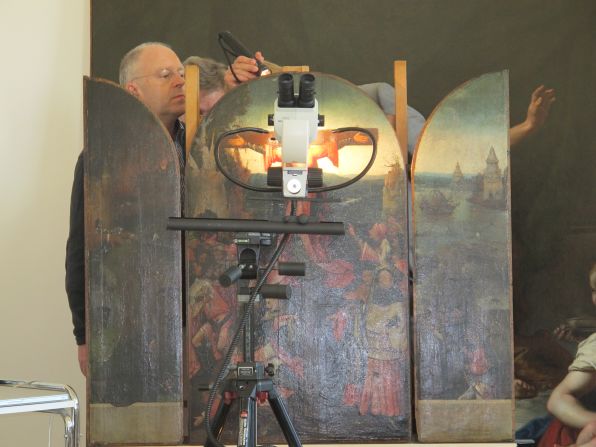
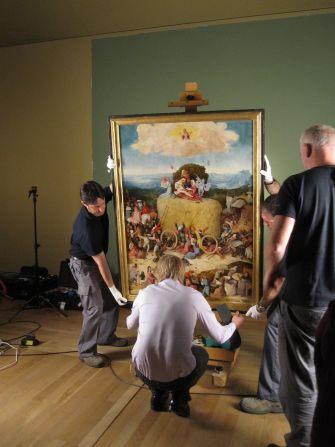
The works on display have been extensively investigated and restored.
BRCP - Rik Klein Gotink
The exhibition will mark the start of a research and conservation initiative focusing on Bosch's artistic legacy.
BRCP - Rik Klein Gotink
The exhibition has taken nine years of preparation.
BRCP - Rik Klein Gotink
Director Mooij began to visit the relevant museums in the United States and Europe in 2008, to invite them to collaborate on the Bosch Research and Conservation Project.
BRCP - Rik Klein Gotink
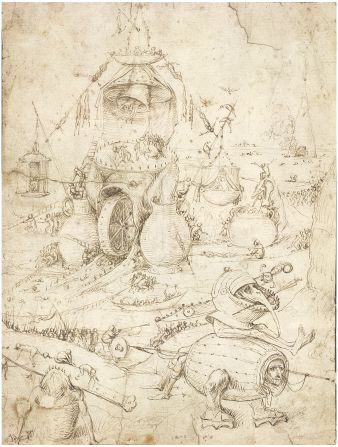
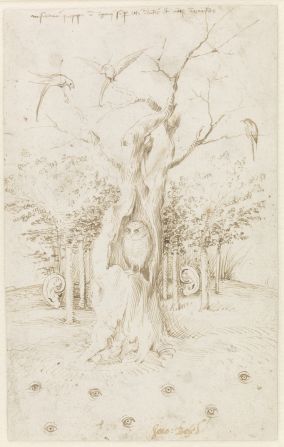
The exhibition includes the majority of Bosch's surviving drawings.
BRCP - Rik Klein Gotink
The exhibition last until May 8th, when it will move to the Prado in Madrid where it will join '"The Garden of Earthly Delights."