Your effort and contribution in providing this feedback is much
appreciated.
Close
Ad Feedback
Germany’s indestructible WWII bunkers
Wohnen im Bunker, Cologne —
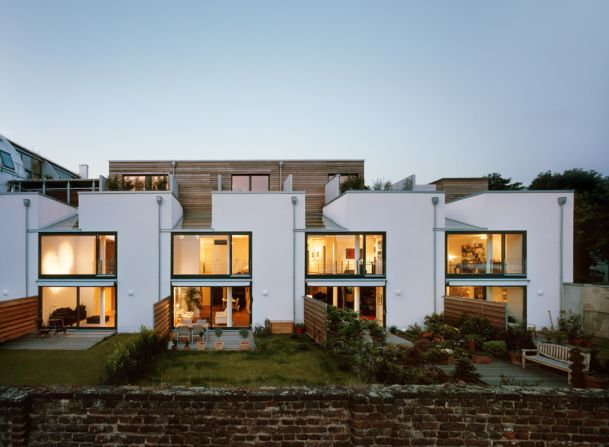
This above-ground WWII bunker was transformed from a grotty, graffiti-splattered structure in Cologne into a desirable housing complex by Luczak Architekten. The 17 loft-style apartments feature large windows and terraces, as well as flexible floor plans, internal atriums and gardens.
Constantin Meyer, Köln
Cultural Cargo Dock, Frankfurt —
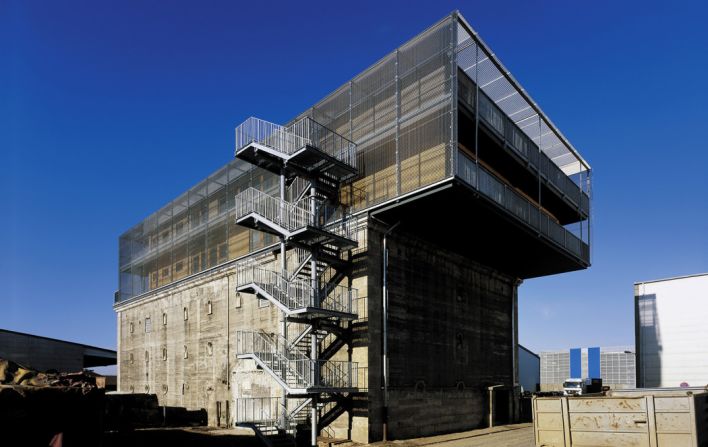
What to do with a bunker that's too expensive to bulldoze but not near a residential neighborhood? Index Architekten hit on the idea of creating a large wooden box atop the WWII building. It houses artists' studios and the Institute for New Media.
Courtesy The Spaces
Sammlung Boros, Berlin —
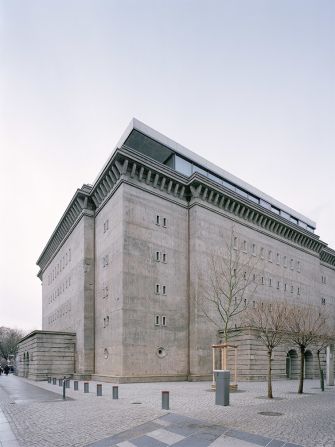
Architectural firm Realarchitektur did a stellar job transforming this air-raid shelter into a gallery showcasing the private art collection of advertising mogul Christian Boros. Originally constructed to shelter around 3,000 people, it now hosts around 3,000 sq m of exhibition space, plus a 500 sq m rooftop extension where Boros and his family reside.
Courtesy The Spaces
Residential Housing, Bremen —
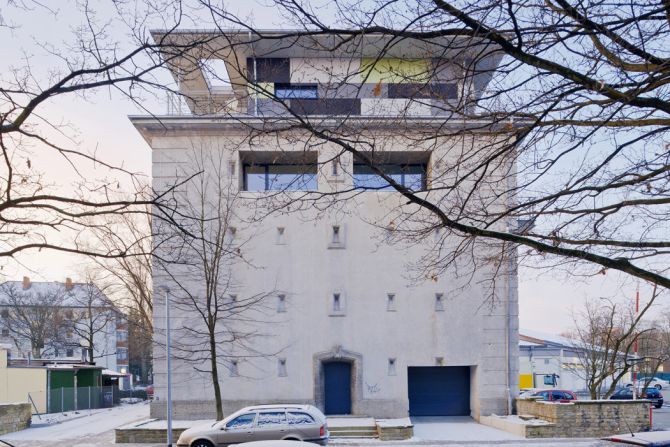
These air-raid-shelters-turned-residences are the brainchild of architect Rainer Mielke, who lives in one himself. He has transformed another 13 or so into working or living spaces, which all differ vastly. One block of flats, for example, blends in neatly with nearby residences while another maintains a raw, concrete aesthetic.
Courtesy The Spaces
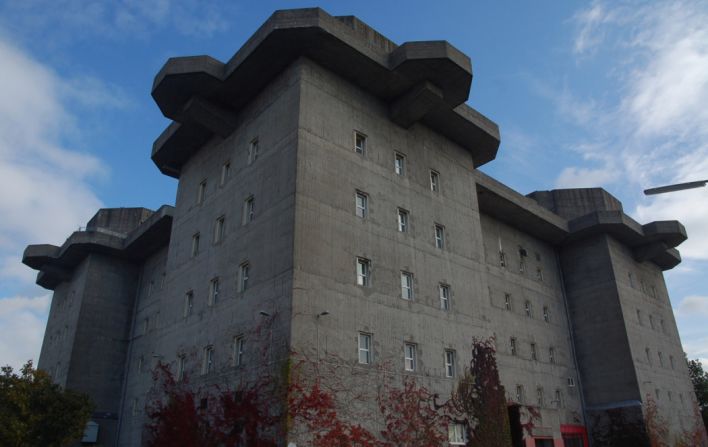
Übel & Gefährlich (Evil & Dangerous), Hamburg —
The six floors of this looming flak tower in Hamburg's St Pauli district have been neatly transformed turned into a creative complex that spans a radio station, music studios and one of Hamburg's best known electronic music clubs. Architects are currently planning a garden on top of the bunker.
Katja Ruge
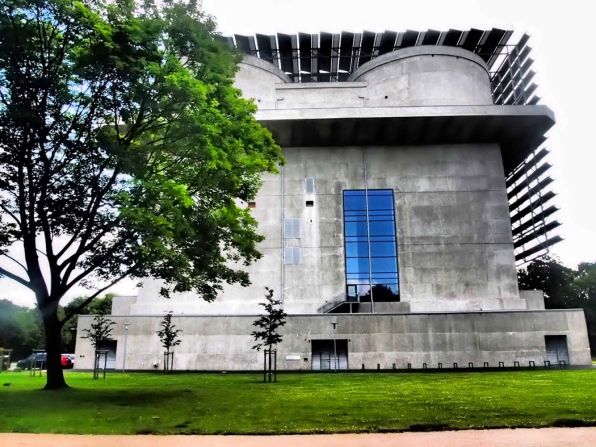
Energy Bunker, Hamburg —
This flak tower found a new purpose during the 2013 IBA Hamburg as a renewable energy plant. Once capable of sheltering around 30,000 people, the building now contains a heating and solar thermal system that supplies around 3,000 households throughout the Wilhelmsburg area. A rooftop café offers a suitably industrial interior and panoramic views.
Courtesy The Spaces
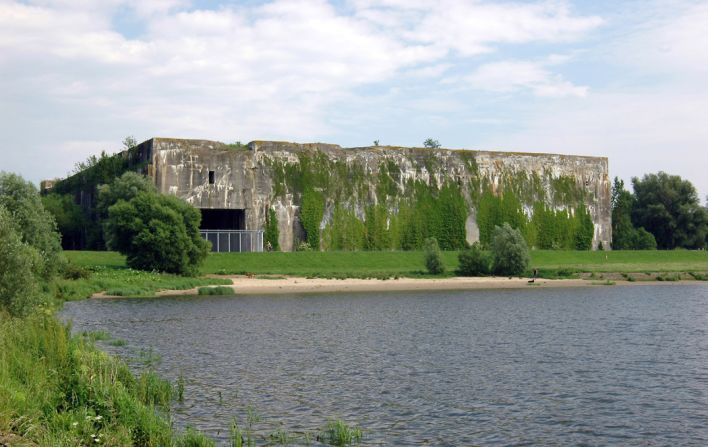
Bunker Valentin, Bremen —
Situated about 40 kilometers from the North Sea coast, this enormous WWII structure was built to house a submarine assembly plant. Despite around 2,000 forced laborers losing their lives here, not a single submarine was produced. Defunct for decades, it was turned into a memorial to the horrors and hubris of fascism in 2011.
Harald Schwörer, photein.de
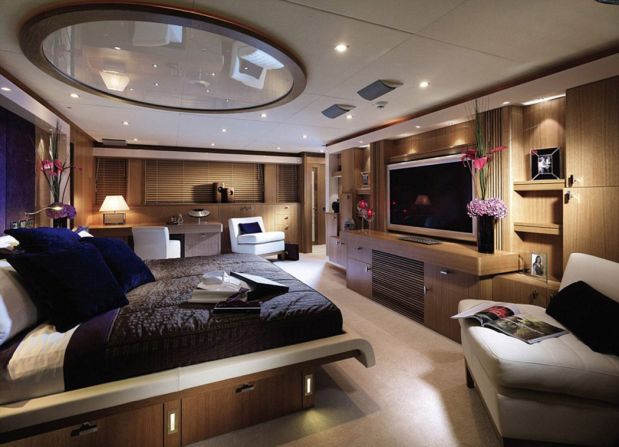
Vivos Europa One, Rothenstein —
This 76-acre Soviet bunker is one of Germany's largest repurposing projects. Capable of withstanding a nuclear blast, a direct plane crash or biological attack, it is being transformed into a series of 34 five-star apartments, starting at 2,500 sq ft, that aim to protect the super-rich from any forthcoming apocalypse.