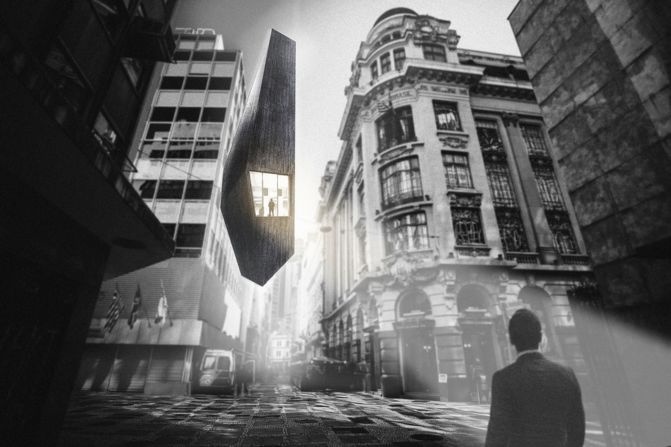
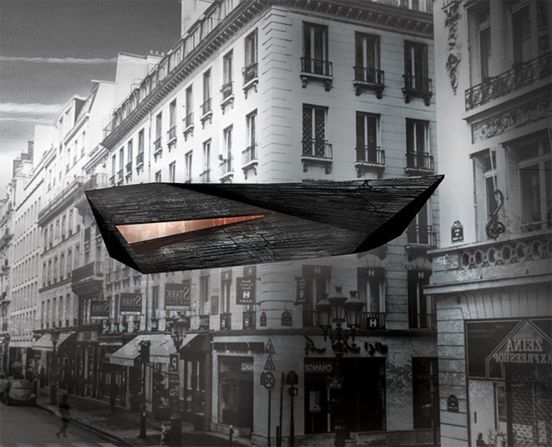
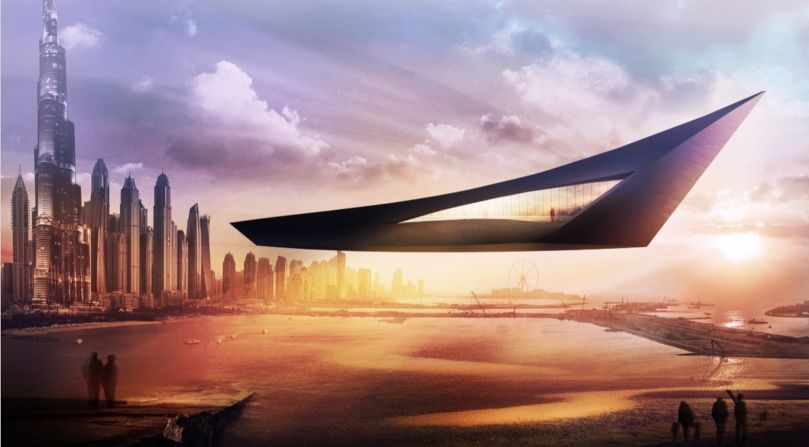
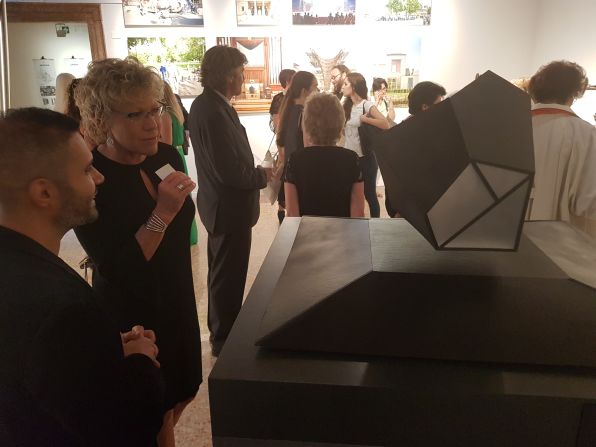
Professor Georges Kachaamy's "Rising Oases" project imagines a future with "platforms inside the city where humans can unwire themselves from their daily restraints."
Courtesy of Georges Kachaamy
The concept is sketched out in an exhibition on display at Dubai Design Week between November 11-16.
Courtesy of Georges Kachaamy
Kachaamy, director of the Center for Research, Innovation and Design at the American University in Dubai (AUD), sees floating architecture as potential solution to space constraints in busy cities and a means of building resilience to natural disasters such as earthquakes and floods.
Courtesy of Georges Kachaamy
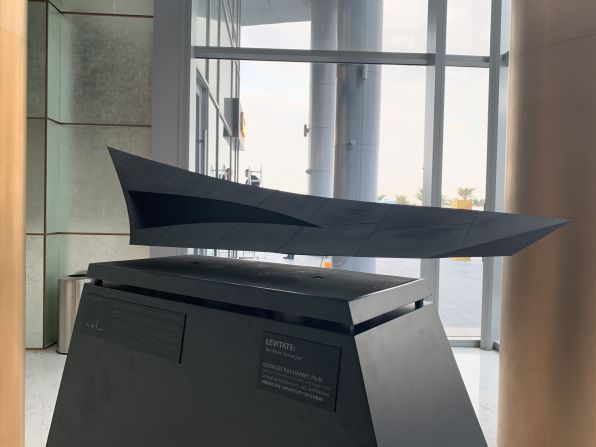
Kachaamy has been developing prototypes for floating architecture for five years. The first iteration was just a few centimeters long. He is currently working with models of around two meters.
Courtesy of Georges Kachaamy
The models float through magnetic levitation, which works by lifting an object through the force of two opposed magnets.
Kachaamy has exhibited his models around the world including the 2019 Venice Biennale.
Courtesy of Georges Kachaamy
Magnetic levitation - or 'maglev' - is a rapidly developing field that has primarily been used for transport.
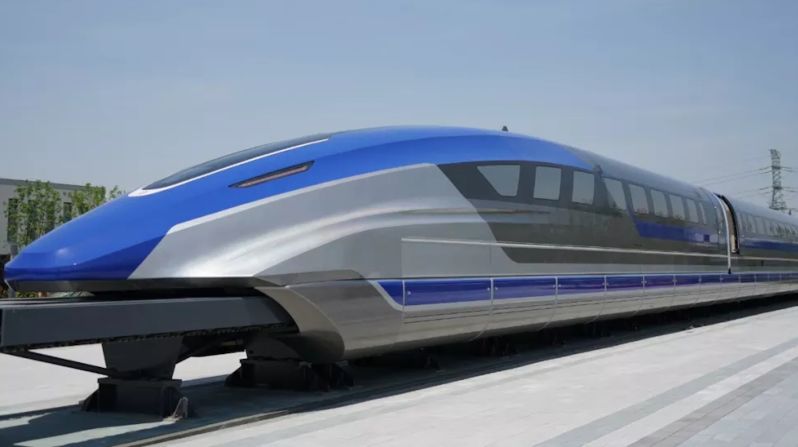
Maglev trains can go faster without the friction from contact with tracks, such as this Chinese train that is reportedly capable of reaching 600 km/h.
Courtesy CRRC
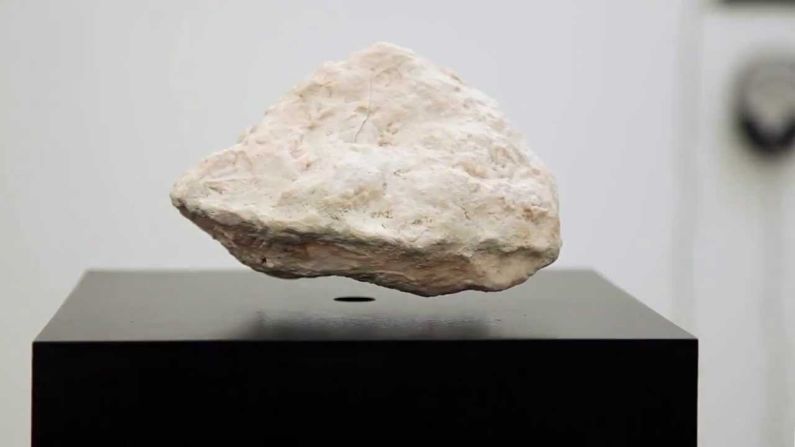
Maglev is also popular form for creative design. Dutch firm Crealev have made furniture, store displays, and even rocks float.
Crealev
The form is also beginning to make an impression within architecture.
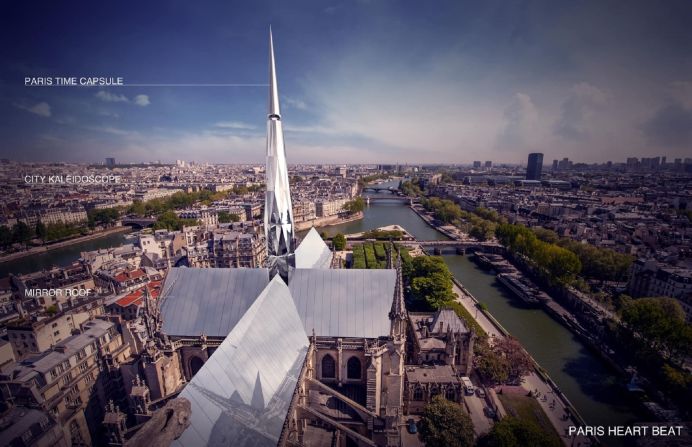
One design for the reconstruction of Paris' Notre Dame Cathedral from architects Zeyu Cai and Sibel Lei included a levitating spire.
GoArchitect.co
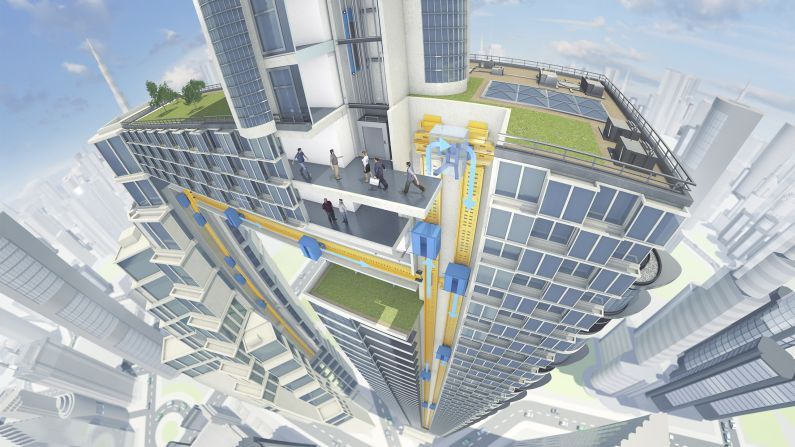
Magnetic levitation is also the basis for ThyssenKrupp's ropeless elevator, which can move sideways and diagonally as well as vertically, powered by magnetic fields.