Your effort and contribution in providing this feedback is much
appreciated.
Close
Ad Feedback
Favelagrafia: Rio’s slums from within
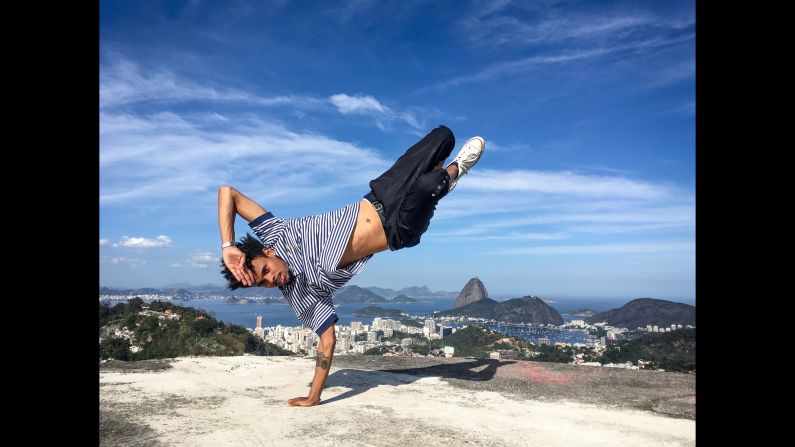
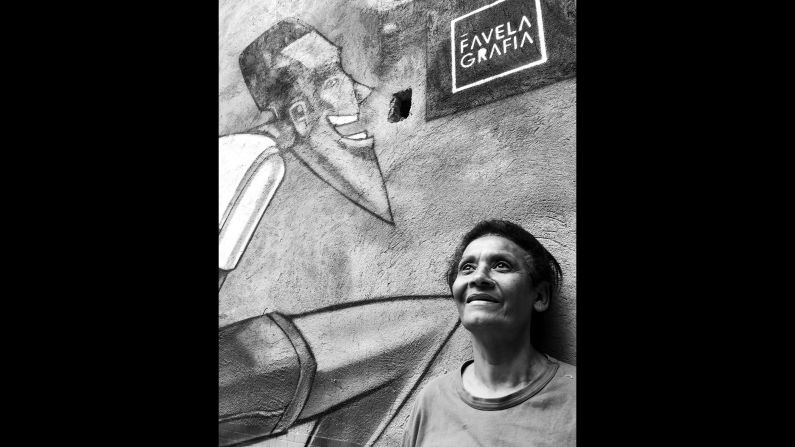
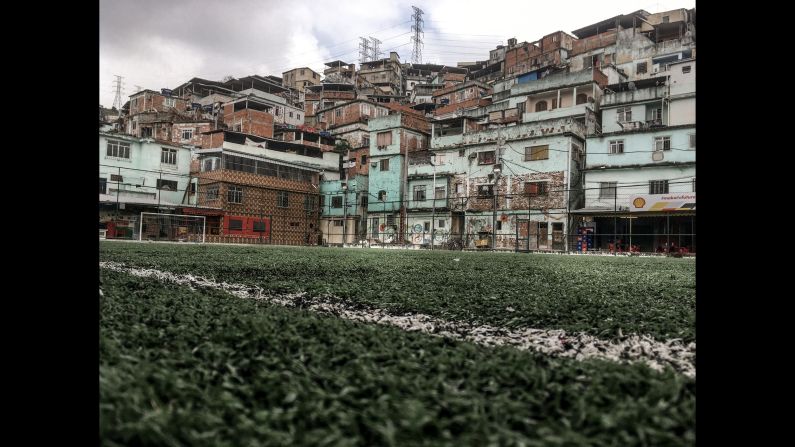
"Talented people" by Saulo Nicolai, Prazeres —
Cinema student Saulo Nicolai photographed the Paredes slum. He wanted to show how talented people in Rio truly are.
"Every photograph still carries a piece of me, but I feel like I represented my neighborhood well, and that the slum's identity has been registered and presented to the world," Saulo told CNN.
Saulo Nicolai
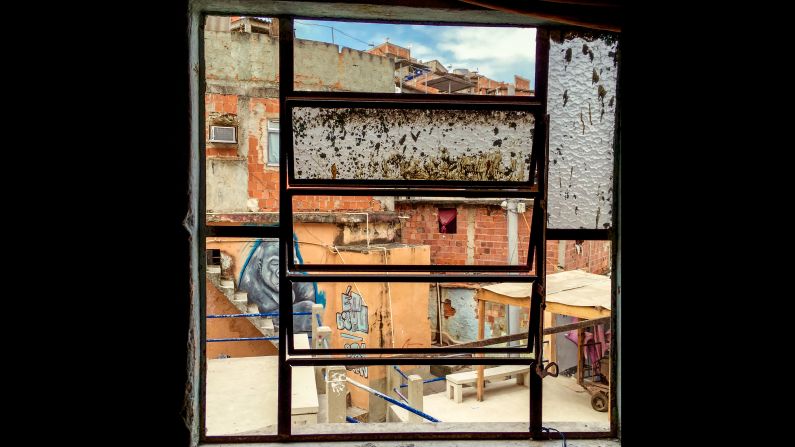
"Looking at the future" by Saulo Nicolai, Prazeres —
Almost a quarter of Rio de Janeiro's population live in slums, or favelas. By arming nine local residents with camera-phones, Favelagrafia hopes to change people's perspective of what it's like to live in the slums.
Saulo Nicolai
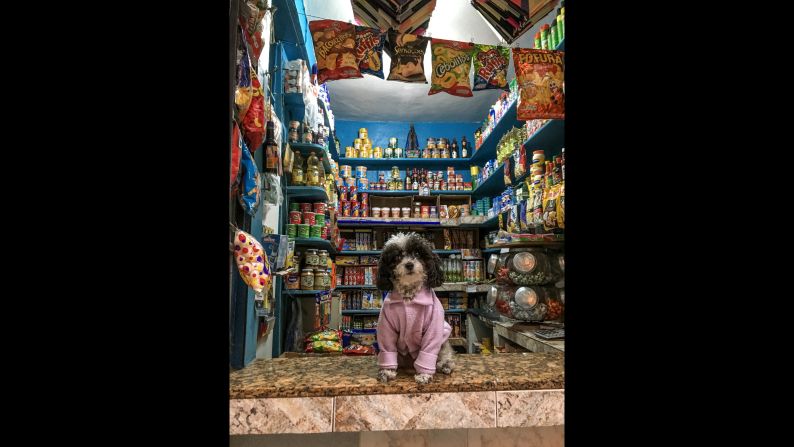
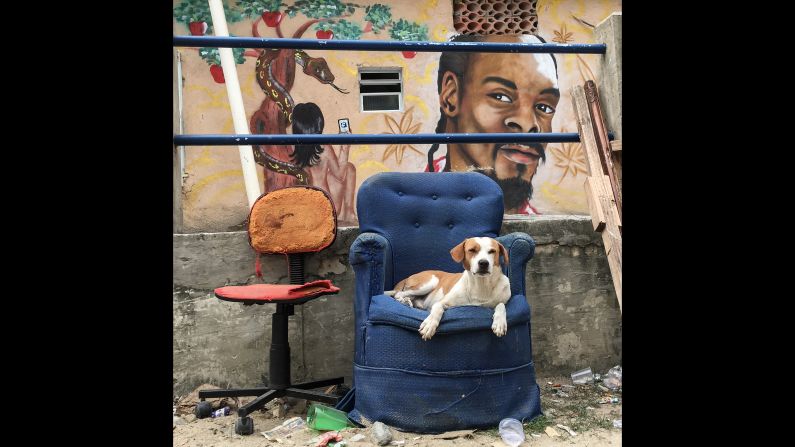
"Mel" by Elana Paulino, Santa Marta —
Elana Paulino's first experience with photography started with the Favelagrafia project. Now, she can't believe how much attention she's getting.
"One of my favorite photos is of the little puppy, Mel. People always delight with it," Paulino told CNN.
Elana Paulino
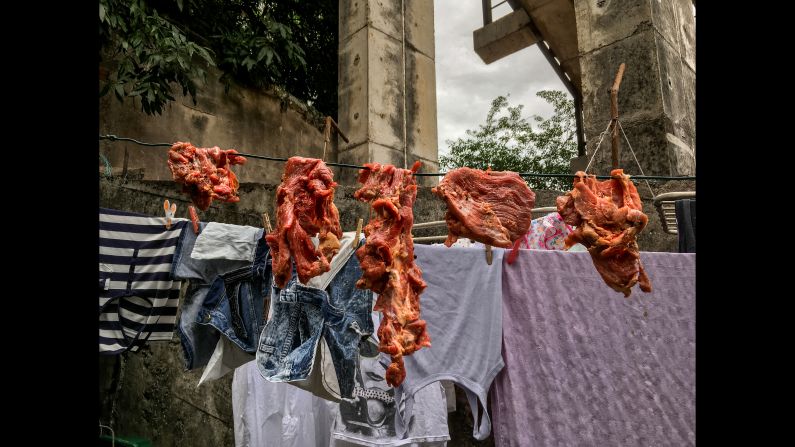
"Drying clothes" by Elana Paulino, Santa Marta —
Paulino is a mother of four, a radiography student and a funicular operator. She loved participating in the project.
"The important thing about these photos is that it forces the outside to look at the favelas outside of violence and newspaper headlines," said Paulino.
Elana Paulino
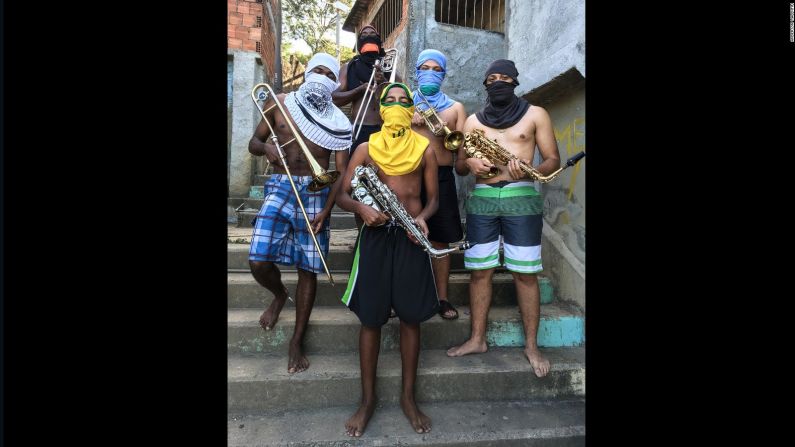
"Music not war" by Anderson Valentim, Borel —
Part-time photographer Anderson Valentim is better known in Borel as a music teacher. Through his lessons he comes across plenty of talented young Brazilians who are often dismissed as criminals and delinquents. He wanted to change the narrative."I like to tell stories with my pictures. This project changes the way that our slums are seen from the outside," Valentim told CNN.
Anderson Valentim
"Favelagrafia" by Anderson Valentim, Borel —
Valentim told CNN the project has also changed how residents look at themselves.
"We are showing the beauty and the potential of the slums. Even with the big social and economic difficulties (they face) most citizens work, study and make a respectable living," Valentim told CNN.
Anderson Valentim
"Another perspective" by Josiane Santana, Complexo do Alemao —
Josiane Santana lives in one of Rio's most dangerous slums, according to the media. But as a journalism student she wanted to show the other side of the story.
"I don't want people to look at my neighborhood like that. Complexo da Alemao is a beautiful place. There are powerful young people that do wonderful work here. In my pictures you can see children, diverse architecture, colorful alleys. You can see talent," she told CNN.
Josiane Santana
"Relaxing" by Josiane Santana, Complexo do Alemao —
Santana wanted to capture the everyday moments and color in the walls of Complexo do Alemao. She hopes her home can be seen as something more than a dangerous place.
Josiane Santana
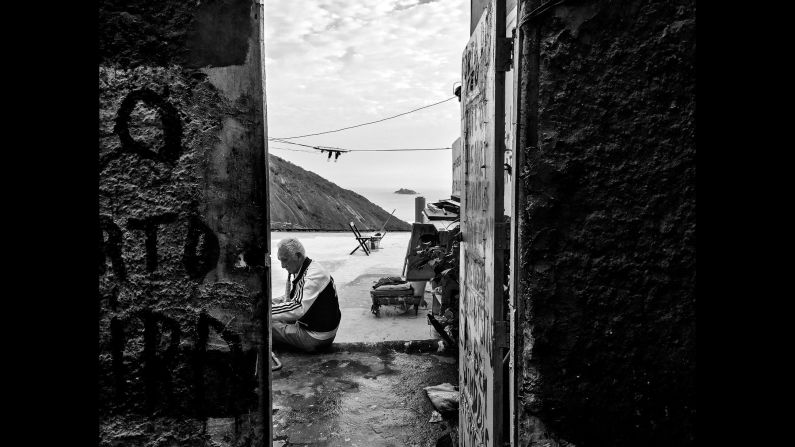
"Another doorway" by Rafael Gomes, Rocinha —
Rafael Gomes, in Rocinha, was surprised by how much residents enjoyed being photographed.
"They liked seeing themselves in the pictures. The importance of these pictures is showing that there is much more art in slums than one might think. It is very powerful to be able to immortalize moments from everyday life," Gomes told CNN.
Rafel Gomes
"Wasted potential" by Jessica Higino, Mineira —
Jessica Higino, 23, who lives in Mineira, is one of the youngest photographers in the project.
"My pictures are some of the colder, gloomier ones in the collection because I wanted to show the wasted potential of the slums so that people can help stimulate these places and their culture," Higino told CNN.
Jessica Higino
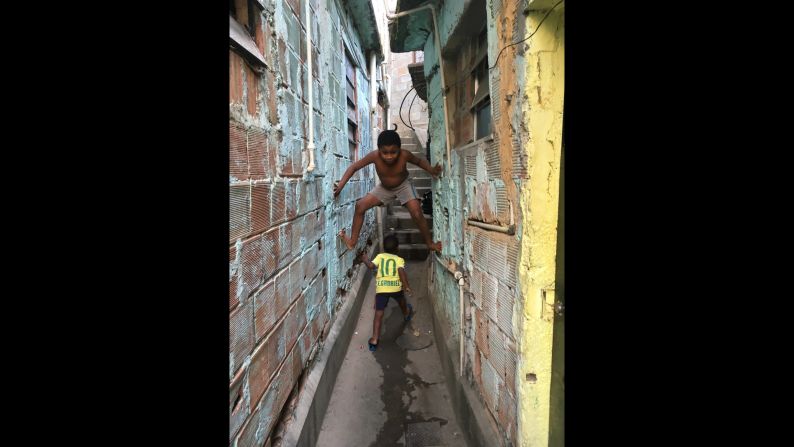
"Children in alleys" by Jessica Higino, Mineira —
Higino said she tried to capture every element of her slum, from the cold buildings to the children playing through the alleys.
"I show a bit of everything with my photos. I did not want to hide anything because I wanted people to really learn about my community," she said.
Jessica Higino
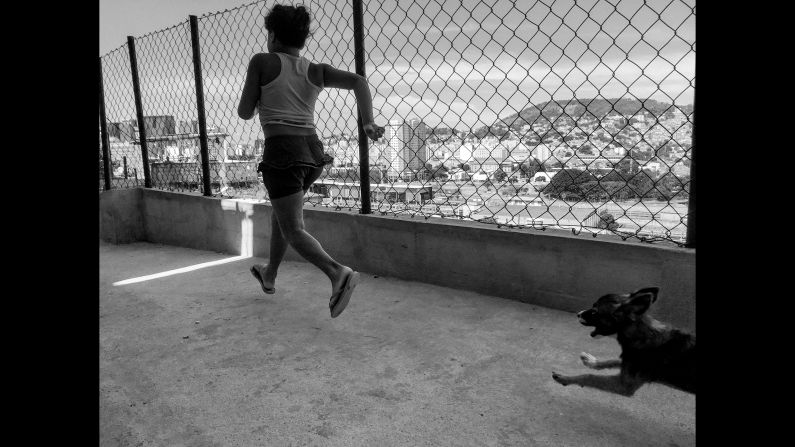
"Running" by Joyce Marques, Providencia —
For Andre Havt, the art director behind the Favelagrafia project, the main objective is showing that people who live in Rio's slums are just like everyone else.
Joyce Marques
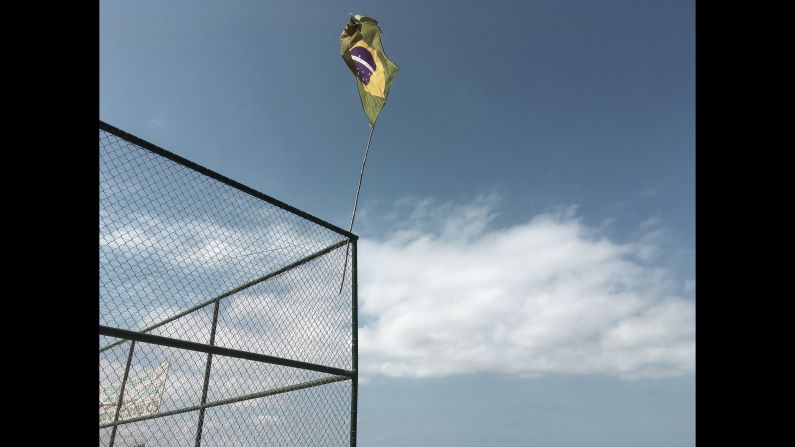
"Brazil" by Magno Neves, Cantagalo —
Photographer Magno Neves was in charge of portraying the new reality in Cantagalo. The slum was dominated by violent drug gangs until just a couple of years ago.
Magno Neves
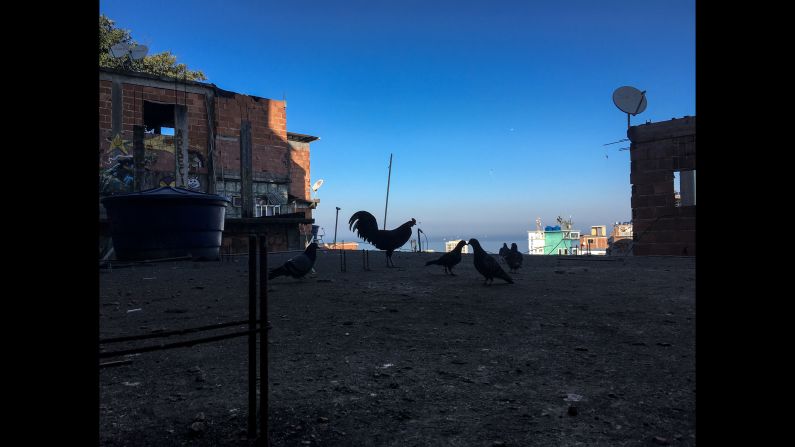
"Roosters" by Magno Neves, Cantagalo —
The pictures have a bit of everything, even humor. Magno Neves said he could not help snapping a photo of a rooster while portraying his home -- Cantagalo is Portuguese for "Rooster's Crow."
Magno Neves
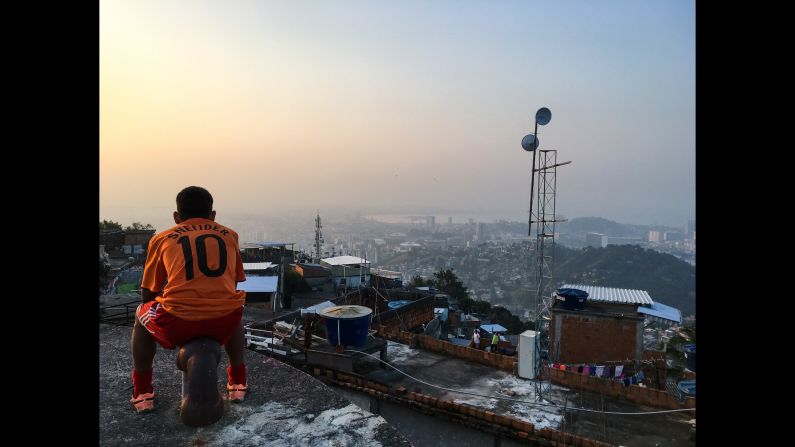
"From above" by Saulo Nicolai, Prazeres —
Favelagrafia gives an honest overview of Rio's favelas, according to its residents.