Your effort and contribution in providing this feedback is much
appreciated.
Close
Ad Feedback
Eyal Gever: Creating art from energy
What does laughter look like? —
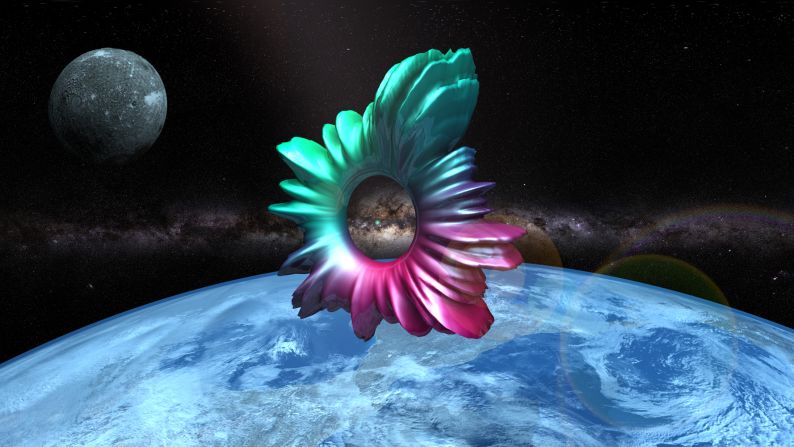
Artist Eyal Gever is crowdsourcing sounds of laughter to create the first piece of art in space, made aboard the International Space Station.
Eyal Gever
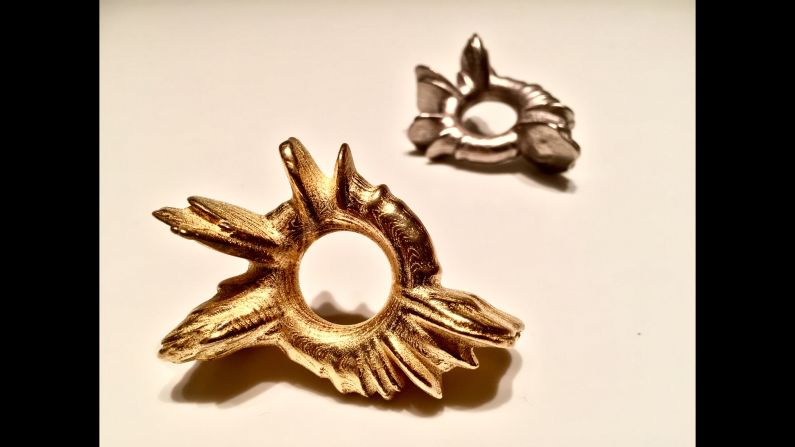
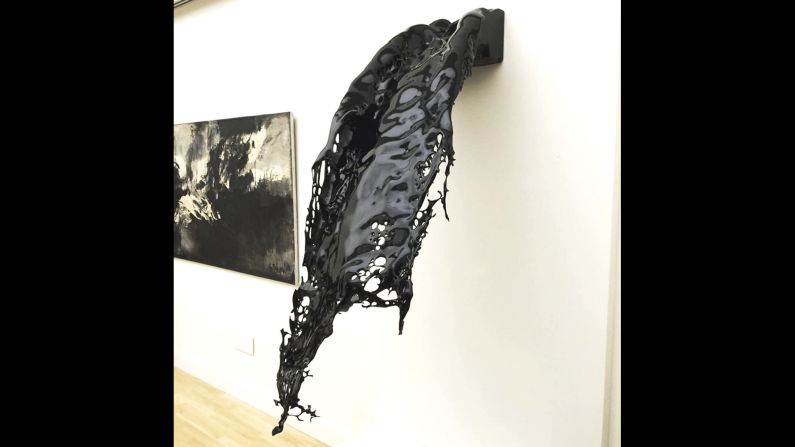
Laugh starts in stainless steel —
Working with NASA contractors Made in Space's technology, Gever can 3D print human laughter to create sculptures. "It is a journey from voice to code, and from code to something tangible and artistic," he told CNN.
Eyal Gever
Waterdancer, 2015 —
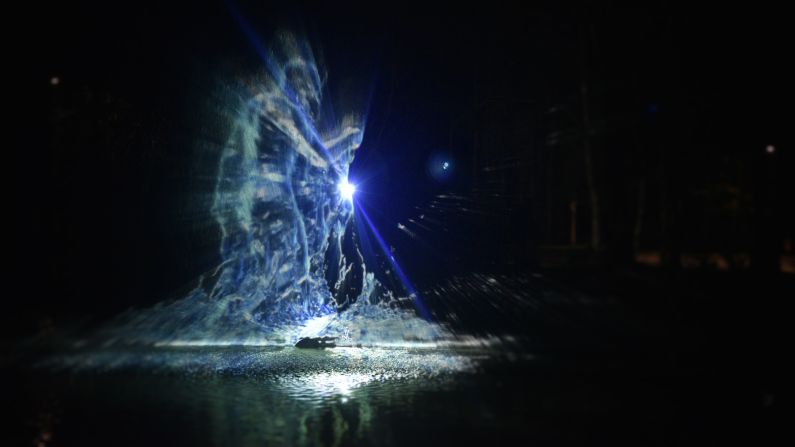
Gever's artistic practice is constantly evolving. In 2015 one of his big projects was "Waterdancer," described as a 3D liquid simulation featuring a dancer whose body seems to be made of water.
Eyal Gever
Big Smoke, 2012 —
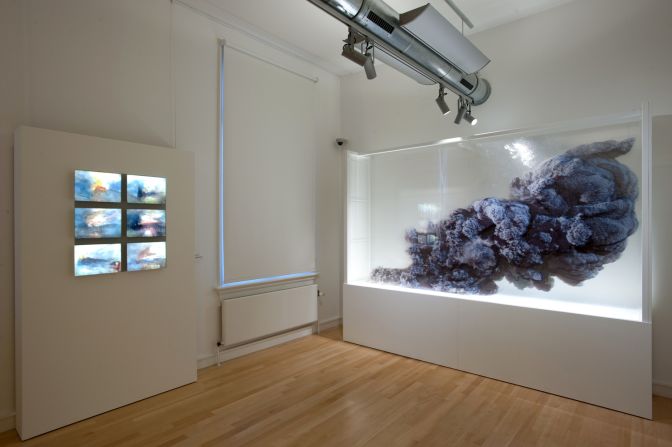
In his artist statement Gever explains his art often addresses the collision of opposites: fear and attraction, and brutality and beauty.
courtesy Eyal Gever
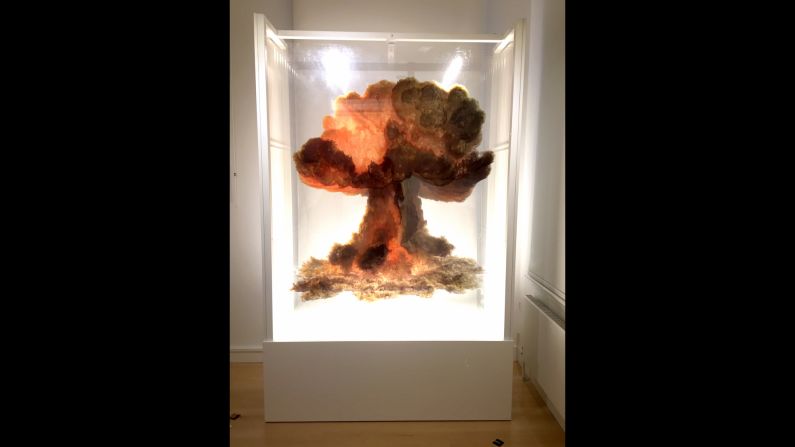
Nuclear Explosion, 2012 —
The artist is often inspired by the destructive impact humans can have on the environment. In this piece he was able to achieve a realistic image of the mushroom cloud of an exploding nuclear bomb through a digital rendering of each explosion.
Eyal Gever
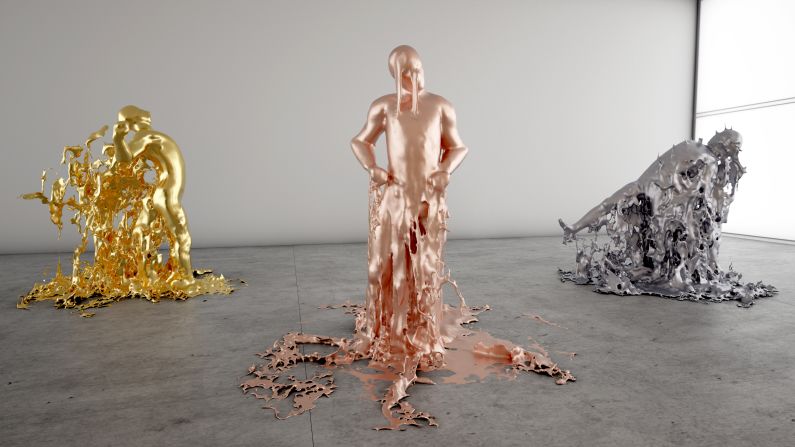
Waterdancers in bronze —
Gever's waterdancers can also be built in stainless steel. For the Israeli artist it is a way to immortalize human movement. "I want to use this technology to produce art through movement...It can help dancers interact with their audience in another way," Gever told CNN.
Eyal Gever
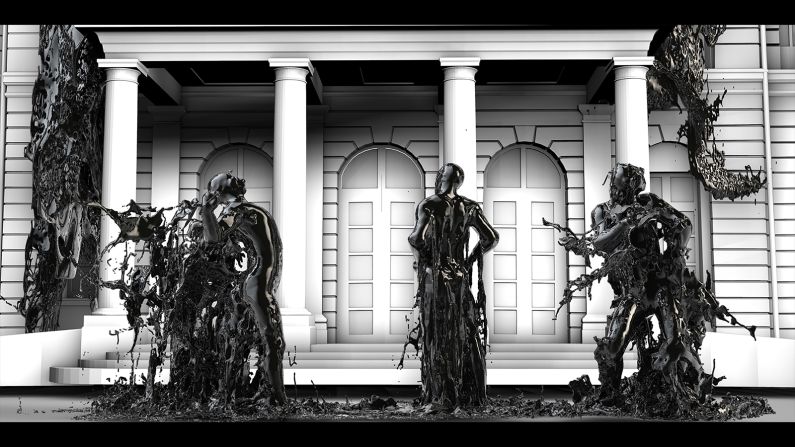
Karlsruhe Castle —
Next year the artist aims to project a giant 3D illusion of a wall of water and his waterdancers onto the facade of the Karlsruhe Palace, in Germany.
Eyal Gever
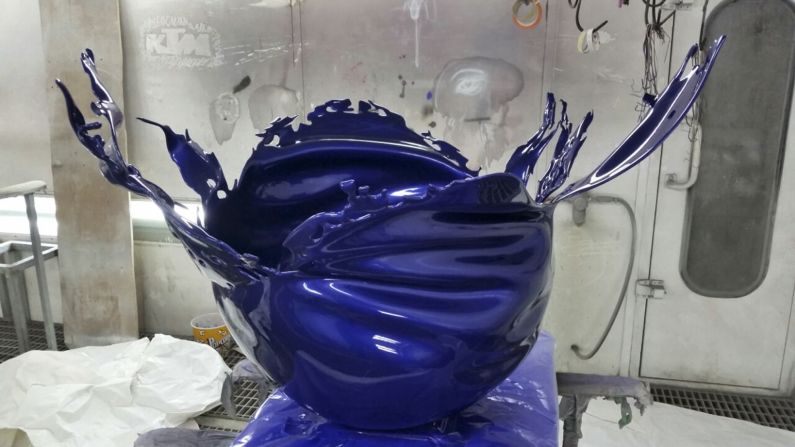
Sphere Pop, 2015 —
Gever loves working with movement. With his piece "Sphere Pop" Gever wanted to capture the element of surprise in the moment a balloon bursts.
Eyal Gever
Waterfal, 2014 —
Gever's "Waterfall" captures the natural phenomenon of flowing water. For the artist, it preserves the intensity of seeing the occurrence in real-time.