David Vintiner’s portraits of biohackers, cyborgs and ‘transhumanists’ | CNN
Thank You!
Your effort and contribution in providing this feedback is much
appreciated.
Close
Ad Feedback
David Vintiner’s portraits of biohackers, cyborgs and ‘transhumanists’
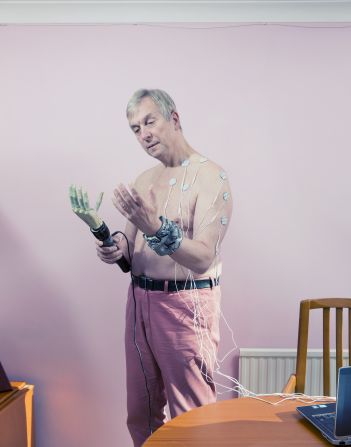
Kevin Warrick is considered by many to be the world's first cyborg. He formed a symbiotic connection with a robotic hand by linking his nervous system to a computer and controlling the hand with his brain signals. Scroll through the gallery to see more of David Vintiner's images of so-called "transhumanists."
David Vintiner
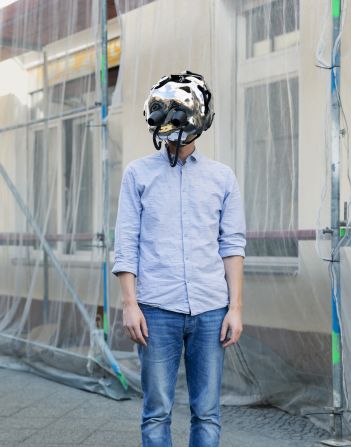
Vintiner has taken numerous portraits of cyborgs and body-modifiers for his forthcoming book "I Want to Believe -- An Exploration of Transhumanism." The photographer said that science's impact on aesthetics is, to him, one of the most fascinating aspects of transhumanism.
David Vintiner
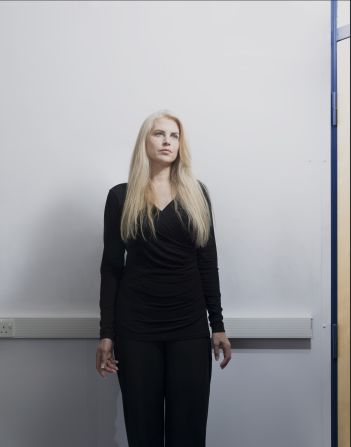
Liz Parrish claims to be the first person to successfully undergo dual gene therapy to "treat" biological aging.
David Vintiner
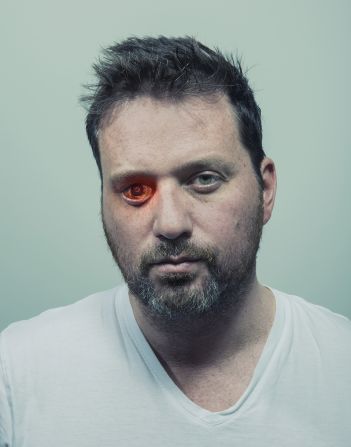
Describing himself as an "eyeborg," Rob Spence installed a wireless video camera in place of his right eye.
David Vintiner
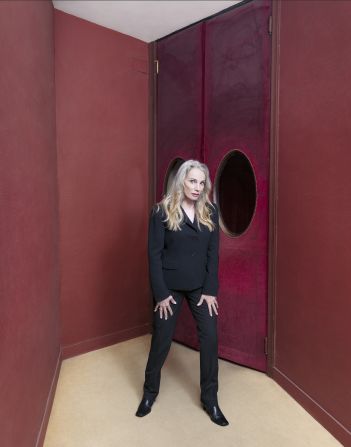
Natasha Vita-More is a futurist and designer specializing in human enhancement and emerging technologies. She's also the author of "Transhuman Manifesto."
David Vintiner
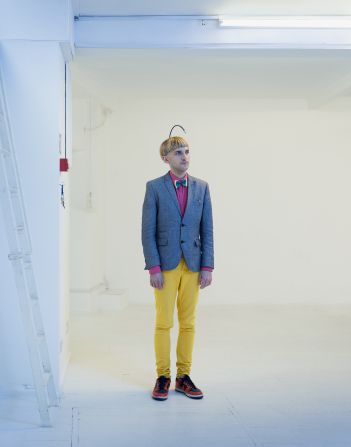
Neil Harbisson was born with achromatism, or total colorblindness. In 2004, he had an antenna implanted into his skull that allows him to perceive colors as audible vibrations.
David Vintiner
Moon Ribas is a cyborg dancer who has implants connected to online seismographs in her feet. She has the ability to "sense" earthquakes taking place anywhere on the planet, she claims, as they cause vibrations to course through her body.
David Vintiner
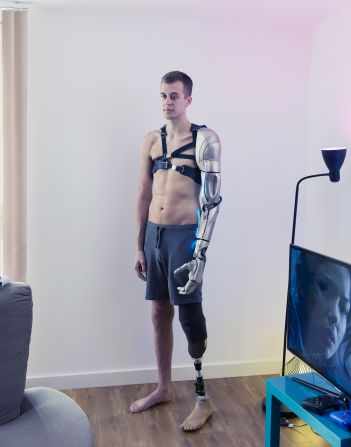
James Young's arm is controlled by sensors that detect the minute muscle movements in his spine.
David Vintiner
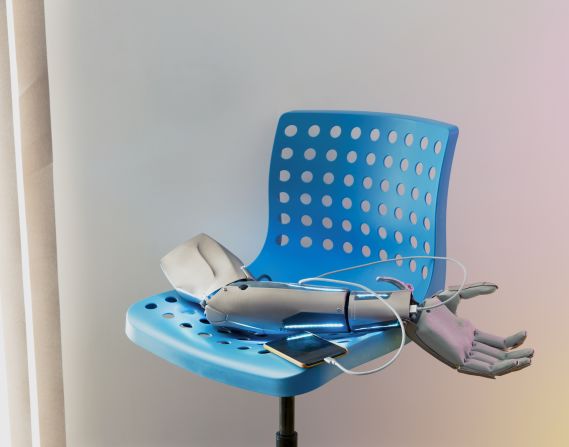
Young's arm was designed by Japanese gaming giant Konami and prosthetics sculptor Sophia de Oliveira Barata. It contains a USB dock and other special features.
David Vintiner
Ben Goertzel was previously the chief scientist of robotics at Hanson Robotics where he co-created the humanoid robot, Sophia.
David Vintiner
"I fear that if we can design humans without any of the 'flaws' that occur in our biological makeup, things will be pushed further and further towards a level of perfection we can only imagine right now." Vintiner said.
David Vintiner
"Beauty is in the engineered products," said photographer David Vintiner, when asked how beauty might look like in the future.