Your effort and contribution in providing this feedback is much
appreciated.
Close
Ad Feedback
An ode to eyewear design
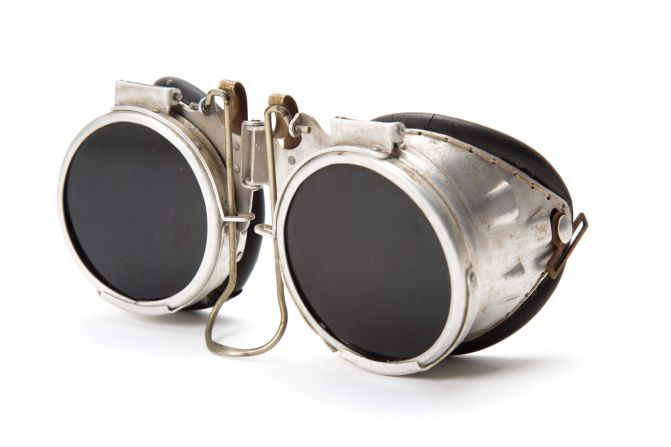
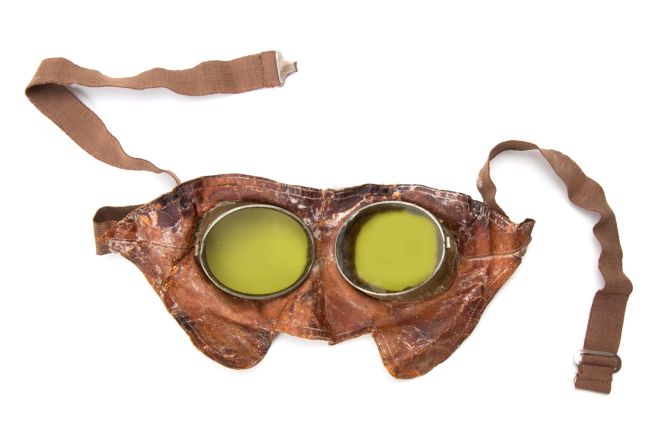
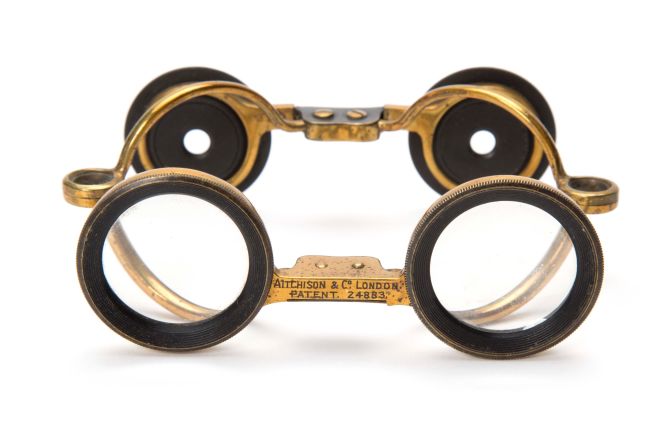
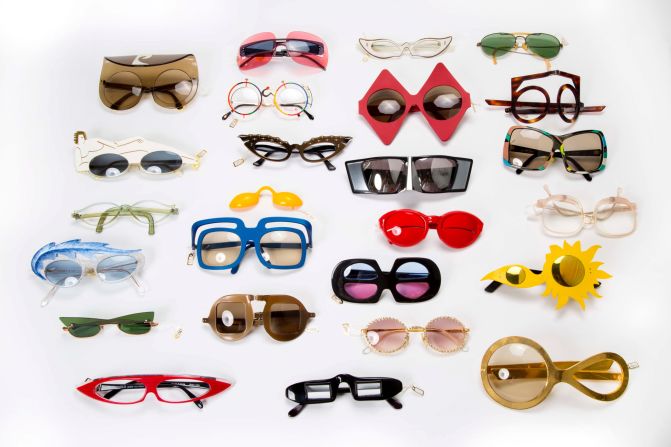
"Overview," an exhibition of eyeglasses currently held at Design Museum Holon, explores the evolution and history of eyeglasses.
eli bohbot
The museum's upper gallery features 400 rare pieces from the collection of optometrist Claude Samuel, which date from the 17th century to present day.
eli bohbot
The collection includes a small case of lenses Samuel inherited from his grandmother, and a rare collection of glasses that his father designed for Pierre Cardin.
eli bohbot
According to exhibition curator Maya Dvash, "the initial purpose of eyeglasses was to correct a flaw, and eyeglasses do not conceal that flaw, but actually emphasize it by means of design."
eli bohbot
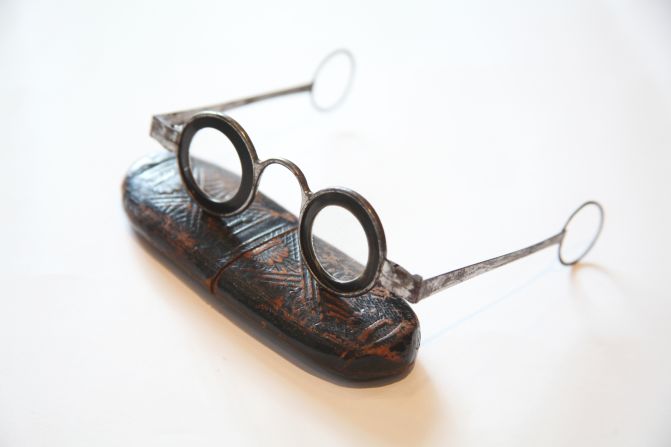
British optician Benjamin Martin created the first vision-correcting eyeglasses in 1756. The above pair is made using metal and bull horn.
eli bohbot
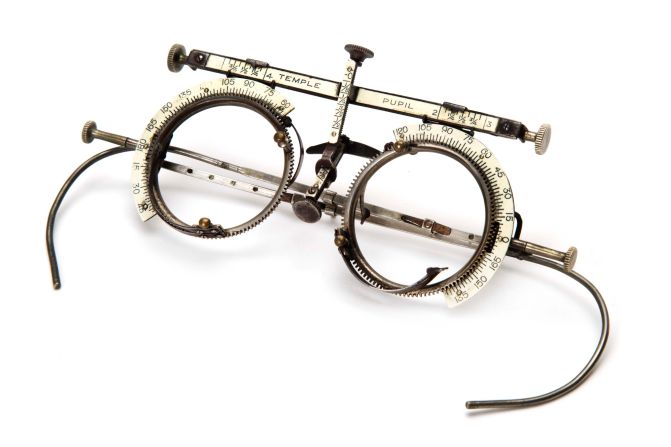
Phoropter test glasses, made of metal and ivory, designed in England in the mid-1800s.
eli bohbot
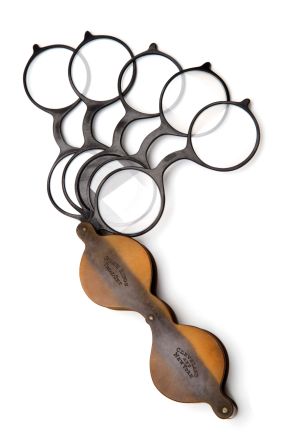
These vision examination lenses were made in the United States in the late 1800s.
eli bohbot
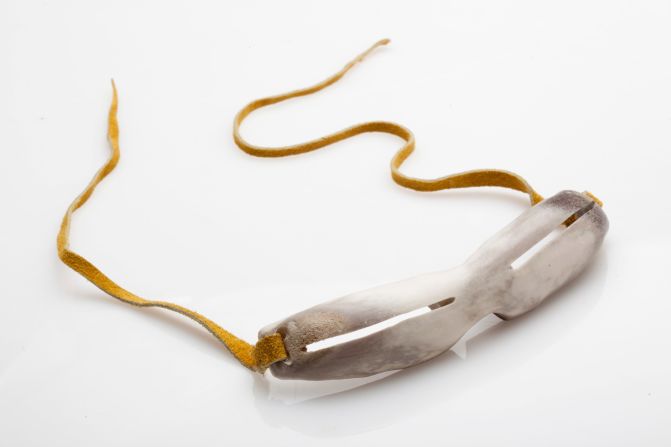
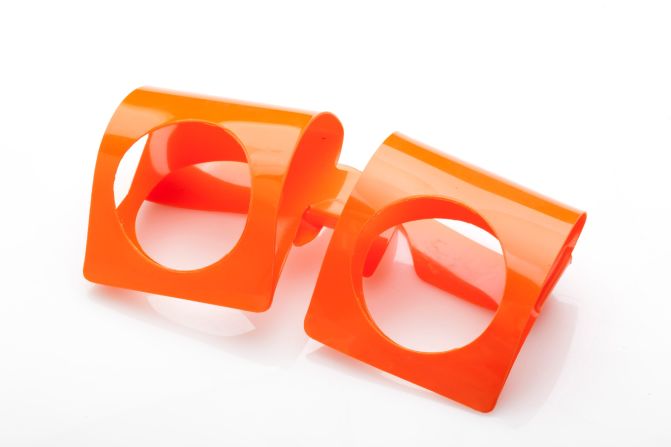
Usually worn by Eskimos, snow glasses are traditionally made of wood or bone. A fine cut on top of each eye protects one from snow blindness.
eli bohbot
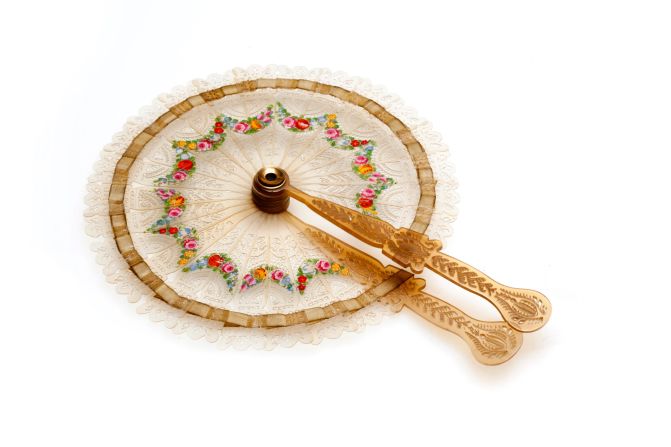
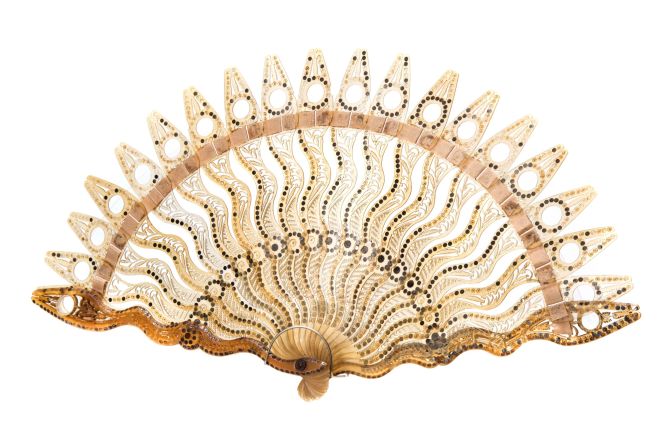
This monocular opera spyglass fan is made out of buffalo horn.
eli bohbot
The fan, made in France, dates back to the early 1900s.
eli bohbot
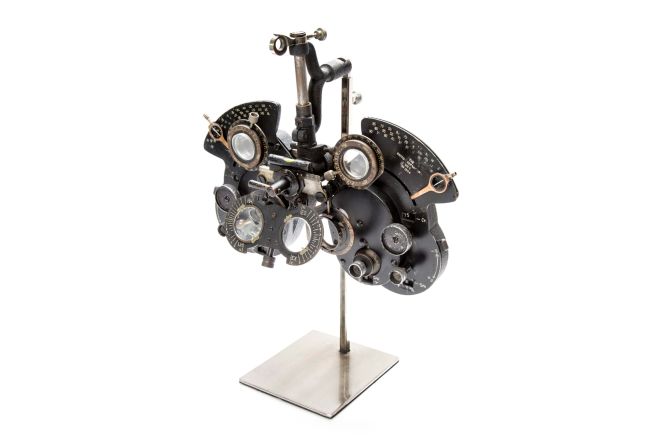
The exhibition also includes a metal phoropter designed by The British Refracting Unit in 1904.
eli bohbot
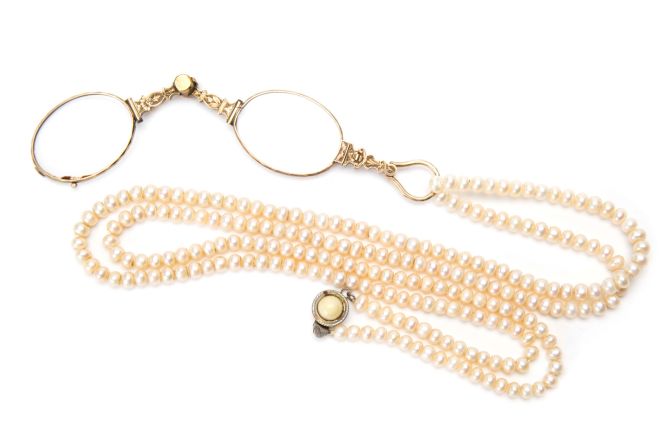
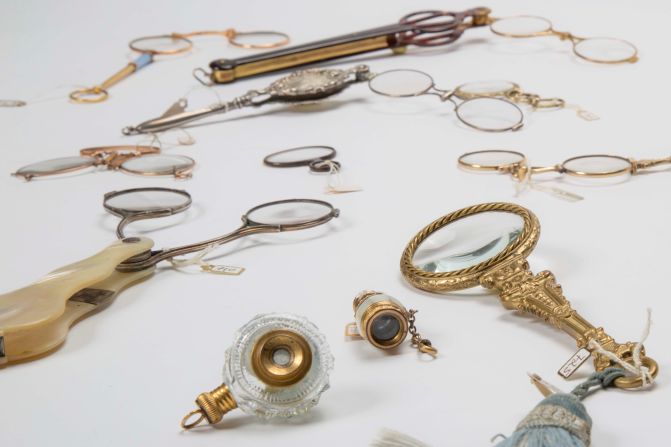
This folding lorgnette, embellished with pearls, comes from the early-1900s in Central Europe.
eli bohbot
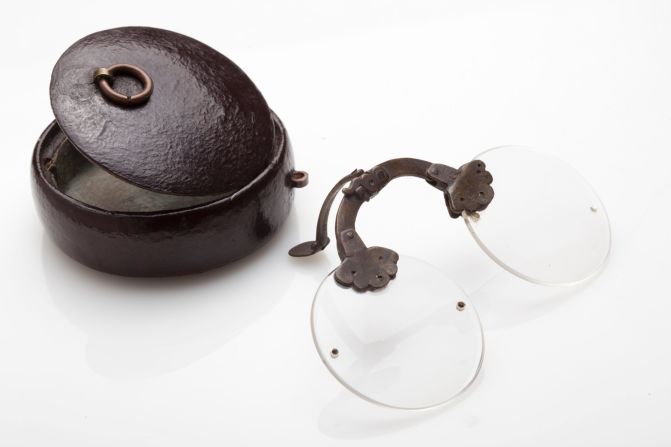
This 18th century folding spectacle is from China. Chinese scholars are often given credit for the development of lenses.
eli bohbot
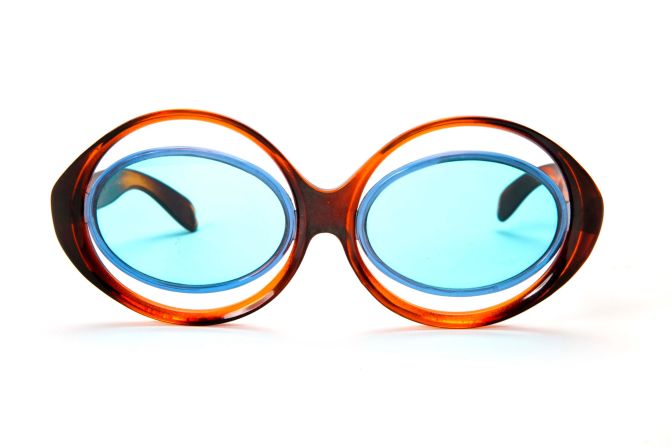
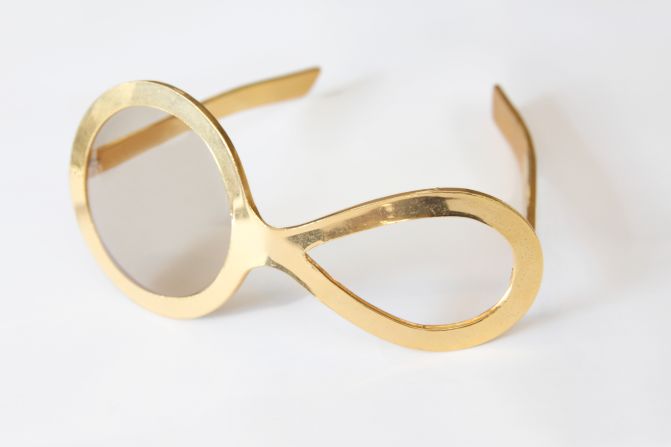
This pair, designed by Pierre Cardin in the 1960s, is made solely of plastic.
eli bohbot
This 1960s prototype designed by Pierre Cardin has an asymmetric frame made of plastic.
eli bohbot
This is the first time Claude Samuel's extensive collection of eyewear has been presented in a museum.
eli bohbot
Overview, an exhibition that traces the design evolution of eyewear, is currently on show at Design Museum Holon until April 29, 2017.