Building Rio 2016: The ins and outs of Olympic architectural design | CNN
Thank You!
Your effort and contribution in providing this feedback is much
appreciated.
Close
Ad Feedback
Building Rio 2016: The ins and outs of Olympic architectural design
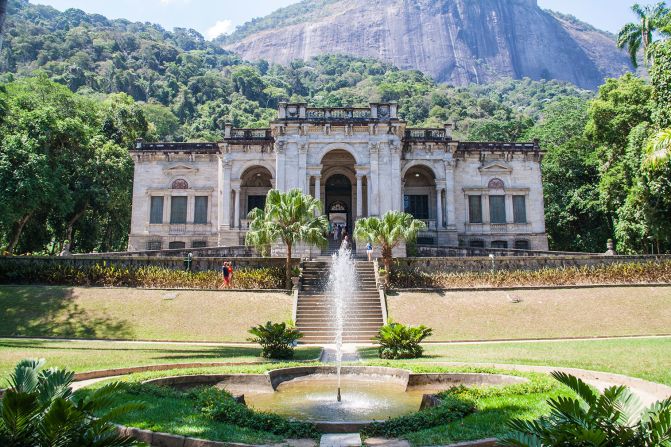
Britain has set up base inside a 19th-century mansion in the leafy grounds of Parque Lage at the foot of Christ the Redeemer. The park has a long-running history with Great Britain, with English landscape architect John Thyndale originally planting the gardens back in 1840. For the British House, event specialist Innovision has eschewed British design clichés for a space that celebrates contemporary art and furniture design.
Photography: Caioviniciuscosta
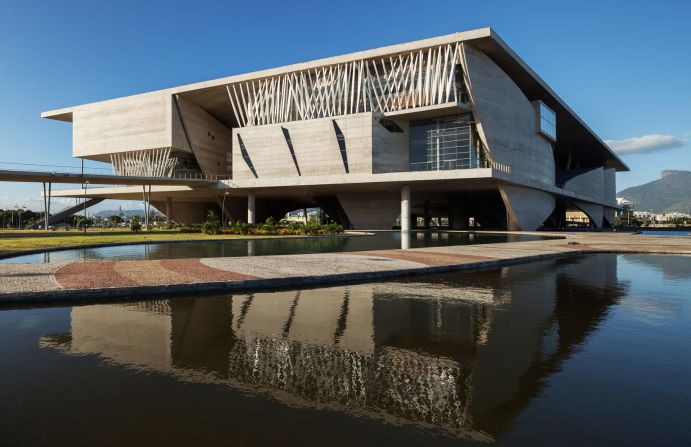
The host nation of the 2020 Olympics has set up base inside the Cidade das Artes, a 2013 concrete arts complex designed by French architect Christian de Portzamparc. Its national house offers a dose of Japanese culture -- from traditional tea ceremonies to folk entertainment -- as well as a preview of things to come in four years' time.
Christian de Portzamparc
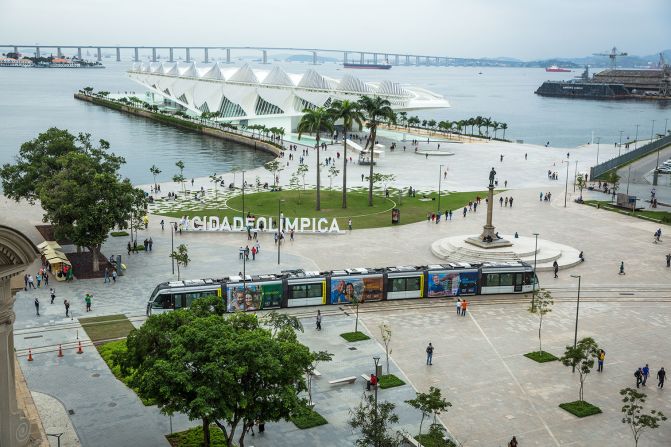
Brazil's Casa Brasil is set on Pier Mauá, part of Rio's redeveloped Olympic Boulevard in a former industrial port. The national house takes over two warehouses, leading visitors on a virtual journey through Brazil's geography, history and culture.
Photography: via Casa Brasil
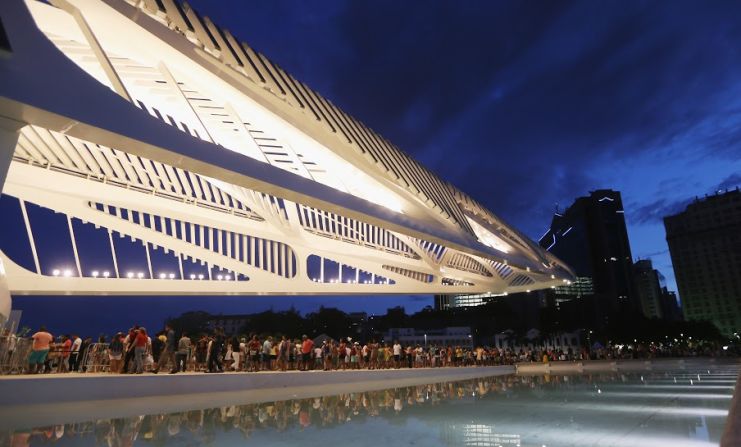
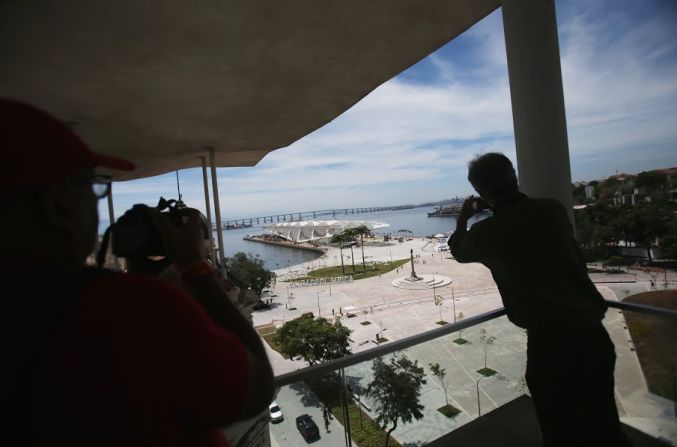
Museum of Tomorrow —
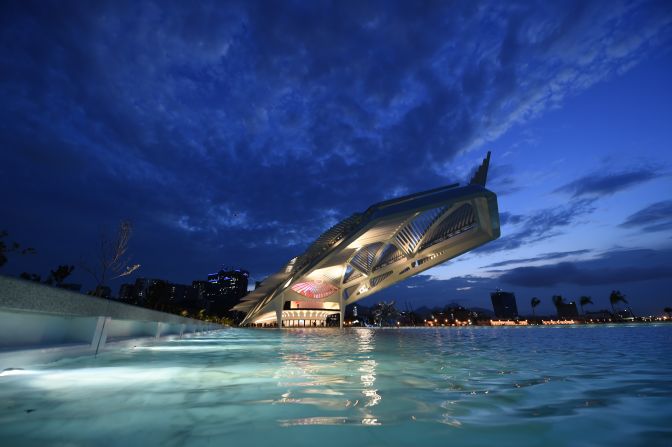
The Museum of Tomorrow is a standout architectural monument in Rio's harbor zone, revitalized as part of the city's Olympic preparations. But how is the rest of the Olympic Park shaping up?
VANDERLEI ALMEIDA/AFP/AFP/Getty Images
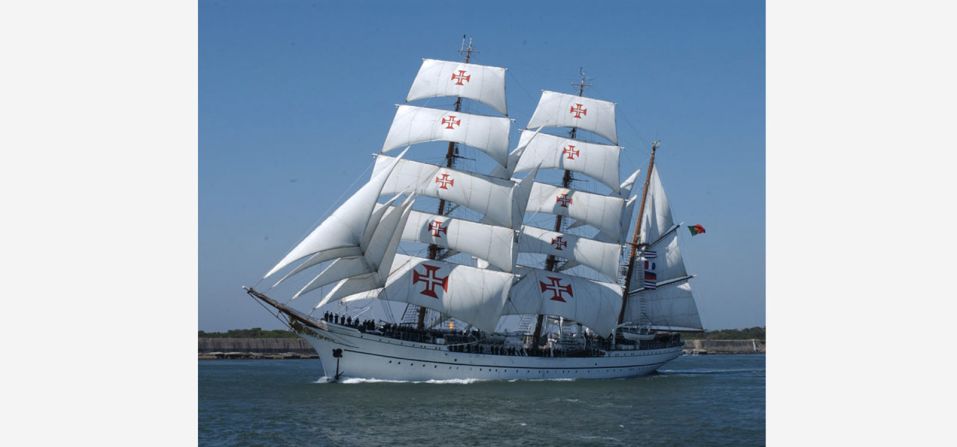
Portugal's base is more of a houseboat than a house -- specifically the Sagres, a Portuguese naval ship built in 1937. It set off from Lisbon back in June and will be moored at the quays of the Ilha das Cobras in Rio for the duration of the Olympics.
Photography: Jose Manuel
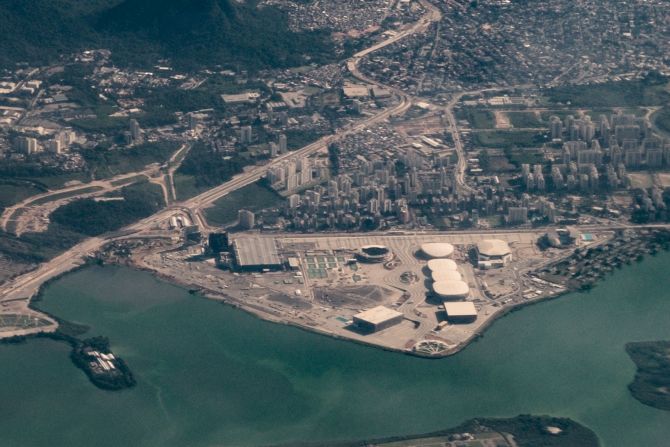
Park from above —
Aerial view of the Olympic Park in Rio de Janeiro, Brazil, on April 13, 2016.
YASUYOSHI CHIBA/AFP/AFP/Getty Images
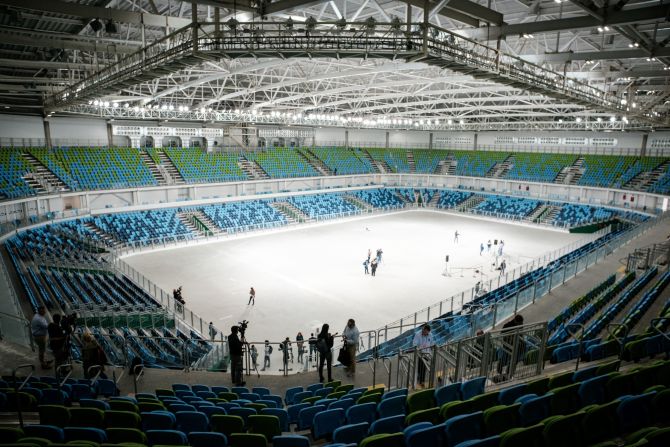
Judo lives here —
Inside one of the halls of the new Olympic Training Center on the Barra park. This one will host judo and wrestling during the Rio Olympics.
YASUYOSHI CHIBA/AFP/AFP/Getty Images
A la mode —
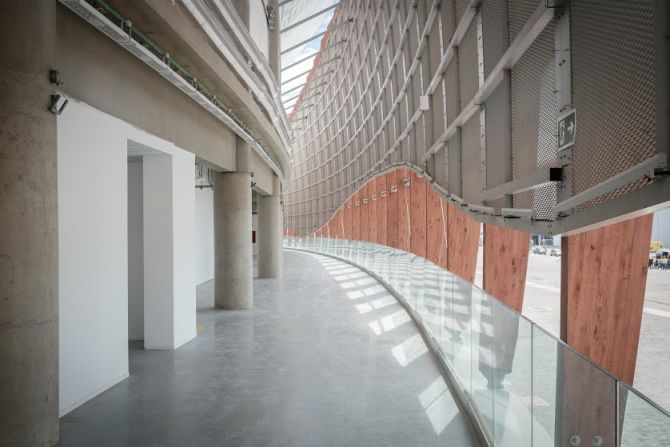
The Olympic Training Center's halls, in common with other Olympic Park venues, have been designed to a modular blueprint -- meaning some venues can be moved away from the park entirely when the Games conclude, while others can be transformed into different facilities.
YASUYOSHI CHIBA/AFP/Getty Images
Vision of the future —
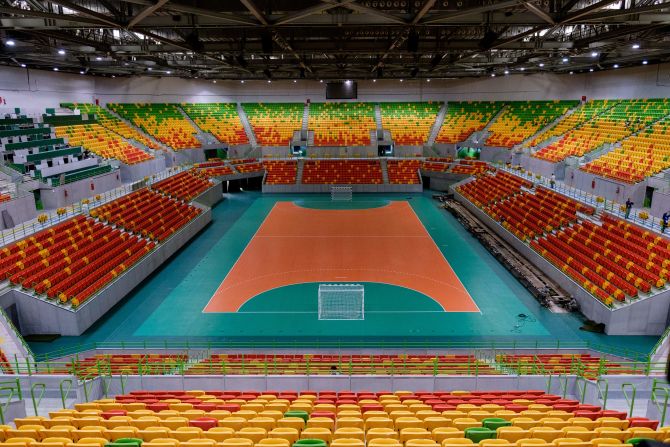
A general view of inside the Future Arena at the Olympic Park which will host handball matches during the Summer Games in Rio.
YASUYOSHI CHIBA/AFP/AFP/Getty Images
Sign of things to come —
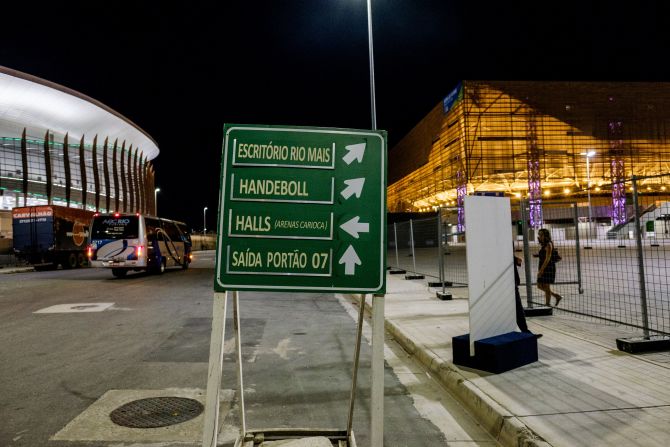
Handball will take place on Rio's Barra Olympic Park alongside the likes of tennis, track cycling, fencing, judo and swimming.
YASUYOSHI CHIBA/AFP/AFP/Getty Images
Glass box —
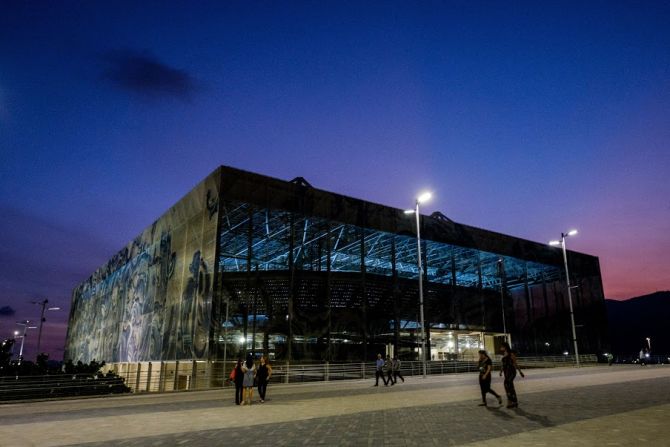
Experts suggest Rio's Olympic Park venues will be functional, if not spectacular. The Aquatics Stadium is described by its own architects as "basically a glass box."
YASUYOSHI CHIBA/AFP/Getty Images
Delayed at the velodrome —
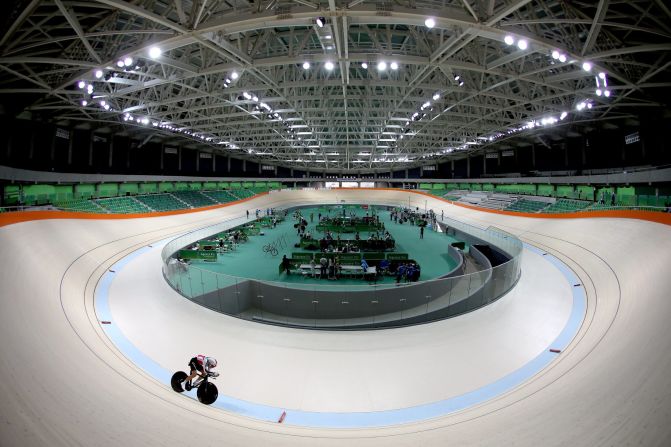
While Rio hasn't had too many problems with late venues, the velodrome was one of them. Track cycling's Olympic venue was finally handed over at the end of last week.
Matthew Stockman/Getty Images South America/Getty Images
Olympic Lanes —
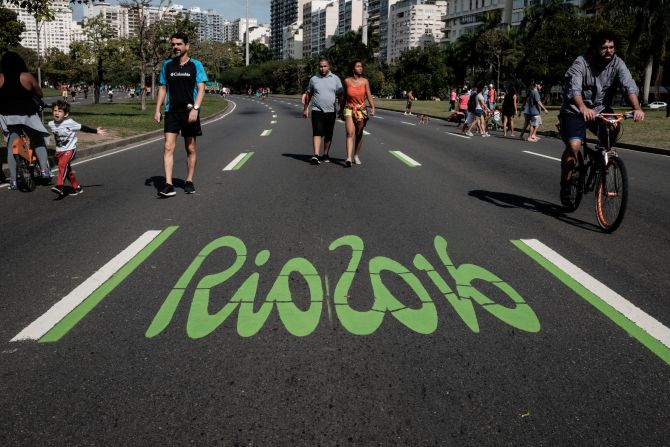
Remember the Olympic Lanes from past Games, to help accredited guests and workers get around quickly? In Rio, they're back.
YASUYOSHI CHIBA/AFP/AFP/Getty Images
Not on track —
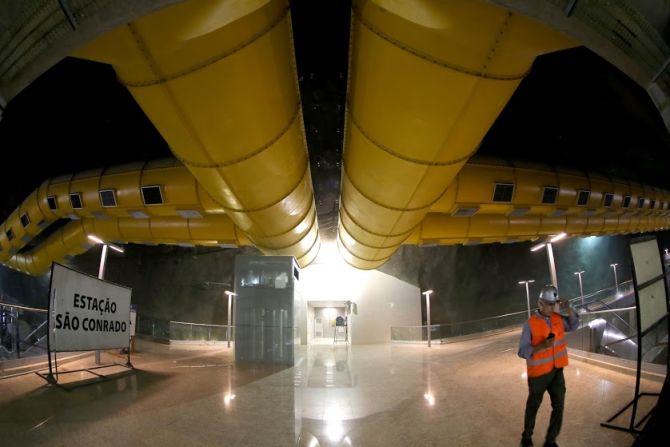
Transport has been one of Rio's biggest problems. This new subway line to the main Olympic Park in the Barra neighborhood is still under construction as the days tick down.
TASSO MARCELO/AFP/Getty Images
Building the bus network —
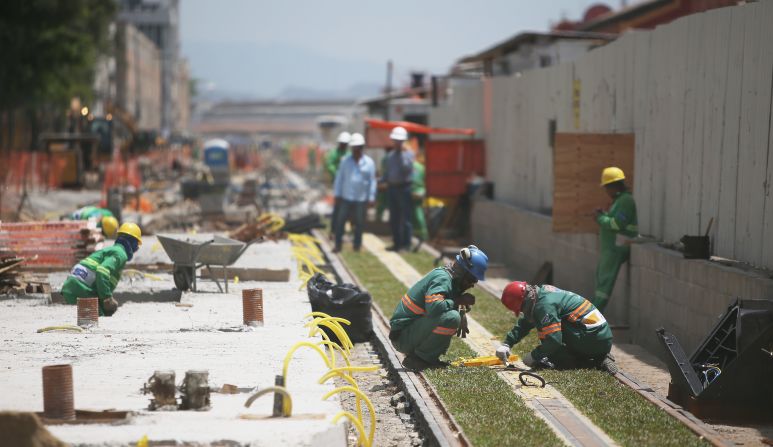
"The transport system in Barra is definitely a plus," says local architect Barbara Iseli of other Olympics-inspired upgrades to services like the bus network.
YASUYOSHI CHIBA/AFP/Getty Images
Not on track —
New transport links, new homes and new business districts mean revitalization projects inspired by Rio 2016 will "create neighborhoods in the city" -- according to Bill Hanway of AECOM, the company responsible for the Olympic Park's masterplan.
Mario Tama/Getty Images South America/Getty Images
Tomorrow arrives —
Spanish architect Santiago Calatrava designed the Museum of Tomorrow, which was opened in December last year.
Mario Tama/Getty Images
Transforming the harbour —
Local architects say the Museum of Tomorrow is the jewel of Rio's newly redeveloped Porto Maravilha -- and is a more eye-catching design than any new venues the 2016 Olympics have to offer.
Mario Tama/Getty Images
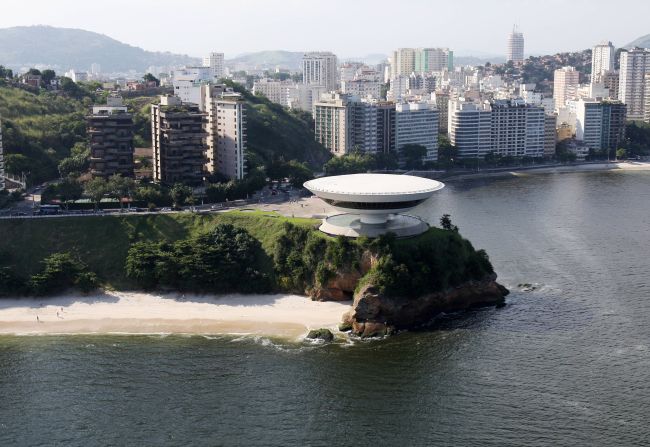
Niemeyer's legacy —
The late Oscar Niemeyer, one of the world's great architects, was born in Rio. His Museum of Contemporary Art (center) is one of Rio state's best-known landmarks, lying across the bay from the city center.
VANDERLEI ALMEIDA/AFP/AFP/Getty Images
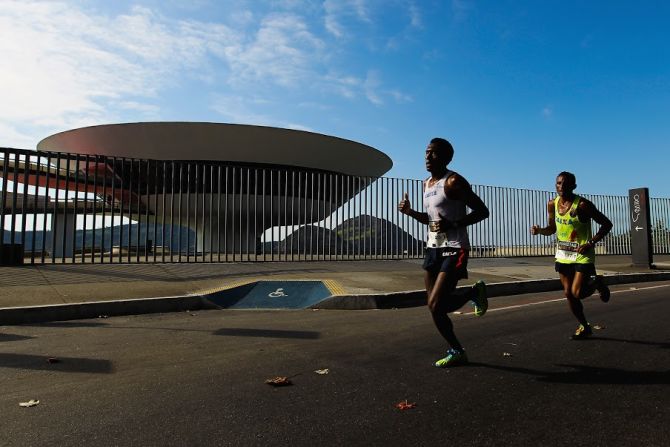
UFO? —
Niemeyer's museum design has been likened to a flying saucer. The building was completed in 1996, 16 years before the architect's death.
Buda Mendes/Getty Images
Meet the press —
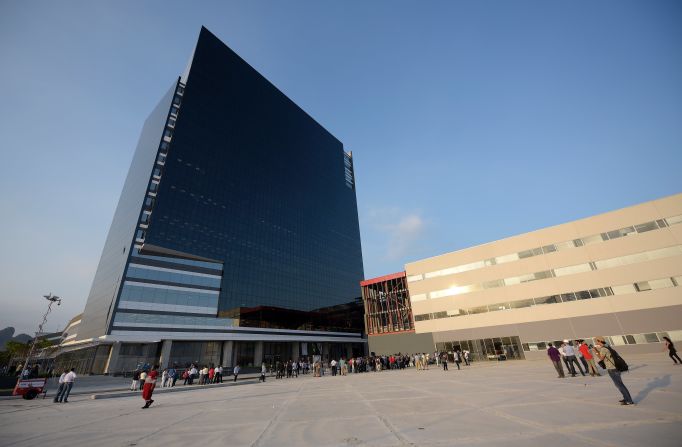
This is Rio 2016's main press center, or MPC, where thousands of journalists will gather while reporting on the Games.
Alexandre Loureiro/Getty Images South America/Getty Images