Your effort and contribution in providing this feedback is much
appreciated.
Close
Ad Feedback
Is this Britain’s Pompeii? 3,000-year-old artifacts unearthed in one of Europe’s largest Bronze Age discoveries
An archaeological dig in the Cambridgeshire Fens in England has discovered a prehistoric settlement from the Bronze Age some 3000 years ago. The site is called Must Farm.
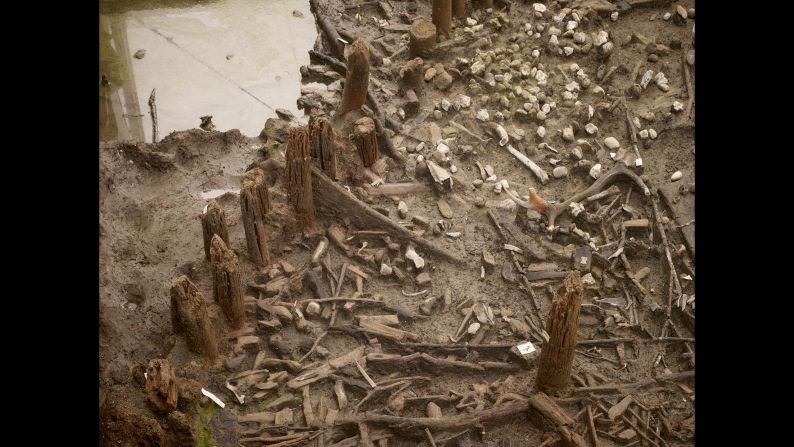
Here, stones in the eastern area of the excavation are grouped around a palisade. It's a rather dense area of archeology with animal bone, timber debris and pot shards present.
Tobias Alexander Harvey for CNN
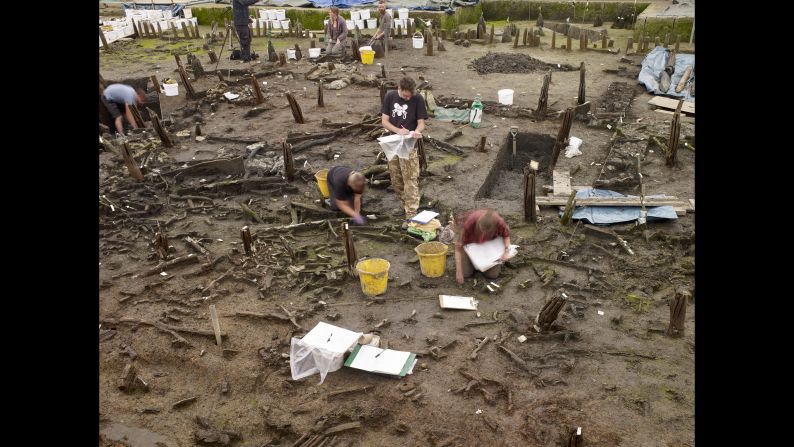
In the last 10 months, the excavation has yielded pottery, textiles, metal work and ancient timbers -- like the exposed charred timbers seen among archeologists working in the central area of the site.
Tobias Alexander Harvey for CNN
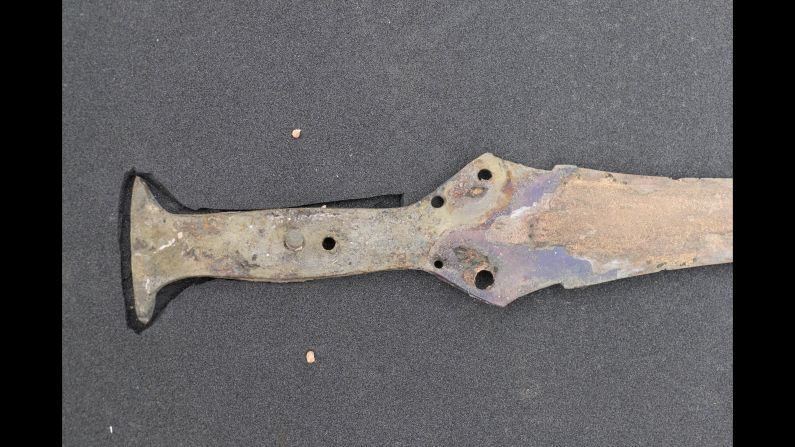
A Wilburton-type sword is seen with rivets and fragments of lead pommel.
Tobias Alexander Harvey for CNN
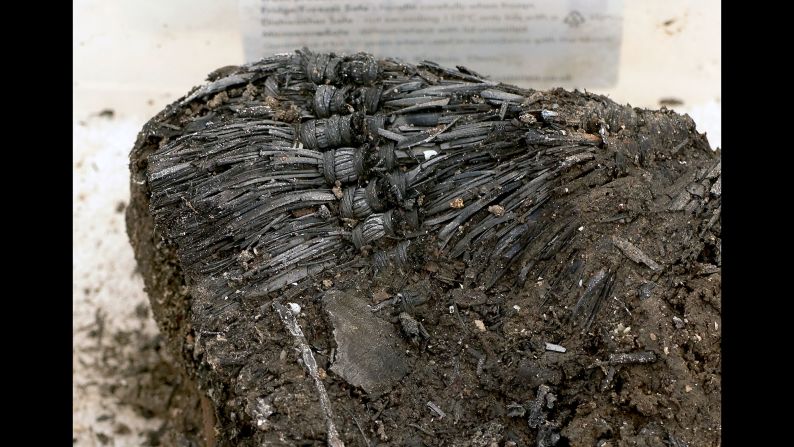
Weft twining, made from flax, is a material rarely found in such good condition from the period. It's considered a finding of international importance.
Tobias Alexander Harvey for CNN
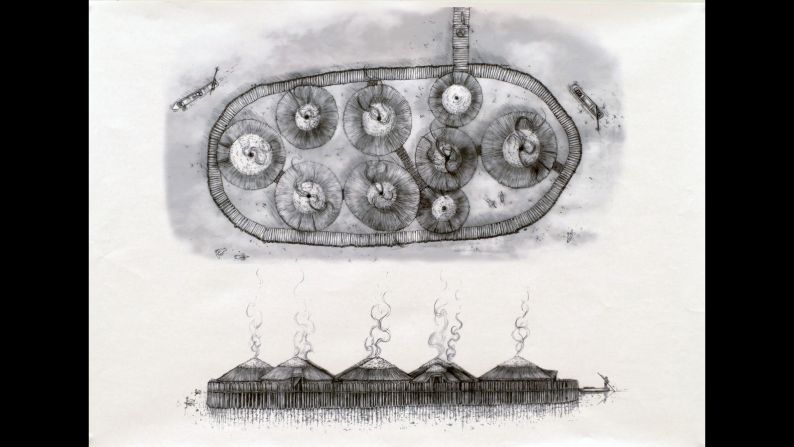
An artist's impression illustrates the layout of the original settlement.
Tobias Alexander Harvey for CNN
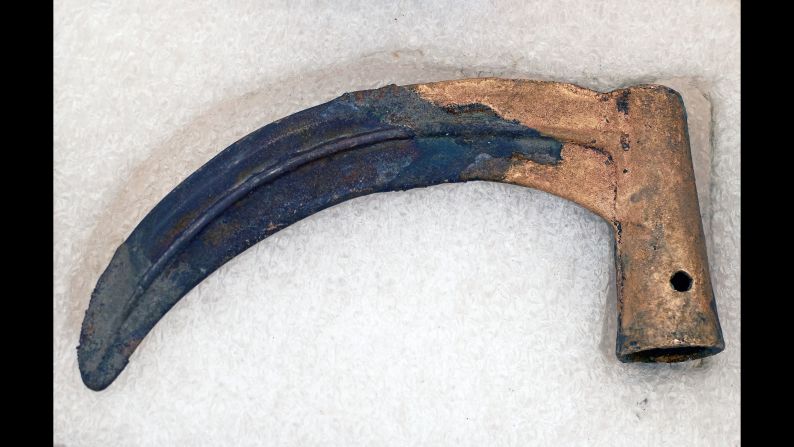
A preserved Bronze-age sickle placed in protective material.
Tobias Alexander Harvey for CNN
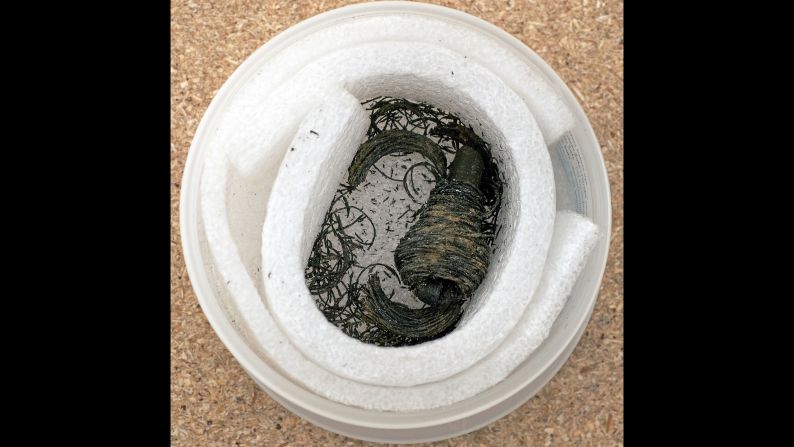
The weaving process has been incredibly preserved, as can be seen with this bobbin.
Tobias Alexander Harvey for CNN
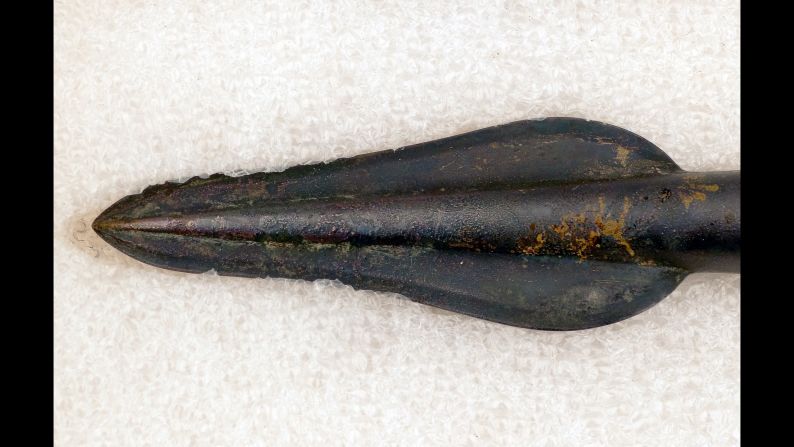
This bronze spear head was discovered with part of its shaft intact.
Tobias Alexander Harvey for CNN
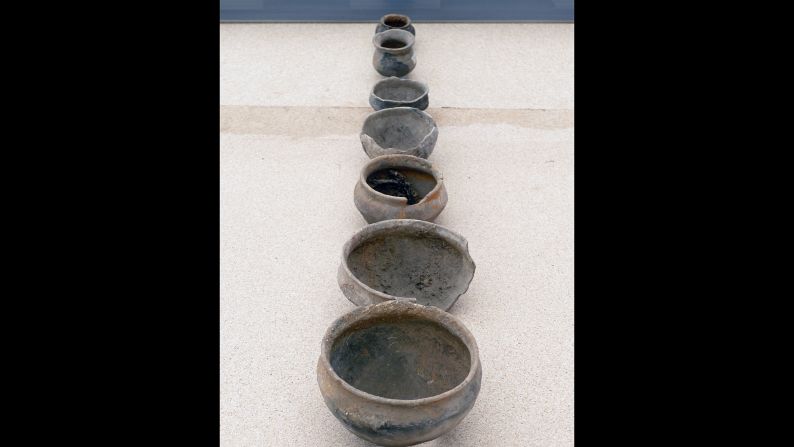
The consistent design of these small clay pots suggests they were made by the same potter.
Tobias Alexander Harvey for CNN
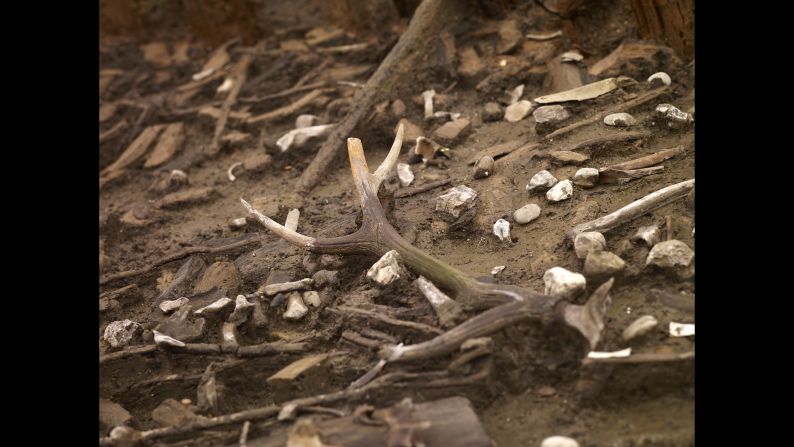
This deer antler is still attached to part of the skull, indicating that it wasn't shed naturally.