Your effort and contribution in providing this feedback is much
appreciated.
Close
Ad Feedback
Inside Bjarke Ingels’ Tirpitz Museum in Denmark
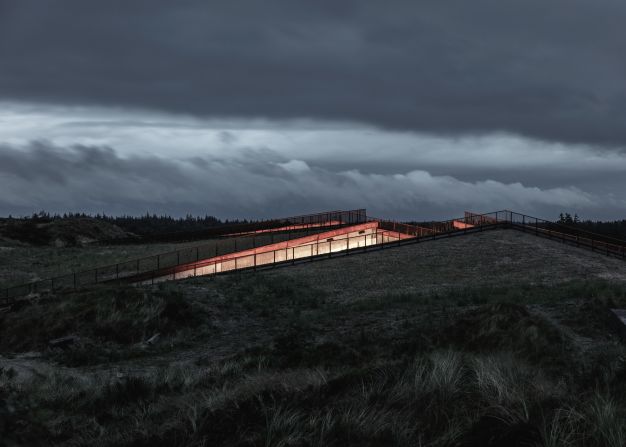
Danish architect Bjarke Ingels has transformed an original World War II bunker into the new Tirpitz Museum in Blåvand, Denmark.
Rasmus Hjortshoej
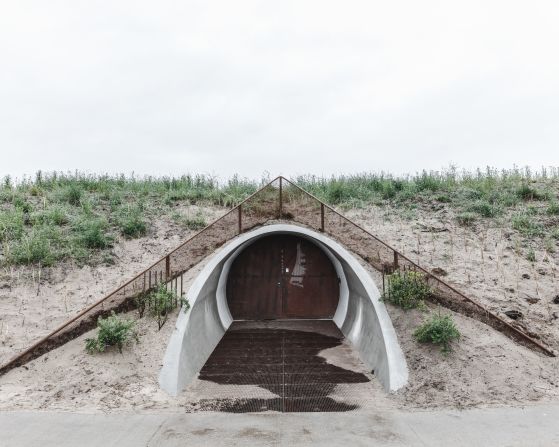
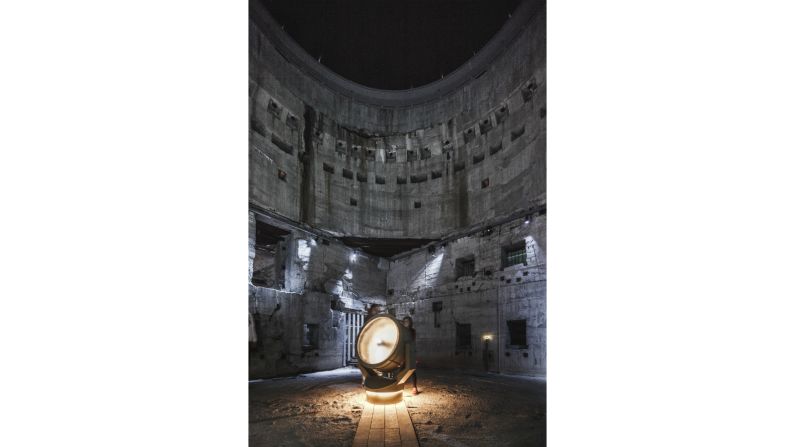
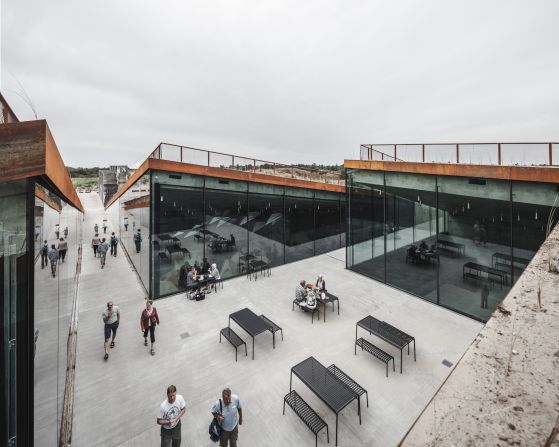
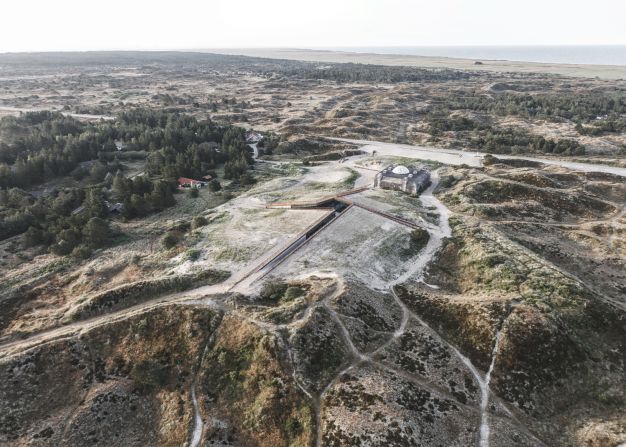
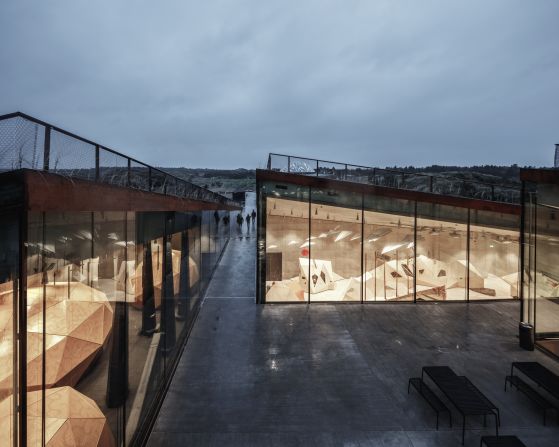
The new museum is partly underground, and connects to the former Nazi bunker through subterranean corridors.
Rasmus Hjortshoej
Ingels is well known for designing several high-profile projects such as Two World Trade Center in New York and the new Google headquarters in California, in collaboration with Thomas Heatherwick.
Rasmus Hjortshoej
The Tirpitz bunker was built by the Nazis as part of Hitler's Atlantic Wall in 1944, and abandoned, unfinished, at the end of WWII.
Rasmus Hjortshoej
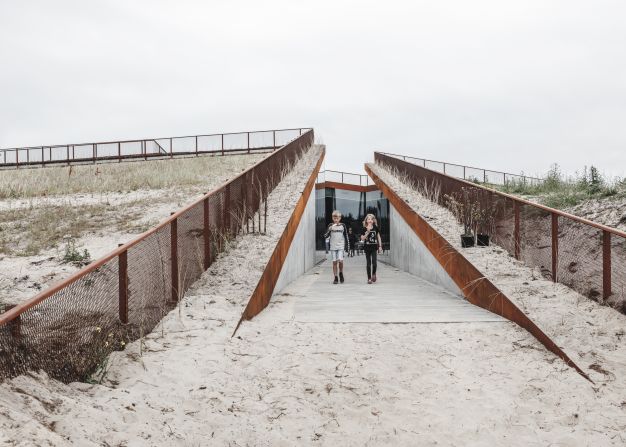
Ingels describes the new building as a "museum sunken in the sand."
Rasmus Hjortshoej
"It's almost compared to when you have a hot potato," says Ingels, "and you make the cross and you squeeze. It opens up and reveals the softness inside. That's pretty much what's going on here, just with culture and nature."
Rasmus Hjortshoej
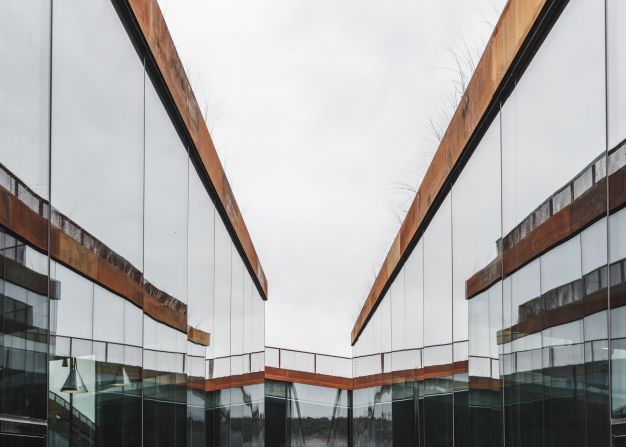
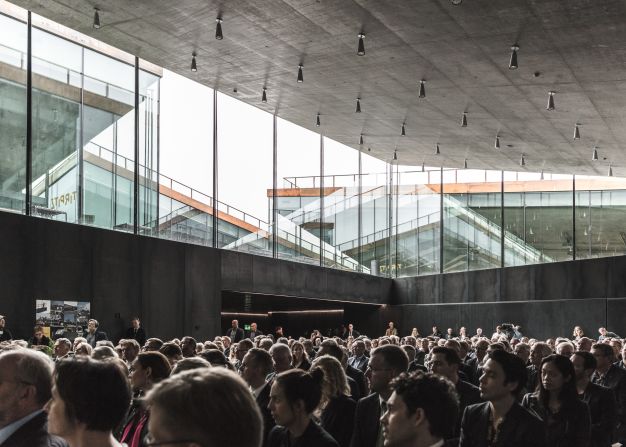
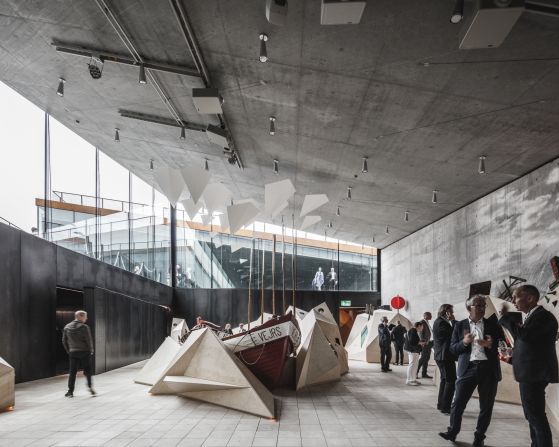
"Once you enter and descend, you actually find these huge galleries that are open and airy and allow views of the sky and the sunlight."
Rasmus Hjortshoej
The new museum was inaugurated and opened to guests on the June 29, 2017.
Rasmus Hjortshoej
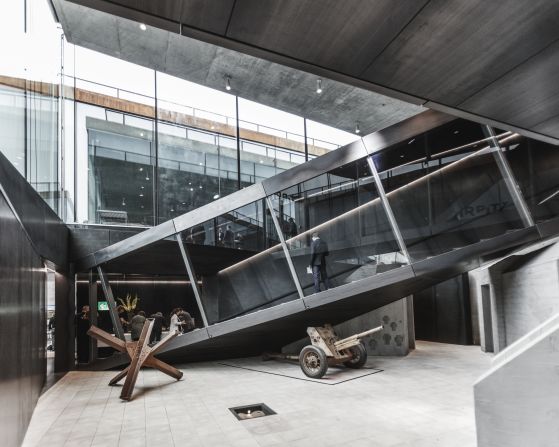
The galleries tell the story of the Atlantic Wall and also feature an extensive collection of amber.
Rasmus Hjortshoej
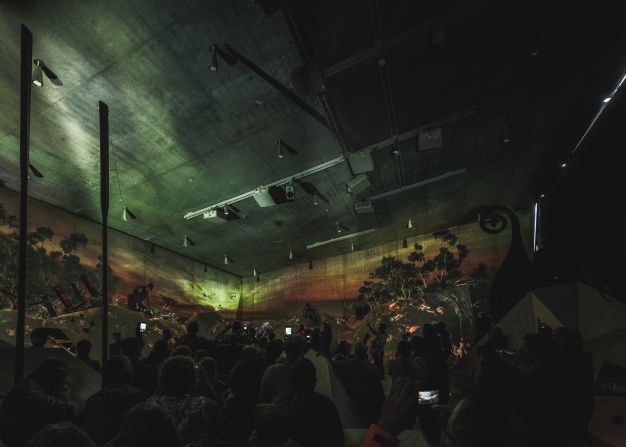
One of the galleries recounts life on the west coast of Denmark, from the Ice Age to today, through light projections.
Rasmus Hjortshoej
Another exhibition is dedicated to the enormous task of clearing the millions of mines that were left along the Danish west coast during World War II.
Rasmus Hjortshoej
"The museum is almost the landscape itself." says Ingels. "In this case literally, the dunes are the roof of the museum."