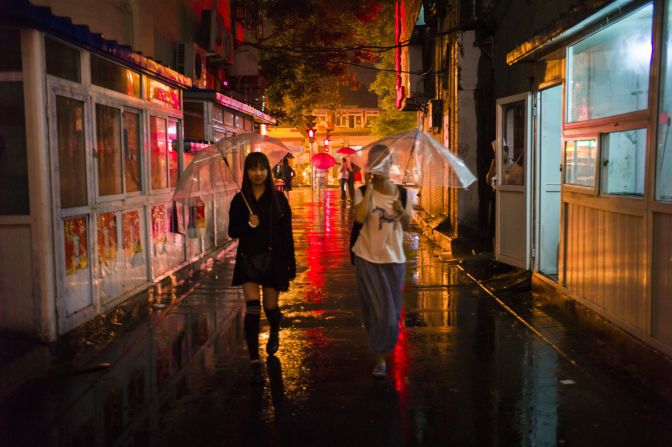
Night scene in a traditional Beijing Hutong. Many of these narrow alleyways have stood since the 13th century, the time of the Yuan Dynasty.
FRED DUFOUR/AFP/AFP/Getty Images
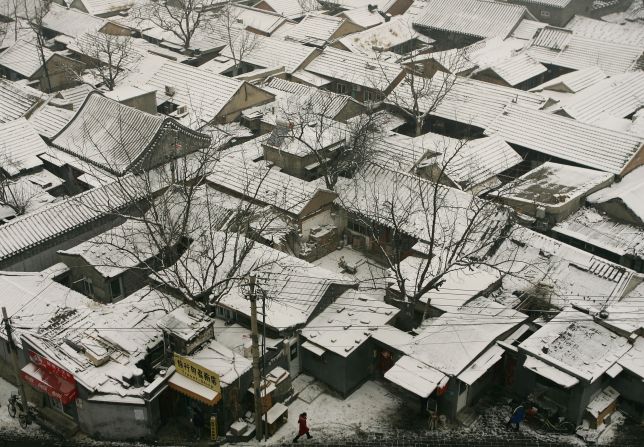
The Hutongs are dotted around the Chinese capital. They are popular attractions for tourists, offering some respite from an increasingly hectic city.
Feng Li/Getty Images AsiaPac/Getty Images
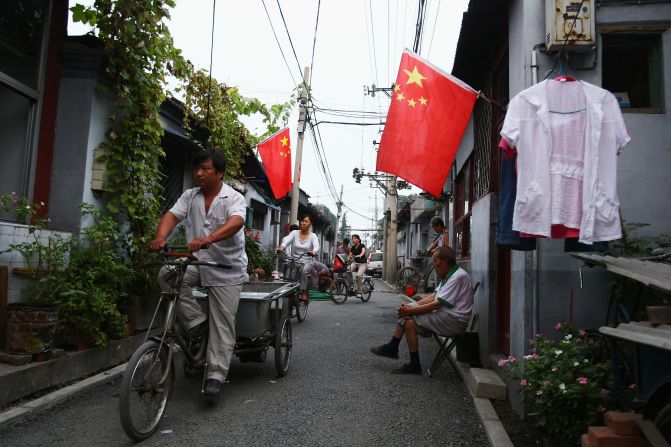
The pathways run alongside traditional houses with courtyards, forming close knit-neighborhoods.
Cancan Chu/Getty Images AsiaPac/Getty Images
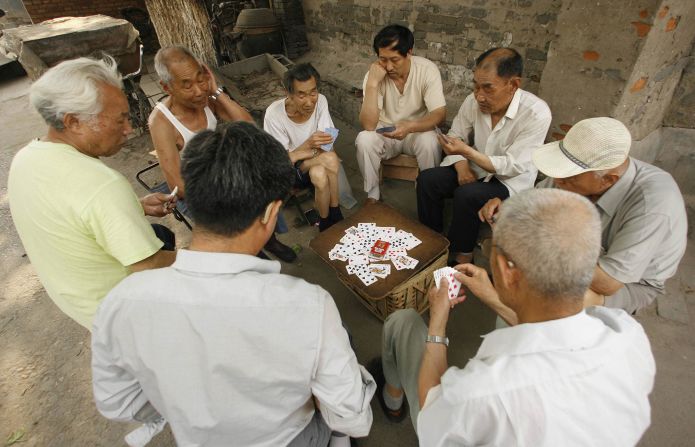
The Hutong neighborhoods have historically supported a communal way of life, with neighbors playing traditional games together.
PETER PARKS/AFP/AFP/Getty Images
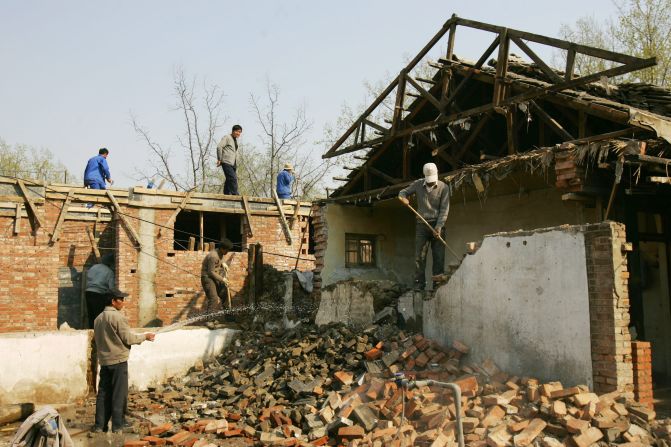
The majority of Hutongs have been demolished as Beijing pursues a path of rapid modernization. By some estimates, as few as 500 remain, down from over 3,000 in 1949.
China Photos/Getty Images AsiaPac/Getty Images
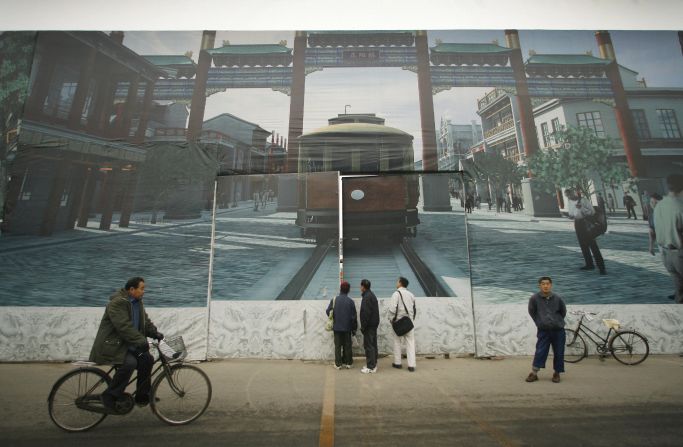
Many Hutongs have been replaced with new developments, such as this shopping and entertainment complex in one of Beijing's oldest districts.
PETER PARKS/AFP/AFP/Getty Images
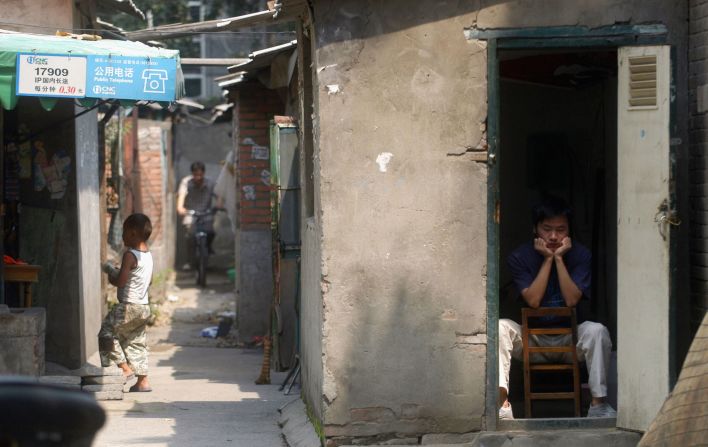
Most of the remaining Hutongs are protected, but there are widespread problems with a lack of insulation and sewage facilities.
China Photos/Getty Images AsiaPac/Getty Images
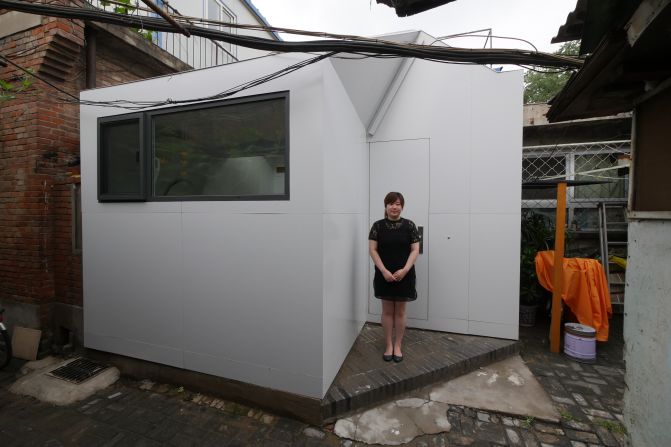
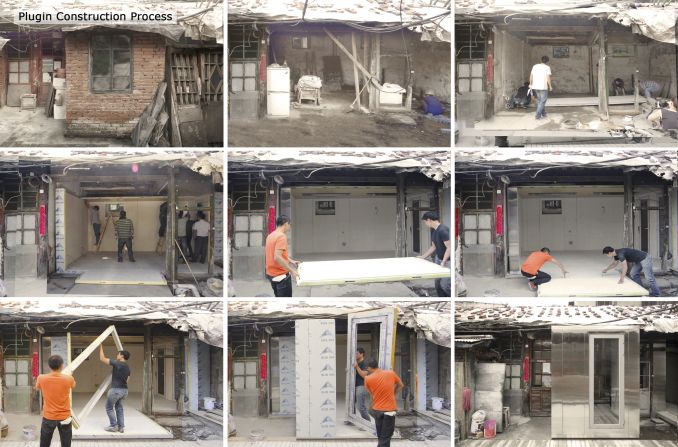
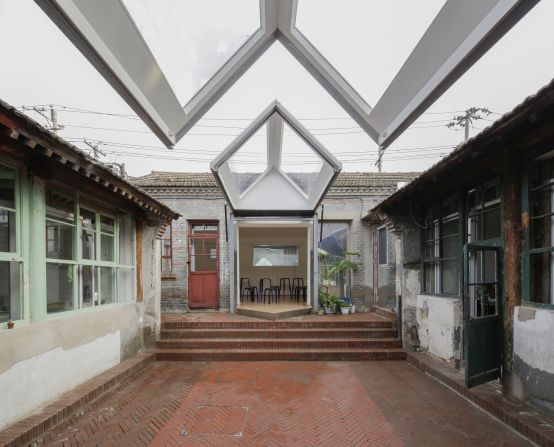
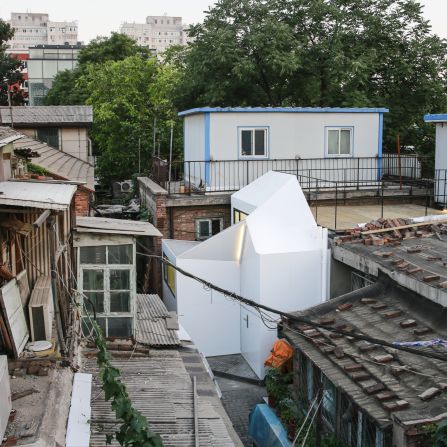
Architecture firm the People's Architecture Office (PAO) is seeking to rehabilitate Hutong homes through the use of a plugin modules, formed of steel and glass panels, which contain insulation, wiring, and windows.
Peoples Architecture Office
The panels can be fitted together on site, and installation takes only a day. The modules cost $500 per square meter, compared with the average Beijing price of $5,000 per square meter.
Peoples Architecture Office
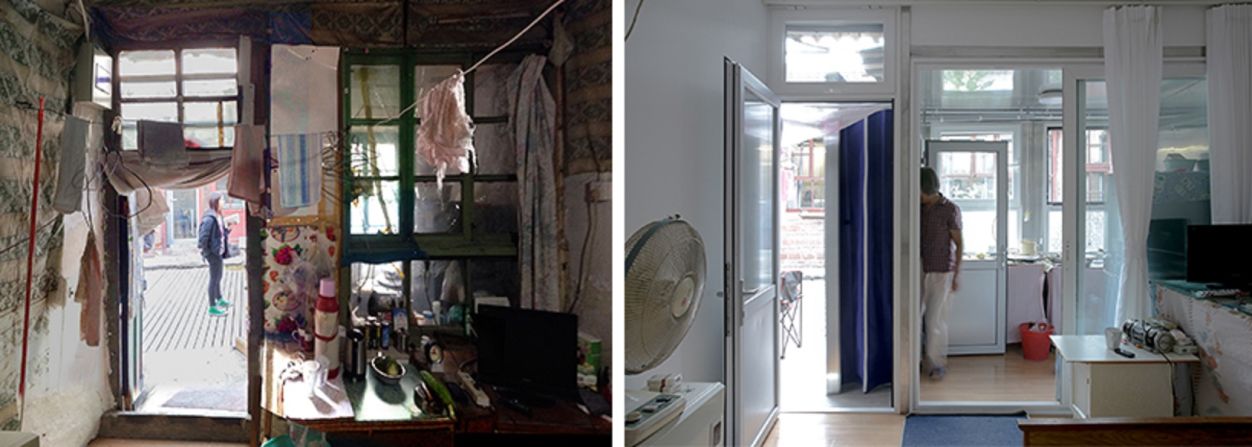
The plugin can be installed inside or outside Hutong homes without damaging the original features.
peoples architecture office
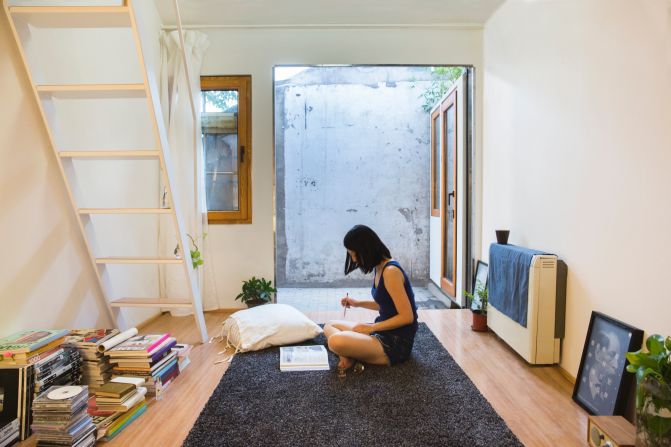
The panels allow users to configure the modules to suit their needs.
Peoples Architecture Office
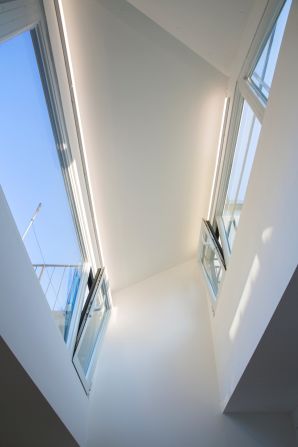
Skylights offer additional light.
Peoples Architecture Office
Doors open outward to save space, and the modules have provision for an outdoor shower.
Peoples Architecture Office
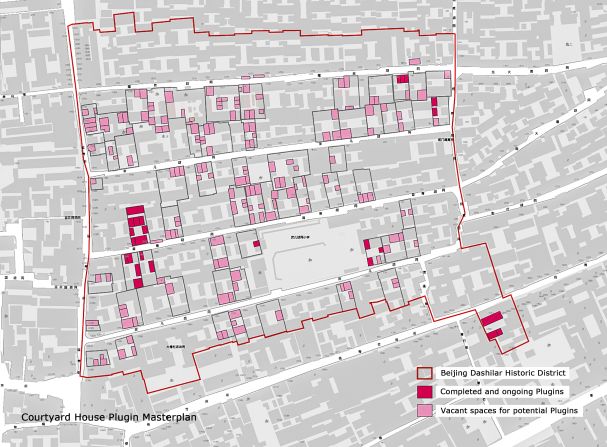
The PAO has completed a government-sponsored trial in the Dashilar district and is now moving on to serve private clients.
Peoples Architecture Office
PAO Co-founder James Shen hopes to install thousands of the plugin units, and believes they can revitalize the hutong neighborhoods.