The night sky on your wrist: An up-close look at astronomical watches | CNN
Thank You!
Your effort and contribution in providing this feedback is much
appreciated.
Close
Ad Feedback
The night sky on your wrist: An up-close look at astronomical watches
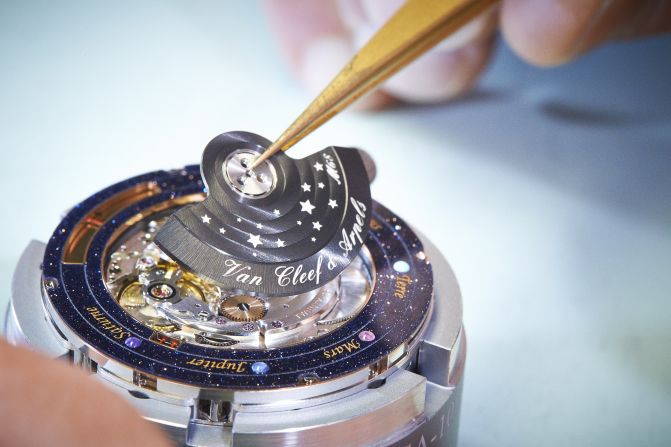
Midnight Planetarium from Van Cleef & Arpels —
Astronomy has long had an influence on the design and intricate technicalities of watchmaking. Here's a look at some of the industry's most beautiful astronomical timepieces.
courtesy van cleef arpels
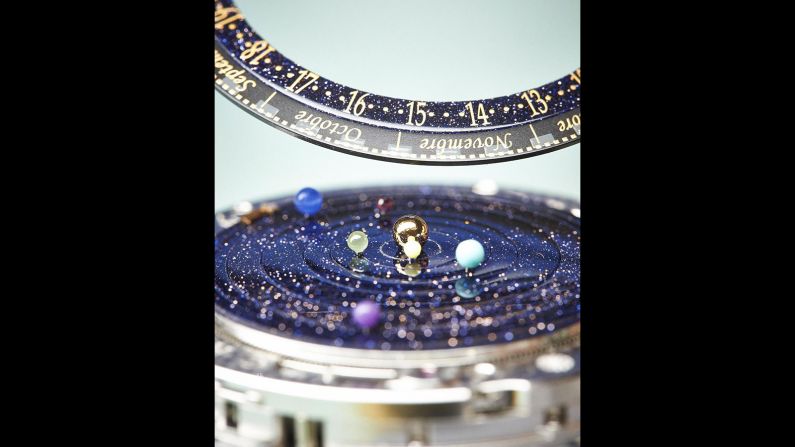
Midnight Planetarium from Van Cleef & Arpels —
This watch displays the sun in the center, with small representations of planets in orbit around it.
courtesy van cleef arpels
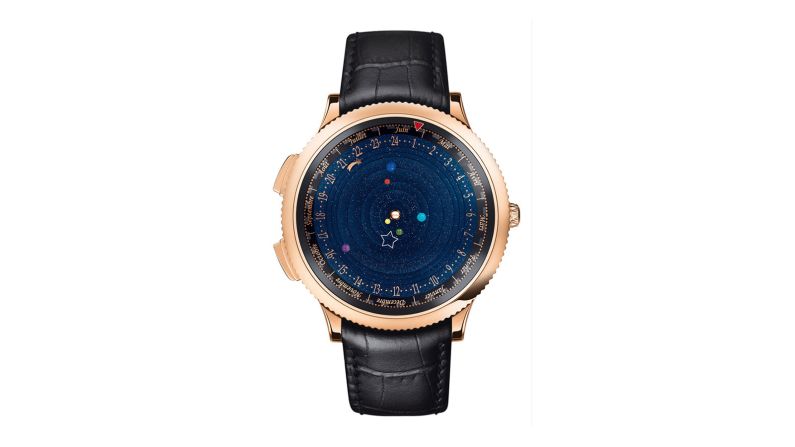
Midnight Planetarium from Van Cleef & Arpels —
The Midnight Planetarium by Van Cleef & Arpels features a miniature version of the solar system on its watch face.
courtesy Van Cleef & Arpels
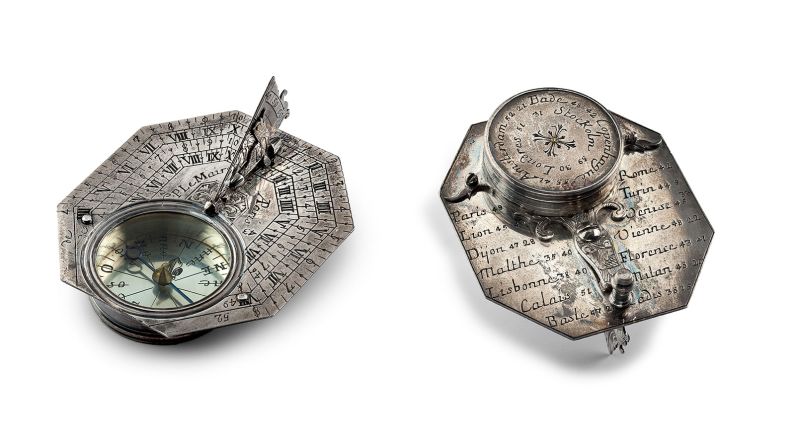
Silver Sundial signed Pierre LeMaire —
Currently part of the Musée international d'horlogerie in Switzerland, this silver sundial can be traced back to 18th century Paris.
Dominique Cohas / Fondation de la Haute Horlogerie, Geneva, Switzerland
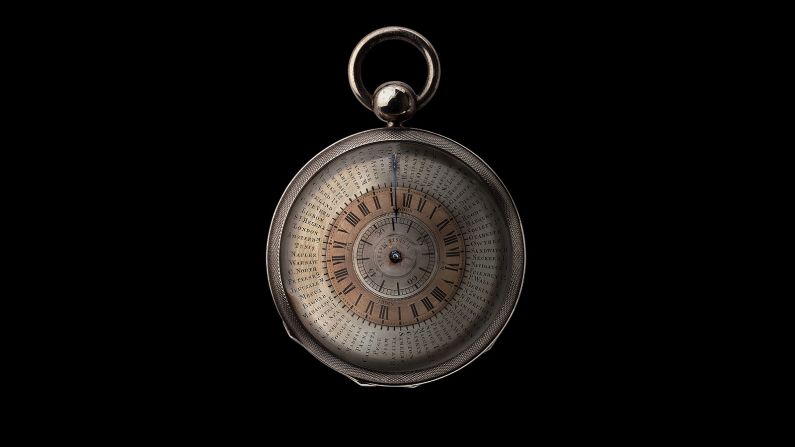
Pocket watch showing local time in 72 world cities —
This pocket watch is currently featured at the Musée international d'horlogerie. It displays the local time in 72 cities across the world. Its origins have been traced back to New York before 1884.
Dominique Cohas / Fondation de la Haute Horlogerie, Geneva, Switzerland
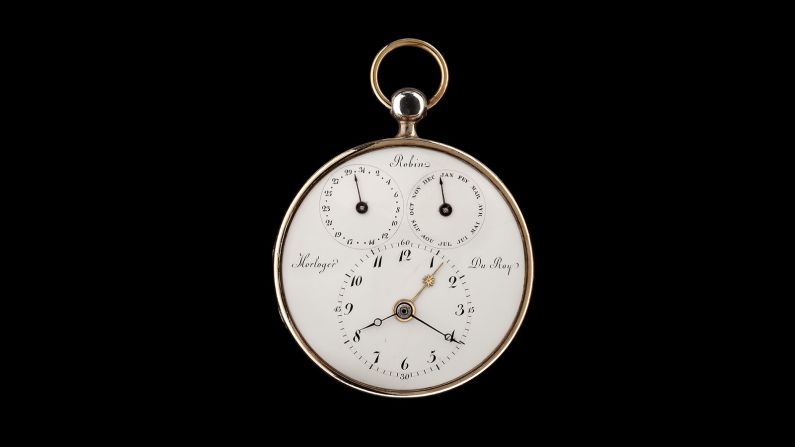
Pocket watch with day, date, equation of time, Robert Robin, Paris, circa 1770 —
The difference between true solar time, which varies from day to day because of the Earth's elliptical orbit and the observer's location, as well as solar mean time. Mean time, given by watches, ignores these daily variations and divides time into equal hours. The equation of time is the quantity that must be added or subtracted to achieve solar mean time. An equation-of-time watch indicates this daily difference in solar time. Owning this kind of watch shows the owner's interest in rare complications or science of astronomy.
Dominique Cohas / Fondation de la Haute Horlogerie, Geneva, Switzerland
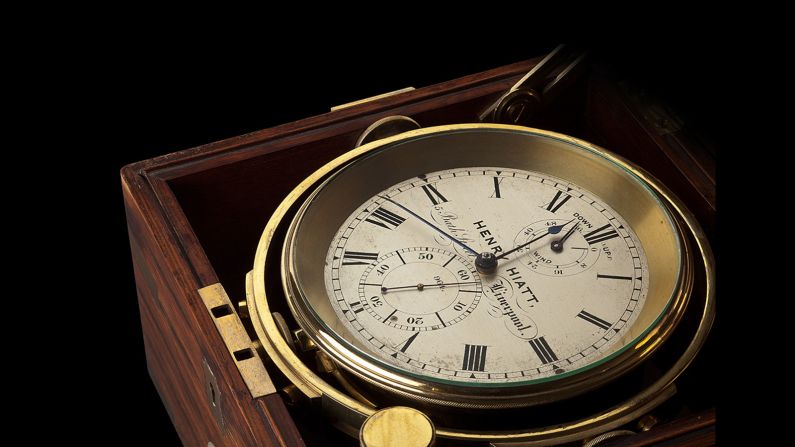
Marine chronometer, Henri Hiatt, Liverpool, mid-19th century —
Very accurate time was needed to calculate your exact position on the sea. Marine chronometers were made to keep precise time on board.
Dominique Cohas / Fondation de la Haute Horlogerie, Geneva, Switzerland
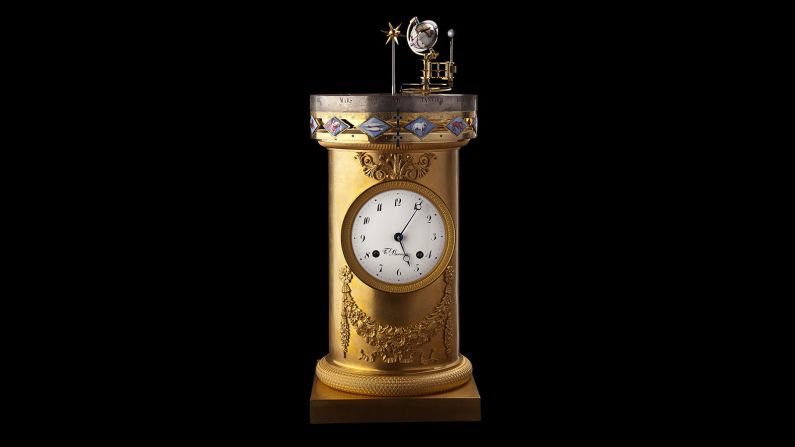
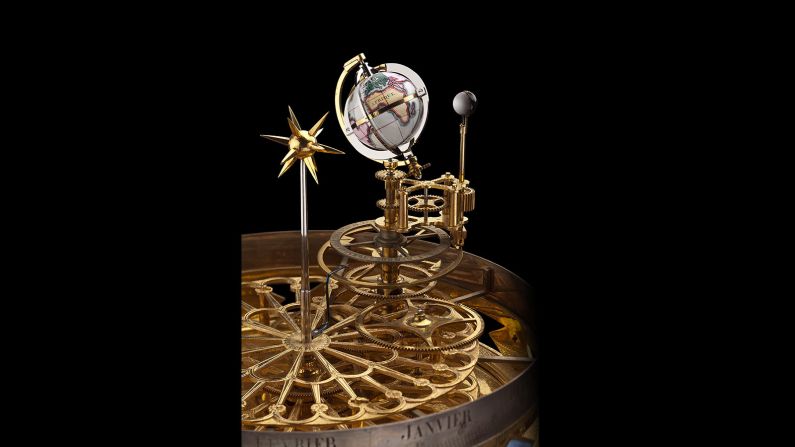
Planetary Clock, François Ducommun, La Chaux-de-Fonds, 1830 —
This planetary clock shows the exact position of the Earth and the Moon around the Sun. Zodiac signs also appear on the timepiece.
Dominique Cohas / Fondation de la Haute Horlogerie, Geneva, Switzerland
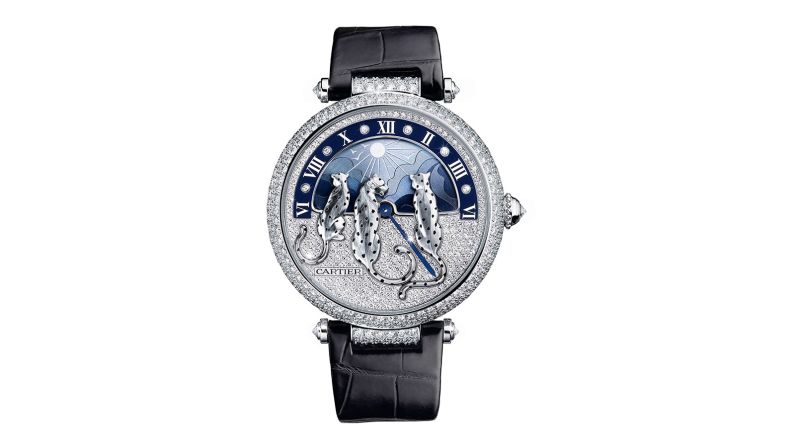
Reves de Pantheres from Cartier —
The Reves de Pantheres features three of Cartier's signature panthers gazing up at the sky. The panthers are made of 18k white gold and there are 6.7 carats of diamonds on the case and dial. It features two watch faces: one for day and one for night.
courtesy cartier
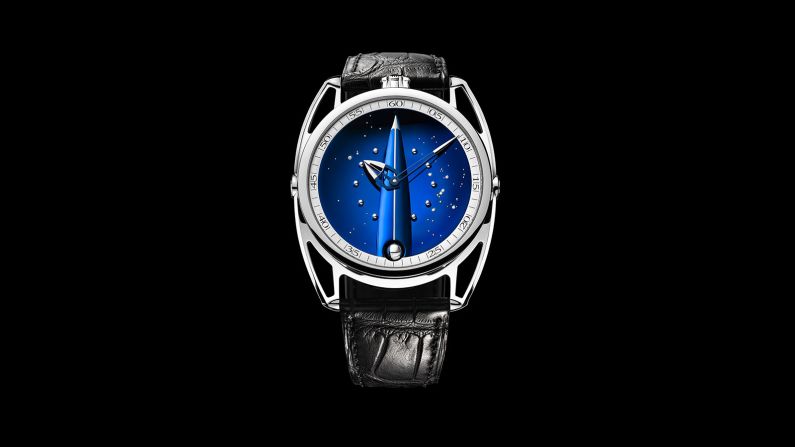
DB28 Skybridge from De Bethune —
The DB28 Skybridge features a blue titanium base as the dial, and is finished with polished titanium balls and diamonds. The dial imitates the night sky.
courtesy de bethune
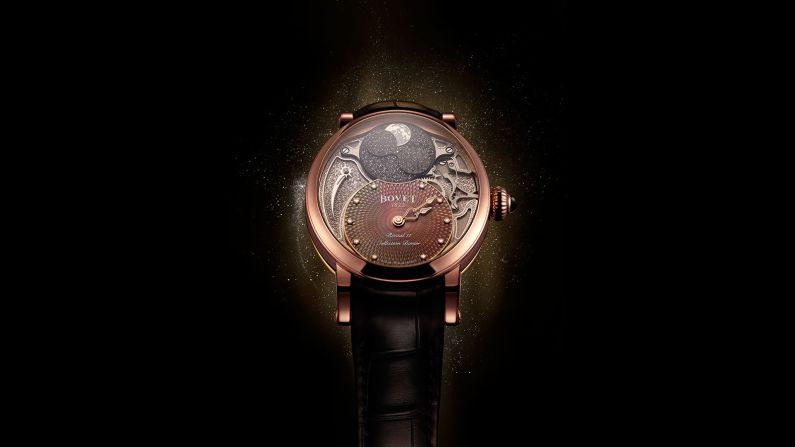
Récital 11 "Miss Alexandra" from Bovet —
The Récital 11 "Miss Alexandra" by Bovet is a women's watch named after the daughter of Pascal Ravy, the owner of the company. It features a moonphase with two black moons on a moving disc.
courtesy bovet
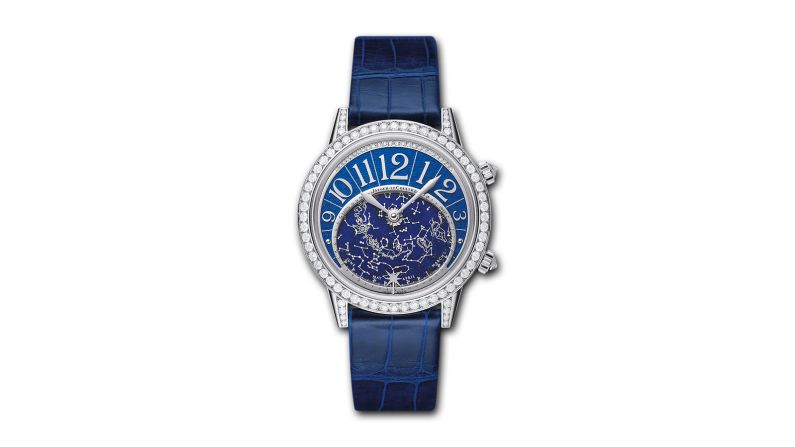
Rendez-vous Celestial from Jaeger-LeCoultre —
Swiss watchmaker Jaeger-LeCoultre released the Rendez-vous Celestial in 2013. The watch is built using an 18-carat grey gold case. It's finished with 155 diamonds, and features a series of zodiac star constellations on the watch's face.
courtesy Jaeger-LeCoultre
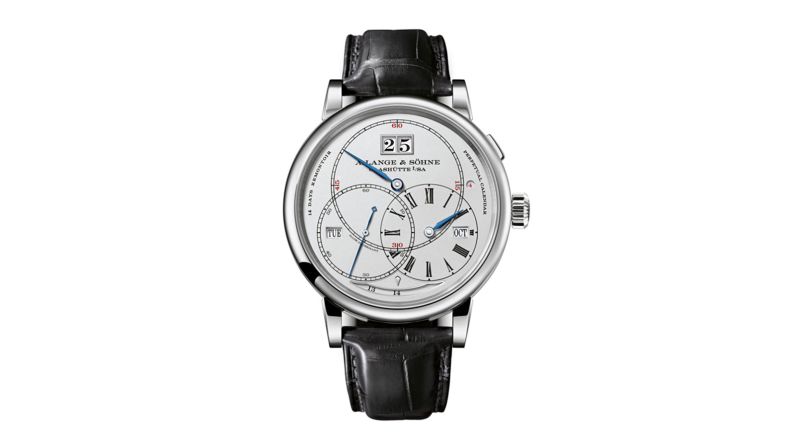
Richard Lange Perpetual Calendar "Terraluna" from A. Lange & Söhne —
The Richard Lange Perpetual Calendar "Terraluna" from A. Lange & Söhne was first revealed at the Salon International De La Haute Horlogerie in Geneva in 2014. It features an graphic orbital moonphase complication.
courtesy A. Lange & Söhn
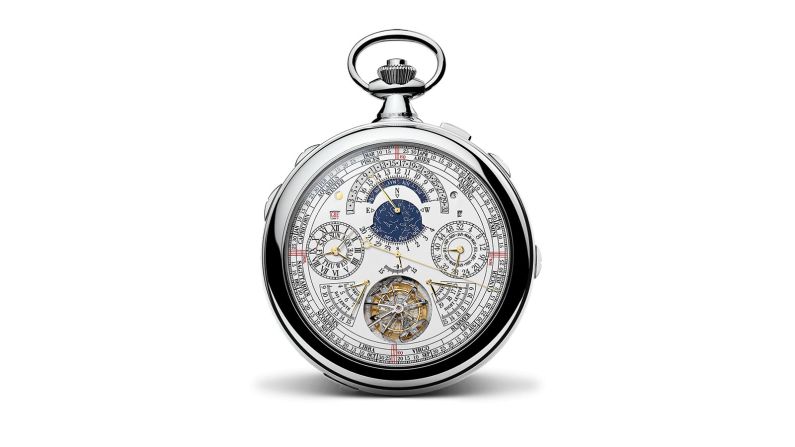
Reference 57260 from Vacheron Constantin —
Marketed as "most complicated watch ever made," the Reference 57260 by Vacheron Constantin is a pocket watch that was released in celebration of the company's 270 year anniversary. The watch took eight years in research, development and prototyping.
courtesy vacheron constantin
Planetary Clock, François Ducommun, La Chaux-de-Fonds, 1830 —
A planetary clock displayed at the International Museum of Horology in Switzerland.
Dominique Cohas / Fondation de la Haute Horlogerie, Geneva, Switzerland