Your effort and contribution in providing this feedback is much
appreciated.
Close
Ad Feedback
The artists bending cities to their will
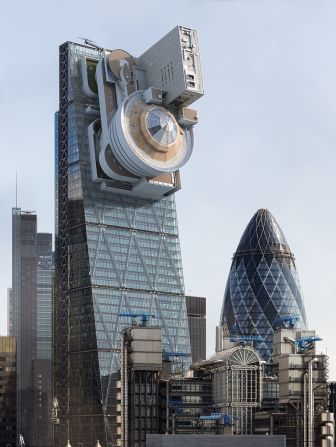
Victor Enrich's manipulated image attaches Frank Lloyd Wright's Guggenheim building to the side of central London's "Cheesegrater" skyscraper, a critique of the impact of money on art.
Courtesy Victor Enrich
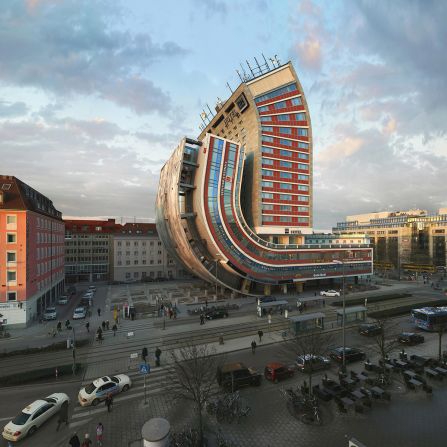
In his 2013 series "NHDK," Enrich manipulated a single photo of Munich hotel into a series of 88 different shapes.
Courtesy Victor Enrich
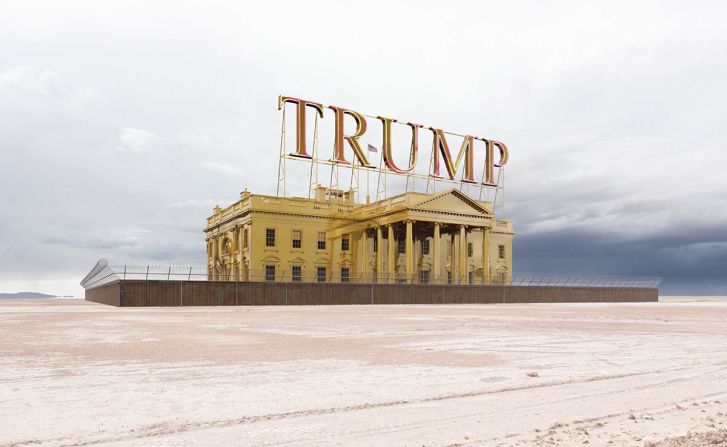
Enrich's work has become increasingly provocative, with this recent picture re-imagining Trump's White House in solid gold.
Courtesy Victor Enrich
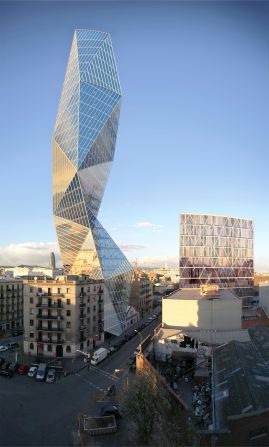
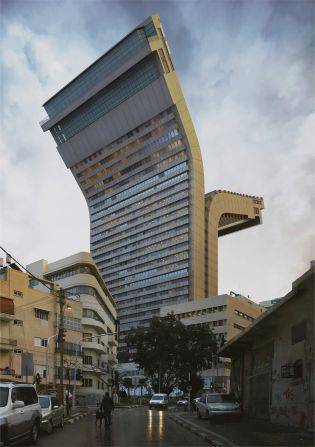
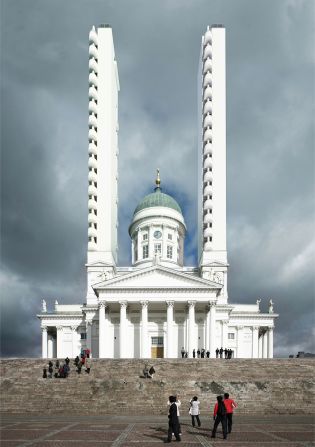
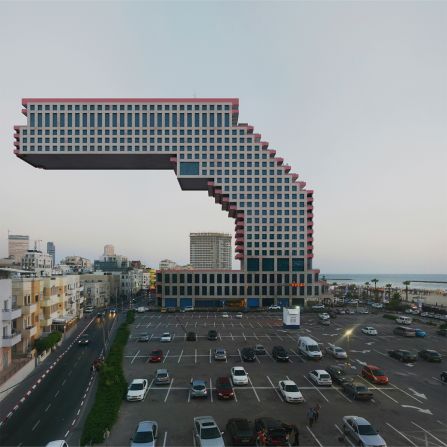
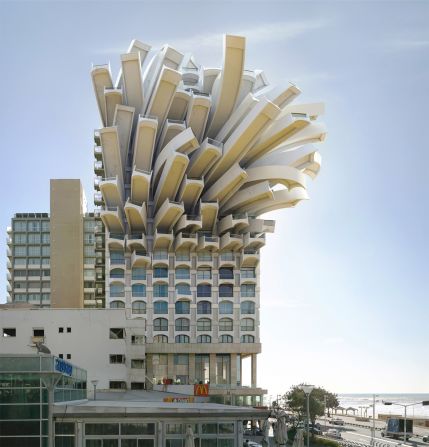
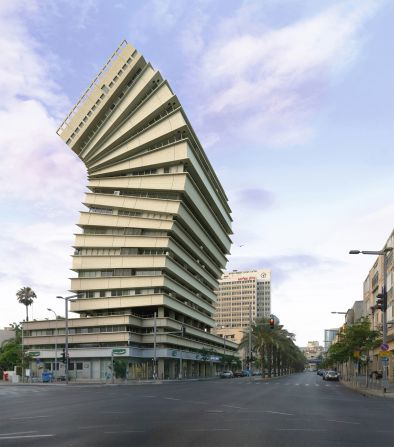
Enrich's "City Portraits" series saw the artist and photographer twisting tower blocks into unusual and fantastical shapes.
Courtesy Victor Enrich
Enrich digitally maps the photographic perspective and the building's architectural lines, before bending buildings to his will.
Courtesy Victor Enrich
After altering a building, Enrich must painstakingly apply texture, color and shading to make changes appear as realistic as possible.
Courtesy Victor Enrich
Enrich's vision of an impossibly top-heavy skyscraper that appears to stand without structural support.
Courtesy Victor Enrich
"Maybe what I'm trying to do is invite people to play with me," Enrich said, "to invite people into my world."
Courtesy Victor Enrich
Having spent more than a decade as a CG artist and visualizer for architecture firms in Barcelona, Enrich was already familiar with the 3D modeling software needed to distort his pictures.
Courtesy Victor Enrich
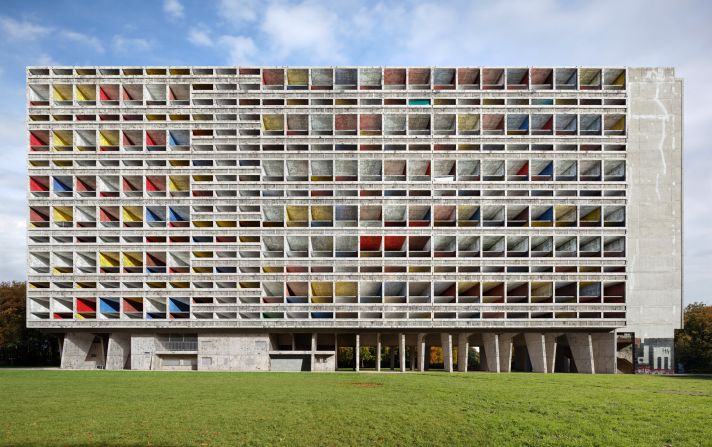
In one of his best-known series, "Pilgrimage Along Modernity," Brussels-based artist Xavier Delory modifies pictures of famous modernist buildings to make them appear abandoned or vandalized.
Courtesy Xavier Delory
Delory's work often envisages the impact of urban decay on buildings.
Courtesy Xavier Delory
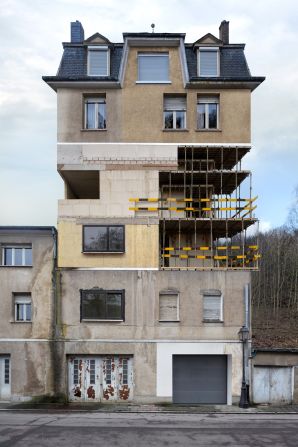
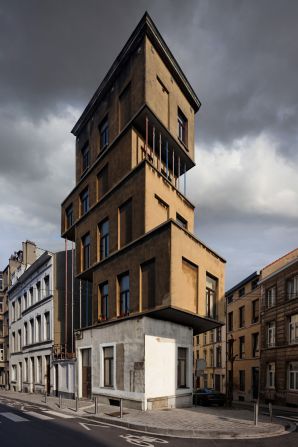
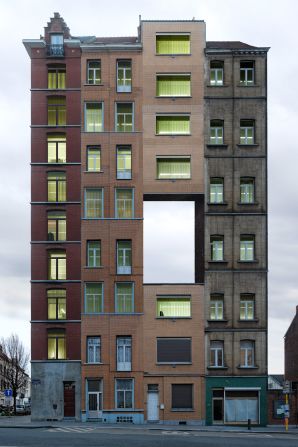
A series of towers made by stacking typical Brussels houses on top of one another.
Courtesy Xavier Delory
Delory refers to his work -- and that of similar artists -- as "architectural fiction."
Courtesy Xavier Delory
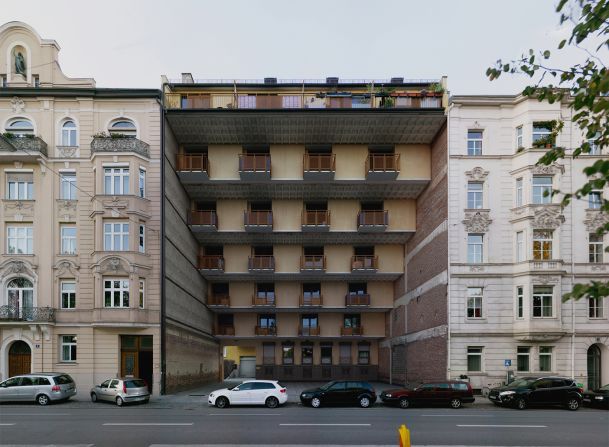
Enrich imagines an implausible apartment block wedged between two grand Munich buildings.
Courtesy Victor Enrich
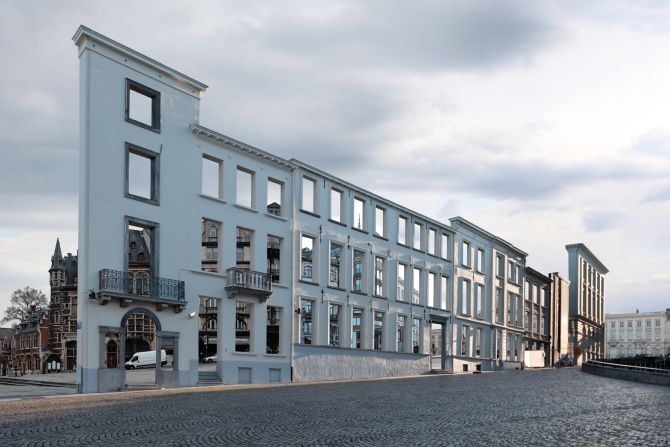
Delory's images of standalone facades critique the conservation practice of maintaining a historic building's frontage while demolishing the rest.
Courtesy Xavier Delory
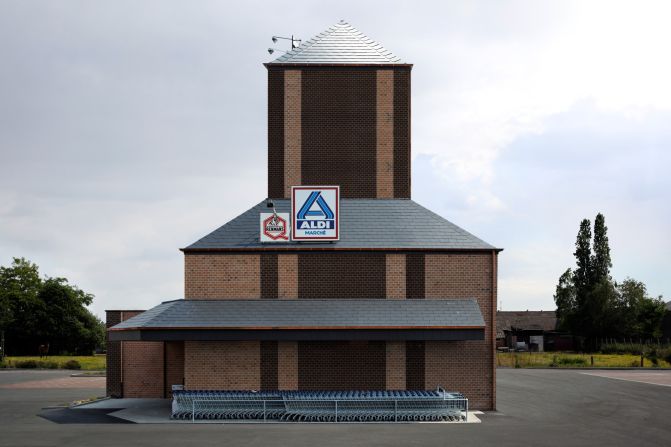
In an image named "Closed on Sundays," Delory created a supermarket in the shape of a church as a commentary on consumerism.