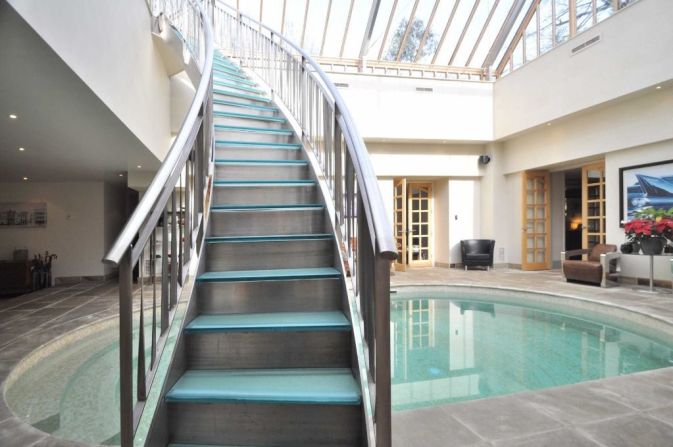
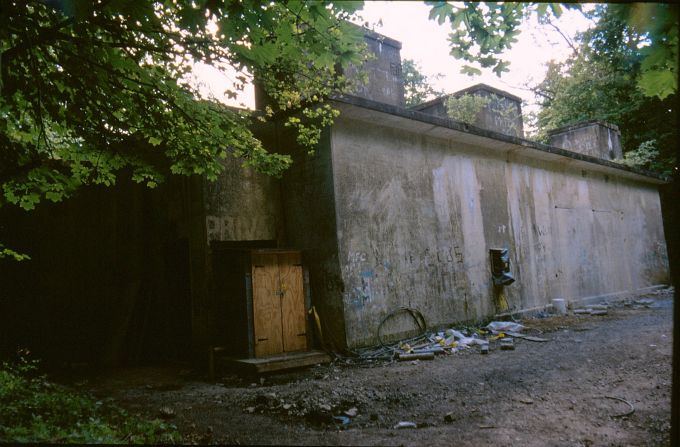
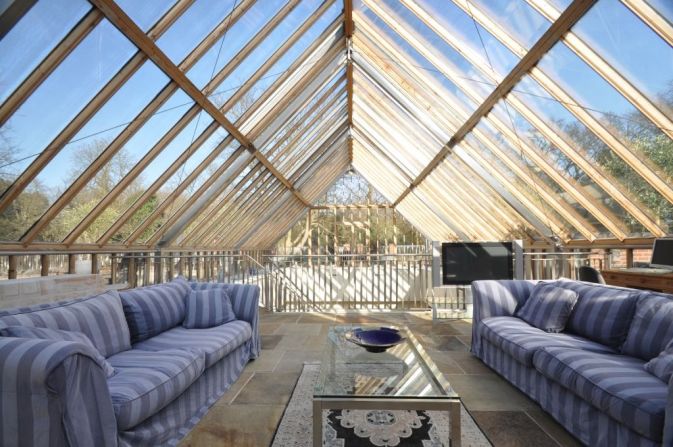
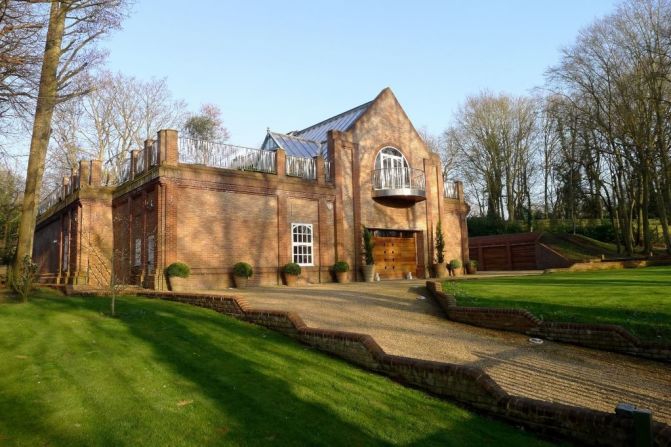
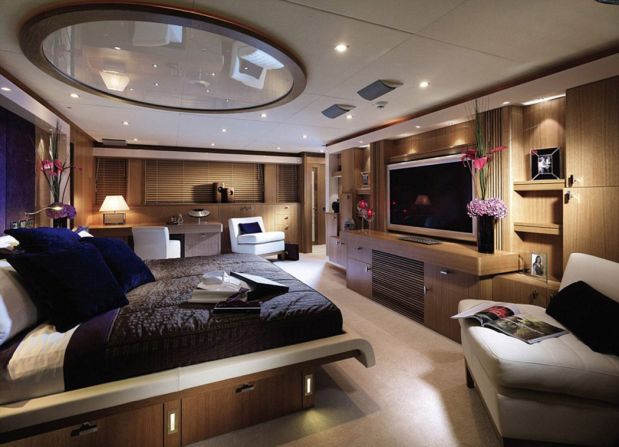
A secret bunker in South-East London, built to protect key government employees during a nuclear winter, has been transformed into a $4 million luxury residence.
JDM estate agents
Under the radar —
The original bunker housed a map room, advanced communications kit, and an independent fuel supply protected by five feet of concrete.
Chislehurst Society
New dawn —
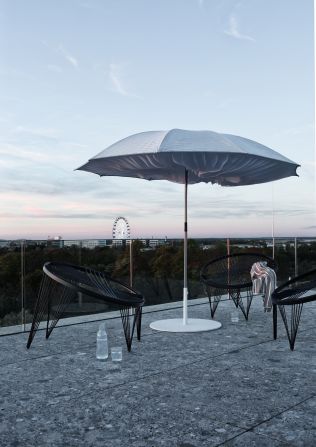
The two-year conversion of the property saw the concrete replaced with a retractable glass roof, with windows carved out for five bedrooms on the lower level.
JDM estate agents
Niche taste —
"It's a very individual type of property that is not going to suit everybody," says Steven May, of JDM Estate Agents, which is managing the property. "This is for someone looking for something a bit different in a quiet location."
JDM estate agents
Taking no chances —
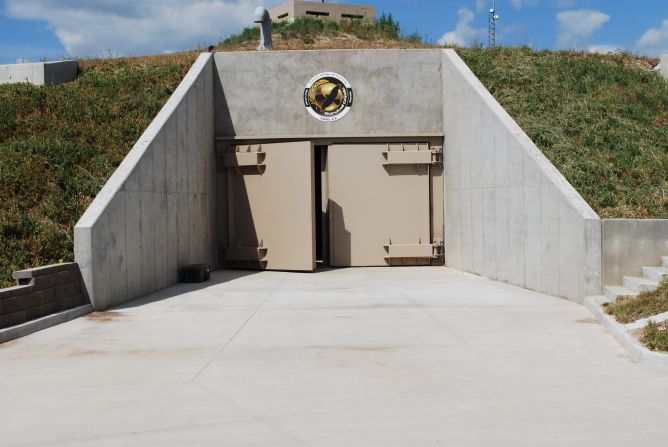
Retail firm Survival Condos offers refuge at a re-purposed missile silo in Kansas, United States. The luxury apartments here are stacked underground and protected by blast doors designed to withstand explosions.
Survival condo
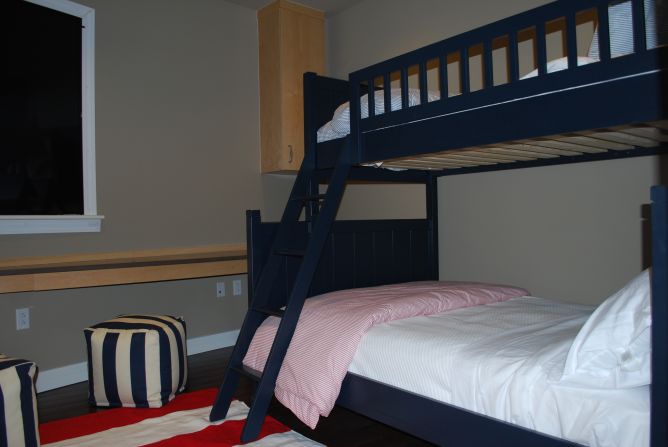
Bunker bunks —
Apartments cost up to $3 million, with room for around 70 people in the complex, which includes a gym, cinema and climbing wall.
survival condo
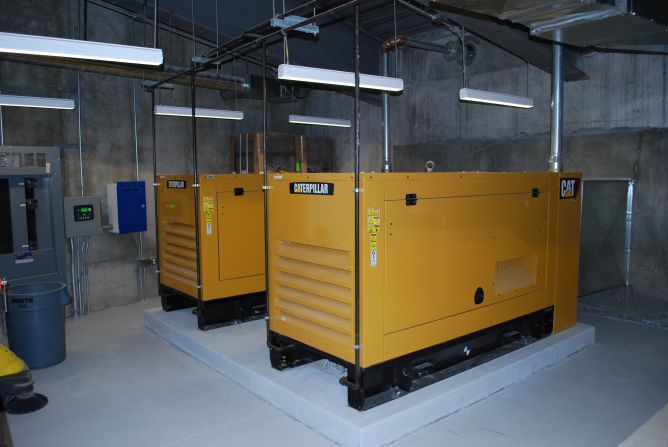
Self-sufficient —
The complex is equipped with fuel generators, so occupants can survive in a post-apocalyptic scenario.
survival condo
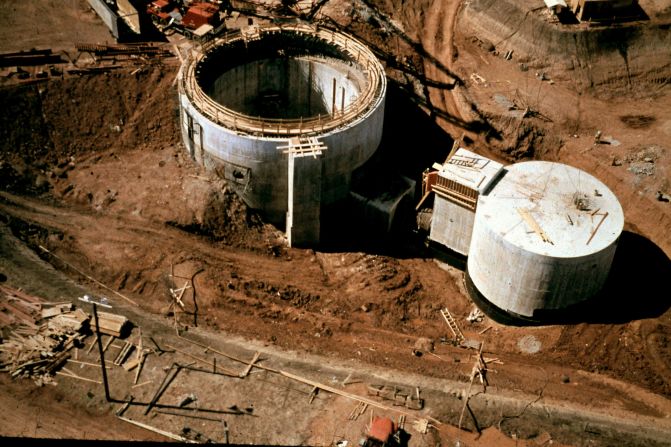
Recyled —
The Kansas site was originally a missile silo built during the Cold War. Survival Condos is constructing a second complex close by.
survival condo
Back to life —
Germany has re-purposed thousands of bomb shelters. Architect Rainer Mielke has transformed at least a dozen in his native Bremen, and lives in one himself. In many cases, the sparse concrete aesthetic is retained.
Courtesy The Spaces
Comfort in Cologne —
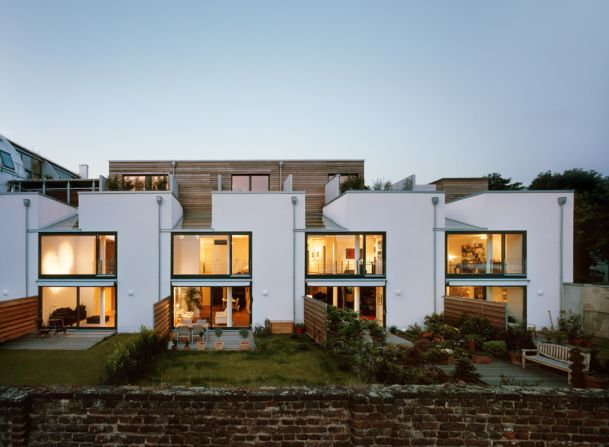
Luczak Architekten created a vibrant residential block in Cologne from a ground-level world war two shelter. The 17 loft-style apartments feature large windows and terraces, as well as flexible floor plans, internal atriums and gardens.
Constantin Meyer, Köln
The mothership —
Vivos Europa One, in Rothenstein, is one of Germany's largest repurposing projects. The 76-acre former Soviet bunker is capable of withstanding a nuclear blast, a direct plane crash or biological attack. It is being transformed into 34 five-star apartments, starting at 2,500 sq ft, which aim to protect the super-rich from any forthcoming apocalypse.
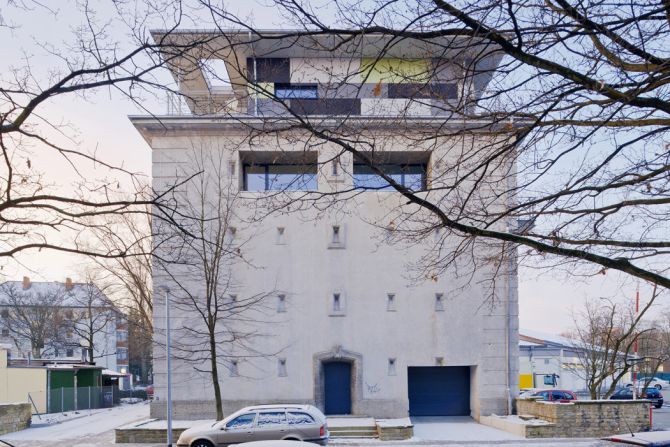
Property developer Stefan F. Höglmaier converted an air-raid shelter in Munich into apartments, reserving three floors for himself.
Re-imagining —
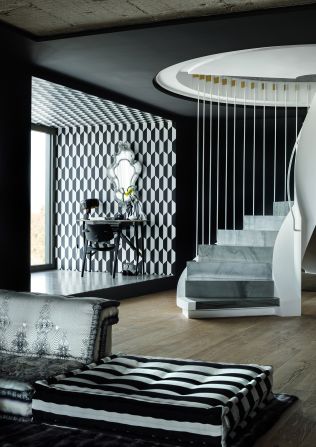
The multi-million Euro transformation involved carving windows into concrete walls and installing a glass penthouse on the roof.
Enhanced aesthetics —
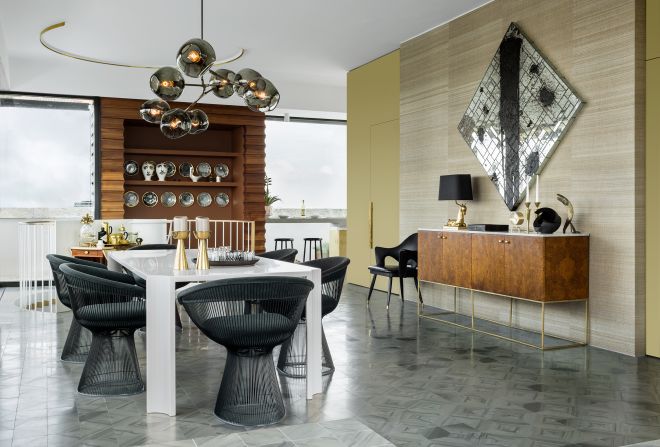
To overcome ghosts of the past, the developer gave one floor a 1920s theme, while another draws on the 1960s.
Haunted house —
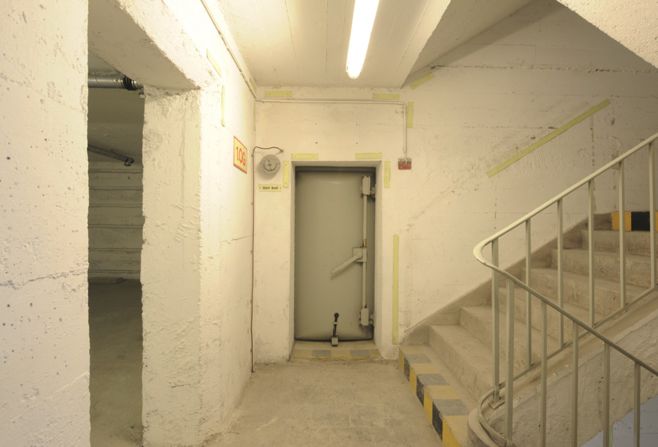
The bunker before transformation.
"No one was interested in doing anything with it," says the developer. "But we should not erase history."
euroboden
'Rat tribe' —
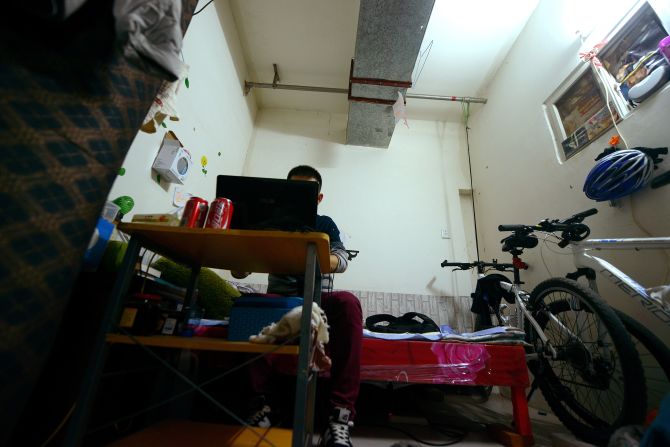
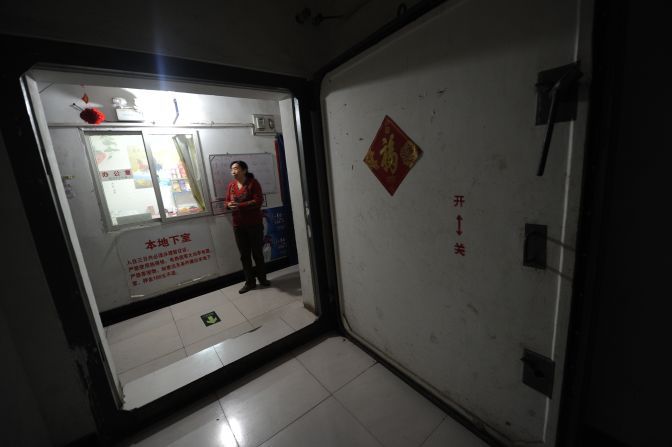
While bunker developments in the West are typically pitched at the luxury end of the housing market, re-purposed shelters provide basic subsistence accommodation for up to one million people below Beijing, in China, dubbed the "rat tribe".
WANG ZHAO/AFP/AFP/Getty Images
Underground cities —
Annette Kim, professor of spatial analysis at the University of Southern California, says the shelters offer better conditions than many properties for low-income workers above ground, and better locations close to the city center.
She expects the most populous cities to pursue urban planning underground.