Your effort and contribution in providing this feedback is much
appreciated.
Close
Ad Feedback
Ai Weiwei at the Royal Academy
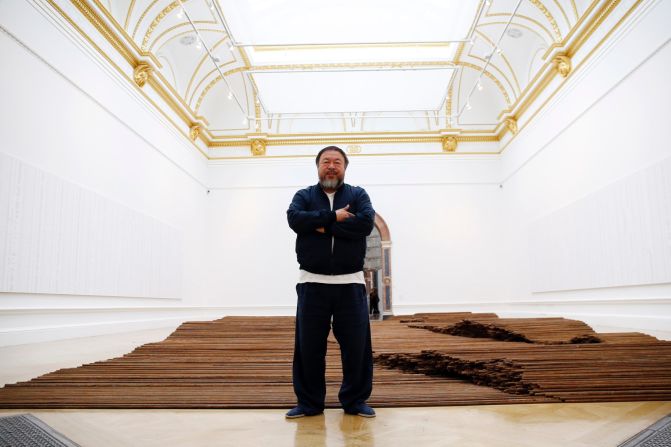
Straight, 2008-12. The work comprises 90 tons of steel rebars found at the site of the 2008 Sichuan earthquake where low quality building practices and government corruption were blamed for the deaths of over 5000 children in collapsed school buildings.
Alex B. Huckle/Getty Images Europe/Getty Images
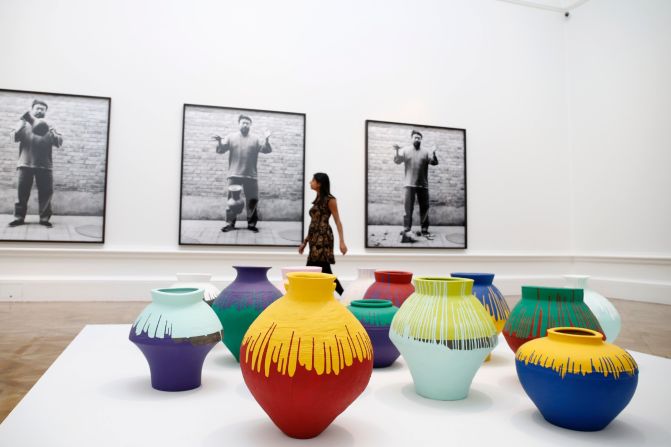
Back: Dropping a Han Dynasty Urn, 1995. Front: Coloured Vases, 2006 Neolithic vases (5000-3000 BC) painted by the artist with industrial paint. Ai's destruction or appropriation of ancient Chinese urns have been seen as provocative comments on the vandalism of ancient Chinese culture by the country's modern leaders.
Alex B. Huckle/Getty Images Europe/Getty Images
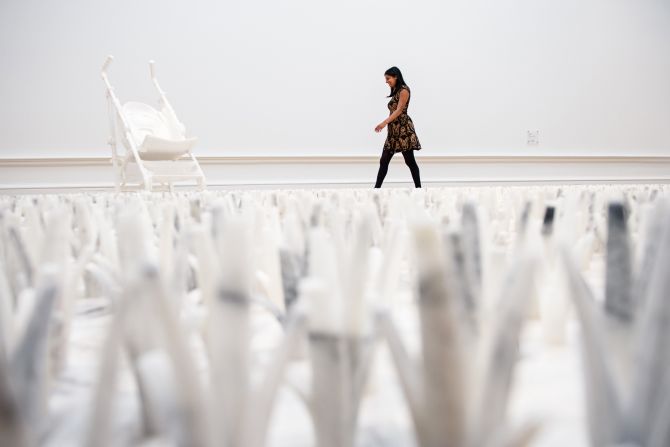
Cao, 2015. Hundred of interlocking marble sculptures of grass, with a marble stroller. The word "cao" means grass, but is used in Chinese literature to refer to the common people. It is also used in place of swearwords online. The stroller calls back to a experience where Ai confronted a man he believed to be a government agent, and discovered a memory card full of photographs of his family, including young son in a stroller, explains Marlow.
LEON NEAL/AFP/AFP/Getty Images
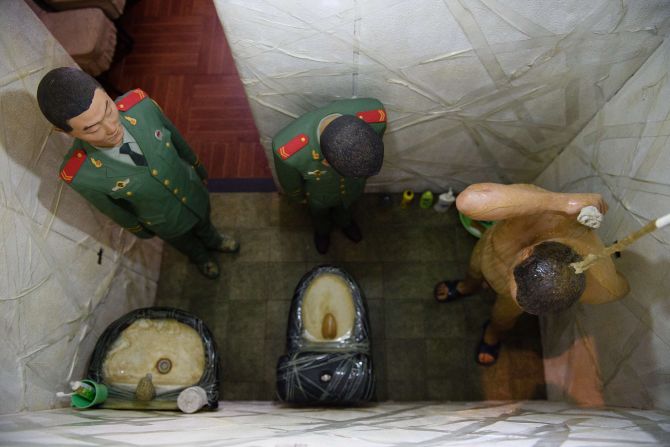
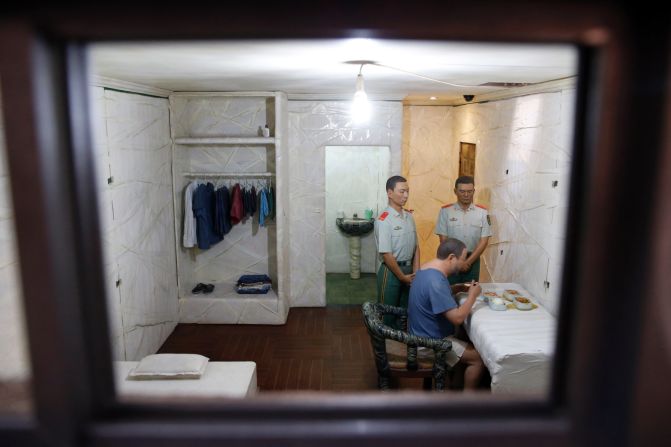
S.A.C.R.E.D. (detail), 2012. Six highly detailed fiberglass dioramas depict Ai's time while held by the Chinese government, recreated from the artist's memory.
Leon Neal/AFP/Getty Images
S.A.C.R.E.D. (detail), 2012. Visitors pull open flaps and stand over or crouch down to look into the oxidized metal boxes to view the scenes. (See more in the video below)
Alex B. Huckle/Getty Images Europe/Getty Images
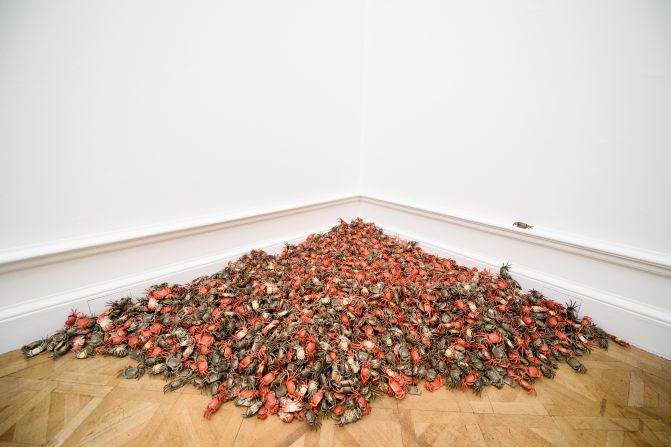
He Xie, 2011. Porcelain river crabs. "River crab" and "harmonious" are homonyms in Mandarin, and the Chinese Communist Party is known to often use the latter in slogans. It is understood, in AI's work, to refer to government censorship.
LEON NEAL/AFP/AFP/Getty Images
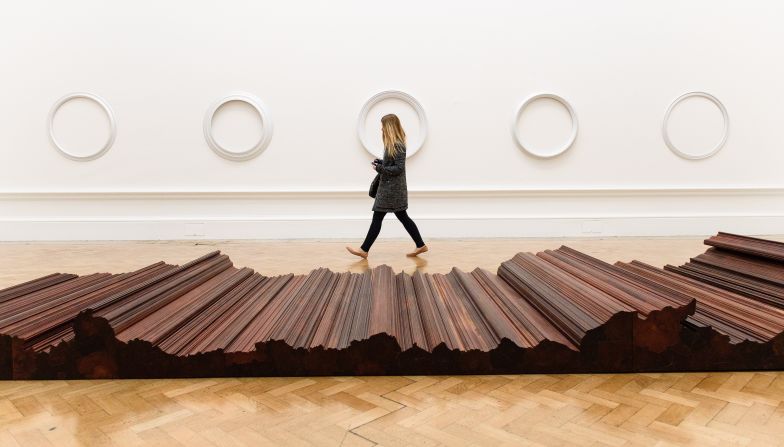
Bed, 2004. An ironwood "map" of China's borders. The materials are recycled from Qing dynasty timber and recycled materials permeate the show.
LEON NEAL/AFP/AFP/Getty Images
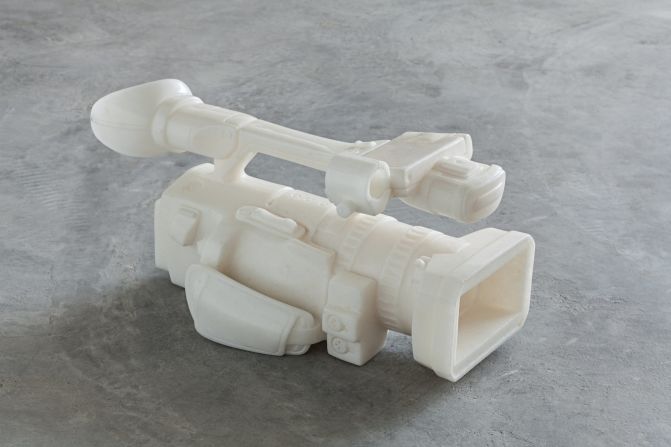
Video Recorder, 2010, Marble. Ai bought a share in the imperial Fangshan quarries from which marble for the palaces of the Ming and Qing emperors was extracted, and more recently for buildings for the Chinese Communist Party. This work, as well as Ai's other marble sculptures, use marble from the same source.
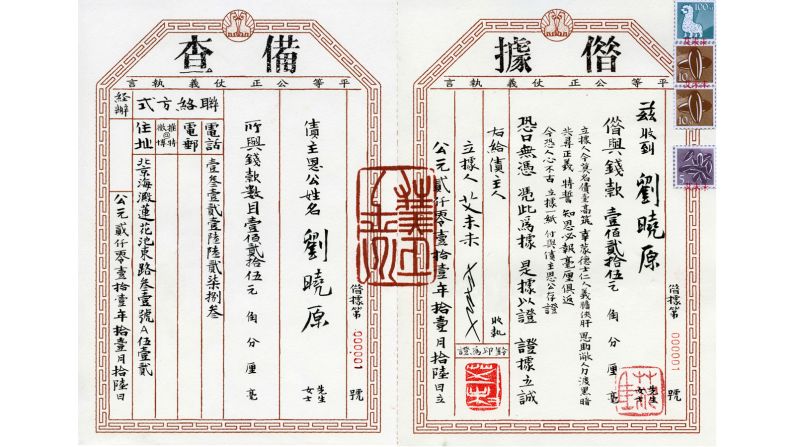
I.O.U. Wallpaper, 2011-13. Ai wallpapers a wall of the exhibition space with I.O.U. notes, like the ones sent to each individual who helped him raise money after the Chinese authorities handed him a $2 million tax bill.
Ai Weiwei
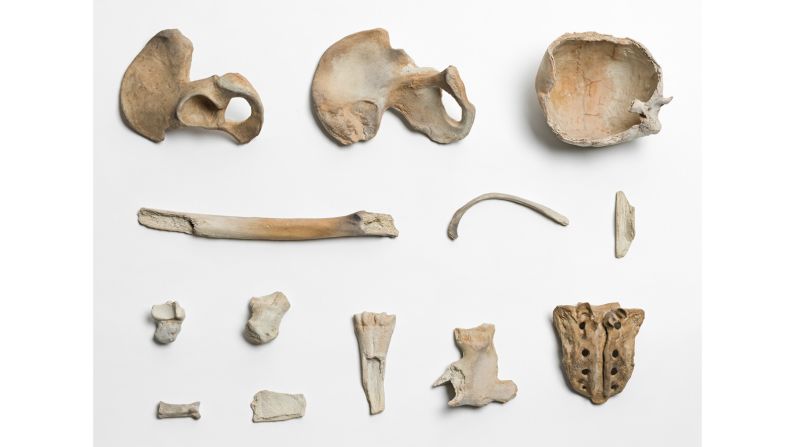
Remains, 2015. Porcelain. "Bones (Remains) is a work in porcelain replicating a set of bones," Ai said to the Royal Academy's magazine. "A year ago, I was brought these remnants and told that they had belonged to a group accused of being so-called 'Rightists'." Ai's father, Ai Qing, was labeled as a Rightist (intellectual critical of the government) also, and sentenced to forced labor.
Ai Weiwei
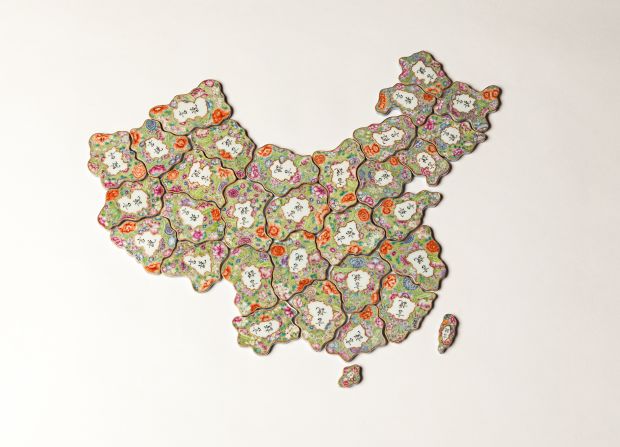
Free Speech Puzzle, 2014. 32 pieces of hand-painted porcelain in the Qing dynasty imperial style. The porcelain depicts China from replicas of traditional pendants which would depict a family's name and status.
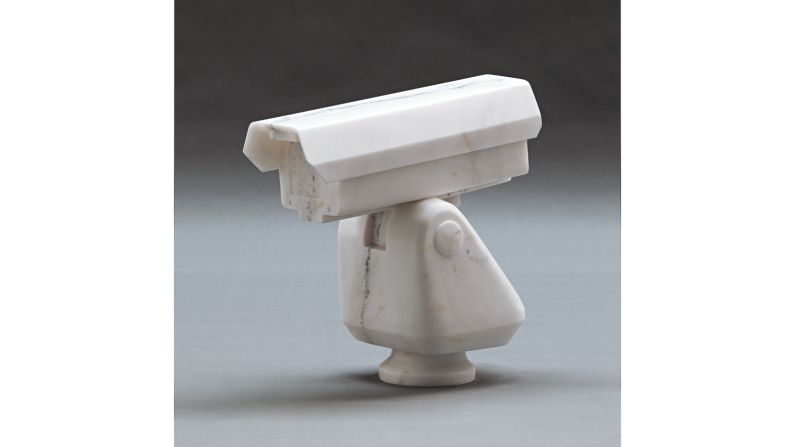
Surveillance Camera, 2010. Marble. The marble CCTV camera that has become a symbol of Ai's battles with government surveillance is on show. For many critics, this exhibition marks the moment that his well-rounded artistic output will be recognized alongside his activism.