Senegalese photography’s long, often buried, history | CNN

CNN values your feedback

1. How relevant is this ad to you?
2. Did you encounter any technical issues?
Thank You!
Your effort and contribution in providing this feedback is much appreciated.
Close
Ad Feedback
Arts
Design
Fashion
Architecture
Luxury
Beauty
Video
Arts Design Fashion Architecture Luxury Beauty Video
Watch Listen Live TV
My Account
  • Settings
  • Newsletters
  • Topics you follow
  • Sign out
Your CNN account Sign in to your CNN account

My Account
  • Settings
  • Newsletters
  • Topics you follow
  • Sign out
Your CNN account Sign in to your CNN account

Live TV Listen Watch
Edition
US
International
Arabic
Español
Edition
  • US
  • International
  • Arabic
  • Español

Arts
Design
Fashion
Architecture
Luxury
Beauty
Video

Follow CNN Style
Download the CNN App

  • World
    • Africa
    • Americas
    • Asia
    • Australia
    • China
    • Europe
    • India
    • Middle East
    • United Kingdom
  • US Politics
    • Elections 2026
    • Trump
    • Facts First
    • CNN Polls
    • Redistricting Tracker
    • Epstein Files
  • Business
    • Tech
    • Media
    • Calculators
    • Videos
  • Markets
    • Pre-markets
    • After-Hours
    • Fear & Greed
    • Investing
  • Health
    • Life, But Better
    • Fitness
    • Food
    • Sleep
    • Mindfulness
    • Relationships
  • Entertainment
    • Movies
    • Television
    • Celebrity
  • Tech
    • Innovate
  • Style
    • Arts
    • Design
    • Fashion
    • Architecture
    • Luxury
    • Beauty
    • Video
  • Travel
    • Destinations
    • Food & Drink
    • Stay
    • News
    • Videos
  • Sports
    • Football
    • Tennis
    • Golf
    • Motorsport
    • US Sports
    • Olympics
  • Science
    • Space
    • Life
    • Unearthed
  • Climate
    • Solutions
    • Weather
  • Weather
    • Video
    • Climate
  • Ukraine-Russia War
  • Israel-Hamas War
  • Features
    • As Equals
    • Call to Earth
    • Freedom Project
    • Impact Your World
    • Inside Africa
    • CNN Heroes
  • Watch
    • Live TV
    • Featured
    • CNN Fast
    • Shows A-Z
    • CNN 10
    • CNN TV Schedule
  • Listen
    • All There Is with Anderson Cooper
    • Chasing Life with Dr. Sanjay Gupta
    • The Assignment with Audie Cornish
    • Terms of Service with Clare Duffy
    • CNN 5 Things
    • All CNN Podcasts
  • Games
    • Daily Crossword
    • Jumble Crossword
    • Photo Shuffle
    • Sudoblock
    • Sudoku
    • 5 Things Quiz
  • About CNN
    • Photos
    • Investigations
    • CNN Profiles
    • CNN Leadership
    • CNN Newsletters
    • Work for CNN

Download the CNN App
Inside Africa
Ad Feedback

Senegalese photography’s long, often buried, history

By Tom Page, CNN
Updated 4:56 AM EST, Fri March 1, 2024
Link Copied!
New book “Portrait and Place: Photography in Senegal, 1840-1960” shines a light on early photography in West Africa. Author Giulia Paoletti makes the case that Senegal was at the forefront of the new technology, starting with the backstories of photographs taken just a few years after its commercial invention. (Pictured: “Group portrait with record player,” by an unidentified artist, c.1920s–1930s.) <strong><em>Scroll through the gallery to learn more.</em></strong>
New book “Portrait and Place: Photography in Senegal, 1840-1960” shines a light on early photography in West Africa. Author Giulia Paoletti makes the case that Senegal was at the forefront of the new technology, starting with the backstories of photographs taken just a few years after its commercial invention. (Pictured: “Group portrait with record player,” by an unidentified artist, c.1920s–1930s.) Scroll through the gallery to learn more.
The Metropolitan Museum of Art
From the mid-19th century, elite Senegalese commissioned photograph portraits, such this one, a copy of which was handed to Belgian explorer Adolphe Burdo in 1878, by a man Burdo called the “King of Dakar.” The modernity shown by this African shocked Burdo so much that he<strong> </strong>quickly left the city, writes Paoletti.
From the mid-19th century, elite Senegalese commissioned photograph portraits, such this one, a copy of which was handed to Belgian explorer Adolphe Burdo in 1878, by a man Burdo called the “King of Dakar.” The modernity shown by this African shocked Burdo so much that he quickly left the city, writes Paoletti.
adoc-photos/Corbis/Getty Images
“Groupe d’Oilofs Sénégalais à St-Louis,” by Emile Noal, c.1890–1900. “Oilof” is an old spelling for Wolof, a Senegalese ethnic group. The subjects of this group portrait are unknown, a common occurrence with old photographs from Senegal, although Paoletti’s research has been able to finally attribute names to some images.
Jacques Chirac/Musée du Quai Branly
“Portrait of Mrs. Fatou Thioune and friend, Saint Louis,” by Macky Kane, c.1939–1943. Kane is one of Senegal’s most famous photographers, and Thioune, his wife, one of his most frequent subjects.
Courtesy Estate of Macky Kane
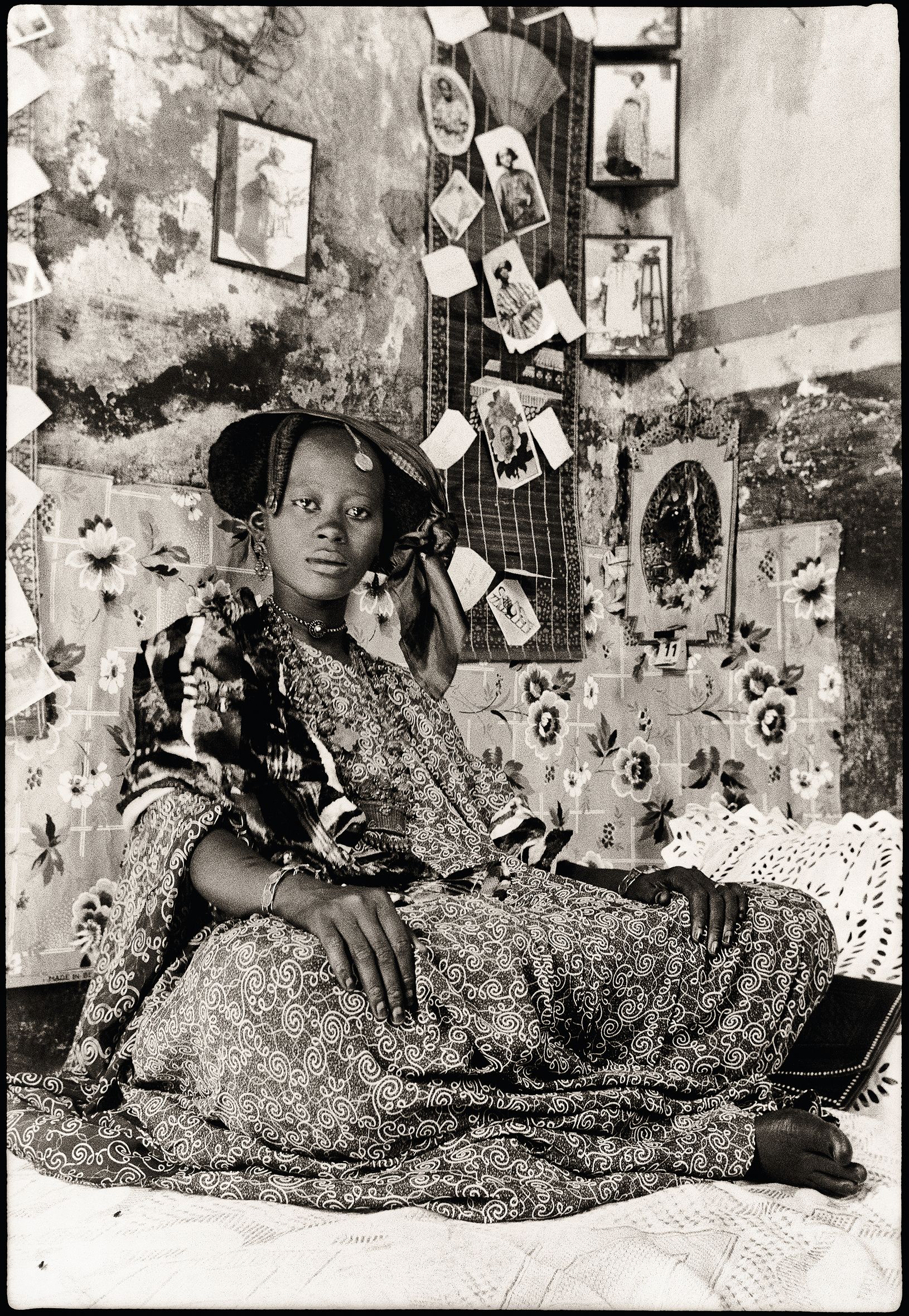
“Portrait of Mrs. Fatou Thioune, Saint Louis,” by Macky Kane, c.1939–1941. This photograph shows Thioune posing in front of her “xoymet,” a Wolof word for a photographic collage associated with brides in the lead up to their wedding. Images were collected from friends and family and arranged by a specialist, with<strong> </strong>the xoymet visited by the bride’s social circle in the lead up to the big day. The uniquely Senegalese social practice sprung up in the 1930s and died out in the 1960s, for reasons unknown, said Paoletti.
“Portrait of Mrs. Fatou Thioune, Saint Louis,” by Macky Kane, c.1939–1941. This photograph shows Thioune posing in front of her “xoymet,” a Wolof word for a photographic collage associated with brides in the lead up to their wedding. Images were collected from friends and family and arranged by a specialist, with the xoymet visited by the bride’s social circle in the lead up to the big day. The uniquely Senegalese social practice sprung up in the 1930s and died out in the 1960s, for reasons unknown, said Paoletti.
Courtesy Estate of Macky Kane
“Self-Portrait at Home,” by Oumar Ka, c. 1970s. Ka was one of the 20th century photographers Paoletti visited and interviewed for her book. He died in 2020, but before then he shared his incredible archive of negatives with her.
Oumar Ka Family Estate/Axis Gallery
“Mosque of Touba,” by Oumar Ka, c.1959–1968. Ka lived and frequently worked in Touba, a holy city for the <a href="index.php?page=&url=https%3A%2F%2Fwww.britannica.com%2Fplace%2FTouba%23ref14027" target="_blank">Mourides</a> Muslim sect in Senegal and a bustling meeting point.
“Mosque of Touba,” by Oumar Ka, c.1959–1968. Ka lived and frequently worked in Touba, a holy city for the Mourides Muslim sect in Senegal and a bustling meeting point.
Oumar Ka Family Estate/Axis Gallery
“Man Standing in a Courtyard,” by Oumar Ka, c.1959–1968. Paoletti describes seeing portraits by Ka as a “transformative moment,” as they look so different in their compositions and style from many of his West African contemporaries.
Oumar Ka Family Estate/Axis Gallery
A 1948 portrait of Léopold Sédar Senghor, future president of Senegal, taken by Salla Casset. Senghor was president of the newly-independent nation between <a href="index.php?page=&url=https%3A%2F%2Fwww.britannica.com%2Fbiography%2FLeopold-Senghor" target="_blank">1960 and 1980</a>, when he placed a strong emphasis on investing in<strong> </strong>the arts as a means of post-colonial identity.
A 1948 portrait of Léopold Sédar Senghor, future president of Senegal, taken by Salla Casset. Senghor was president of the newly-independent nation between 1960 and 1980, when he placed a strong emphasis on investing in the arts as a means of post-colonial identity.
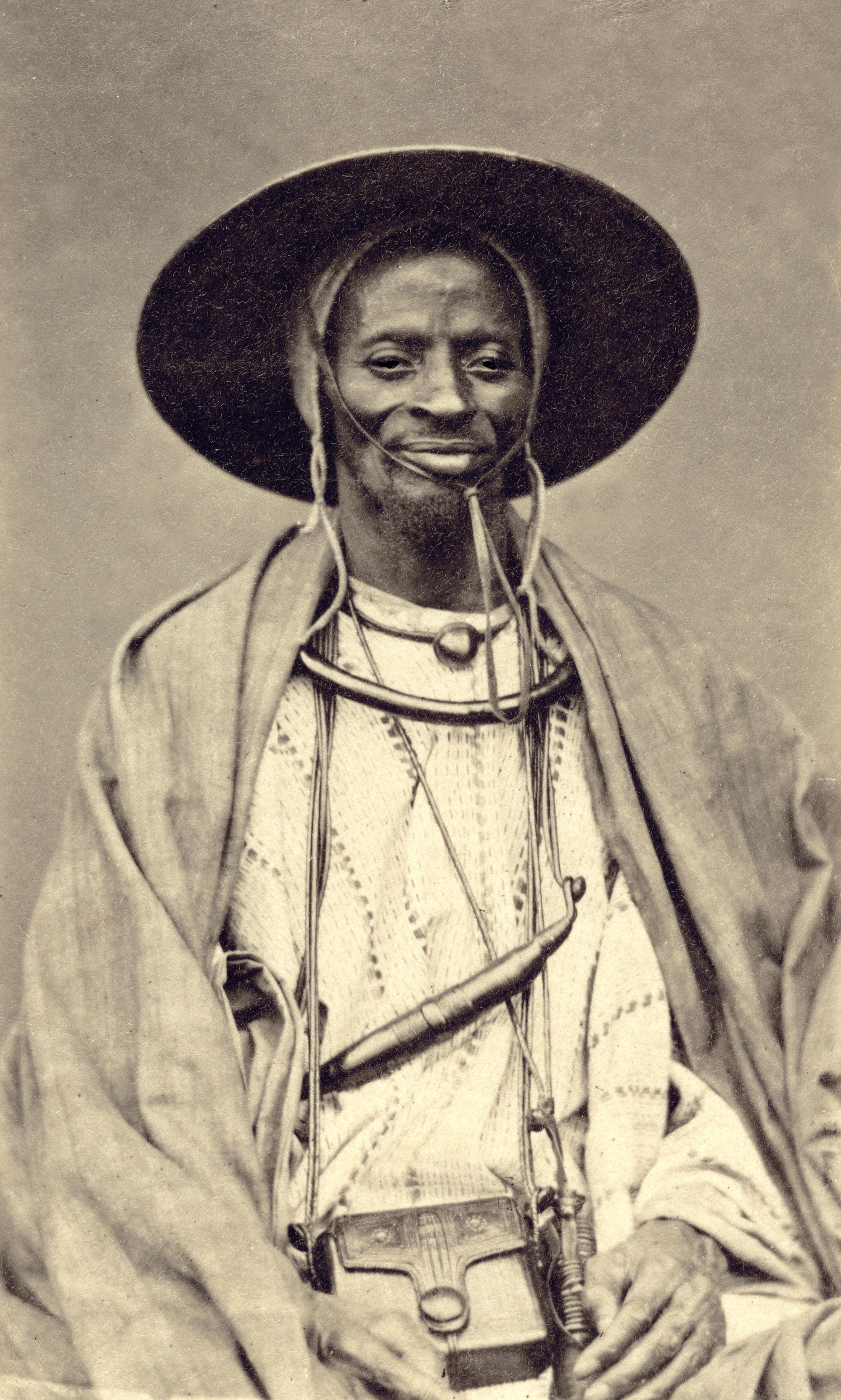
Abdoulaye Casset

My Account
  • Settings
  • Newsletters
  • Topics you follow
  • Sign out
Your CNN account Sign in to your CNN account

Live TV Listen Watch
  • World
    • Africa
    • Americas
    • Asia
    • Australia
    • China
    • Europe
    • India
    • Middle East
    • United Kingdom
  • US Politics
    • Trump
    • Facts First
    • CNN Polls
    • Elections 2026
    • Redistricting Tracker
    • Epstein Files
  • Business
    • Tech
    • Media
    • Calculators
    • Videos
  • Markets
    • Pre-markets
    • After-Hours
    • Fear & Greed
    • Investing
  • Health
    • Life, But Better
    • Fitness
    • Food
    • Sleep
    • Mindfulness
    • Relationships
  • Entertainment
    • Movies
    • Television
    • Celebrity
  • Tech
    • Innovate
  • Style
    • Arts
    • Design
    • Fashion
    • Architecture
    • Luxury
    • Beauty
    • Video
  • Travel
    • Destinations
    • Food & Drink
    • Stay
    • News
    • Videos
  • Sports
    • Football
    • Tennis
    • Golf
    • Motorsport
    • US Sports
    • Olympics
  • Science
    • Space
    • Life
    • Unearthed
  • Climate
    • Solutions
    • Weather
  • Weather
    • Video
    • Climate
  • Ukraine-Russia War
  • Israel-Hamas War
  • Features
    • As Equals
    • Call to Earth
    • Freedom Project
    • Impact Your World
    • Inside Africa
    • CNN Heroes
  • Watch
    • Live TV
    • Featured
    • CNN Headlines
    • Shows A-Z
    • CNN 10
    • CNN TV Schedule
  • Listen
    • All There Is with Anderson Cooper
    • Chasing Life with Dr. Sanjay Gupta
    • The Assignment with Audie Cornish
    • Terms of Service with Clare Duffy
    • CNN 5 Things
    • All CNN Podcasts
  • Games
    • Daily Crossword
    • Jumble Crossword
    • Photo Shuffle
    • Sudoblock
    • Sudoku
    • 5 Things Quiz
  • About CNN
    • Photos
    • Investigations
    • CNN Profiles
    • CNN Leadership
    • CNN Newsletters
    • Work for CNN

Watch Listen Live TV
My Account
  • Settings
  • Newsletters
  • Topics you follow
  • Sign out
Your CNN account Sign in to your CNN account
Follow CNN Style

Download the CNN app

Terms of Use Privacy Policy Ad Choices Accessibility & CC About Newsletters Transcripts Sitemap

© 2026 Cable News Network. A Warner Bros. Discovery Company. All Rights Reserved.
CNN Sans ™ & © 2016 Cable News Network.

Download the CNN app

Scan the QR code to download the CNN app on Google Play.

Scan the QR code to download the CNN app from Google Play.

Download the CNN app

Scan the QR code to download the CNN app from the Apple Store.

Scan the QR code to download the CNN app from the Apple Store.