Uploading history: How thousands of manuscripts from Timbuktu ended up on Google | CNN
Thank You!
Your effort and contribution in providing this feedback is much
appreciated.
Close
Ad Feedback
Ad Feedback
Uploading history: How thousands of manuscripts from Timbuktu ended up on Google
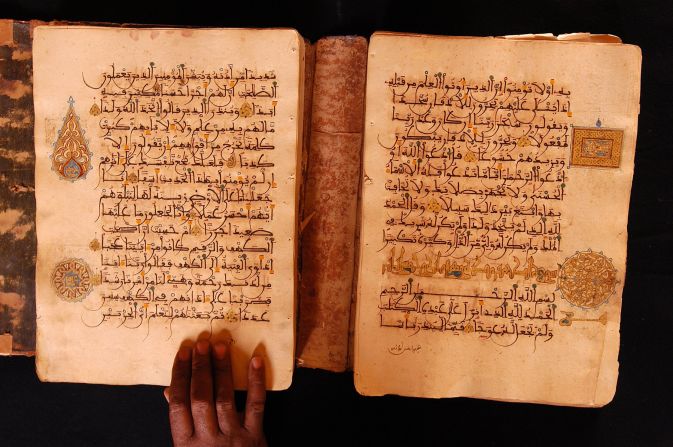
Timbuktu, in Mali, was once an important center of learning and religion. Now, more than 40,000 pages of precious manuscripts documenting centuries of its history and culture have been digitized and made available to the public.
courtesy SAVAMA-DCI/Google Arts & Culture
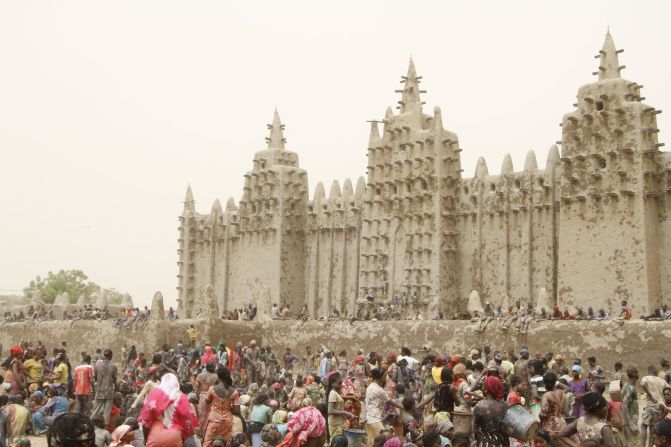
Timbuktu is also home to some of West Africa's most important historical buildings. Pictured is the replastering of the Great Mosque of Djenné, an annual event that attracts hundreds of people from across the city.
courtesy Instruments 4 Africa/Google Arts & Culture
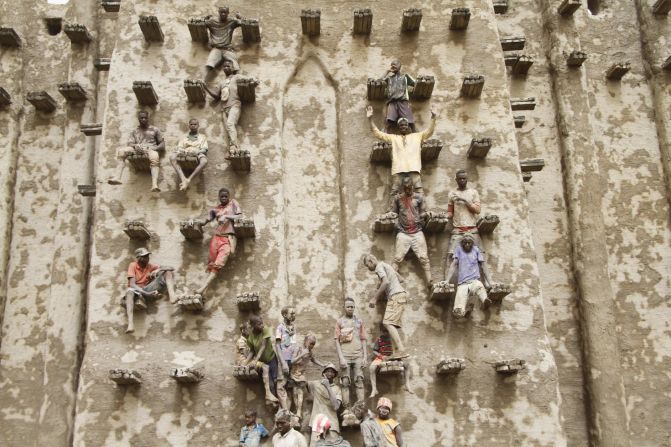
Boys stand on scaffolding during the replastering festival. The Great Mosque is one of a number of buildings in the city designated as World Heritage Sites by UNESCO.
courtesy Instruments 4 Africa/Google Arts & Culture
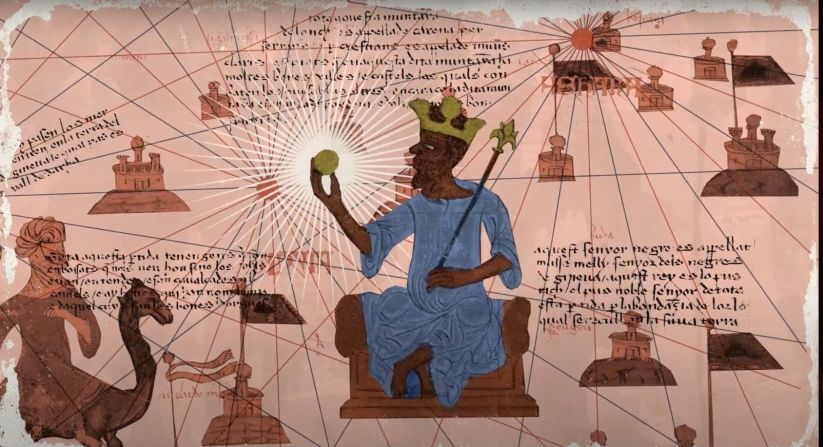
Mali was home to early 14th century ruler Mansa Musa, who some historians argue was the wealthiest person to ever live. His riches came from gold, and he ruled over an empire in which the arts and science flourished. According to accounts from the time, Musa's 1324 pilgrimage to Mecca, in modern day Saudi Arabia, featured a convoy of 60,000 men (12,000 of whom were slaves) and 80 camels loaded with 300 pounds of gold each.
courtesy Google Arts & Culture
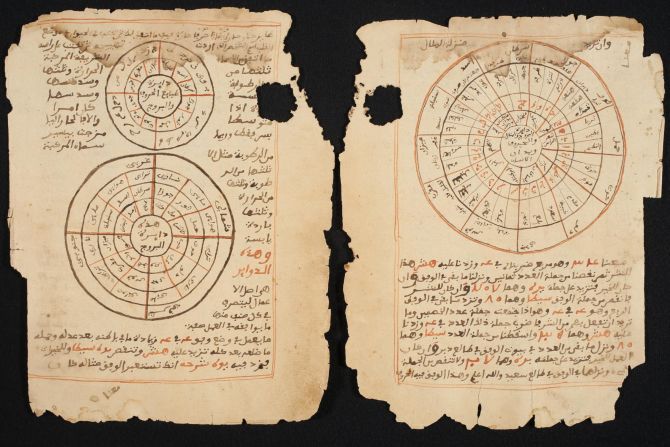
A manuscript from Timbuktu containing detailed astrological maps. Hundreds of thousands of documents residing in the city contain verses of the Quran, scientific writings, law, poetry and cultural history, including everything from black magic to bedroom advice.
courtesy SAVAMA-DCI/Google Arts & Culture
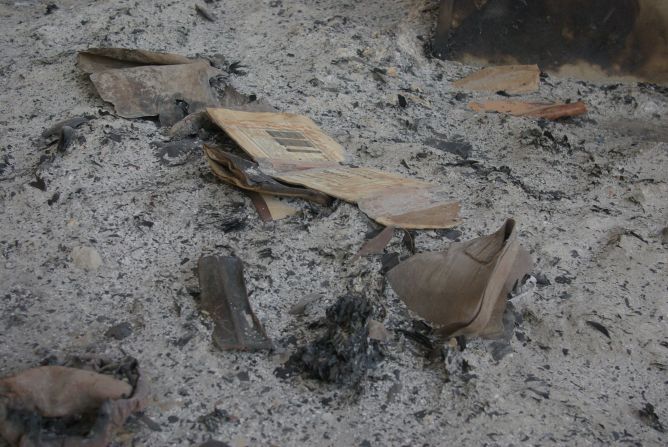
A decade ago, it was thought hundreds of thousands of the manuscripts were destroyed by Islamic fundamentalists. Some were, but the vast majority were smuggled out of Timbuktu in secret and safely stored among more than two dozen locations across the capital Bamako.
courtesy SAVAMA-DCI/Google Arts & Culture
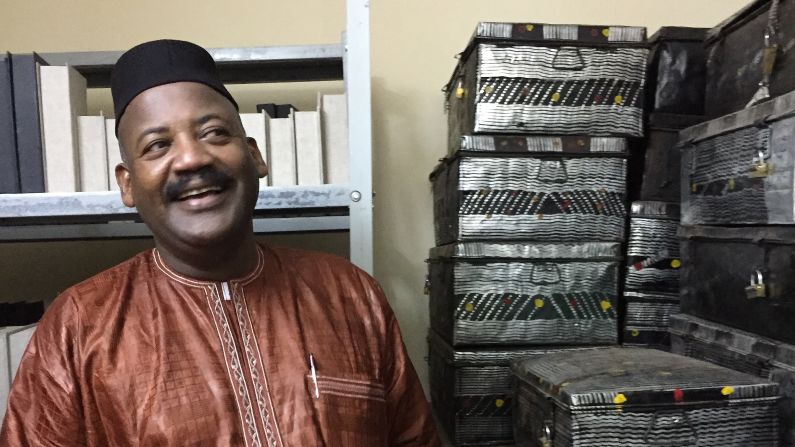
Abdel Kader Haidara (pictured) coordinated the smuggling effort. Haidara is still primary custodian of thousands of manuscripts, and he contacted Google in 2014 to ask for help digitizing them and others to ensure a record of their contents could be preserved online.
courtesy Google Arts & Culture
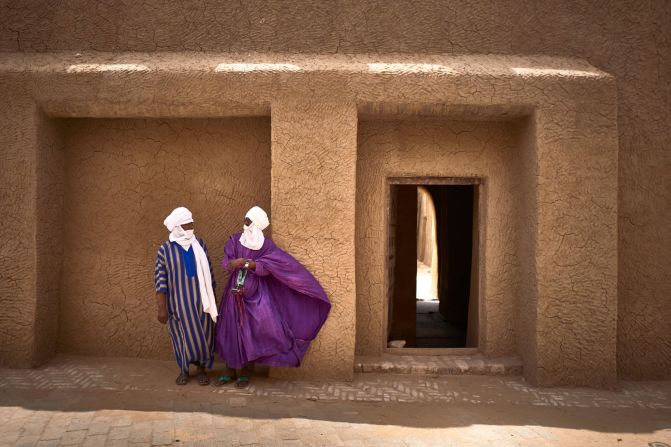
Two artisans stand in front of the Djinguereber mosque in Timbuktu on March 31, 2021. An eight-year effort from Malian archivists using equipment provided by Google has now digitized over 40,000 manuscript pages, which are available online via Google Arts & Culture hub "Mali Magic."
Michele Cattani/AFP via Getty Images
A snapshot from "Mali Magic" showing some of the thousands of manuscripts digitized by the team in Mali. Despite its chaotic appearance, what was once a dispersed collection in real life has been compiled into an easy-to-navigate portal accessible in Arabic, English, Spanish and French.
courtesy Google Arts & Culture
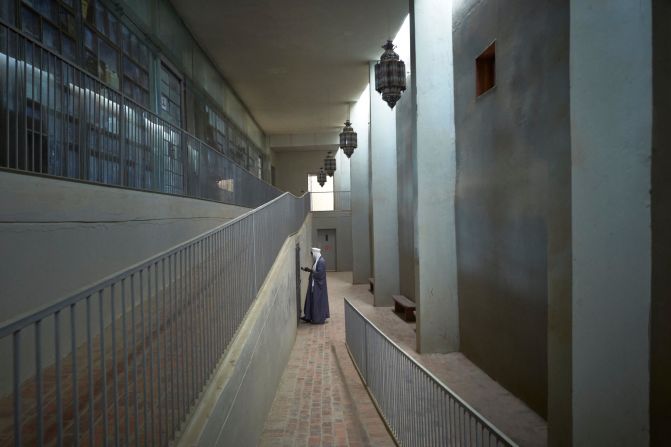
The Ahmed Baba Institute of Higher Learning and Islamic Research in Timbuktu, photographed in 2021. Haidara worked at the institute in the 1980s and early 1990s, and it was here that thousands of manuscripts were burned by militants in 2013. Documents that were evacuated in 2012-2013 have since been returned.
Michele Cattani/AFP via Getty Images
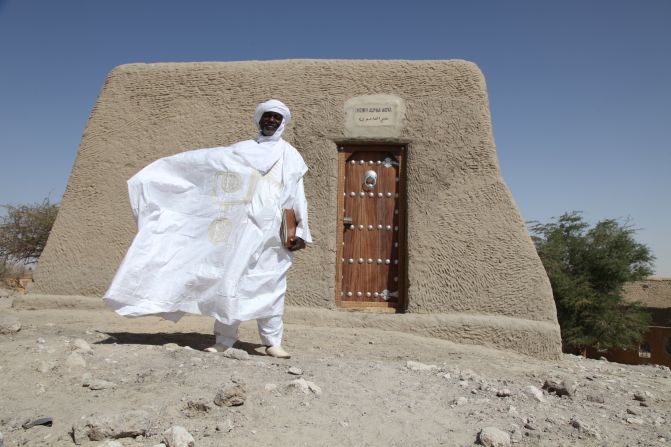
As well as Timbuktu's literary heritage, some of the city's architectural heritage required restoration after the conflict. UNESCO worked with local masons to restore buildings including this mausoleum. Google, as part of its digitization collaboration, sent out Street View cameras to take images of historic sites in Mali, which had never before been captured using the 360-degree technology.
courtesy Google Arts & Culture
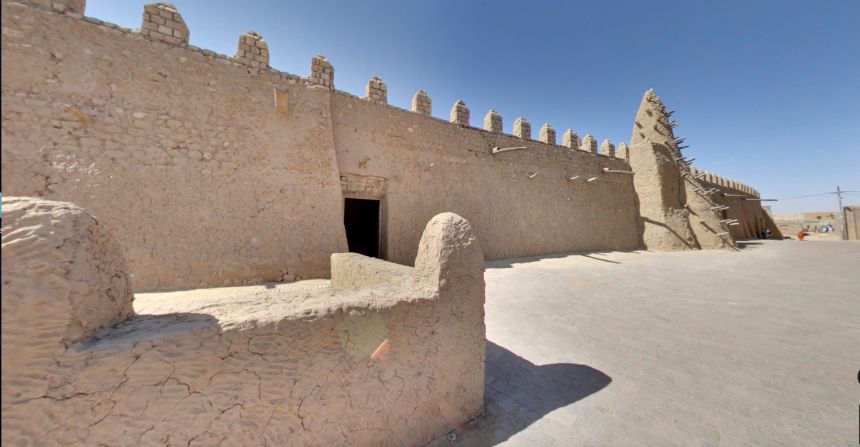
The Djinguereber Mosque in Timbuktu, as captured by Google Street View. Google hopes the new material will help people all over the world to gain a new perspective on Mali's cultural heritage.
courtesy Google Arts & Culture
Google commissioned Malian creatives for "Mali Magic" including Passion Paris, whose illustrations feature throughout the interactive website, as well as music by Grammy-nominated artist Fatoumata Diawara.