Your effort and contribution in providing this feedback is much
appreciated.
Close
Ad Feedback
Ad Feedback
New species found in Bolivia
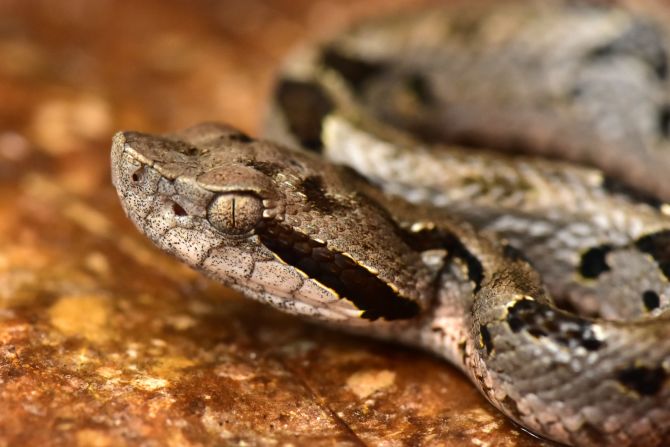
Scientists have discovered 20 new species in the Zongo Valley of the Bolivian Andes. Poised in striking mode is a new species of pit viper named "mountain fer-de-lance," which has large fangs and heat-sensing pits on its head to help detect prey.
Courtesy of Conservation International / Trond Larsen
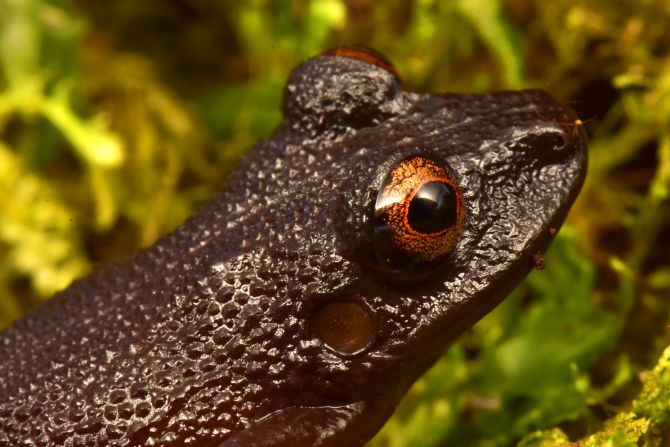
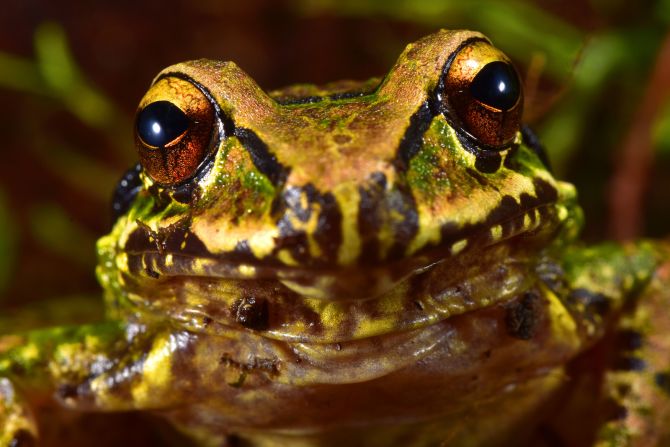
As well as identifying new species, the Conservation International team rediscovered four species thought to be extinct, including the "devil-eyed frog," which was last sighted 20 years ago, before a hydroelectric dam was built in its habitat. After numerous attempts to find the frog it was assumed the species no longer existed.
Courtesy of Conservation International / Trond Larsen
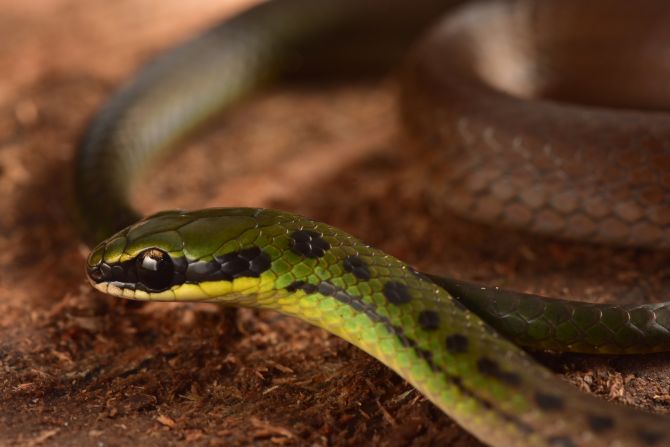
The Bolivian flag snake earned its name from its striking red, yellow and green colors. It was discovered in dense undergrowth forest at the highest part of the mountain the team surveyed.
Courtesy of Conservation International / Trond Larsen
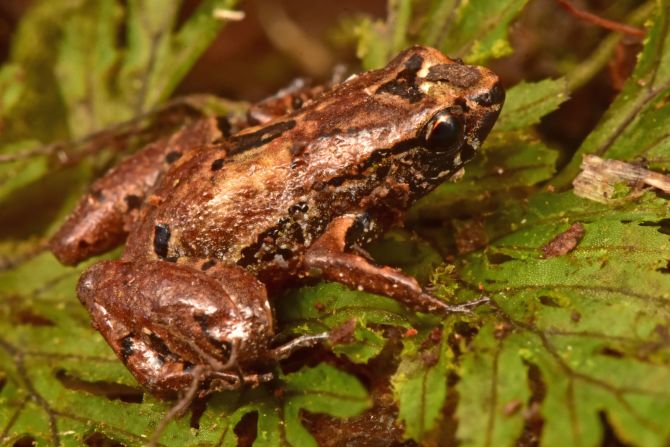
The Lilliputian frog is a minuscule 1 centimeter in length and is camouflaged by its brown color, which helps it to hide in thick layers of moss and soil.
Courtesy of Conservation International / Trond Larsen
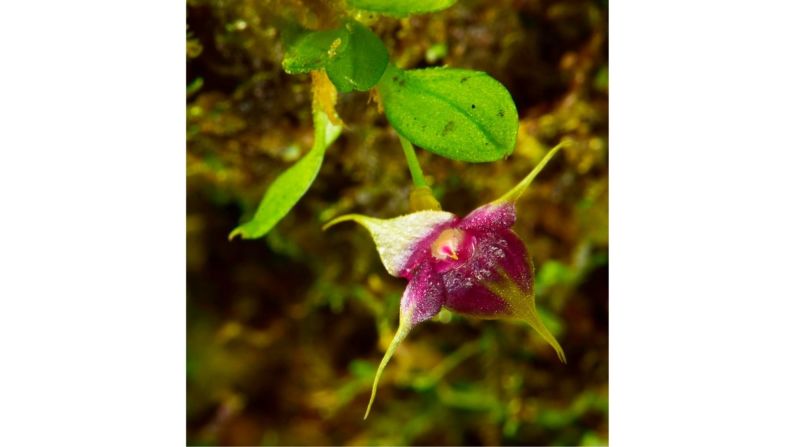
Cup orchids have vibrant and distinct purple and yellow coloring. This new species was discovered in Zongo but is part of a group of species found throughout much of Central and South America.
Courtesy of Conservation International / Trond Larsen
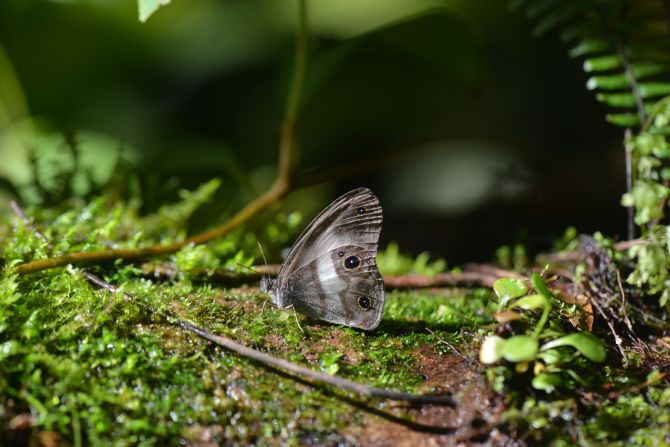
The satyr butterfly was last seen 98 years ago and was rediscovered in the Zongo Valley's undergrowth, caught in a mesh trap containing its food source of rotten fruit. It is only known to live in the Zongo Valley.
Courtesy of Conservation International / Fernando Guerra
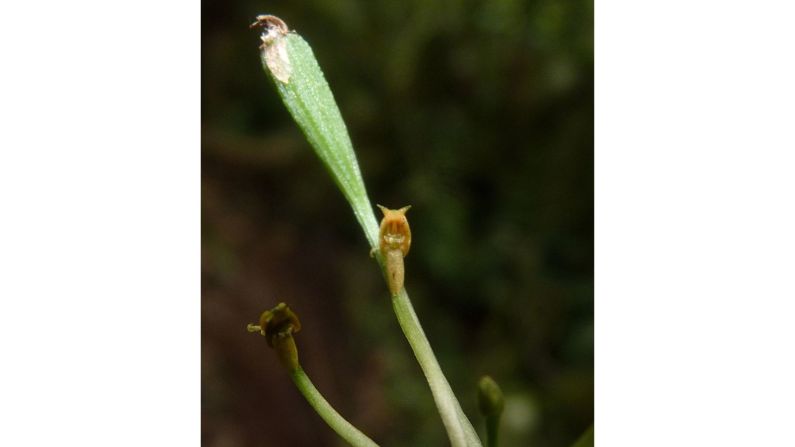
The newly found Adder's mouth orchid has parts that cleverly mimic insects, tricking them into transferring pollen.
Courtesy of Conservation International / Ivan Jimenez
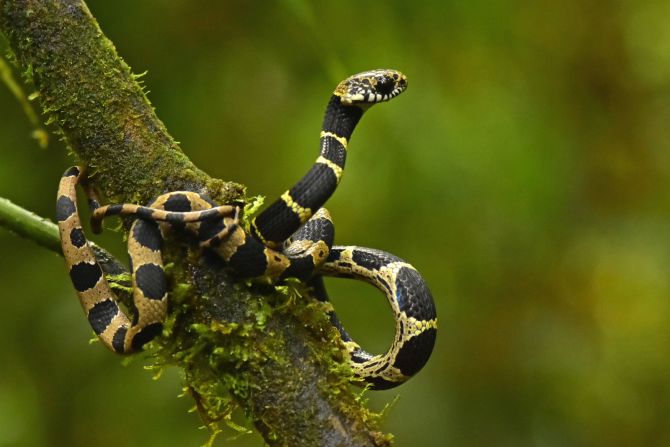
With vibrant patterns and striking colors, Catesby's snail sucker is specialized to feed on snails and slugs.
Courtesy of Conservation International / Trond Larsen
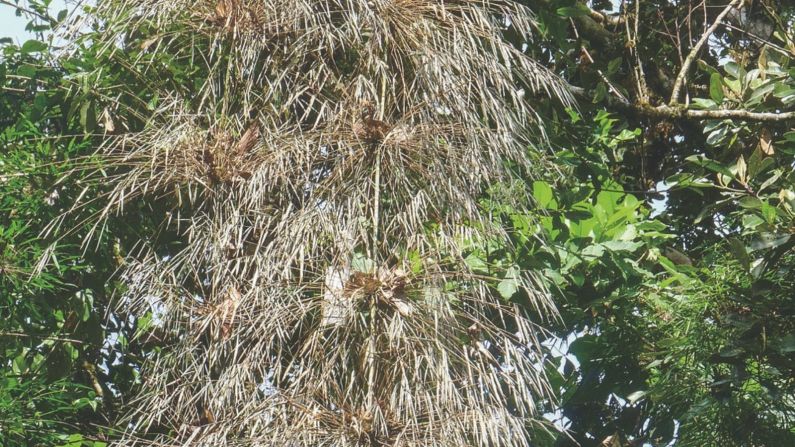
Although the species are new to science, they are familiar to local indigenous communities. A newly discovered bamboo has been regularly used by indigenous people for construction materials and to make wind musical instruments called sikus or zampoñas.
Courtesy of Conservation International / Ivan Jimenez
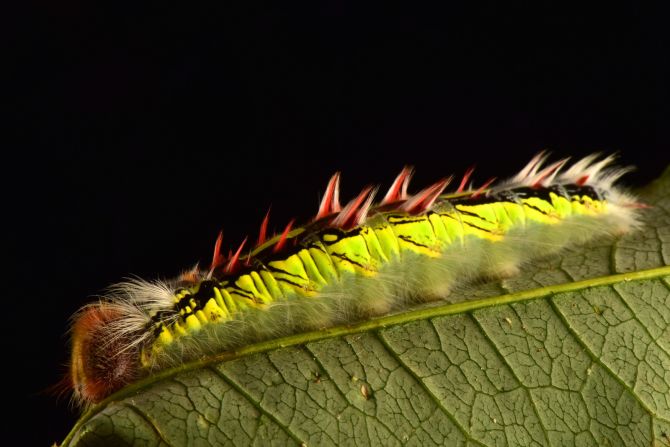
In the cloud forest of Zongo Valley, a caterpillar from a Morpho butterfly feeds on bamboo. Morpho butterflies are highly sought after due to their bright blue color.
Courtesy of Conservation International / Trond Larsen
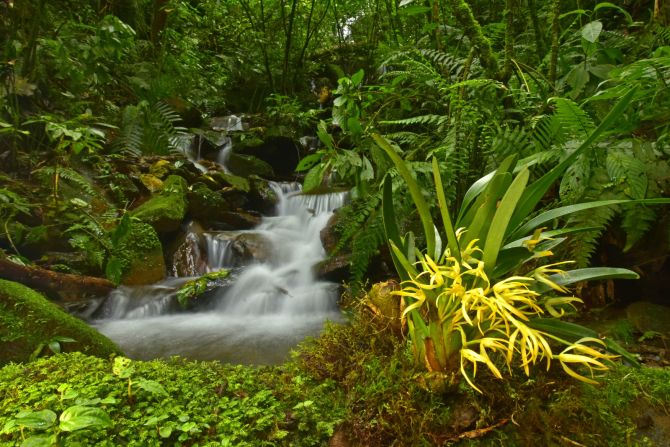
Zongo Valley is full of dreamy, natural waterfalls and is known as the "heart of the region." Locals depend on the forest as Zongo supplies building materials, hydroelectric power and water for Bolivia's capital of La Paz and surrounding areas.
Courtesy of Conservation International / Trond Larsen
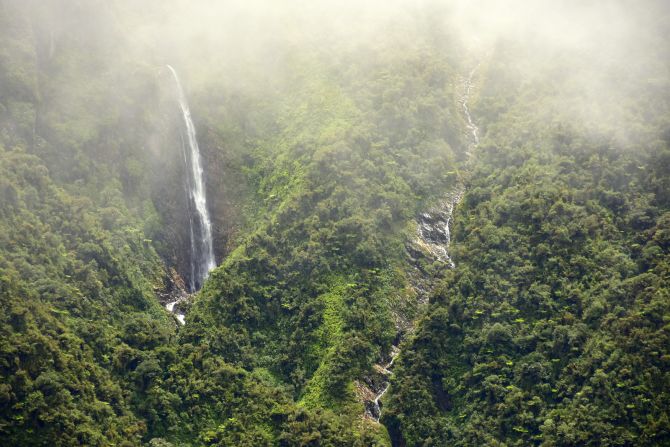
As the Andes get higher and steeper, they become more rugged. Beautiful waterfalls and cascades run throughout the mountains.
Courtesy of Conservation International / Trond Larsen
Extremely rare Mercedes robber frogs have only been spotted in a few places, including Zongo.
Courtesy of Conservation International / Trond Larsen
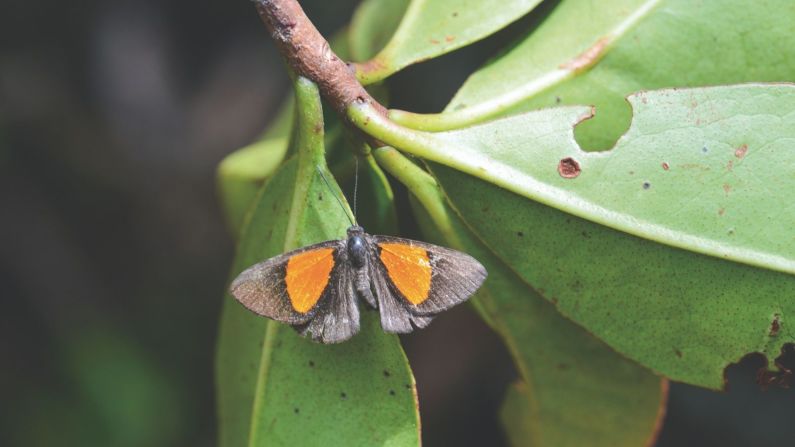
A new species of metalmark butterfly, which flies in the cloud forest canopy and feeds on flower nectar, was also discovered on the Bolivia expedition.
Courtesy of Conservation International / Fernando Guerra