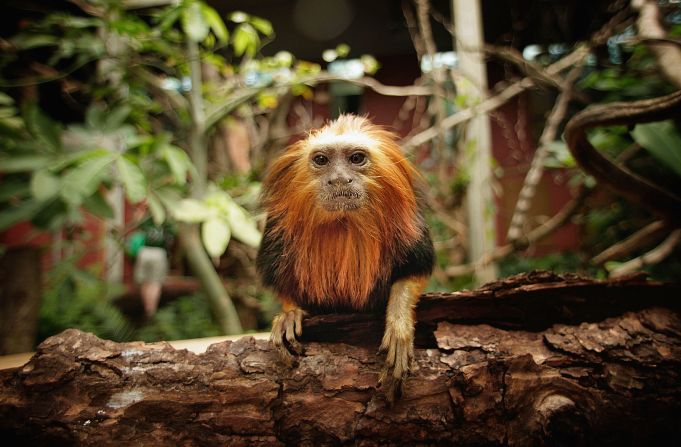
Captive breeding -- where endangered animals in zoos or other facilities are encouraged to reproduce, with the aim of releasing the offspring -- has been credited for saving a number species from extinction in the wild. Pictured, a golden lion tamarin at ZSL London Zoo.
Peter Macdiarmid/Getty Images Europe/Getty Images
Golden lion tamarin —
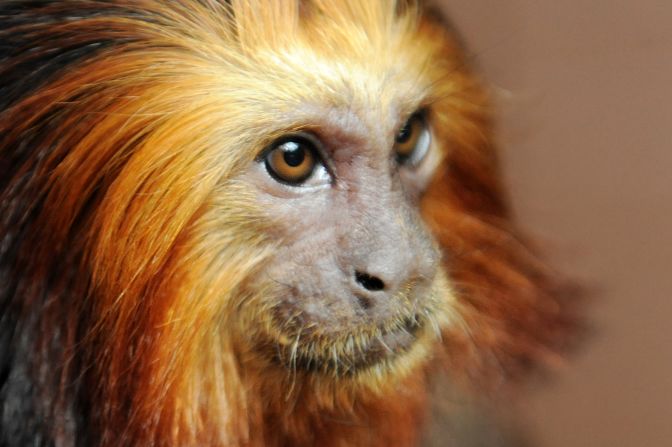
Found only in Brazil, the golden lion tamarin was driven to the brink of extinction by a combination of deforestation and the pet trade. But the breeding efforts of almost 150 zoos have helped numbers recover to more than 3,000 in the wild.
BEN STANSALL/AFP/AFP via Getty Images
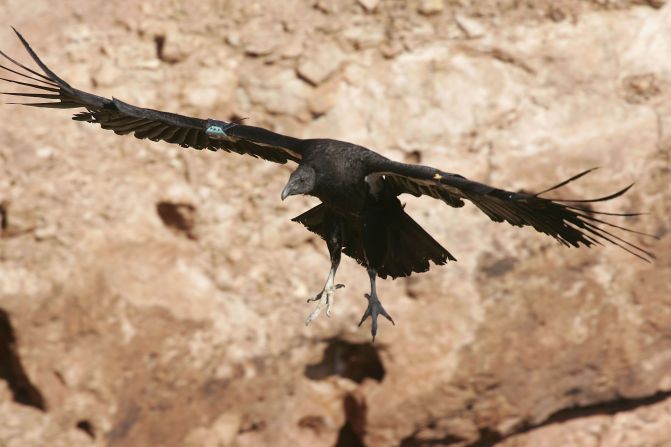
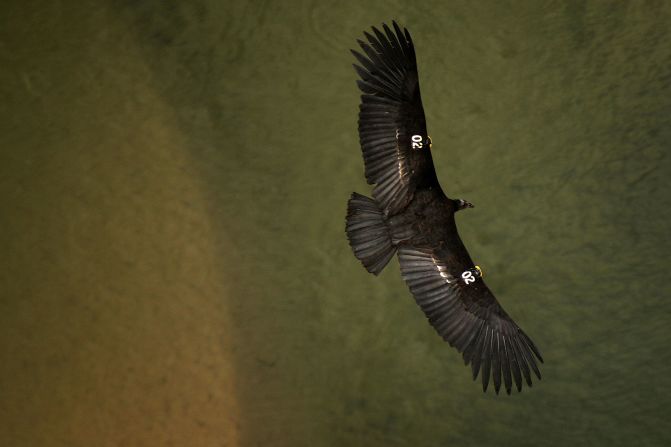
The California condor was almost wiped out in the 1980s by a combination of hunting, accidental poisoning, and the toxic pesticide DDT. Here a California condor lands in Marble Gorge, east of Grand Canyon National Park, in March 2007.
David McNew/Getty Images
Famed for its 3-meter wingspan, the condor's fortunes were revived by the breeding efforts of San Diego Zoo, and others, including the The Peregrine Fund.
David McNew/Getty Images North America/Getty Images
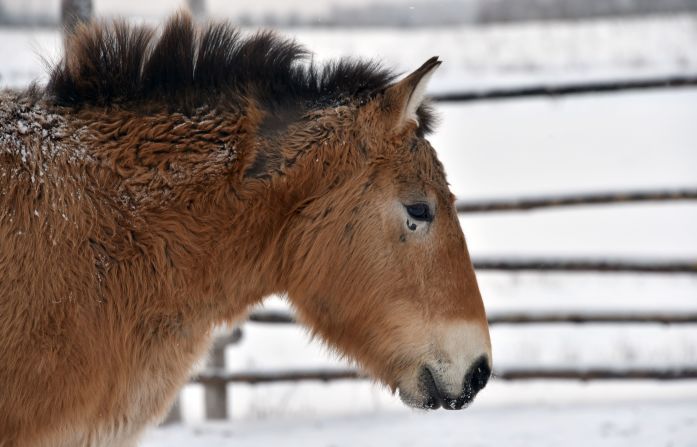
Related to the common horse, Przewalski's horse is native to central Asia but by the 1960s it was extinct in the wild.
GENYA SAVILOV/AFP/AFP via Getty Images
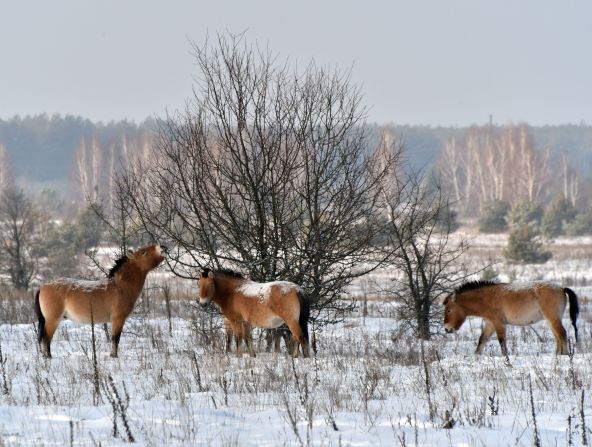
Captive-bred Przewalski's horses have since been released in Mongolia, China and Kazakhstan. These horses live in the Chernobyl Exclusion Zone.
GENYA SAVILOV/AFP/AFP via Getty Images
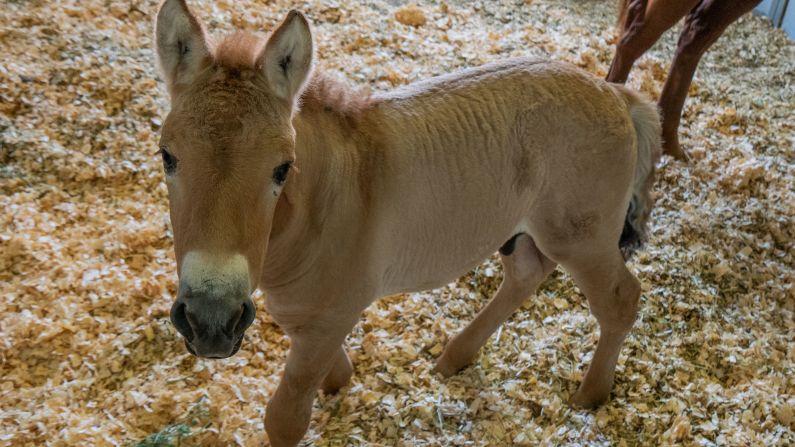
Scientists recently cloned a Przewalski's horse for the first time. The cloned colt was born at a Texas veterinary facility August 6 to a domestic surrogate mother, according to San Diego Zoo officials. The foal, named Kurt, will be moved to the San Diego Zoo Safari Park when he is older, to be integrated into a breeding program.
Scott Stine/San Diego Zoo Global
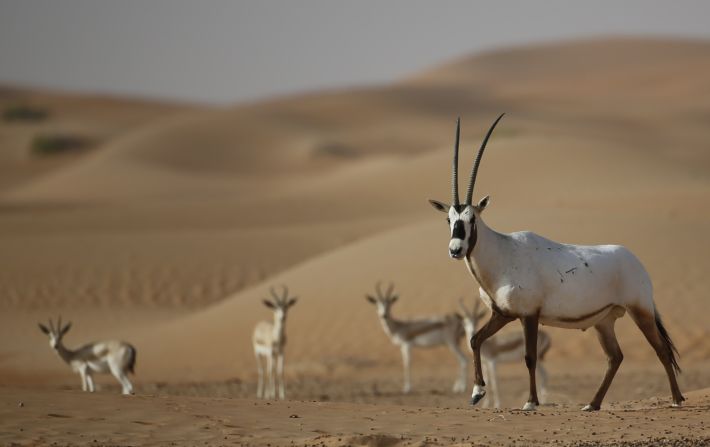
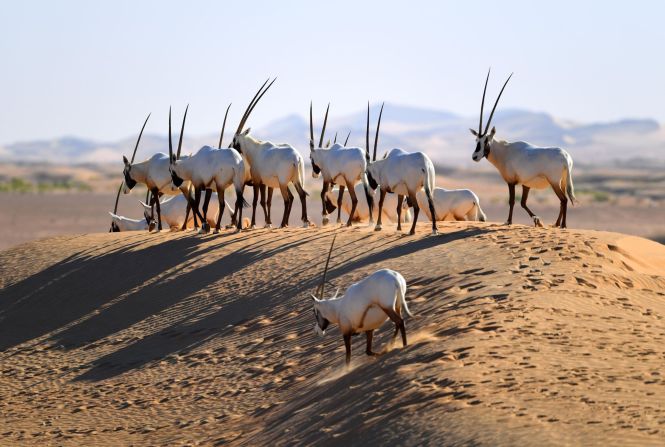
By the early 1970s, the Arabian oryx was hunted to extinction in the wild. There are now over 1,000 living in the wild.
KARIM SAHIB/AFP/AFP via Getty Images
The oryx has been reintroduced to Saudi Arabia, Jordan and the United Arab Emirates.
KARIM SAHIB/AFP/AFP via Getty Images
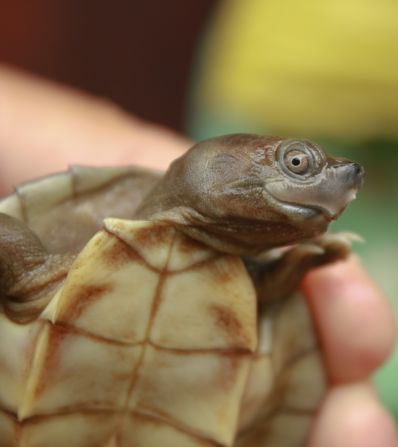
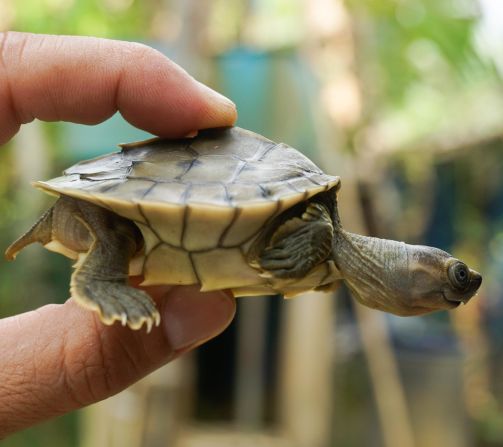
The Myanmar roofed turtle, whose mouth is upturned into a permanent smile, was believed to be extinct until 2001. Found only in Myanmar, its population was decimated by the collection of eggs and live turtles for food and the pet trade.
Myo Min Win -- WCS Myanmar Program/Wildlife Conservation Society
In August 2020, the Wildlife Conservation Society (WCS) and the Turtle Survival Alliance announced they had raised 1,000 of the turtles at a facility in Myanmar, which will soon be released into the wild. The WCS said that the large captive-bred population mean that "the species appears in little danger of biological extinction."
Myo Min Win -- WCS Myanmar Program/Wildlife Conservation Society
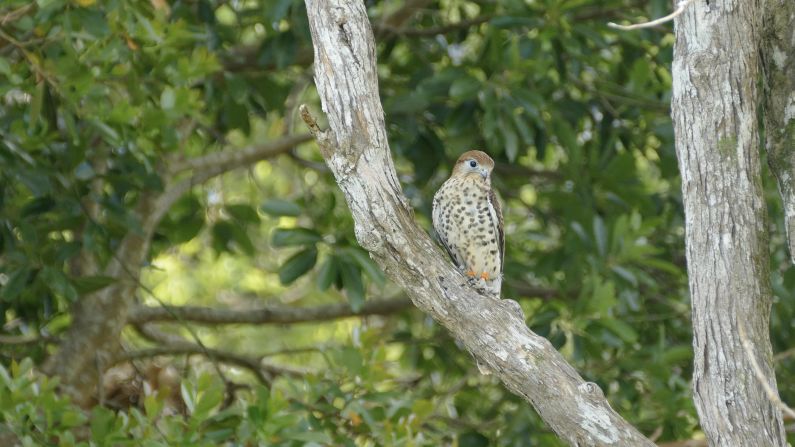
In the mid 1970s, the Mauritius kestrel was the rarest bird in the world. A captive breeding program increased numbers to around 800 in the wild, but the population is now in decline.
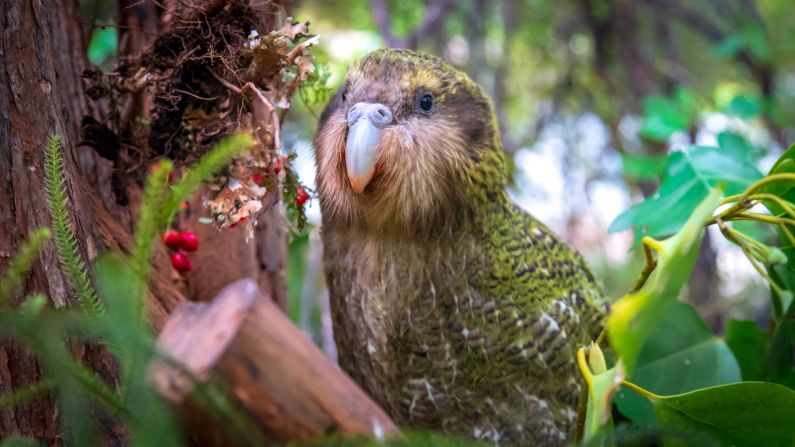
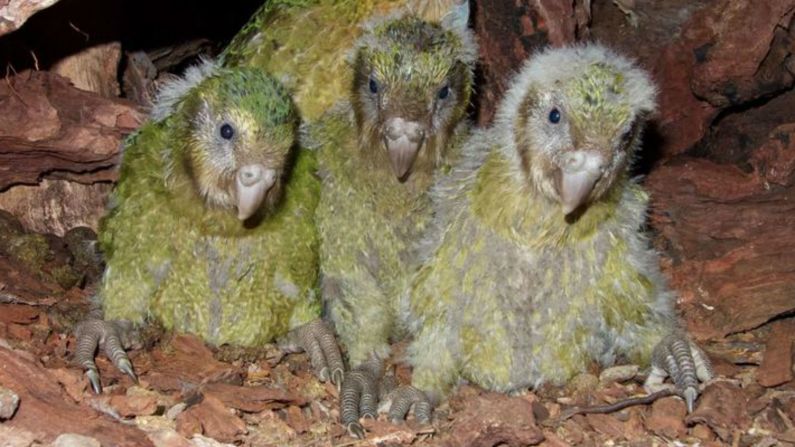
Large, plump and nocturnal, the kakapo lives only in New Zealand; it is also the only parrot in the world that lives on the ground and cannot fly. Their numbers have plummeted over the years, with the kakapo unable to protect themselves against predators introduced since European settlement of New Zealand in the 18th century.
Ash Robinson/CNN
By 1995, there were only about 50 birds left, but captive breeding has helped raise numbers to around 210, confined to four small islands off the New Zealand coast. The long-term goal is to reintroduce the kakapo to the mainland, but that can only happen if predators no longer roam there. Predator Free 2050 is an ambitious project to eradicate predators across the country. If it is successful, kakapo and other native birds, 80 percent of which are currently in decline, could thrive again.
Department of Conservation (NZ)
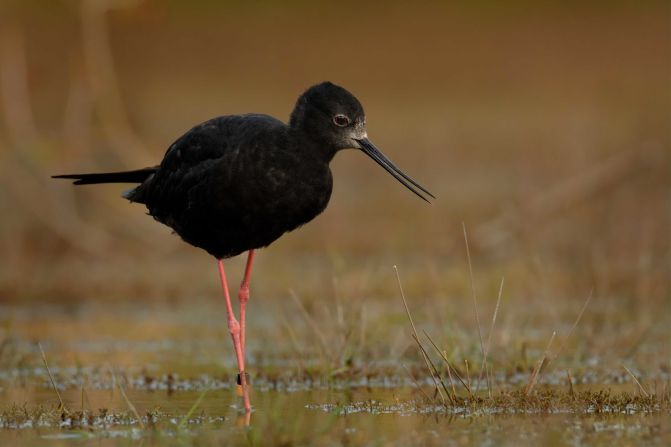
The Black stilt is a wading bird found only in New Zealand. Known as the kakī in Maori, it once ranged across the North and South islands but like the kakapo, it is a victim of predators introduced to the country, including stoats, ferrets and rats. In 1981, their numbers had fallen to just 23 adult birds.
Martin Pelanek/Shutterstock
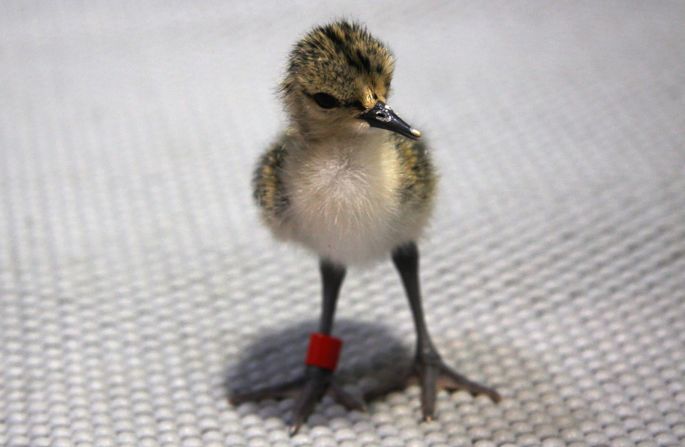
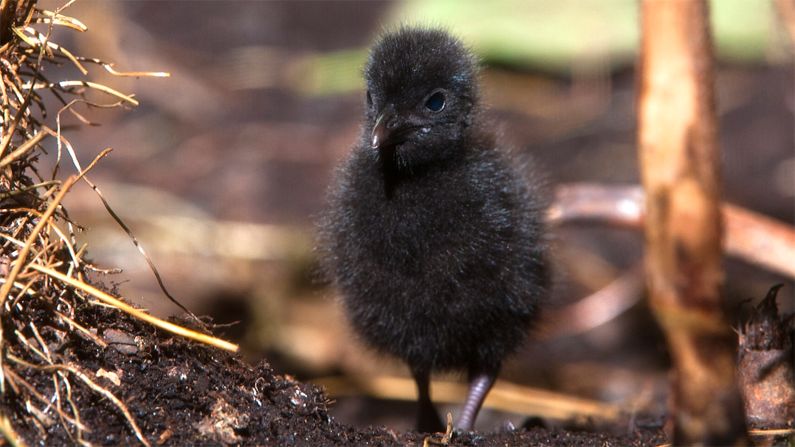
Since then, predator trapping and a captive breeding program involving the government and conservation groups has increased numbers to 169 adults. In August 2020, the program released 104 captive-bred individuals into the wild. This one-day-old chick hatched at a captive breeding center run by the Department of Conservation.
Liz Brown/New Zealand Department of Conservation
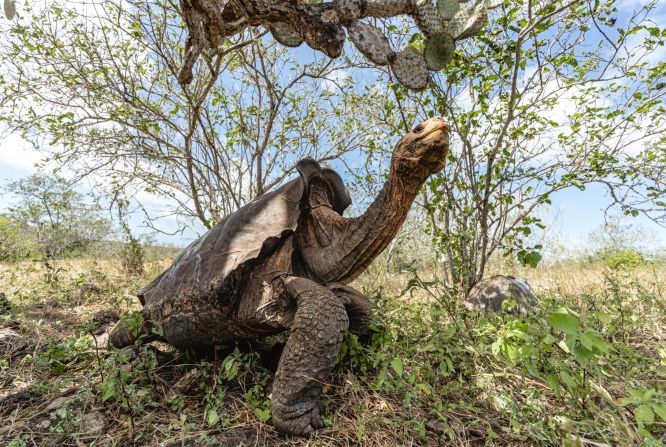
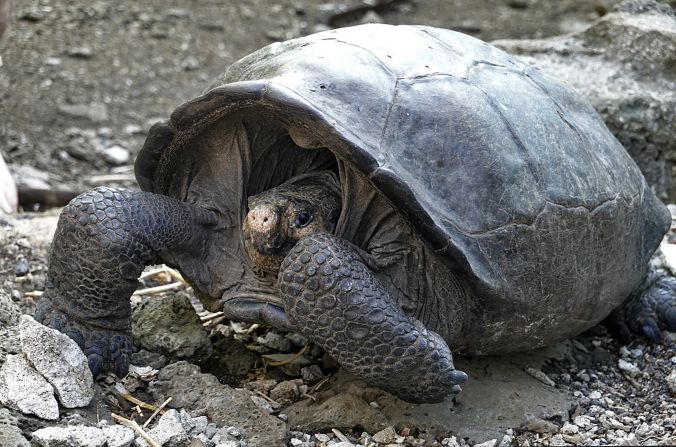
In the 1960s, there were only 15 giant tortoises left on the Galapagos Island of Española.
Andrés Cruz/GTRI - Galapagos Conservancy
A captive breeding program on the nearby island of Santa Cruz revived the species, and more than 2,000 now roam on Española.
RODRIGO BUENDIA/AFP/AFP via Getty Images
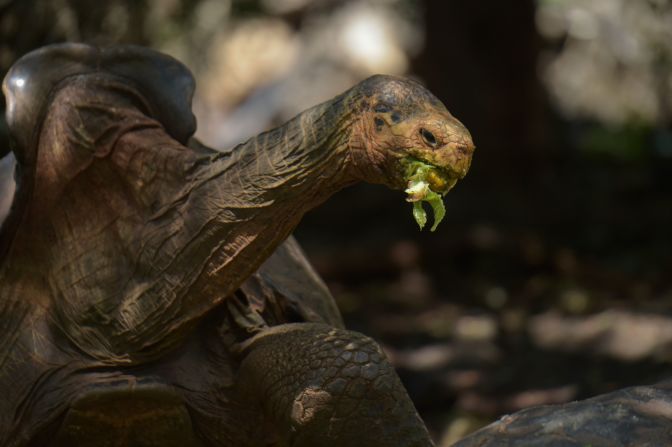
One tortoise, Diego, fathered an estimated 800 offspring.
RODRIGO BUENDIA/AFP/Getty Images
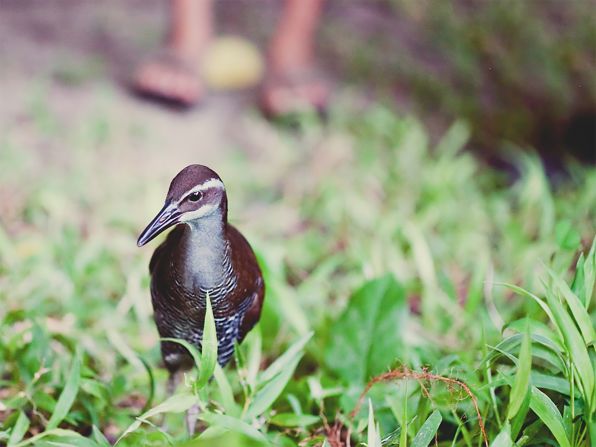
The Guam rail's native home is a small, remote island in the Pacific Ocean. Predatory snakes accidentally introduced to the island decades ago have decimated native bird populations, and without birds to scatter seeds, the birds' forest habitat has thinned out. In 1981, conservationists captured 21 individuals -- all that they could find. They took them into captivity and the bird was declared extinct in the wild.
Ginger Haddock/Fernbird Photography
Captive bred birds began to be released on the nearby island of Rota, and the island is now home to 200 Guam rails, with a further 60 to 80 living on another nearby island. There are plans to release rails on Guam in the next two years, in areas that are currently being cleared of snakes.
Jim & Pam Jenkins/FOZ Photo Club
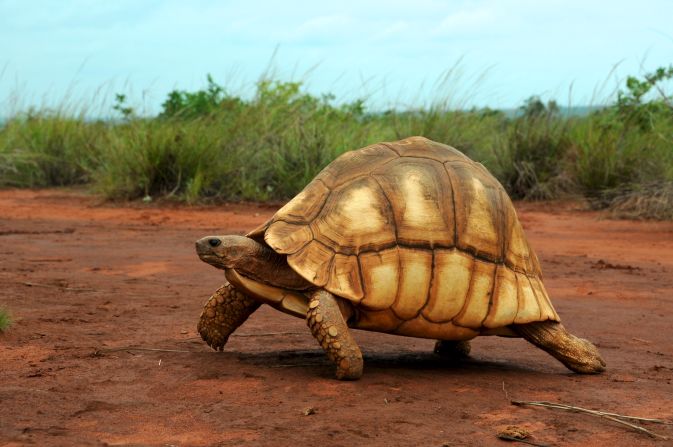
Found only in the forests of northwestern Madagascar, off the east coast of Africa, the ploughshare tortoise has been taken to the brink of extinction by habitat loss, consumption for food, and the pet trade.
Turtle Conservancy
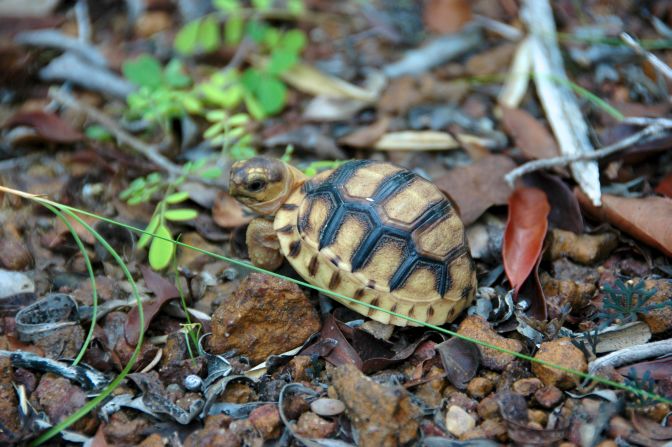
Working with local communities, Durrell Wildlife Conservation Trust established a conservation program for the tortoise in 1986. It has now raised more than 600 captive bred juveniles from 17 adults at its Madagascar facility. According to the Durrell Trust, "20% of the global population of ploughshare tortoises exist in the wild because of the captive breeding center."
Turtle Conservancy
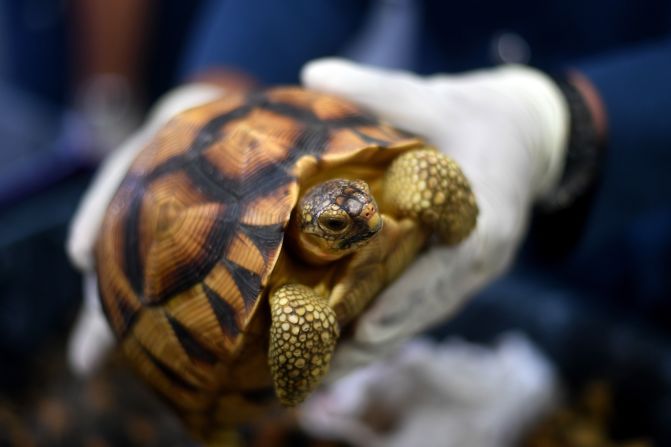
Numbers in the wild rose to around 1,000 individuals in the mid 2000s, but the illegal wildlife trade has decreased numbers to about 500 turtles. Pictured, Malaysian customs officials foiled an attempt to smuggle hundreds of endangered tortoises into the country from Madagascar, in May 2017.
MANAN VATSYAYANA/AFP/AFP via Getty Images
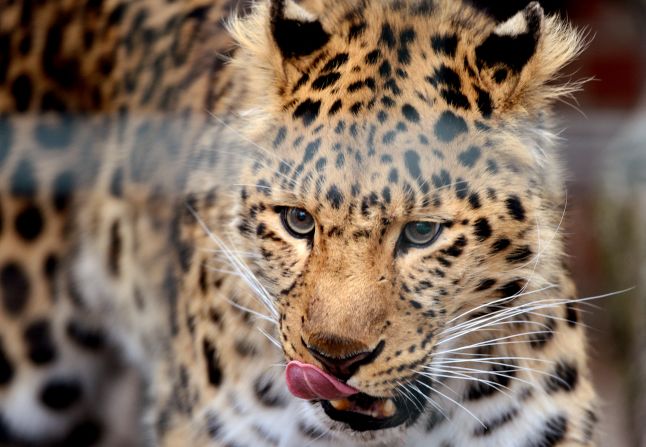
Among the world's rarest big cats, the elusive, solitary Amur leopard has been in trouble for decades. Around 220 Amur leopards are currently in zoos in Russia, Europe, Japan and the US. They are part of a breeding program run jointly by ZSL London Zoo and Moscow Zoo.
HENDRIK SCHMIDT
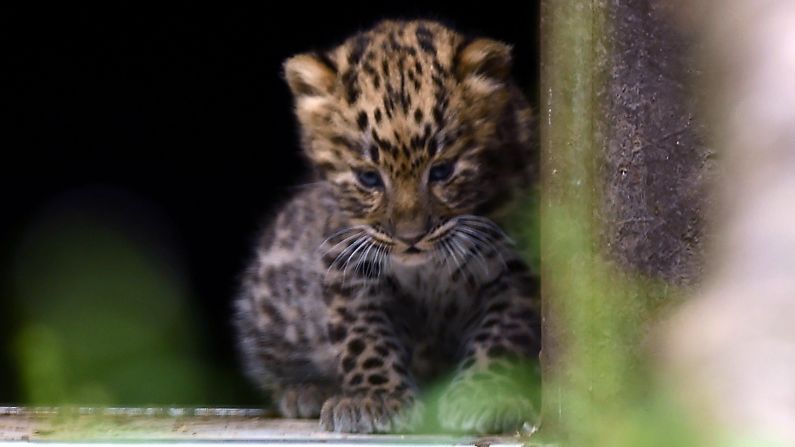
One of two Amur leopard cubs born at Twycross Zoo in Leicestershire, UK in August 2016. There are hopes that some captive leopards will soon be released in the wild.