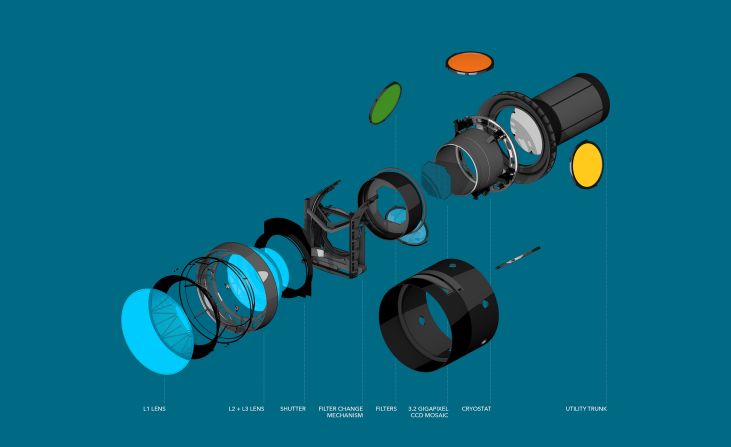
The LSST camera, a main component of the Vera C. Rubin Observatory when it comes online in 2023, was used to capture the first 3,200-megapixel images. The sensors will be part of the world's largest digital camera.
Greg Stewart/SLAC National Accelerator Laboratory
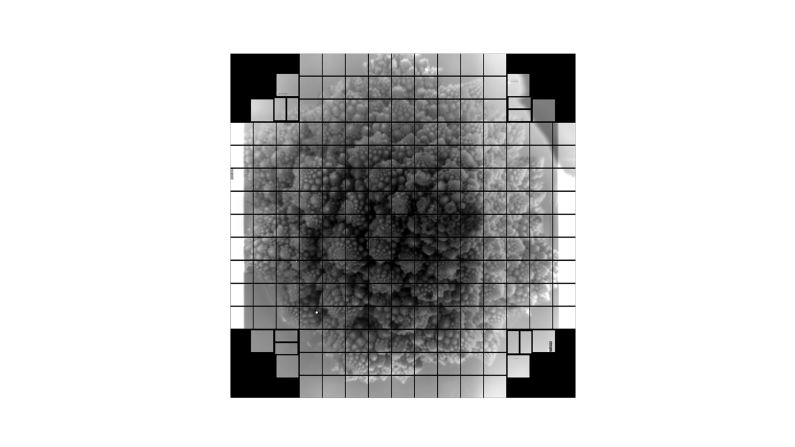
This image of Romanesco was taken using the focal plane of the LSST camera. Romanesco was chosen because of its immense detail, which this camera was designed to capture.
SLAC National Accelerator Laboratory
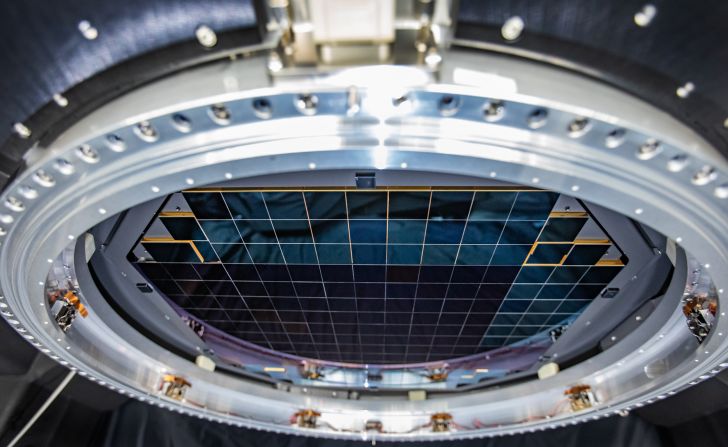
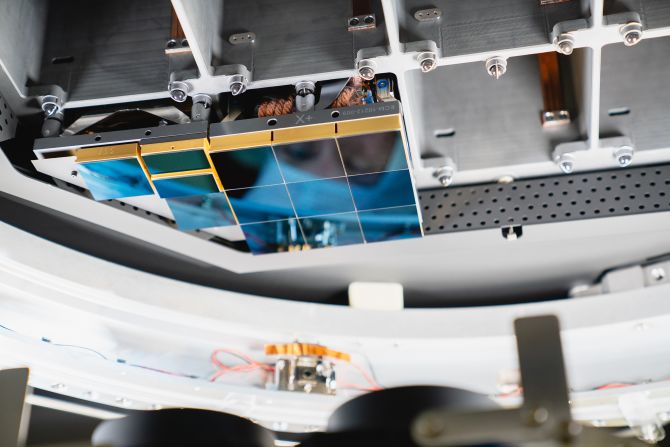
The complete focal plane of the future LSST camera is more than 2 feet wide and contains 189 individual sensors that will produce 3,200-megapixel images.
Jacqueline Orrell/SLAC National Accelerator Laboratory
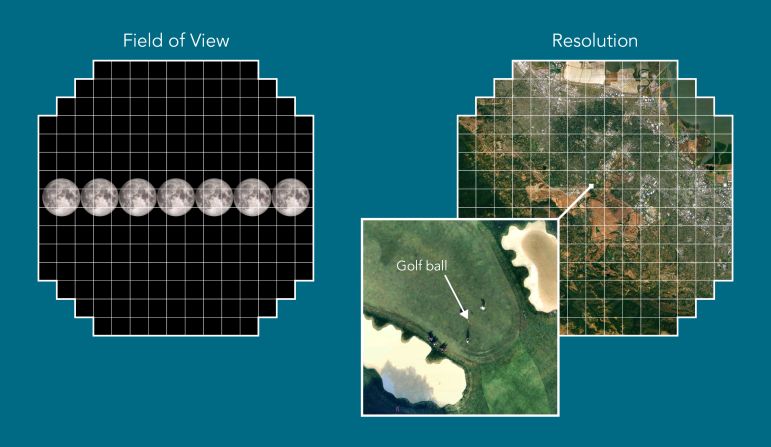
The LSST camera's focal plane has a surface area large enough to capture a portion of the sky about the size of 40 full moons. Its resolution is so high that you could spot a golf ball from 15 miles away.
Greg Stewart/SLAC National Accelerator Laboratory
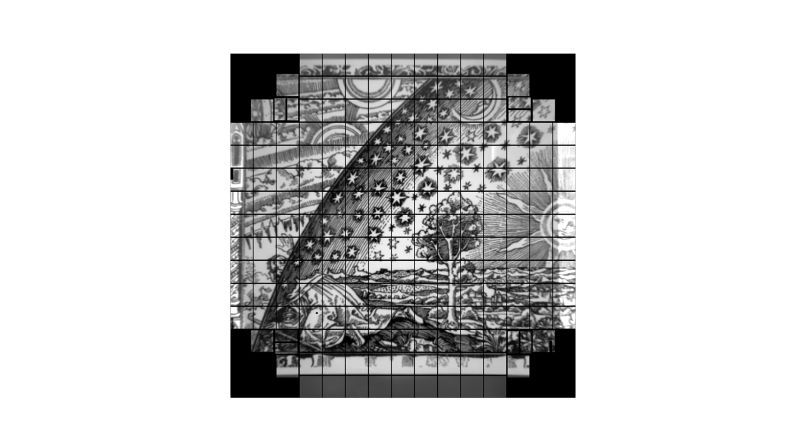
The LSST camera's focal plane was also used to image a Flammarion engraving. This wood engraving, created by an unknown artist, first appeared in astronomer Camille Flammarion's 1888 book "The Atmosphere: Popular Meteorology."
SLAC National Accelerator Laboratory
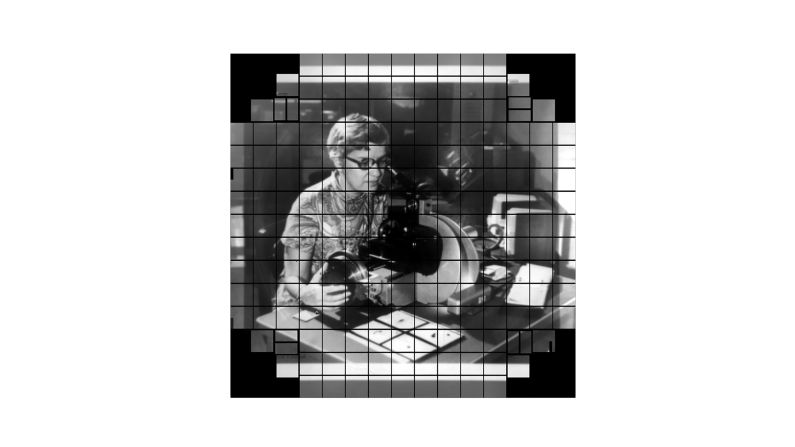
Vera Rubin, for whom the observatory is named, was a pioneering astronomer who spent her career as a staff scientist at the Carnegie Institution for Science. The institute provided the image of Rubin, which was then captured by the LSST camera's focal plane.
SLAC National Accelerator Laboratory
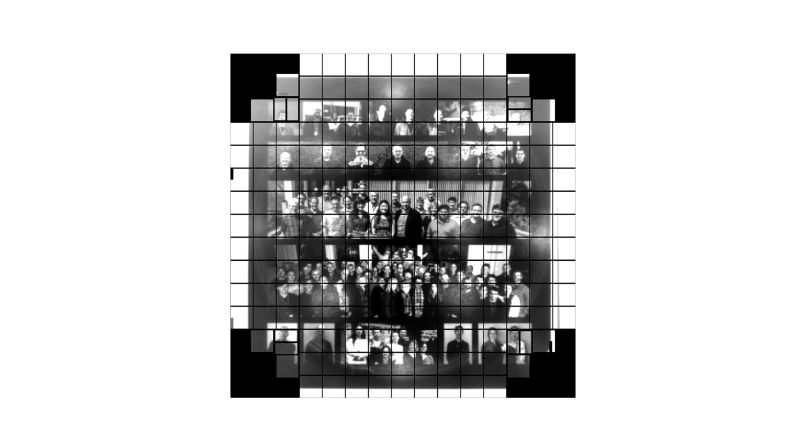
The LSST camera team used the focal plane to create this collage of themselves.
SLAC National Accelerator Laboratory
Rafts of imaging sensors and their electronics created the focal plane.
Farrin Abbott/SLAC National Accelerator Laboratory
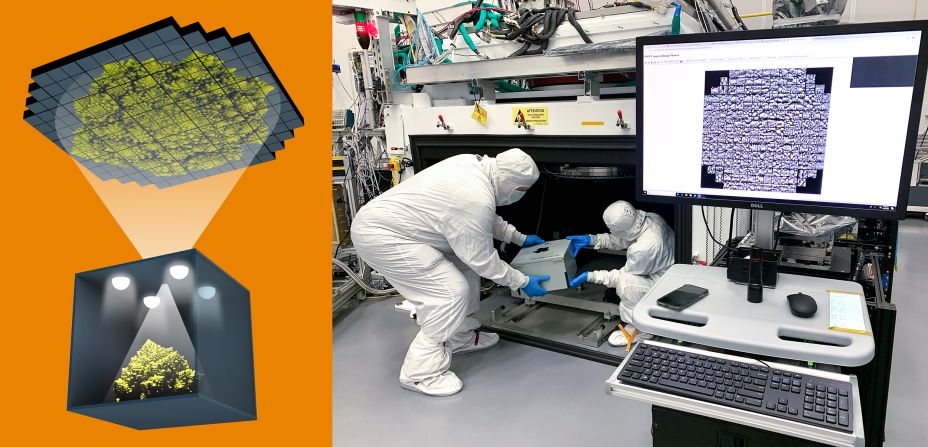
A 150-micron pinhole was used to project images onto the focal plane since the camera itself has not yet been assembled.
Greg Stewart/Jacqueline Orrell/SLAC National Accelerator Laboratory
The SUV-size camera will be assembled and ready for testing by mid-2021.