Cause and effect picture books that teach toddlers how the world works
A child's journey —
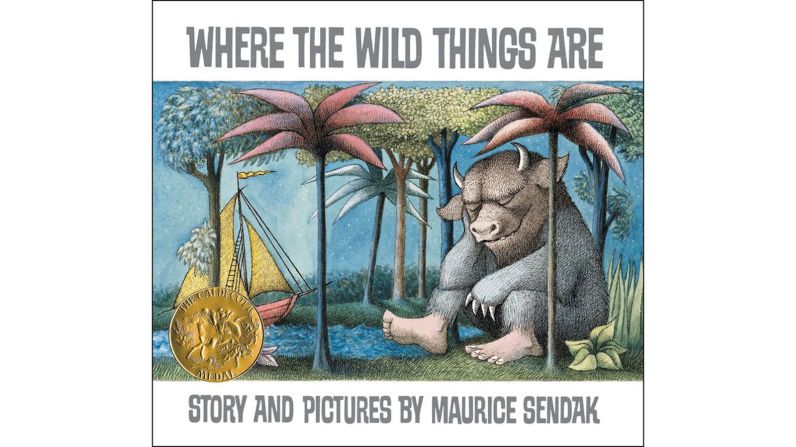
"Where the Wild Things Are" by Maurice Sendak: Sendak doesn't only describe the dreamlike journey the main character, Max, takes and the land of the Wild Things. He explains why Max is upset with his mother, why he leaves for the land of the Wild Things and what urges his ultimate return home.
HarperCollins Publishers
The nature of friendship —
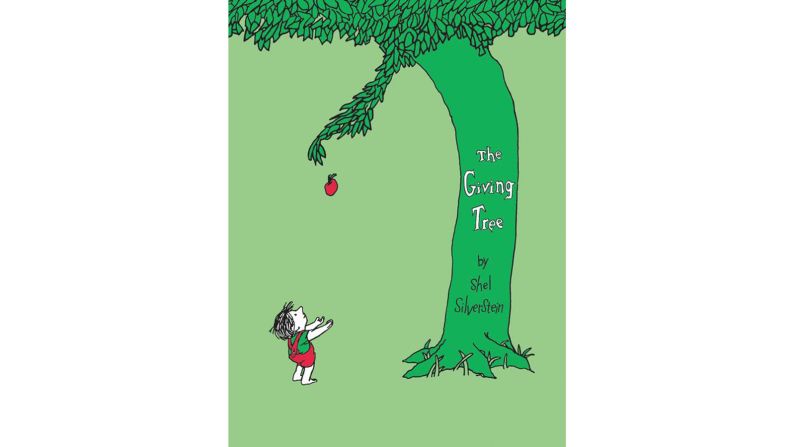
"The Giving Tree" by Shel Silverstein: Silverstein leads children through the evolving stages of relationships through the bond of a boy and an apple tree, showing how friends can make each other feel with the things they say and do.
HarperCollins Publishers
Hypotheses and conclusions —
"If You Give a Moose a Muffin" by Laura Numeroff: If-then scenarios involving a moose comically explain cause and effect for young readers.
HarperCollins Publishers
Chain reactions —
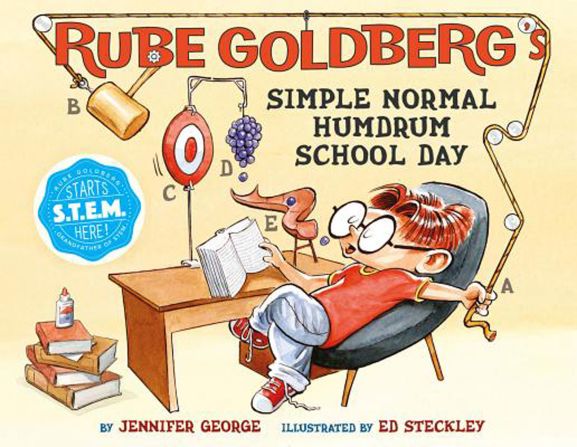
"Rube Goldberg's Simple Normal Humdrum School Day" by Jennifer George: Rube designs chain reactions to help him with tasks such as brushing his teeth and getting dressed. Diagrams of the machines make clear the order of operations and how each part affects the other.
Amazon
Chaotic consequences —
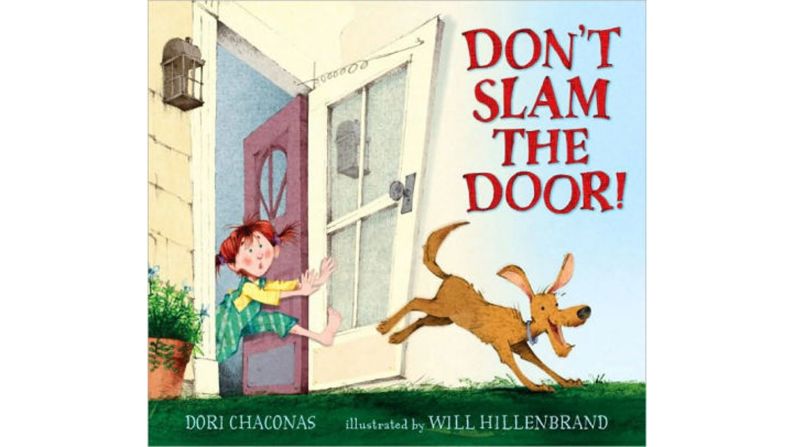
"Don't Slam the Door" by Dori Chaconas: Chaconas brings the domino effect to the farm when a dog causes a screen door to slam and wake the cat, wreaking havoc all throughout the house.
Amazon
When weather changes the day's course —
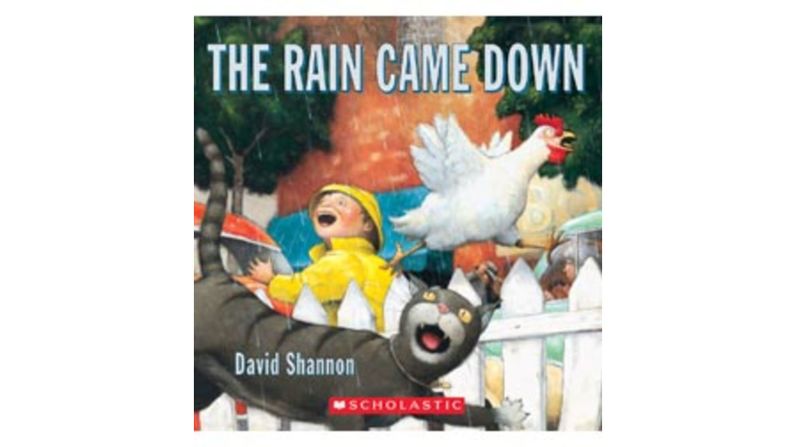
"The Rain Came Down" by David Shannon: An unexpected downpour captures the chaos that follows for a boy and his animal friends.
Scholastic
Utilizing kid logic —
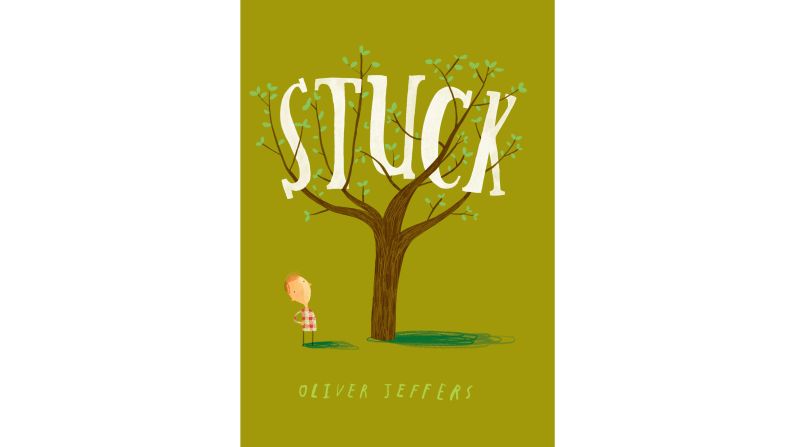
"Stuck" by Oliver Jeffers: When Floyd's kite gets stuck in a tree, he attempts to knock it out using several strategies including throwing random things at it, which also lodge themselves in the tree. Kids can keep guessing at what he'll try next, predicting what will finally work to set the kite flying free.
Penguin Random House
A cautionary tale —
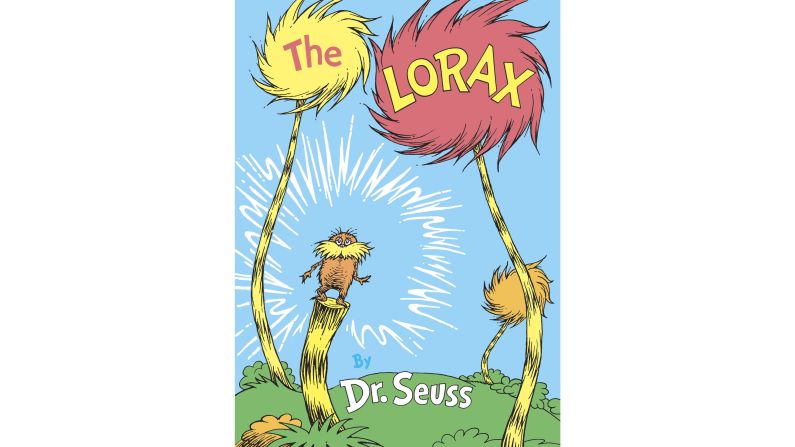
"The Lorax" by Dr. Seuss: When the Truffula Trees are harvested in this vibrant world, animal homes and the landscape are destroyed, serving as a cautionary tale for what can happen if we don't care for the environment.
Penguin Random House
How animals escape danger —
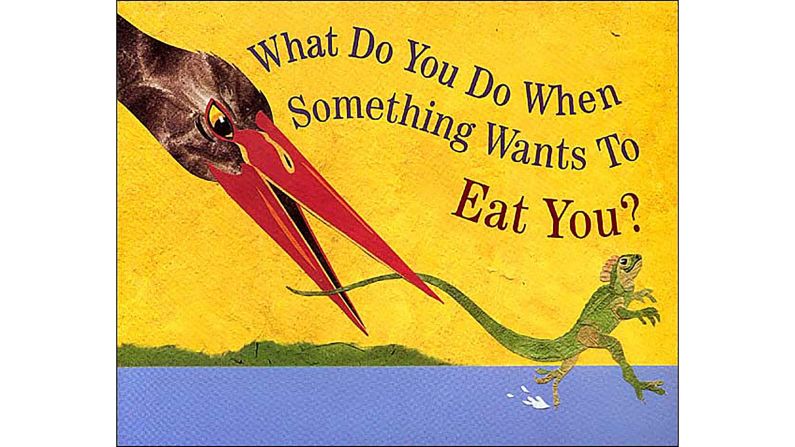
"What Do You Do When Something Wants to Eat You?" by Steve Jenkins: Jenkins explains how a body part or behavior helps an animal to escape the predatory pursuit of another creature.
Houghton Mifflin Harcourt
Understanding behavior —
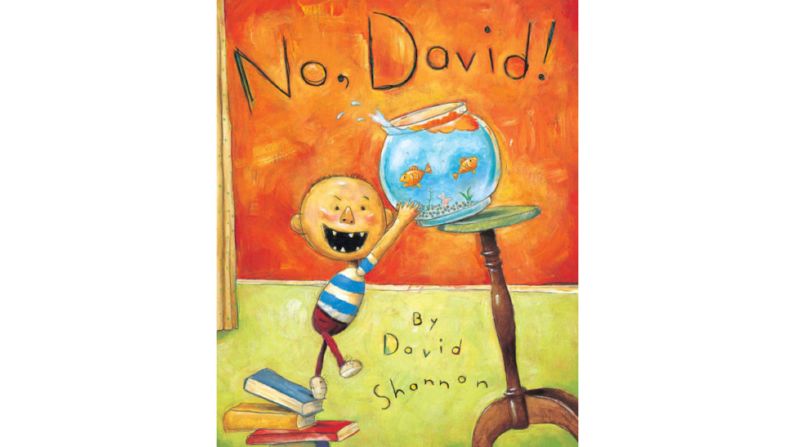
"No, David!" by David Shannon: David's always up to mischievous adventures. Flip through the illustrations to discuss with your toddler what isn't shown -- the possible causes and consequences of his behavior.
Scholastic
An unexpected adventure —
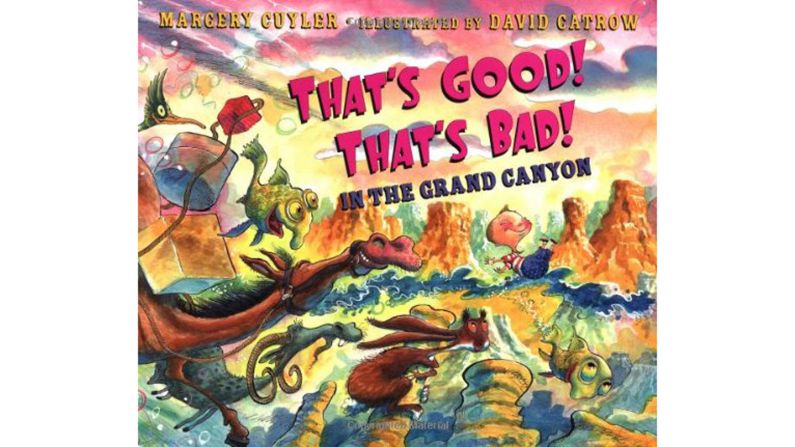
"That's good! That's bad! In the Grand Canyon" by Margery Cuyler: A visit to the zoo turns into an exciting trip with a series of adventures and mishaps as a shiny red balloon carries a little boy into animal habitats.
Amazon
Getting to know animals —
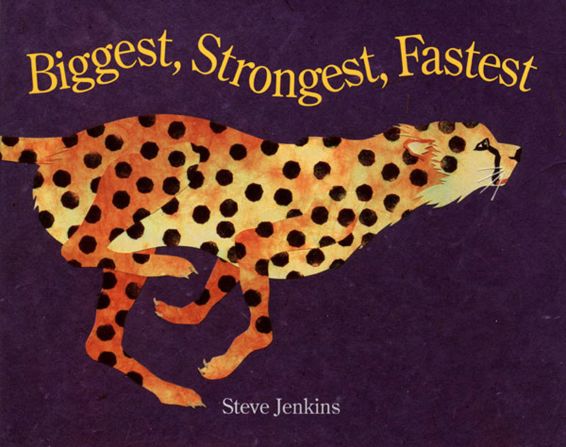
"Biggest, Strongest, Fastest" by Steve Jenkins: Rich with causal information, this picture book not only describes an animal's features, but how they interact to power the animal through their daily activities.
Correction: A previous version of this gallery featured the incorrect title of this book description.