Fishermen risk it all off the ‘Coast of Death’ | CNN
Thank You!
Your effort and contribution in providing this feedback is much
appreciated.
Close
Ad Feedback
Ad Feedback
Fishermen risk it all off the ‘Coast of Death’
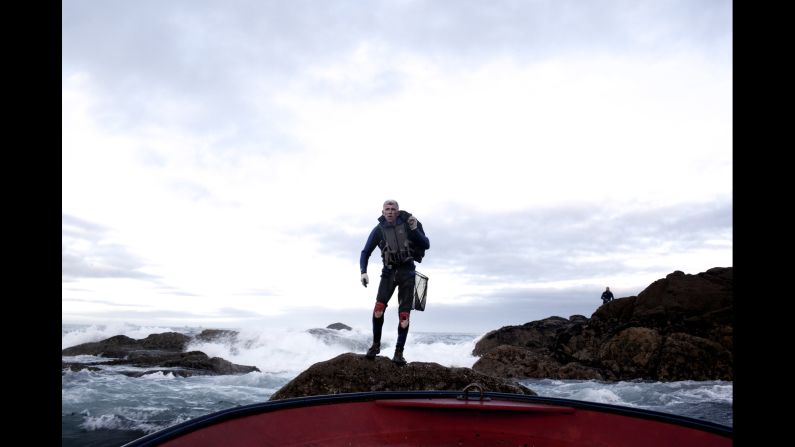
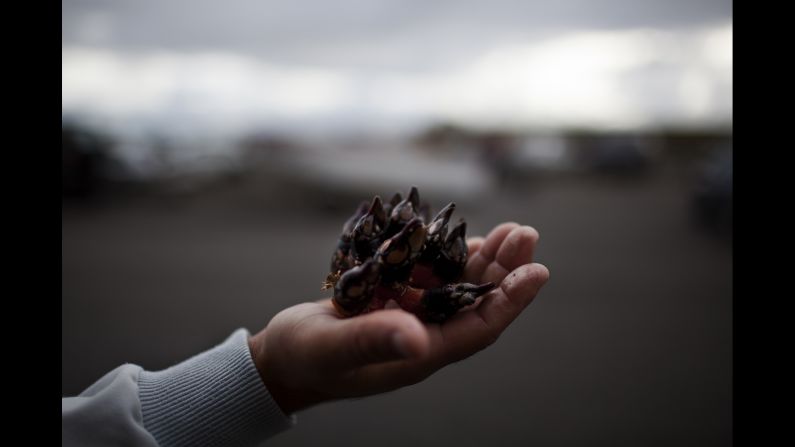
A percebeiro -- or goose barnacle fisherman -- collects the valuable crustaceans that cling to coastal rocks in northwestern Spain. Photographer Alvaro Laiz has been following percebeiros for the last five years, documenting one community near the Costa da Morte ("Coast of Death").
Álvaro Laiz
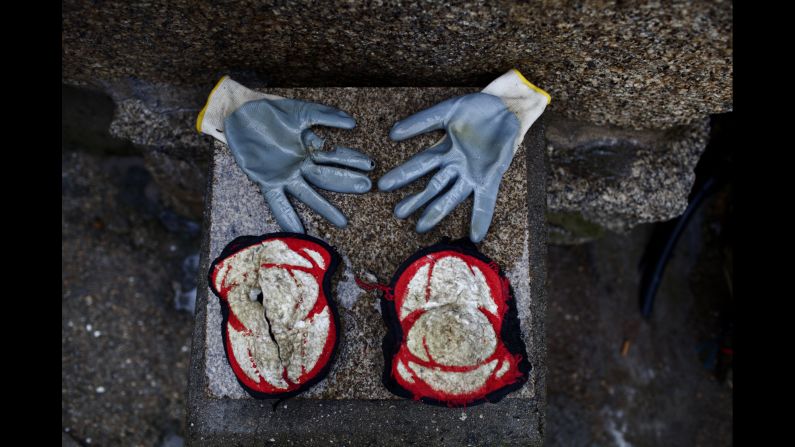
The percebeiros wear kneepads and gloves to protect themselves from the rocks, which can be sharp as knives.
Álvaro Laiz
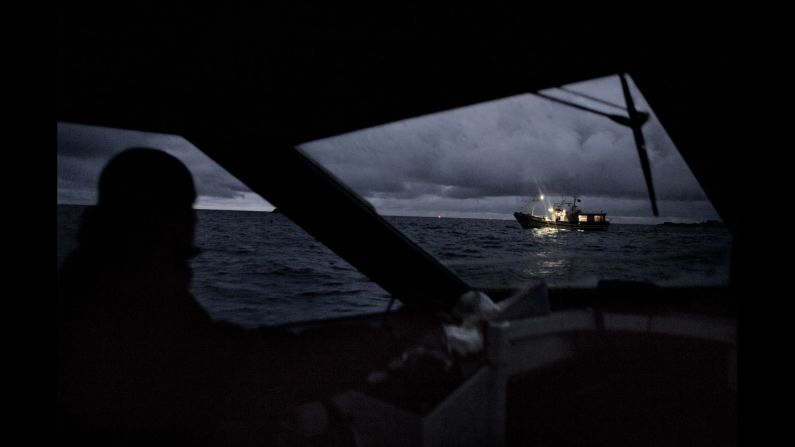
In the village of Aguino, there are about 80 to 100 percebeiros working legally, but others hunt illegally at night, Laiz said. The water is more dangerous at night and the penalties for getting caught are high, but the lucrative returns often justify the risks.
Álvaro Laiz
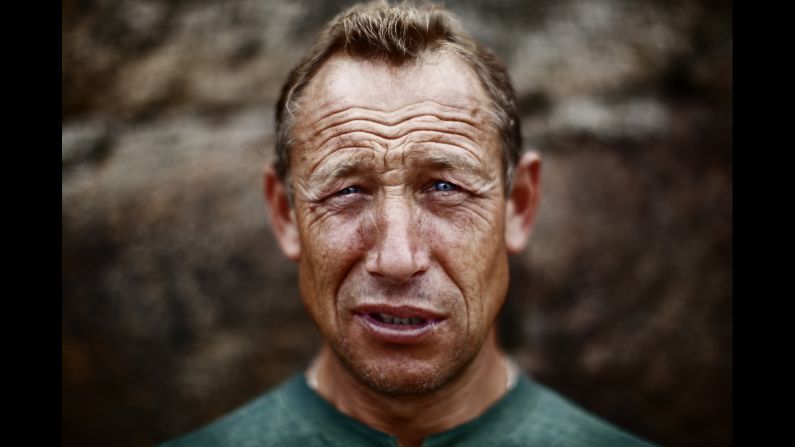
Manolo, 56, spent half his life working as a fisherman in the North Sea.
Álvaro Laiz
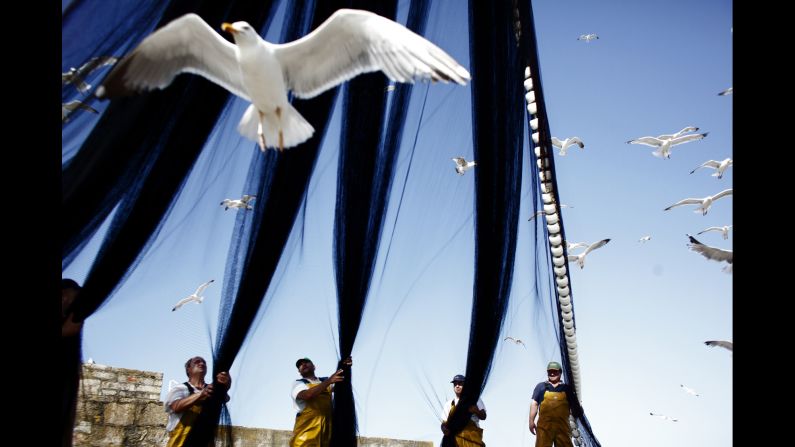
Fishermen untangle a trawling net while seagulls fight for fish.
Álvaro Laiz
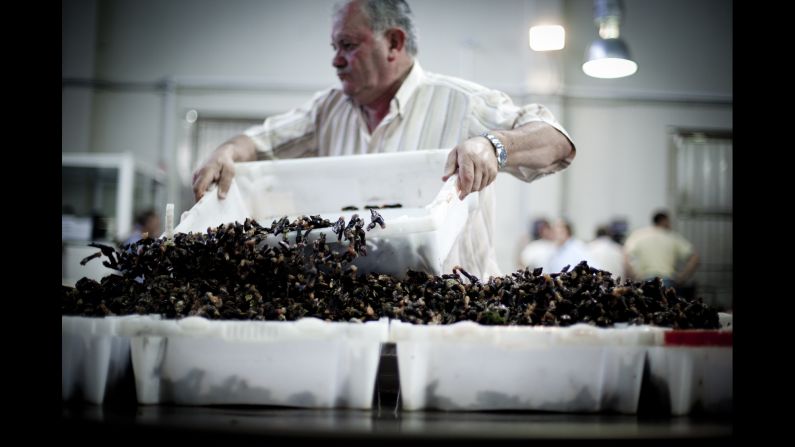
Goose barnacles, or percebes, are among the most expensive shellfish in the world. The delicacy grows all along the coastal cliffs, but they flourish where the waves are the highest and the wind is at its most fierce.
Álvaro Laiz
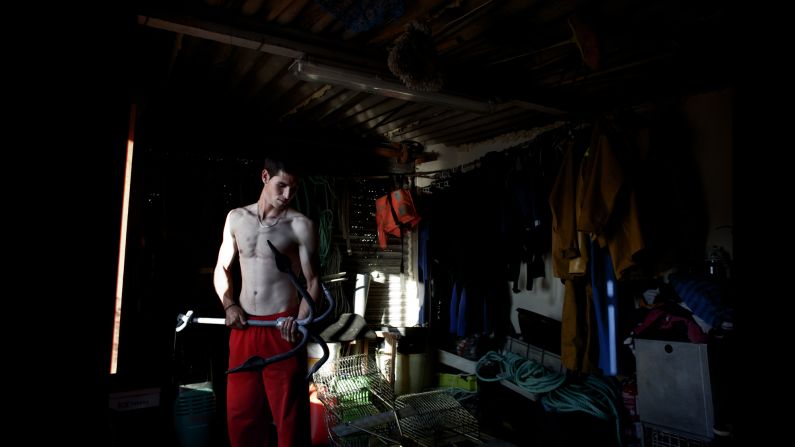
Fran, 26, checks the anchor of his small boat before heading out to sea. He is the youngest percebeiro in his family. He was forced to join the family business when Spain's real-estate market collapsed.
Álvaro Laiz
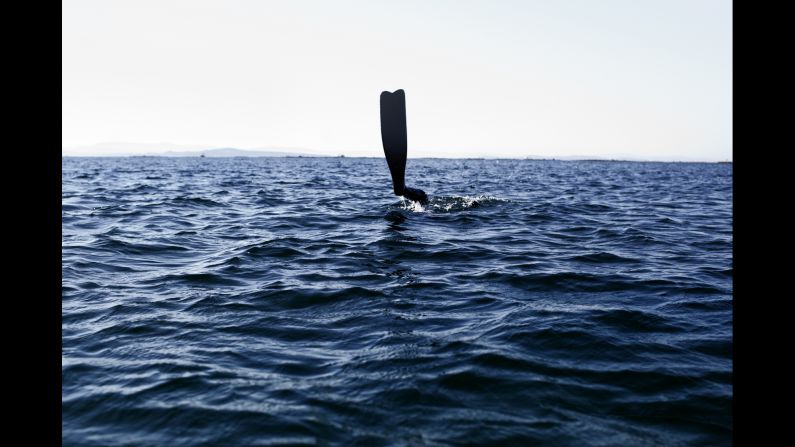
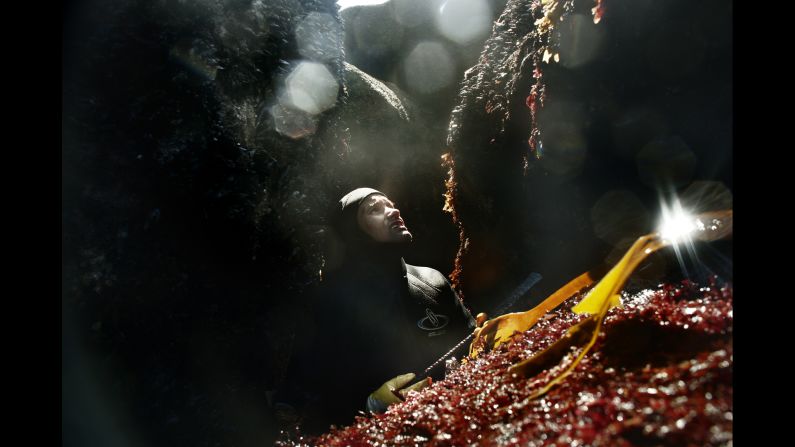
Percebeiros jump from their boats to razor-sharp rocks. They also swim through underwater caves to find the best percebes.
Álvaro Laiz
Cheri, 48, searches for goose barnacles among rocks more exposed to the waves. The brutal waves, however, can be deadly.
Álvaro Laiz
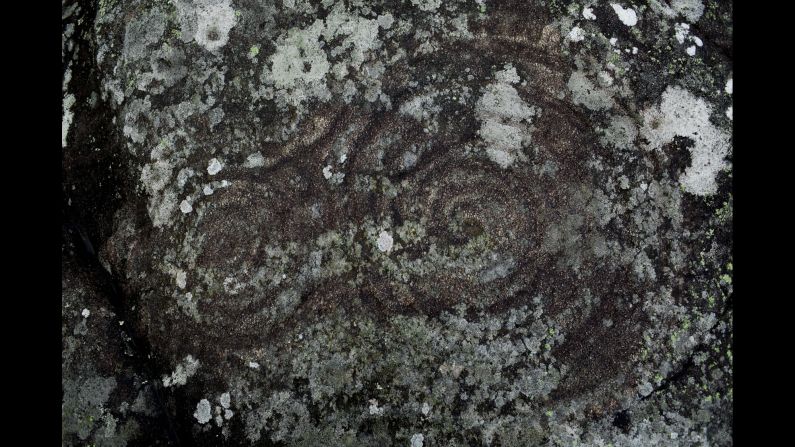
An old Celtic moon calendar can still be seen on one of the rocks.
Álvaro Laiz
A Virgin of the Sea statue in Ribeira, Spain.
Álvaro Laiz
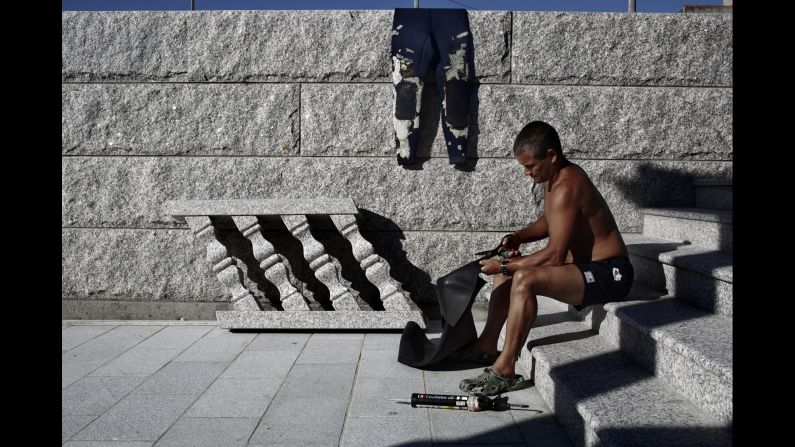
Cheri patches his badly damaged wetsuit.
Álvaro Laiz
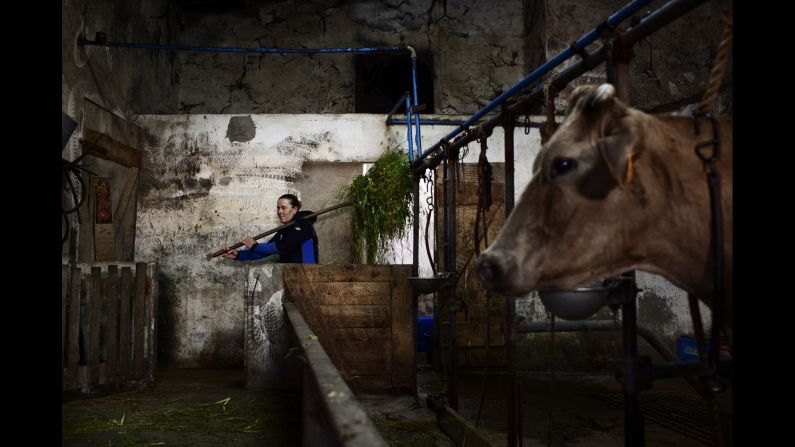
Every morning, Concha feeds her cattle before jumping into the water to collect goose barnacles.
Álvaro Laiz
Many villagers once abandoned fishing gear for much more lucrative trades, such as construction. But they returned to the sea when the housing bubble burst.