Your effort and contribution in providing this feedback is much
appreciated.
Close
Ad Feedback
Ad Feedback
Could the Great Green Wall become a mosaic?
Green tide —
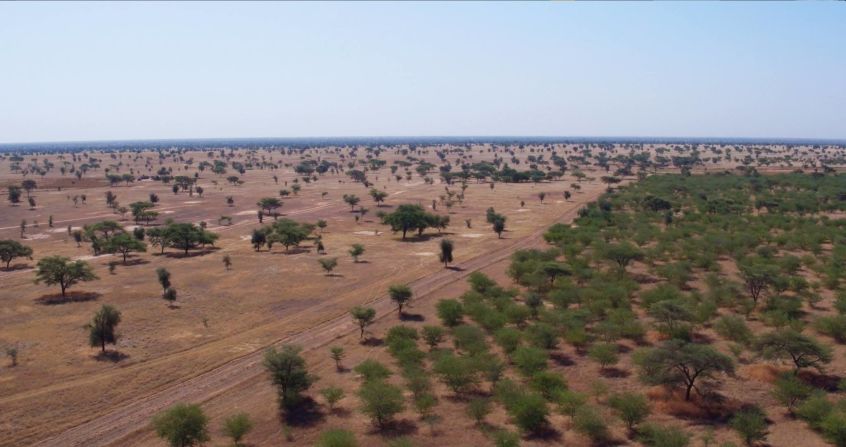
The Great Green Wall was conceived as a 7,700-kilometer tree belt stretching the length of the Sahara Desert. Around 15% of the Wall has already been planted, largely in Senegal, where four million hectares have reportedly been restored.
great green wall
Shifting sand —
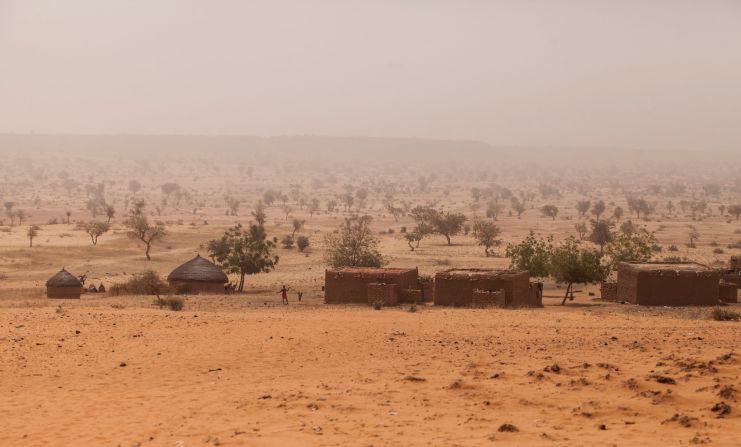
The Wall was conceived in response to the growing crisis of desertification in the Sahel region on the southern side of the Sahara desert, which causes drought, famine and poverty.
FAO
Desert diagnosis —
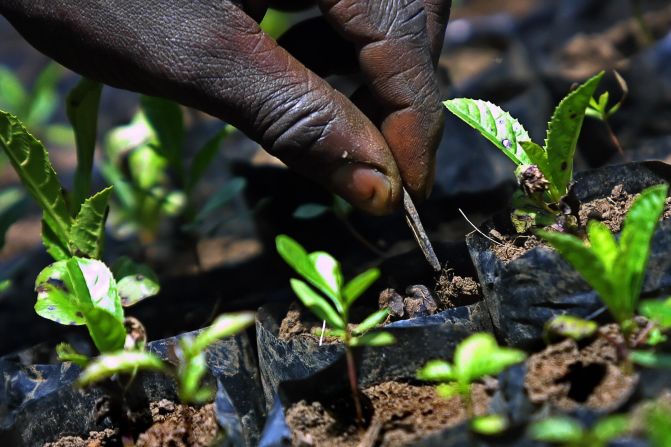
But scientists claim that the Sahara is not advancing, and that the causes of land degradation will not be solved by planting trees that rarely survive in arid land.
TONY KARUMBA/AFP/AFP/Getty Images
Grassroots recovery —
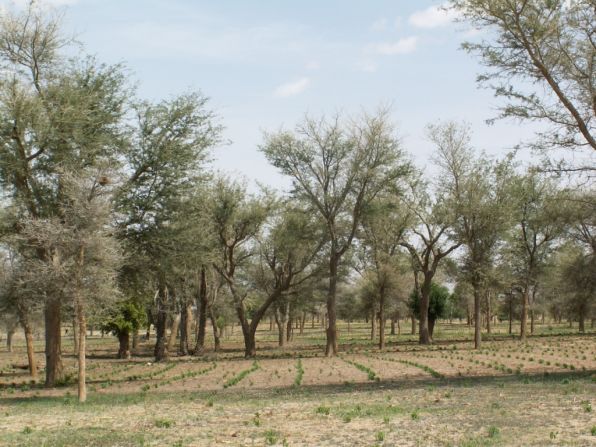
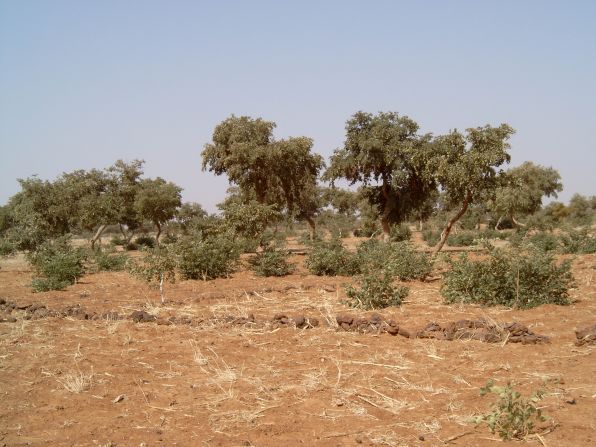
Niger is among the poorest countries in the world but it has achieved spectacular success through farmer managed natural regeneration methods.
Over five million hectares of land have been restored, and around 200 million trees, which can provide food for millions of people.
chris reij
Desert bloom —
Niger farmers have been able to restore previously barren landscapes, and land management experts say they should be an example for the Great Green Wall to emulate.
chris reij
Half moon —
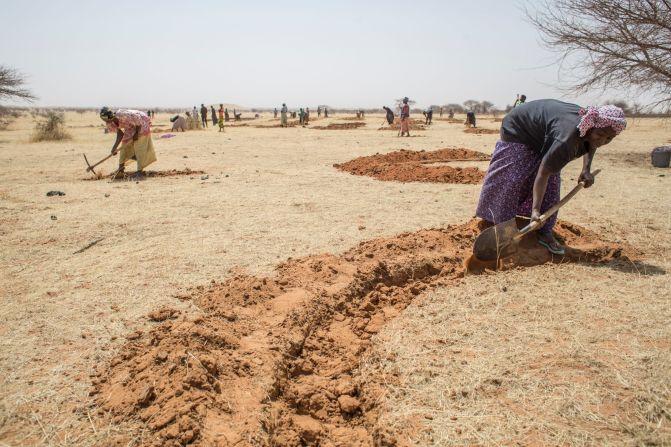
Niger farmers use innovative conservation techniques such as re-using the roots of dead trees, and digging half-moon pits for efficient water storage.
fao
Knowledge export —
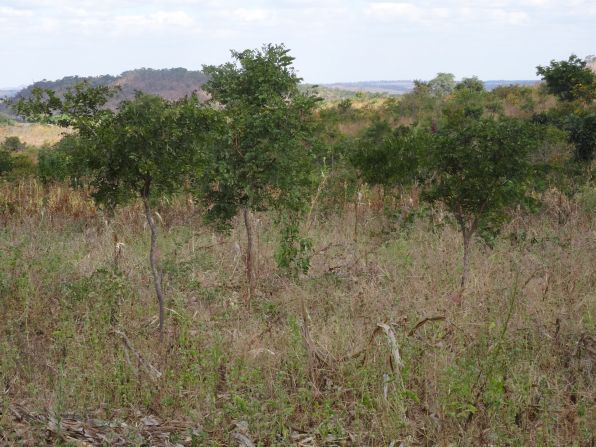
Farmer managed natural regeneration is beginning to spread through the Sahel region, and is delivering gains in countries such as Malawi.
chris reij
Rapid recovery —
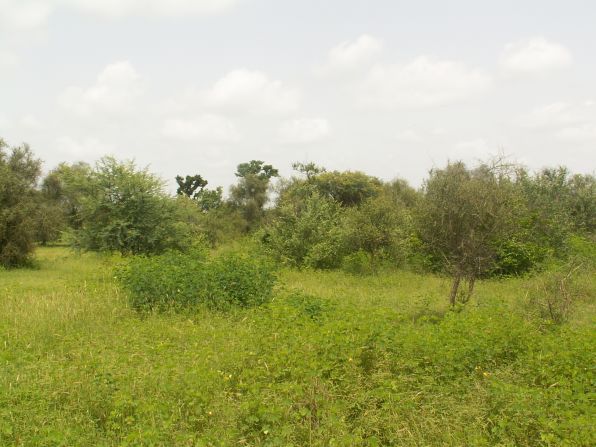
Tree planting had failed in this village in Senegal, which then flourished using the Niger model.
Chris reij
Green mosaic —
Land management experts recommend that the Wall is reconfigured as a patchwork of regreening initiatives tailored to local conditions including tree planting, wetlands, and sustainable farmland.