Welcome to one of the most ovecrowded jails in the Philippines | CNN
Thank You!
Your effort and contribution in providing this feedback is much
appreciated.
Close
Ad Feedback
Welcome to one of the most ovecrowded jails in the Philippines
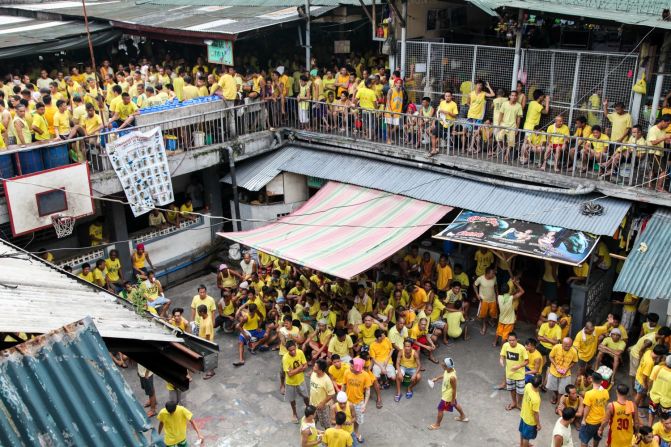
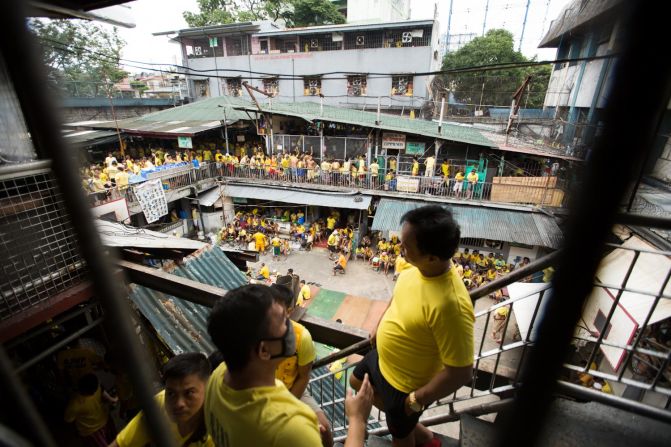
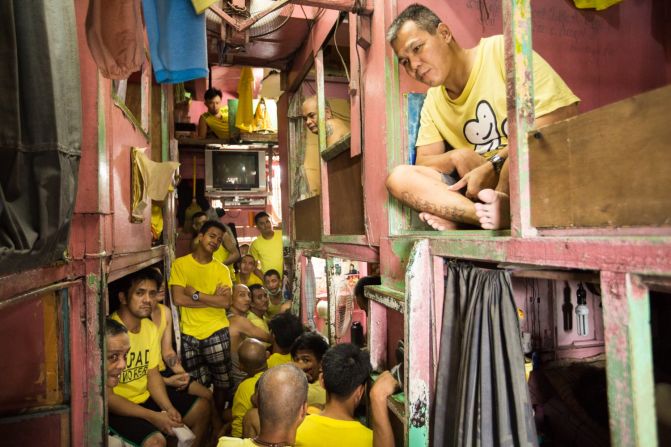
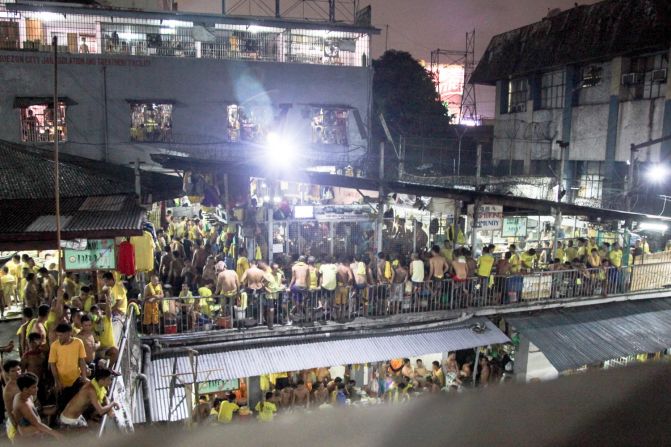
Quezon City jail, just outside the capital Manila, is home to over 4,000 inmates.
Euan McKirdy/CNN
Originally built in 1953, the country's jail authority suggests it is safe for 800 inmates -- a shade of its current numbers. By U.N. standards, it is fit for 200 inmates.
Scott Clotworthy/CNN
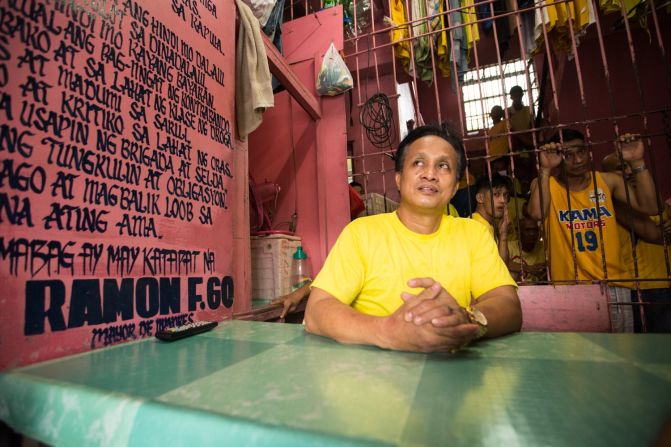
Inmate Ramon Go, who acts as "mayor" for some of the jail's dorms, has been incarcerated for 16 years. He's currently awaiting the verdict of his murder trial, which happened two and a half years ago.
Scott Clotworthy/CNN
It's always been packed, guards say, but recently the number of inmates has spiked.
Scott Clotworthy/CNN
Critics say this overcrowding is a predictable effect of President Rodrigo Duterte's war on drugs.
Scott Clotworthy/CNN
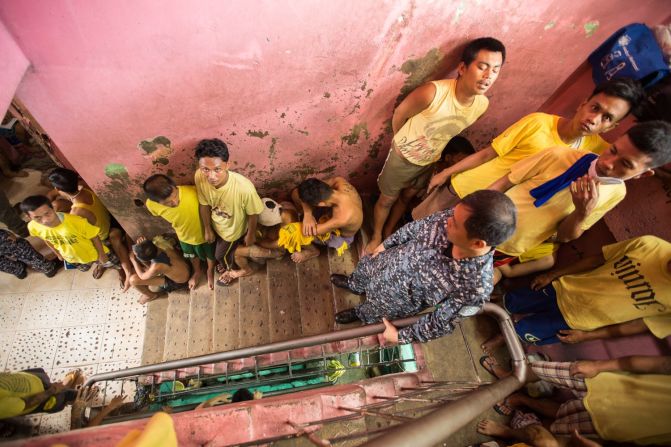
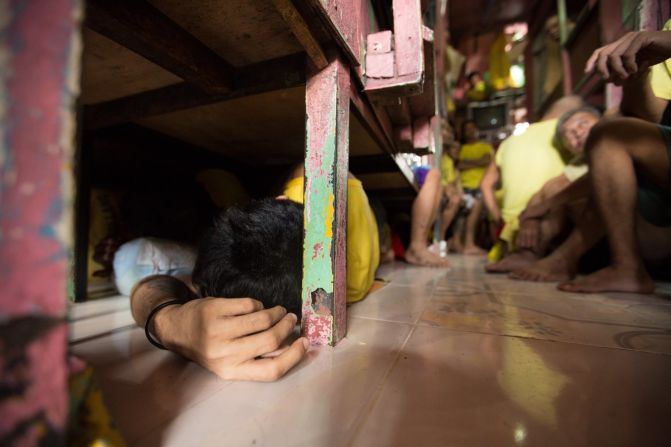
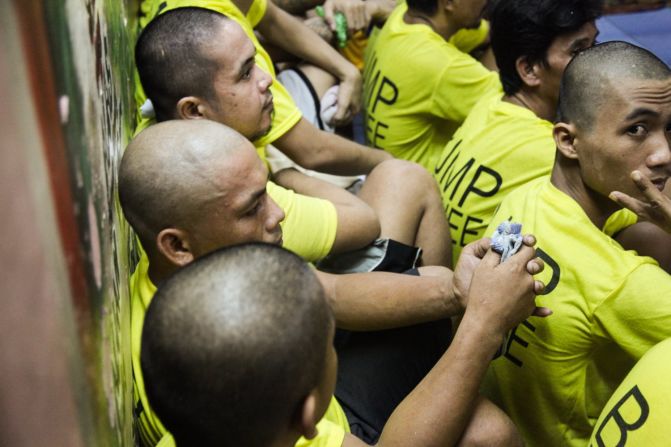
"The food is terrible," says one inmate. "And it's hard to find a space to sleep, especially when it rains."
Scott Clotworthy/CNN
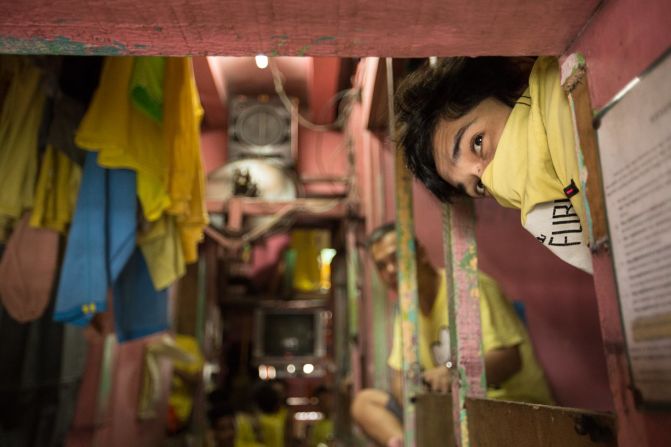
Dormitories are affectionately called barangays, a Filipino name for neighborhoods. One 200-square foot room houses 85 inmates.
Scott Clotworthy/CNN
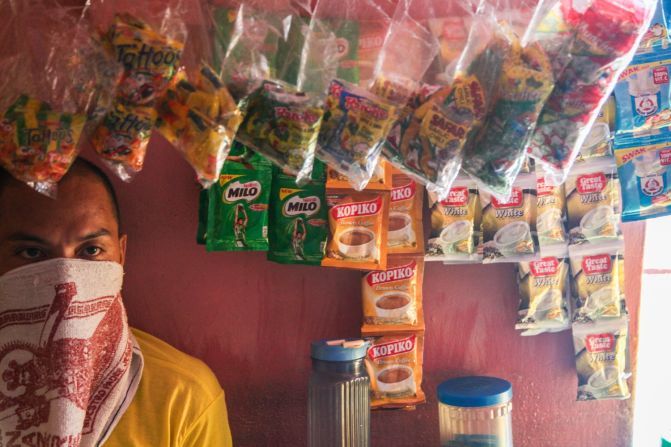
A rigorous search of those coming in keeps the amount of contraband to a minimum, says the jail's senior inspector. But it's still a jail, he shrugs, suggesting that drugs and other illegal goods do find their way in.
Euan McKirdy/CNN
Many inmates could go home but can't afford the bail, which can be as low as 4,000 to 6,000 pesos ($86 to $129).
Euan McKirdy/CNN
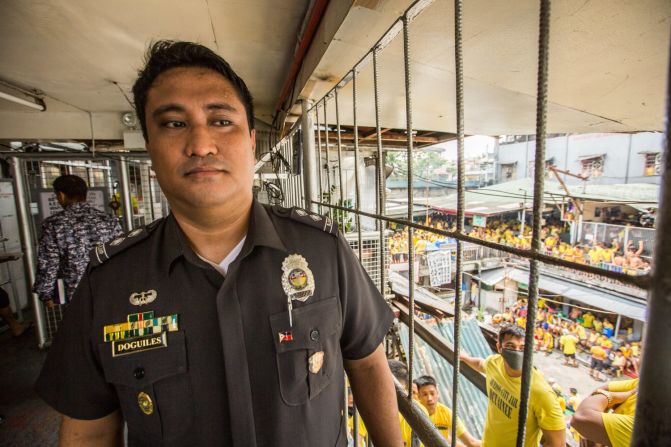
Joey Doguiles, the jail's senior inspector and chief of operations.
Scott Clotworthy/CNN
At the beginning of the year, just under 3,600 were incarcerated. In the seven weeks since President Duterte took office, that number has risen to 4,053.
Euan McKirdy/CNN
With thousands of arrests made since the beginning of June in the war on drugs, the population of inmates keeps growing.