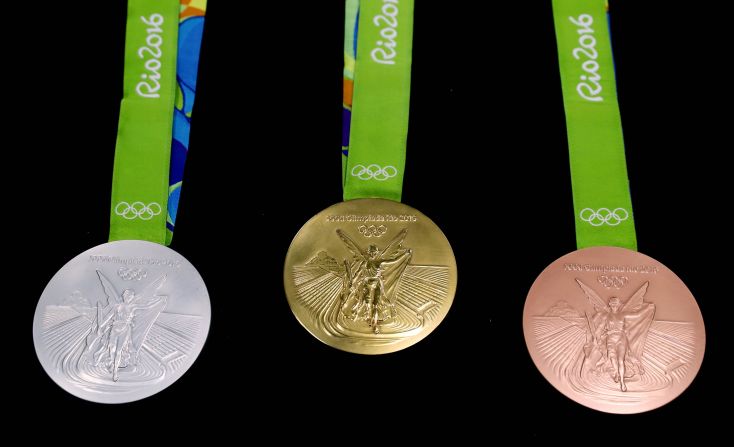
Want to win an Olympic medal? There's a high-tech training app for that. Not to mention clothes with special powers. Modern technology can boost athletic performance so much that some of these advancements have been banned as "high-tech doping," while others are only allowed for training. What's next?
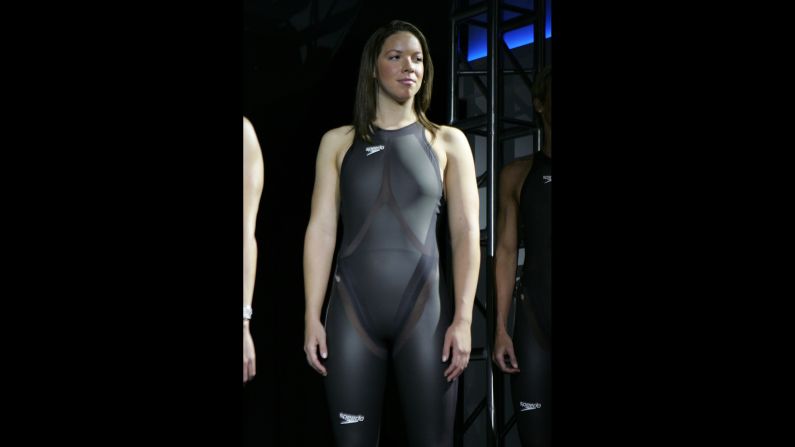
In 2008, Speedo launched a swimsuit called the LZR Racer, modeled here by gold medalist Katie Ziegler. Soon copied by many other manufacturers, the suits improved performance so much that the full-body version was banned by the International Olympic Committee as "high-tech doping on a hanger." But that was after Michael Phelps and others used it to smash dozens of world records and bring home a ton of gold in the 2008 Bejing Olympics.
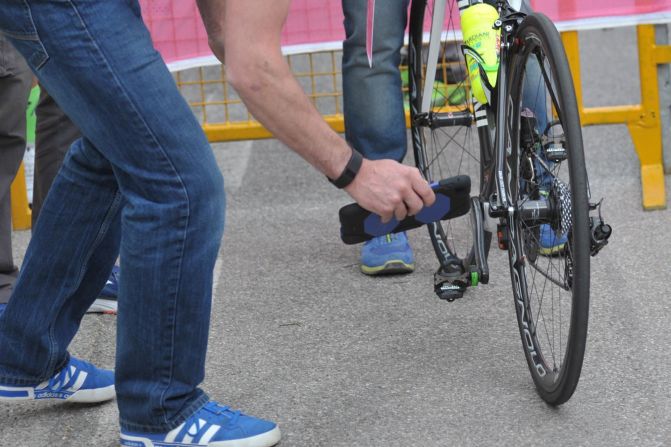
Cycling is an Olympic sport in which technology plays a huge role. Just look at the ever-evolving ultra-light carbon fiber bikes, which are a must to win a medal in today's Games.
Now it appears some athletes may be trying to increase their chances by hiding tiny battery-powered motors in wheels or in the bike's frame to boost performance. In April, the International Cycling Union banned Belgium's Femke Van den Driessche for six years after they found a device hidden in the seat of her bike. The 19-year-old has since retired from racing.
Now it appears some athletes may be trying to increase their chances by hiding tiny battery-powered motors in wheels or in the bike's frame to boost performance. In April, the International Cycling Union banned Belgium's Femke Van den Driessche for six years after they found a device hidden in the seat of her bike. The 19-year-old has since retired from racing.
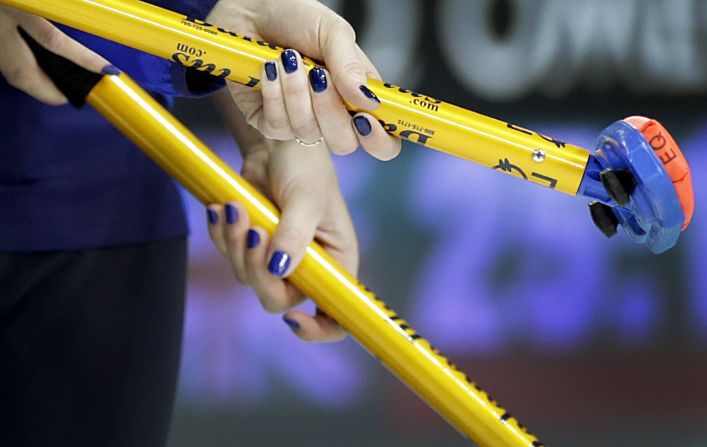
Dubbed "Frankenbrooms," these modern curling brooms have replaced the old-fashioned "witch's broom," used for centuries in the sport of curling. Curling is a winter Olympic sport somewhat similar to shuffleboard where the broom is used to sweep the ice as the stone slides toward its final resting spot.
The problem with "Frankenbrooms," say critics, is that they work so well, they take any skill out of the game. They've been temporarily banned, and the World Curling Federation is studying the brooms' impact on the sport and is expected to rule on their use this fall.
The problem with "Frankenbrooms," say critics, is that they work so well, they take any skill out of the game. They've been temporarily banned, and the World Curling Federation is studying the brooms' impact on the sport and is expected to rule on their use this fall.

Just look at the size of that bat! It's huge compared with older versions used in cricket, and officials are worried that the new technology is favoring batsmen. The International Cricket Council is studying the issue and may soon impose restrictions on bat sizes to bring them back in balance with the ball. Hopefully, that's in time for cricket's possible re-entry into the Olympics, maybe as early as 2024.
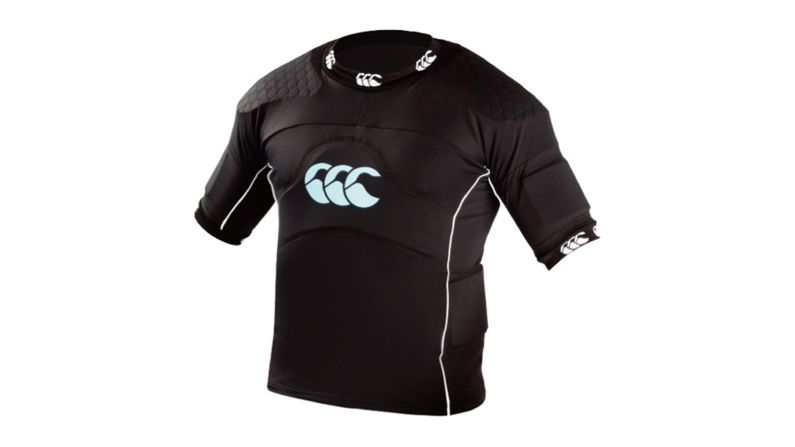
It may look like any other athletic shirt, but this one is made from a fabric that contains a negatively charged electromagnetic field that is supposed to improve oxygen and blood flow and allow athletes to recover quickly between training sessions. It was dubbed "wearable steroids" by critics, and the World Anti-Doping Agency, which works closely with the International Olympic Committee, was asked to give a ruling. Since the technology has yet been proven to work, the verdict was that it is OK for now.
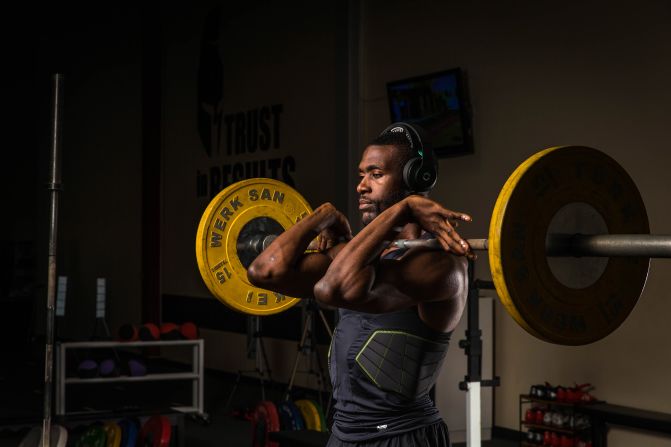
Here's an unusual approach to wearable training: headphones that prime your brain's neurons by delivering a low-intensity electric current directly to the brain's motor cortex, which controls muscle movement. By zapping your brain for 20 minutes before a workout, the session is supposed to synchronize neurons to fire more efficiently. While studies have shown no evidence that it works, US track stars have been using it to train for Rio.