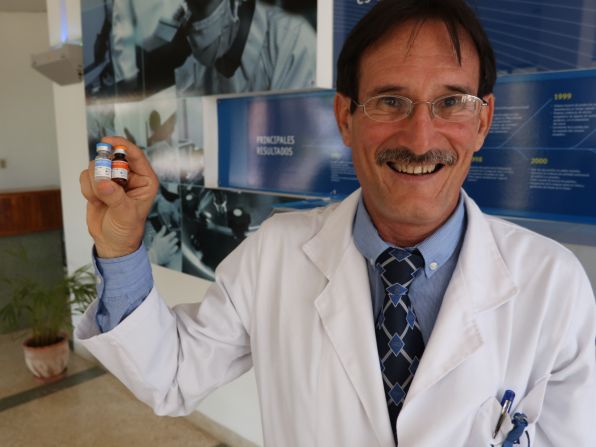
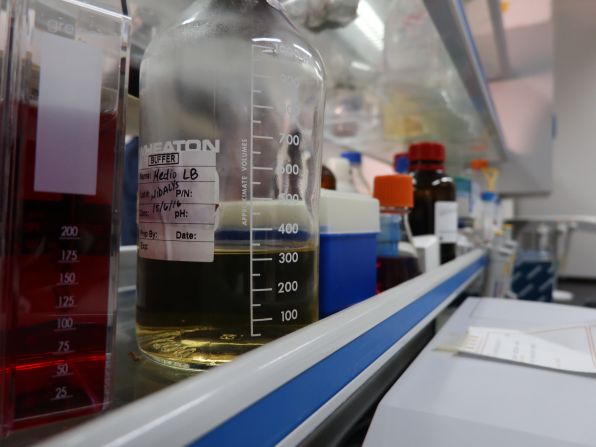
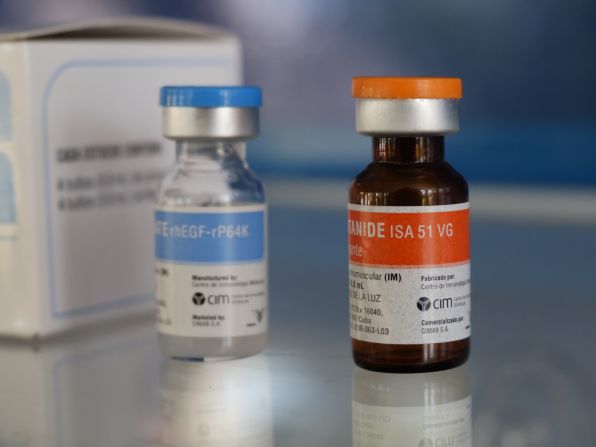
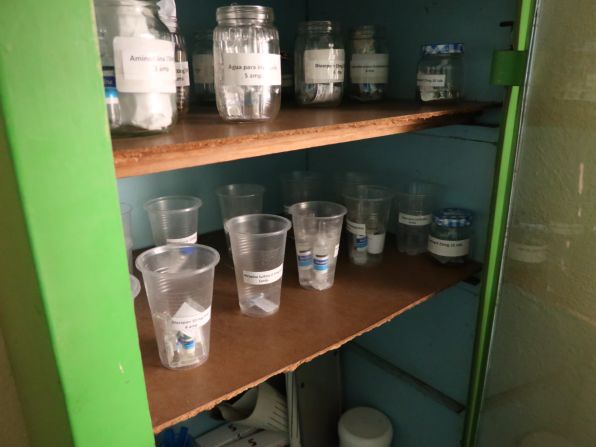
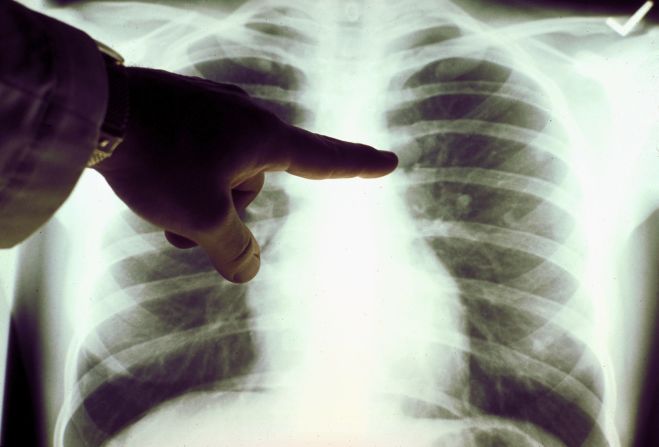
Scientists at the Centro de Immunologia Molecular, the Center for Molecular Immunology, have created a vaccine to treat lung cancer. This has caught the attention of several countries around the world. Researcher Camilo Rodriguez with vials of the vaccine.
Fidel Castro founded the center as the American embargo on Cuba meant the country could not access American medical treatments. Instead, researchers made their own.
The vaccine is called CIMAvax, and clinical trials have suggested that it can prolong life by an average of 11 months in lung cancer patients.
The vaccine does not prevent disease but instead keeps diagnosed tumors in check by inhibiting their growth. It is a form of immunotherapy, harnessing the body's own immune system to fight cancer.
Among men in Cuba, lung and prostate cancer are the most common types reported. Cancer in any form is the second leading cause of death in the country.
American Cancer Society/Getty Images
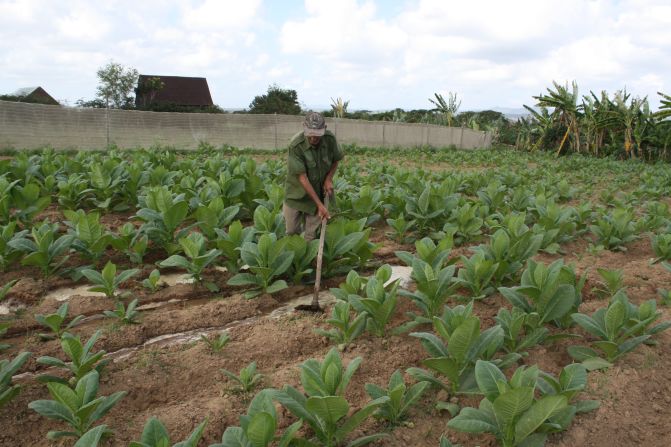
Lung cancer is prevalent in Cuba in large part thanks to one of the country's staples: tobacco.
Patrick Oppmann/CNN
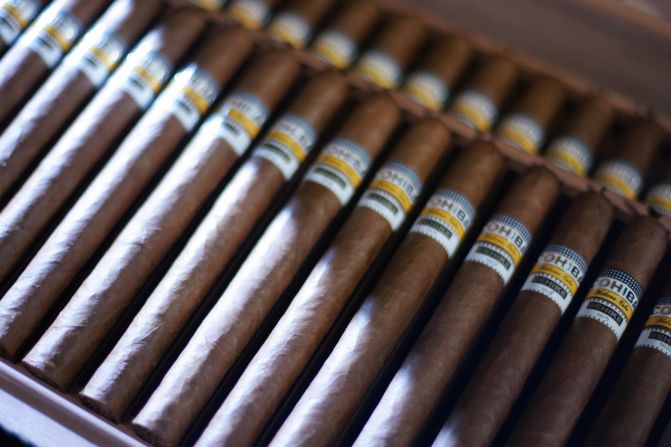
Cuba's tobacco industry resulted in another staple the country is known for: cigars. Pictured, a box of the world's most expensive cigars, Cuban Cohiba Behikes.
PEDRO ARMESTRE/AFP/Getty Images
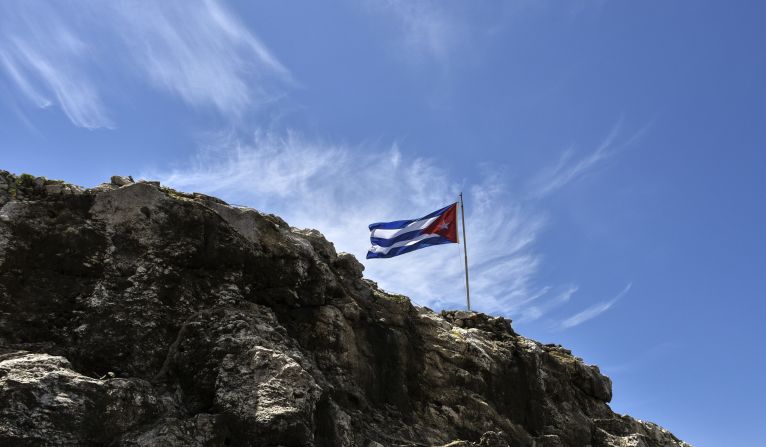
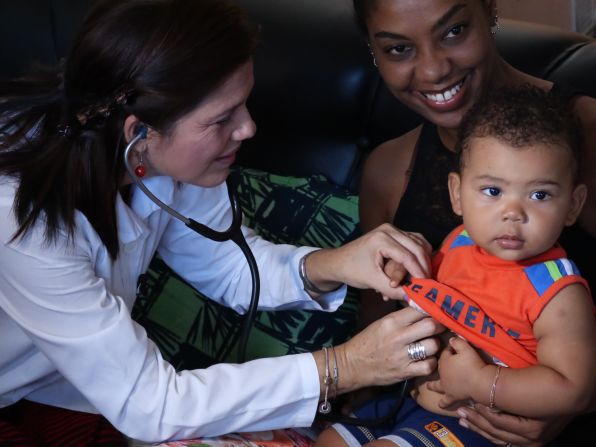
Cuba, the largest island in the Caribbean, has a state-run health system. Much of the focus is on prevention, as it is cheaper to prevent disease than treat it. The care, including vaccines, is free.
ADALBERTO ROQUE/AFP/Getty
Cubans have a slightly longer lifespan, on average, than the United States at 80 years versus 79, respectively. The island nation is thriving in the field of biotechnology, which led to development of the vaccine.