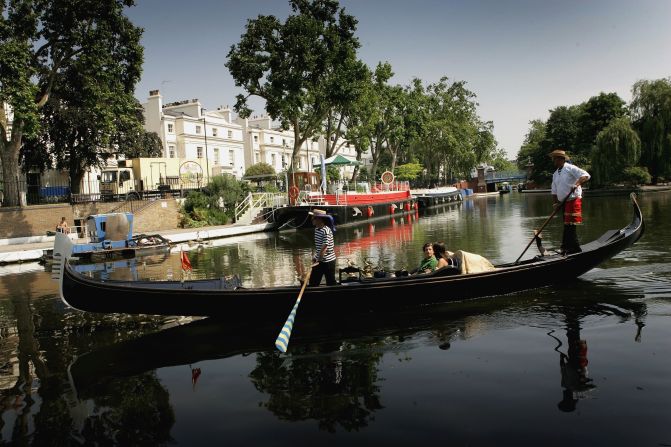
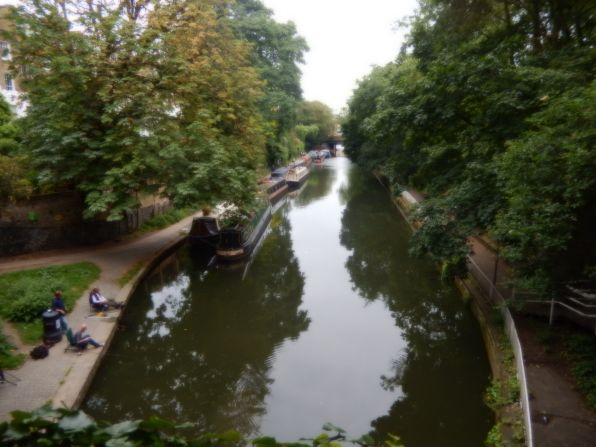
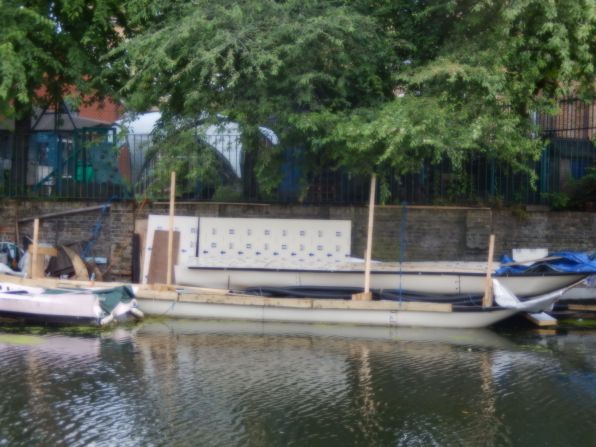
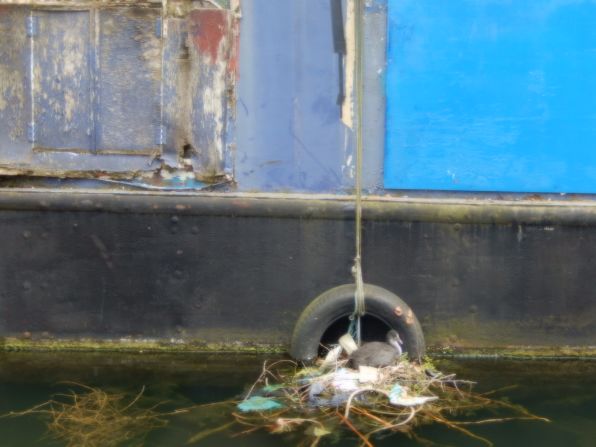
Little Venice in West London is among the city's most popular boating locations. A sharp increase in the number of Londoners living on the water has put pressure on the local boating community.
Chris Jackson/Getty Images Europe/Getty Images
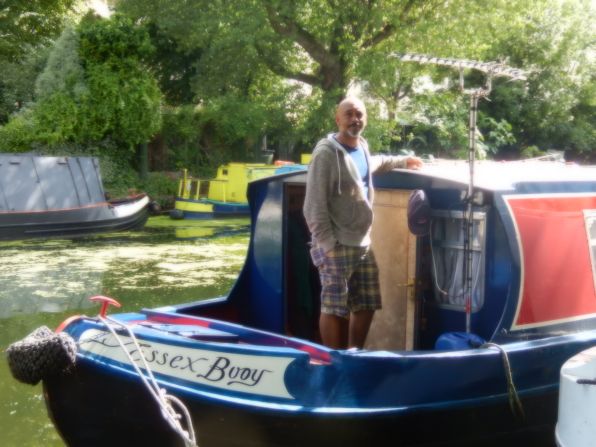
"Over the last five years it has gone absolutely crazy," says David Akinsanya, who has spent 17 years on the canals, but rarely stays in London due to overcrowding.
kieron monks
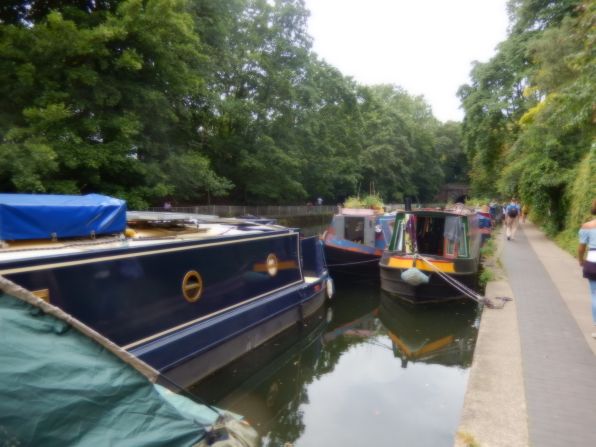
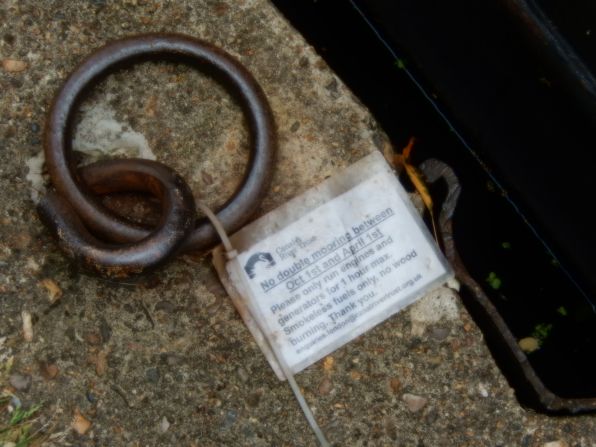
Most of the new arrivals receive "continuous cruiser" licenses that require them to change location every 14 days. The most popular areas in east and central London see heavy congestion.
kieron monks
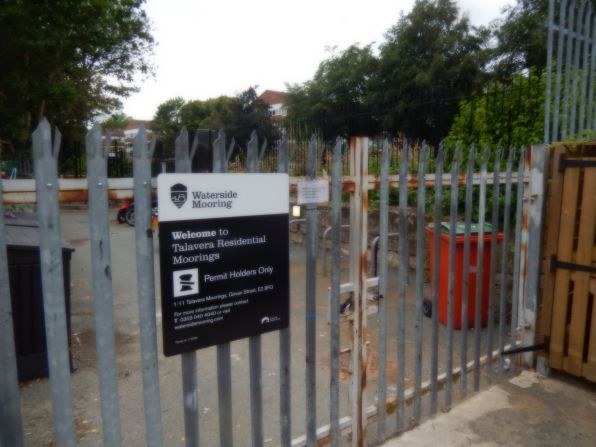
Wealthier boaters can secure permanent moorings in desirable locations for over £1,000 ($1,320) a month, although space is at a premium.
kieron monks
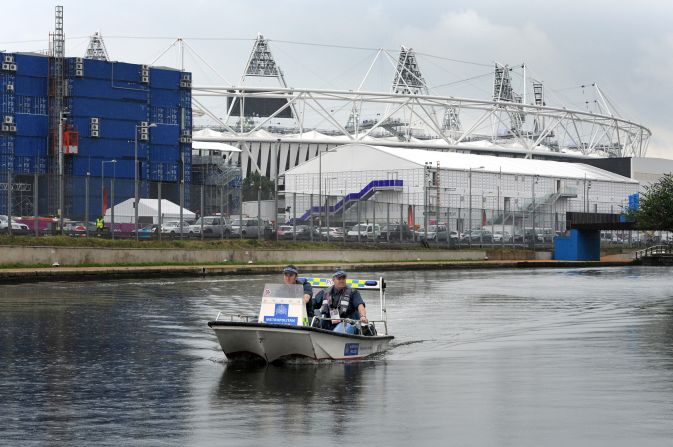
Many boaters blame the Canal and River Trust, which manages the canals in England and Wales, for failing to prevent overcrowding. Short-stay facilities around the Olympic Park have been reduced.
WPA Pool/Getty Images Europe/Getty Images
Tensions have arisen between boaters and the population on land in some places. In Islington, London, locals have complained about noise and pollution from boaters, and succeeded in placing restrictions on their numbers.
kieron monks
Some continuous cruisers feel they face similar stigmatization and persecution to traveling Roma communities. "There is an element of class prejudice," says boater Phineas Harper.
kieron monks
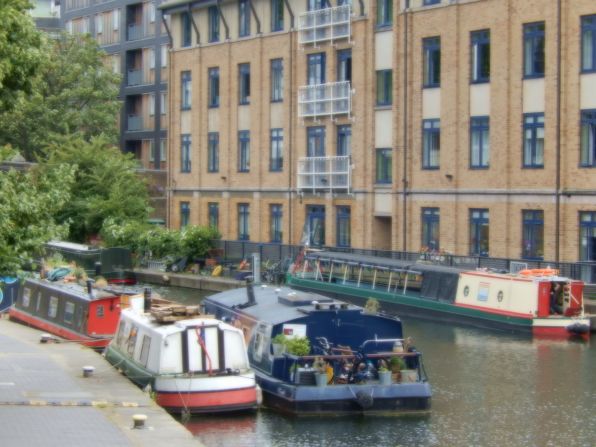
Expensive riverside developments, and an increase in high value tourist boats, have stoked fears among boaters that they are a low priority for the canal authorities, and could even be evicted.
kieron monks
The increased demand for accommodation on the waterways has resulted in the exploitation of new arrivals, often through the sale of sub-standard vessels. "Every boat we looked at had something wrong with it," says 18-year-old Georgia Hart.
kieron monks
Social workers fear there are many cases of hidden poverty on boats, as there is little welfare monitoring on the canals.