You can cut your risk of dying by more than a fourth just by replacing bad fats with good. That's the takeaway from a new study from Harvard that analyzed the eating habits of more than 126,000 men and women over a 32-year period. And some fats were better than others from protecting against specific diseases.
JulijaDmitrijeva/Shutterstock
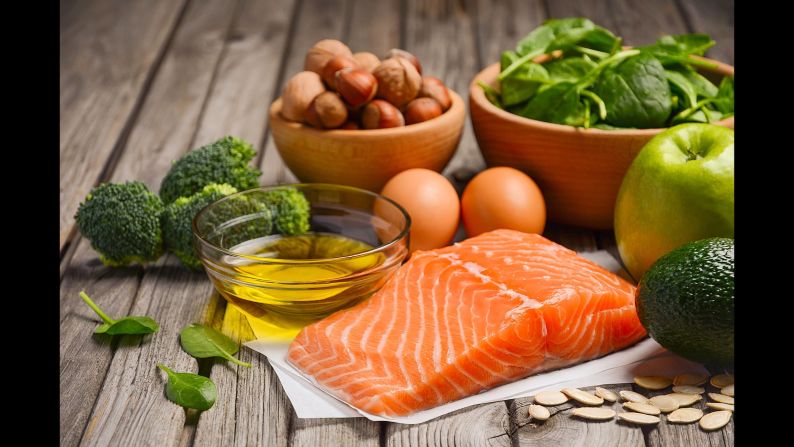
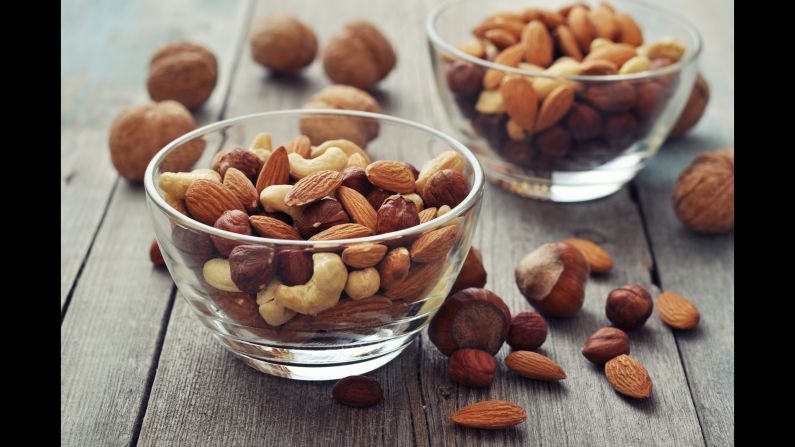
The study found that if people replaced a mere 5% of their calorie intake from "bad" fats with polyunsaturated fats, they could reduce their risk of death by 27%. Polyunsaturated fats contain essential fats your body can't produce by itself, such as omega-6 and omega-3 fatty acids. You must get these essential fats through the food you eat. One of the best sources is nuts: Small servings of 10 to 15 nuts can go a long way toward good health.
mama_mia/Shutterstock
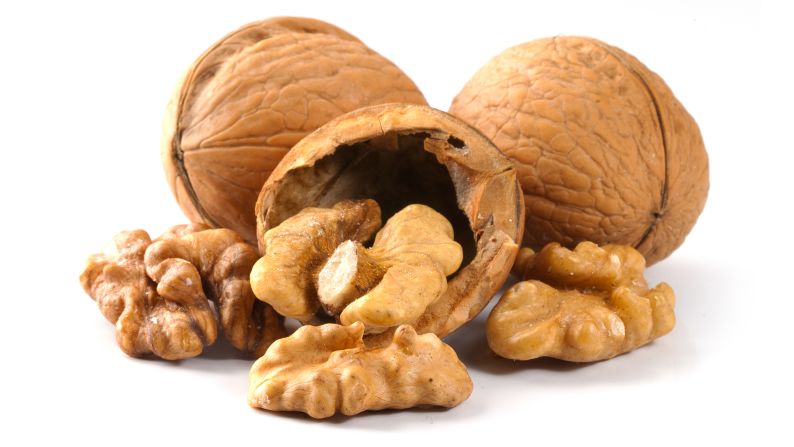
One polyunsaturated fat, an omega-6 fatty acid called linoleic acid, was shown in the Harvard study to be especially protective against death by cancer and coronary artery disease. Walnuts are one of the best sources of linoleic acid; eating just seven shelled walnuts provides about 11 grams of the good stuff.
oriori/Shutterstock
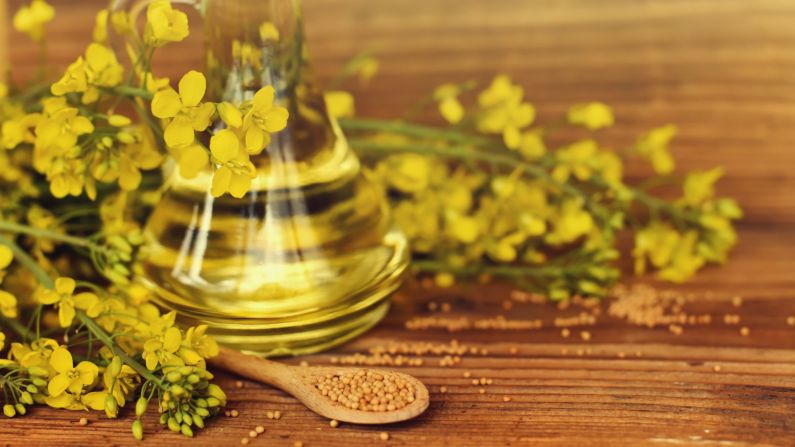
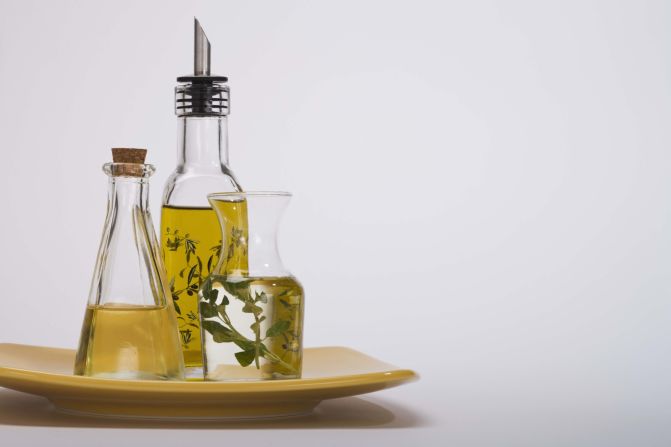
Other good natural sources of linoleic acid include sunflower, safflower, soybean, corn and canola oils as well as nuts and seeds.
IgorAleks/Shutterstock
Another key polyunsaturated fat, the omega-3 fatty acid called alpha-linolenic, was protective against death due to neurodegenerative disease in the Harvard study. Alpha-linolenic acid is found in vegetable oils, such as flaxseed, canola and soybean oils, as well as walnuts.
Photo Illustration/Thinkstock
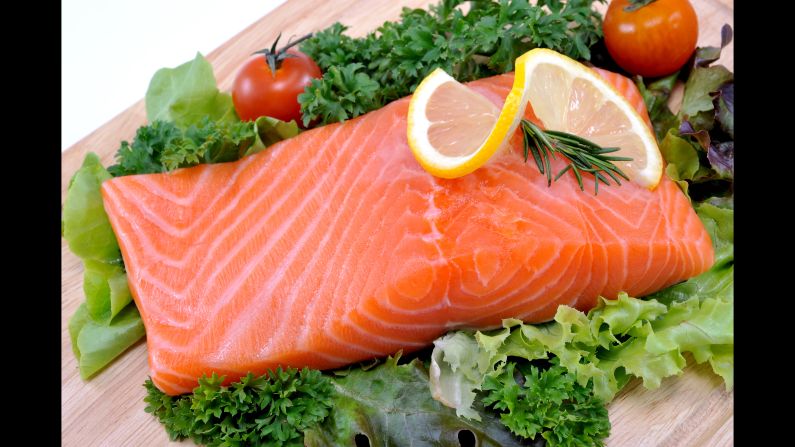
Salmon, albacore tuna, mackerel, herring, lake trout and sardines are all "fatty fish" high in omega-3 fatty acids. The American Heart Association recommends at least two servings a week. Each serving is 3.5 ounces cooked, or about ¾ cup of flaked fish.
amenic181/Shutterstock
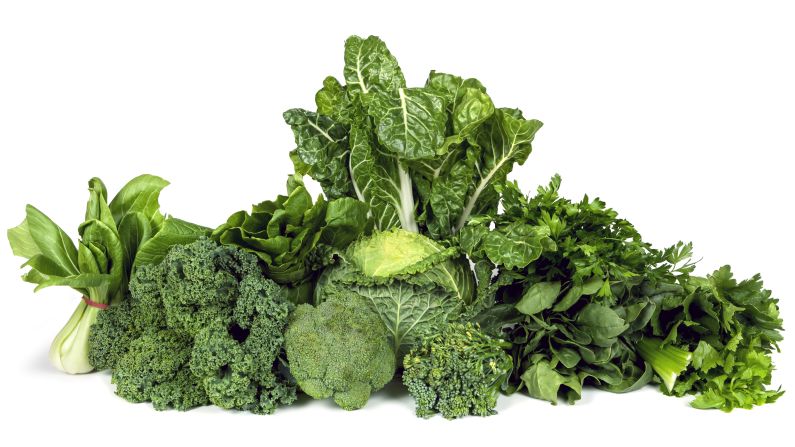
Don't forget your green leafy vegetables. They're also good sources of alpha-linoleic acid and are often protective against cancer.
Robyn Mackenzie/Shutterstock
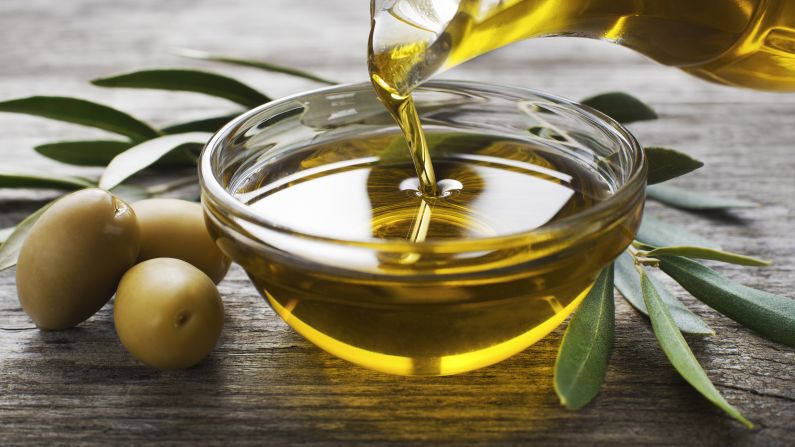
The study also found that risk of mortality dropped by 13% if people replaced a mere 5% of their calorie intake from bad fats with monounsaturated fats. These fats are typically liquid at room temperature but when chilled begin to turn solid. The most famous example of a monounsaturated fat is olive oil, a key player in the Mediterranean diet, often touted as one of the healthiest in the world.
DUSAN ZIDAR/Shutterstock
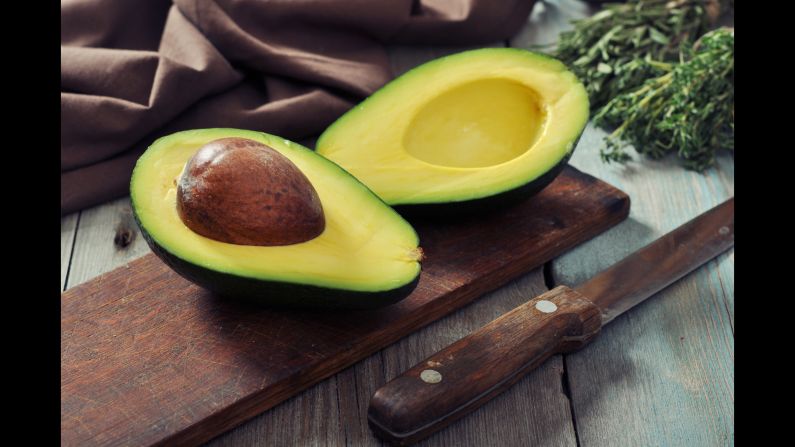
Avocados are a super source of monounsaturated fat, as are many nuts and seeds. Monounsaturated fat can lower bad cholesterol levels and contribute vitamin E, which many Americans are missing.
mama_mia/Shutterstock
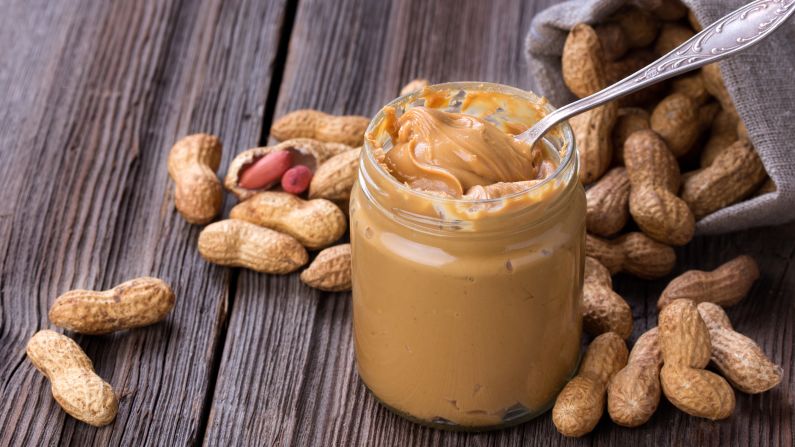
Peanut butter fans, rejoice! Peanuts are a great source of monounsaturated fat, but watch out for sugar! Try to stick to natural versions, and watch your portions. Like all nuts, peanuts are high in calories.
oxyzay/Shutterstock
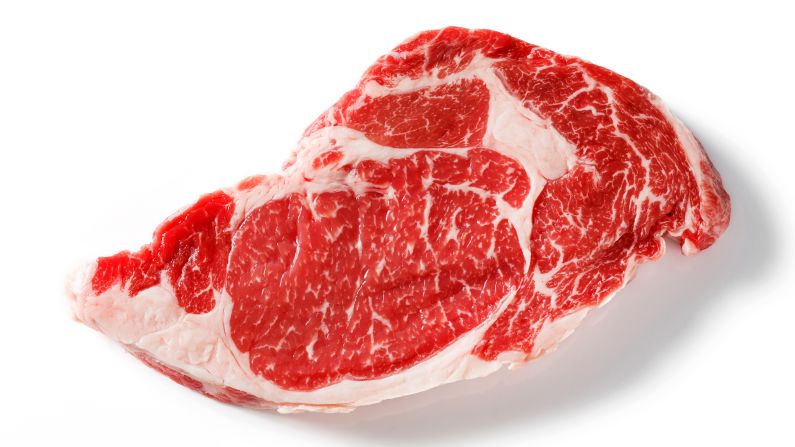
So what fats should you be avoiding? You guessed it: saturated and trans fats. Well-marbled red meat, although tasty, isn't a great regular menu item because of its high levels of saturated fat.
Smith1972/Shutterstock
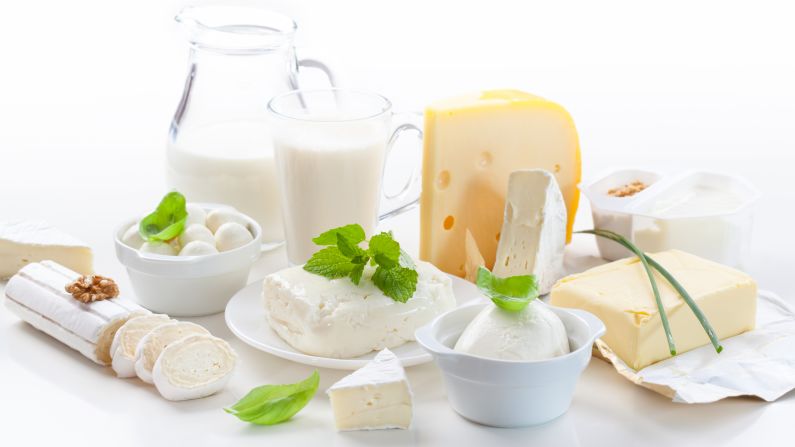
Saturated fat is also found in in animal-sourced foods like butter, lard, cheese and ice cream. You'll want to reduce these in your diet; use only in moderation.
Ingrid Balabanova/Shutterstock
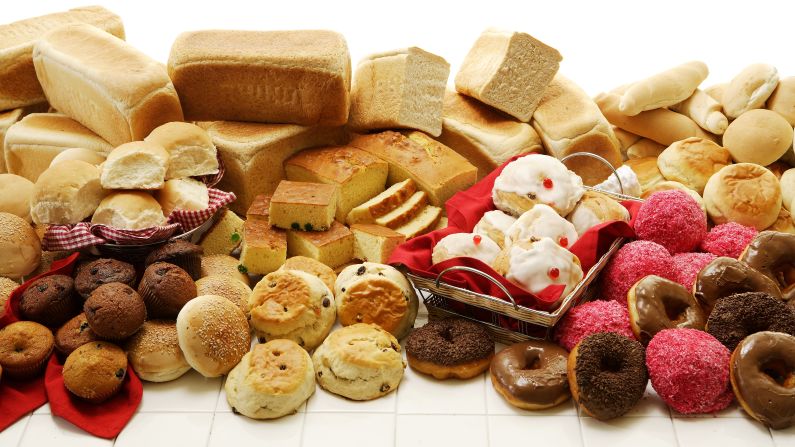
Trans fats are the most evil of the bad fats. The Food and Drug Administration banned trans fats from products in 2013, but they can still be found in many foods like crackers, cookies, doughnuts, muffins, pies and cakes, often in trace amounts that quickly add up. Research from the Harvard School of Public Health has showed that the risk of heart disease rises by 23% for every 2% of calories obtained from trans fats. Ban these from your diet.