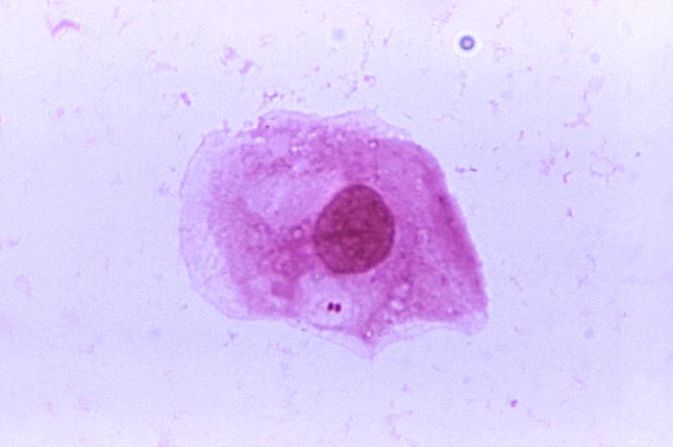
The bacterium neisseria meningitidis is responsible for annual outbreaks of meningitis that put millions at risk along Africa's "Meningitis belt." Six types of bacteria cause epidemics, but one dominates this region, known as strain A.
CDC/James Volk
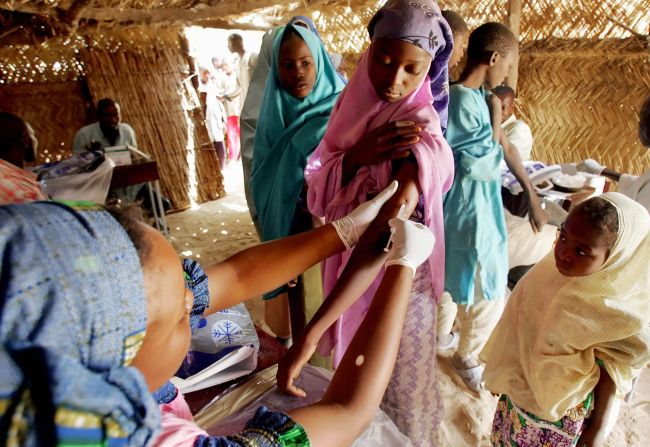
The disease infected a record 250,000 people -- and caused 25,000 deaths -- during an outbreak in 1996. Today, the introduction of a vaccine specific to this strain of bacteria has seen numbers fall, with less than 8500 cases reported as of 13 March 2016. Pictured, an immunization campaign in Niger,
ISSOUF SANOGO/AFP/Getty Images/FILE
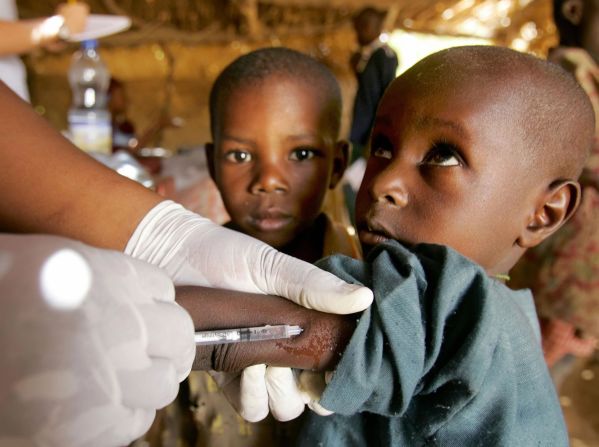
The new vaccine, known as MenAfriVac, began development in 2001, as part of the Meningitis Vaccine Project (MVP). Since 2010 it has been administered to people aged between 1-29 years old across 16 countries in the belt . Children under 5 are at most risk from the disease.
ISSOUF SANOGO/AFP/AFP/Getty Images
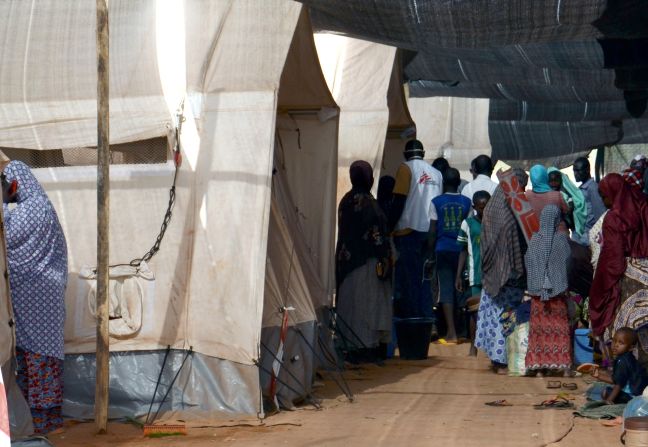
Although numbers have fallen dramatically, experts warn that numbers can easily creep back up if immunization rates aren't maintained. The disease also has five other epidemic strains that could strike. Since 2013, cases of Meningitis C have been rising with greatest numbers in Nigeria and Niger (pictured).
BOUREIMA HAMA/AFP/AFP/Getty Images
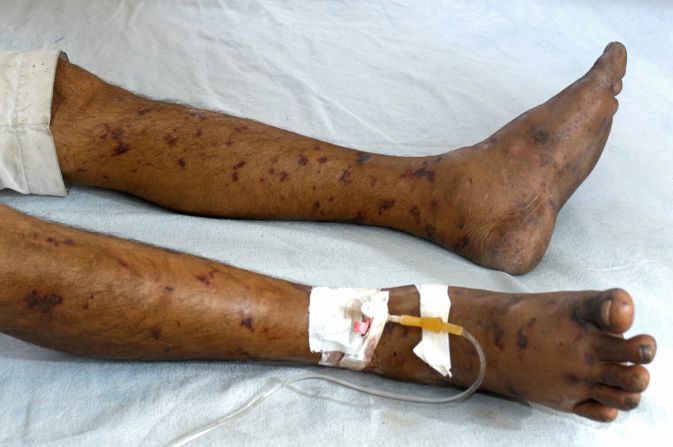
Meningitis is a bacterial disease infecting the lining of the brain and spinal cord and causes death in 5-10% of cases, even if caught early. Symptoms include a stiff neck, rash (pictured), fever, vomiting and sensitivity to light.
AFP/AFP/AFP/Getty Images
Six strains of meningitis cause epidemics worldwide, known as A, B, C, W, X and Y. While type A dominates in Africa, types B, C and Y are most common in Europe and North America, for which vaccine are available, pictured.
Mike Simons/Getty Images North America/Getty Images
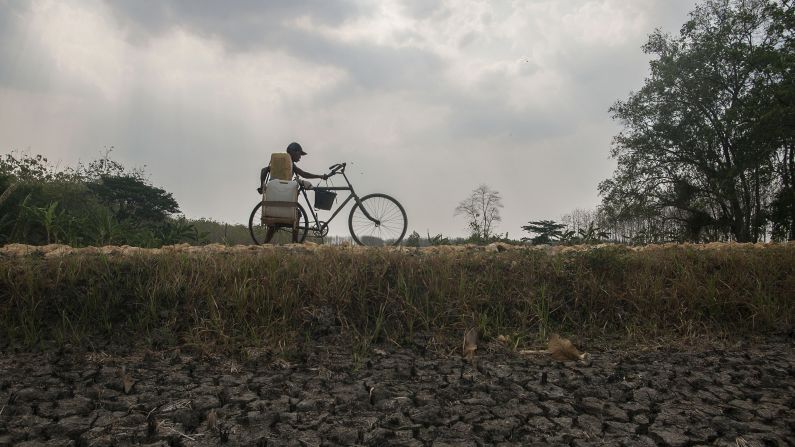
Outbreaks occur annually during the region's dry season. Reasons for this are not fully understood, but experts suggest the dry and dusty environment may play a role aiding transmission through coughing and enhancing infections while throat defenses are down.