The best ways to cook veggies to maximize nutrition —
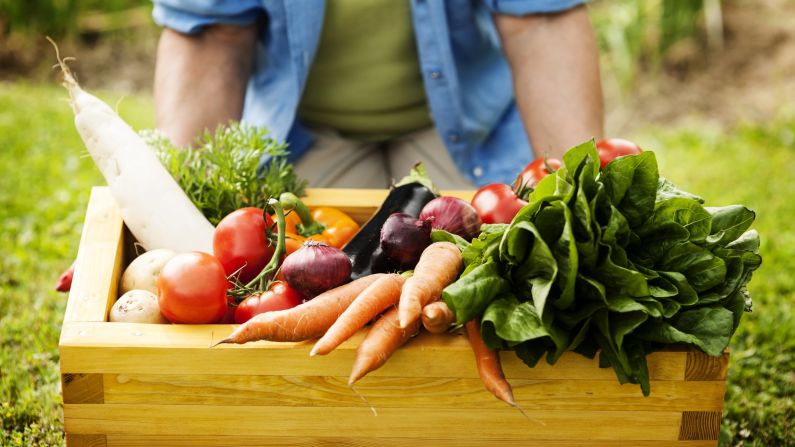
What's the best way to cook your veggies to maximize their nutritional value? While methods like steaming are better than boiling, the answer depends on the vegetable.
Shutterstock
Steaming is best, especially for broccoli —
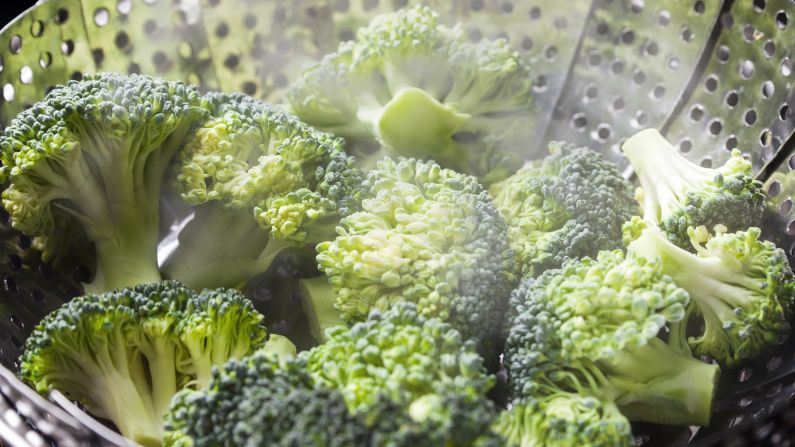
As a general rule, keep cooking time, temperature and the amount of liquid to a minimum when cooking vegetables. That's why steaming is one of the best ways to maximize nutrients. It turns out that's especially true for broccoli.
Shutterstock
Microwaving is also a winner —
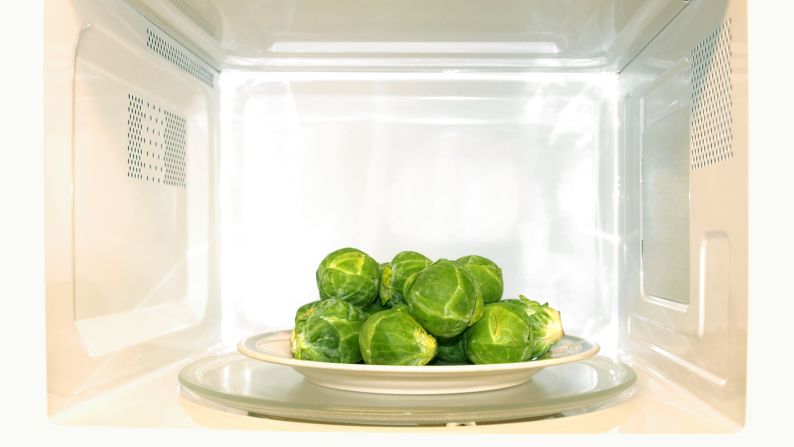
When in doubt, microwave. That's because microwaving uses little to no water, and can heat the vegetable quickly, thus preserving nutrients such as vitamin C that break down when heated.
Shutterstock
Saute, don't fry —
Sauteing in a bit of healthy cooking oil, such as extra-virgin olive oil, is a great way to cook many vegetables. Not only does it maximize flavor, but the addition of olive oil "appears to increase the absorption of phytonutrients like phenols and carotenes," says Elaine Magee, author and corporate dietitian for Albertsons Companies.
Shutterstock
Roasting and baking —
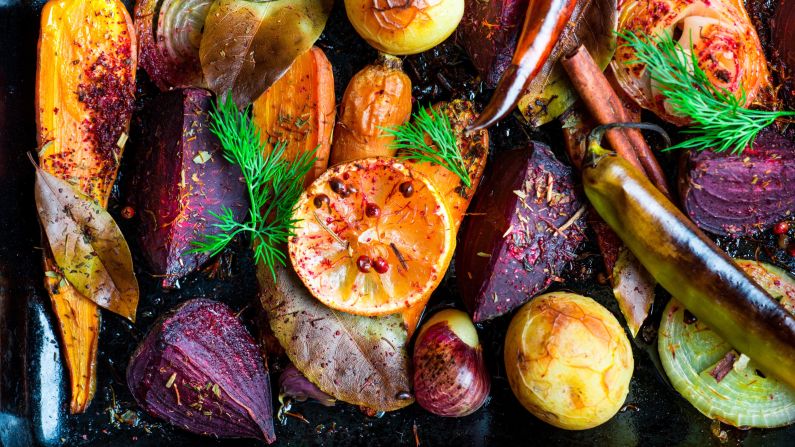
Roasting and baking is another healthy way to fix your vegetables. Again, adding some healthy fat such as olive oil is a great idea, Magee said, as many of the vitamins and nutrients in vegetables are fat soluble, meaning your body absorbs them better in the presence of fat.
Shutterstock
'Griddling' is great —
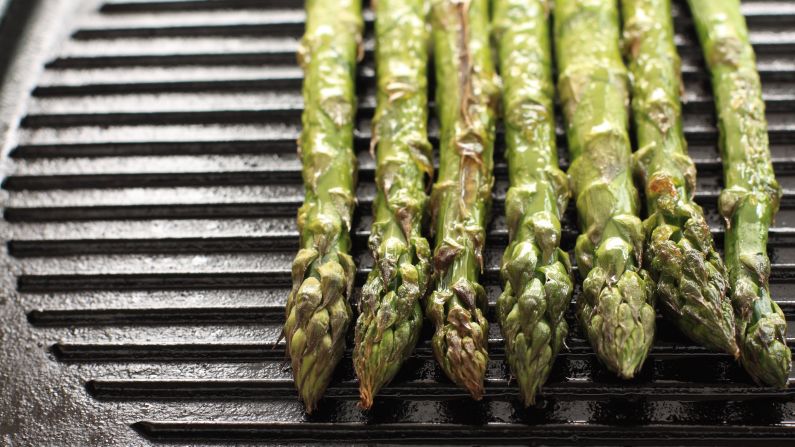
Contrary to grilling, which normally involves some sort of charcoal, "griddling" uses a pan with distinctive raised edges and is normally done on the stove or in the oven.
Vegetables such as asparagus, griddled with a tiny bit of olive oil, can develop intense flavor and be quite healthy. It's also an especially good choice for green beans, broccoli, celery, Swiss chard and onions.
Shutterstock
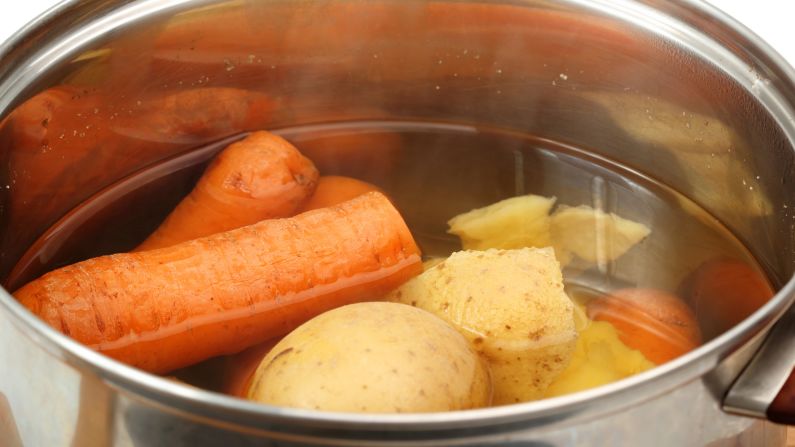
It's no surprise that boiling ends up on the bottom of the vegetable nutritional preparation pile, because studies have shown for years the process leaches nutrients into the water. (That's OK if you're eating the broth with the veggies.) One exception: Carrots. Boiling and steaming increase the levels of beta carotene.
Shutterstock
Wait to wash —
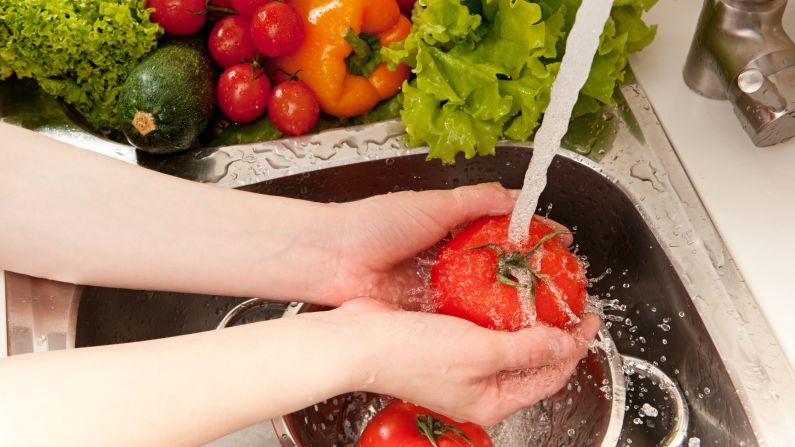
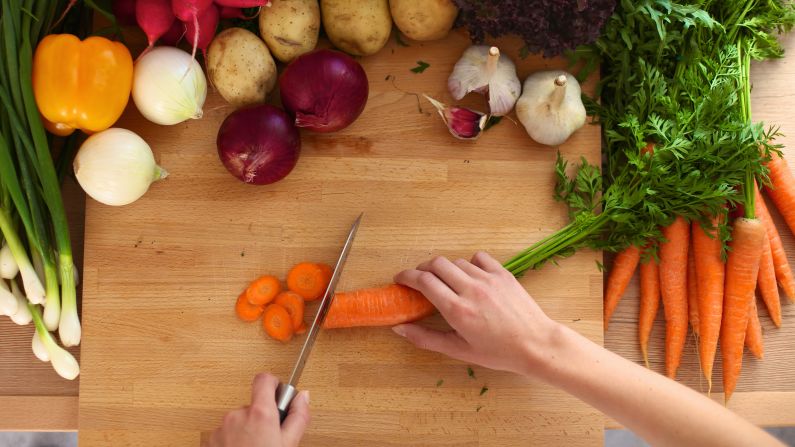
To preserve water-soluble vitamins and minerals, wait to wash until right before you cut. You want those nutrients to stay locked in. Avoid soaking your vegetables, as that can remove key nutrients, such as vitamin C.
Shutterstock
To cut or not to cut? —
Cooking vegetables whole preserves the water-soluble vitamins and nutrients. When that's not practical, be sure to cut them into large, uniform pieces that will cook evenly.
Shutterstock
Cut, cook and use olive oil —
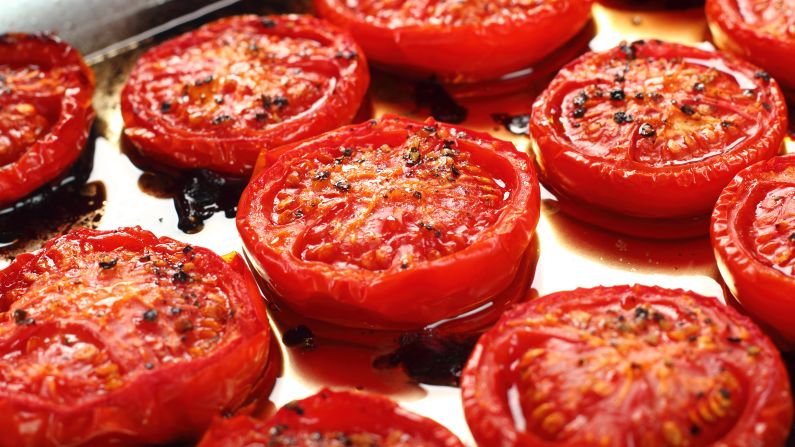
Studies show that cutting and heating tomatoes opens up the cell wall of the fruit, which allows greater access to the health benefits of lycopene. Adding a bit of healthy fat, such as olive oil, also helps.