Could food hold the key to preventing food allergies in children?
Scientists at Kings College London have tested ways to prevent food allergies using food. The idea is that exposure enables a child's immune system to recognize and tolerate the allergens.
John Moore/Getty Images North America/Getty Images
Infants were exposed early to six common food allergens-- peanuts, eggs, milk, fish, wheat and sesame -- from 3 months of age and a 20 percent reduction was seen, which although beneficial was not significant.
Jupiterimages
Dozens of foods can cause allergic reactions. Milk is one of the most common allergenic foods.Under U.S. law, foods containing a major food allergen must have labels that identify these ingredients.
Photo Illustration/Shutterstock
Allergic reactions include hives, rashes, itching, vomiting and swelling, according to the Food and Drug Administration. Eggs (pictured) along with peanuts and milk are among the three most common allergens.
Abdullah Pope/AFP/Getty Images/File
Many people are also allergic to fish. There is currently no cure for food allergies. People with food allergies and sensitivities should carefully read labels.
Sean Gallup/Getty Images
Shellfish such as crab, lobster and shrimp are among the major food allergens. The Food Allergen Labeling and Consumer Protection Act only identifies eight allergens, but more than 160 foods are known to cause allergies or sensitivities, according to the FDA.
Peter Parks/AFP/Getty Images
Sesame, unbeknownst to many, is also a common food allergen and can trigger responses, including anaphylaxis.
Sean Gallup/Getty Images Europe/Getty Images
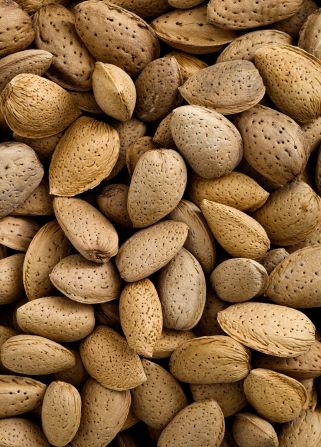
Tree nuts such as almonds, pictured, walnuts and pecans are a frequent source of allergic reactions. Even a trace amount can be dangerous to some individuals.
Miguel Palacios/Cover/Getty Images
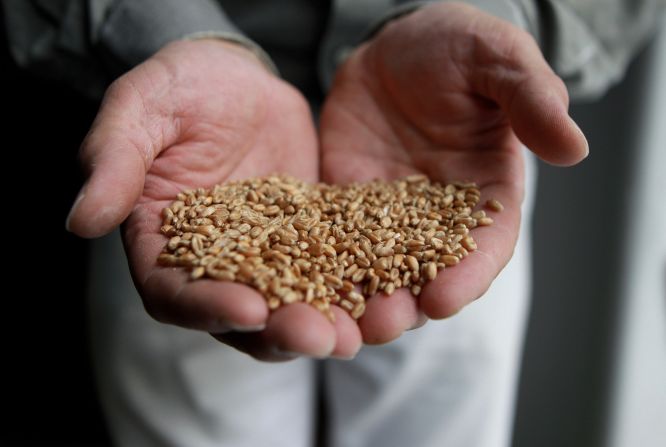
Wheat is another top food allergen. It is an ingredient found in many foods, including breads, cereals, flours and even some beverages.
Miguel Villagran/Getty Images
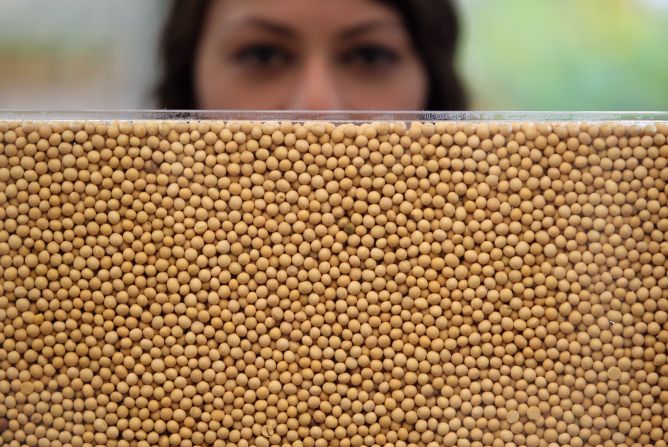
Soybean allergies are particularly common in babies and children. Many children outgrow their sensitivity, but the allergy can continue into adulthood.