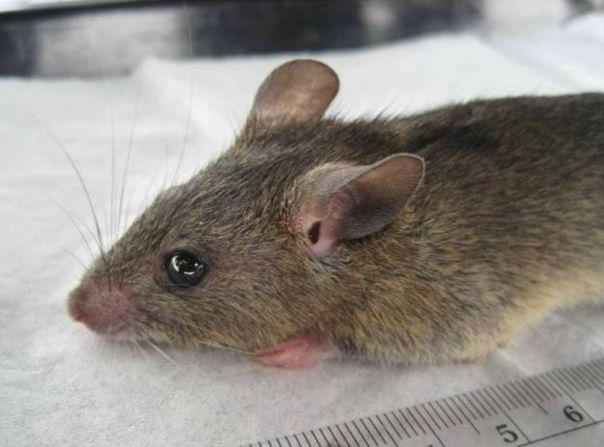
The lassa fever is mainly spread by contact with the "multimammate rat." Human to human transmission is also possible.
Courtesy Kelley et al Biomedcentral
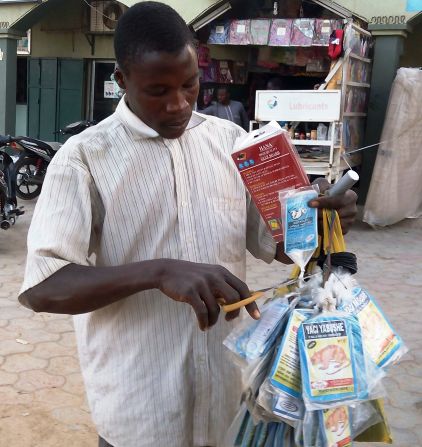
Sales of rat poison, as a means of preventing infection, have taken off in Nigeria following the outbreak of Lassa fever. Pictured, a vendor sells bags of rat poison in northern Nigeria's largest city of Kano.
AMINU ABUBAKAR/AFP/AFP/Getty Images
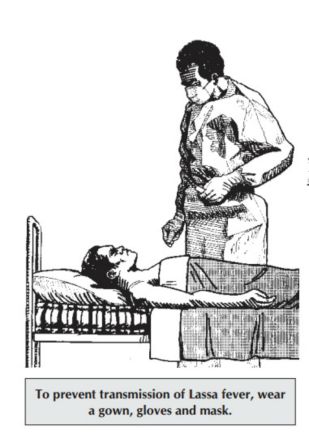
Although case numbers are not as high as previous outbreaks, the death rate is much higher than usual, making prevention a priority. Pictured, community posters highlighting the need for health workers to stay protected.
CDC
The disease is endemic in West Africa and mainly strikes in the dry season where rats are more likely to come into contact with human, as they feed on their grains in rural areas. Community awareness about the disease is a priority as a common means of transmission to children is due to them playing with rats, pictured.
CDC
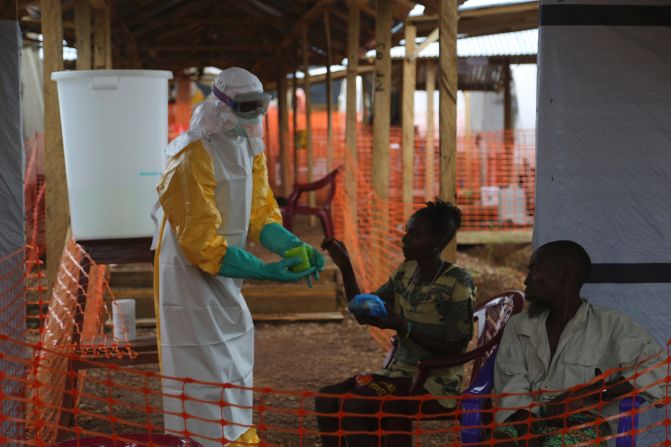
Lassa fever in the same family of viruses as the Ebola virus. Both diseases can cause haemorrhaging and can spread through contact with infected bodily fluids, though this is more rare with Lassa fever. Pictured, a healthworker gives food to confirmed Ebola patients.
Brent Swails/CNN
Community awareness was also a priority during the 2014 Ebola outbreak. Pictured, people walk past a billboard with a message about Ebola in Freetown, Sierra Leone.
Francisco Leong/Getty Images/File
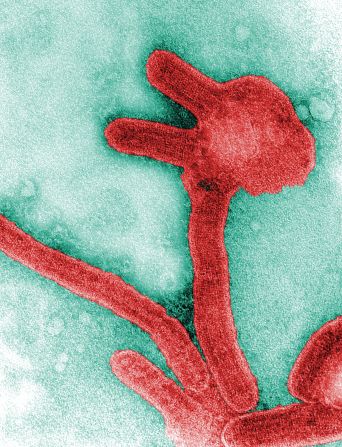
Marburg virus, pictured, is also in the same family of viruses. Marburg virus disease is more severe in terms of fatality, but outbreaks are less common.