Can ‘superblimp’ unlock hidden African riches? | CNN
Thank You!
Your effort and contribution in providing this feedback is much
appreciated.
Close
Ad Feedback
Ad Feedback
Can ‘superblimp’ unlock hidden African riches?
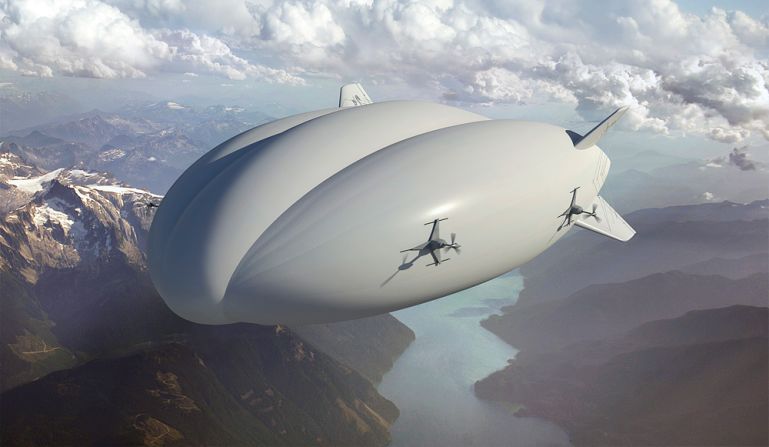
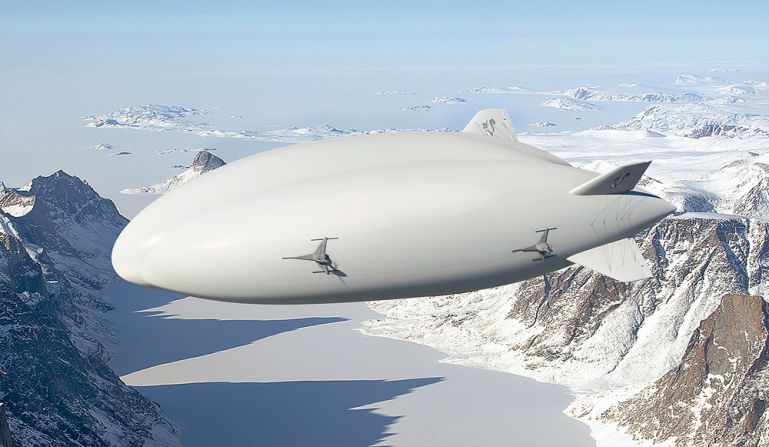
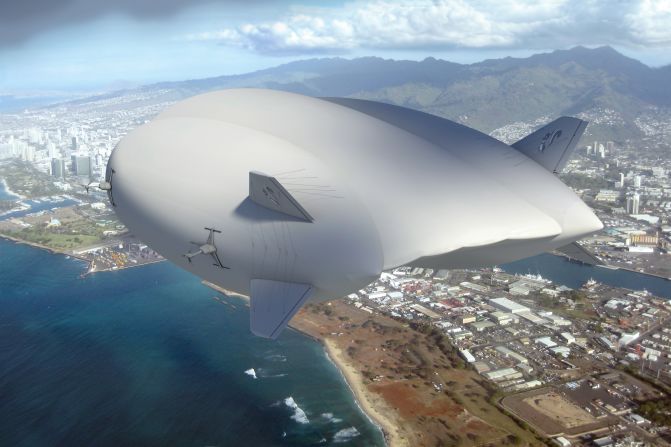
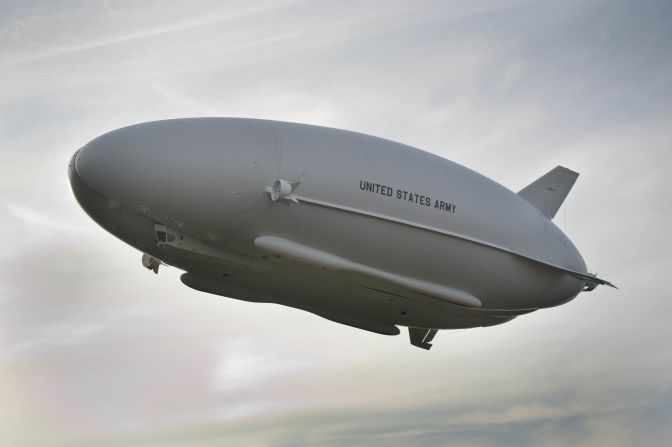
The Hybrid Airship from Lockheed Martin and Hybrid Enterprises is the product of 20 years of development. It can travel thousands of kilometers in a single journey, at speeds of up to 60 knots, the company says.
hybrid enterprises
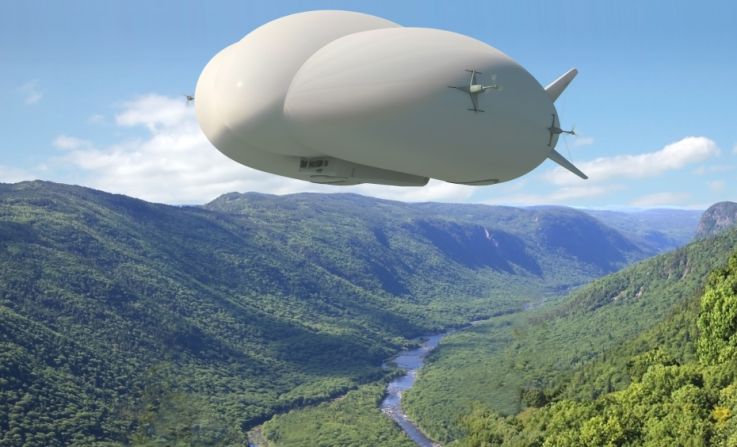
The airship is designed to allow the delivery of large loads of cargo to otherwise inaccessible areas. It can carry a 20 ton load.
Lockheed Martin
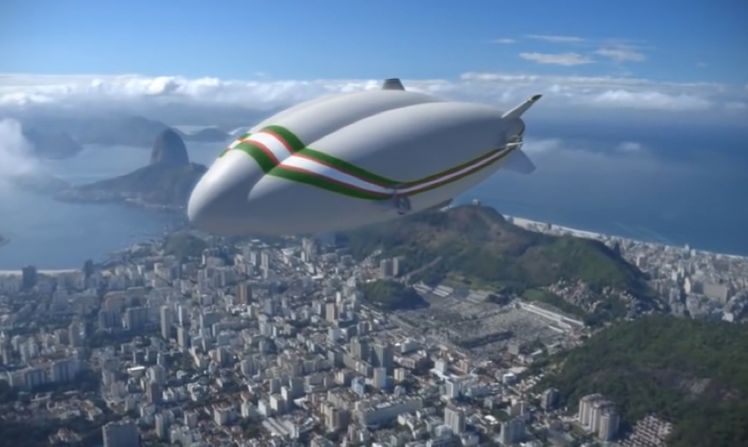
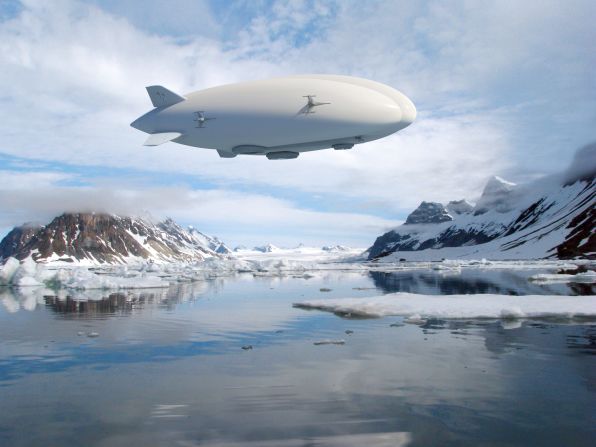
Lockheed says its airship uses only one tenth of the fuel required by helicopters per ton and, like helicopters, can access remote areas around the world as it does not require an airstrip to land on.
lockheed martin
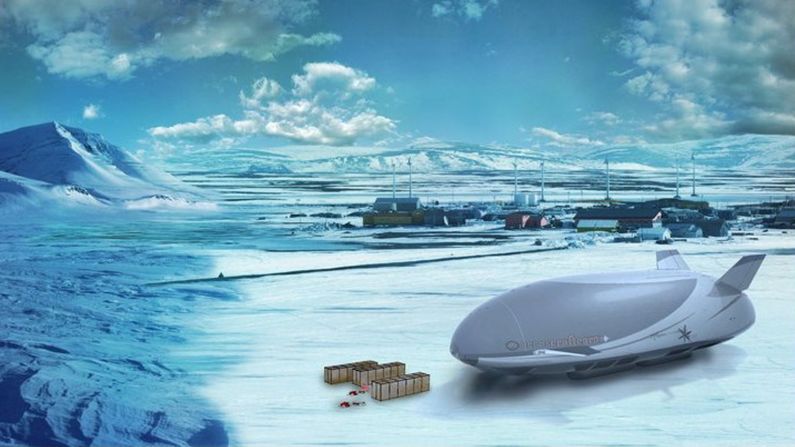
The design could allow mining of areas such as the frozen North of Canada, or low-infrastructure regions of Guinea.
hybrid enterprises
The ships are currently undergoing FAA certification, and could be available in 2018.
lockheed martin
The price has not been disclosed, but each ship will likely cost over $10 million.
CNN
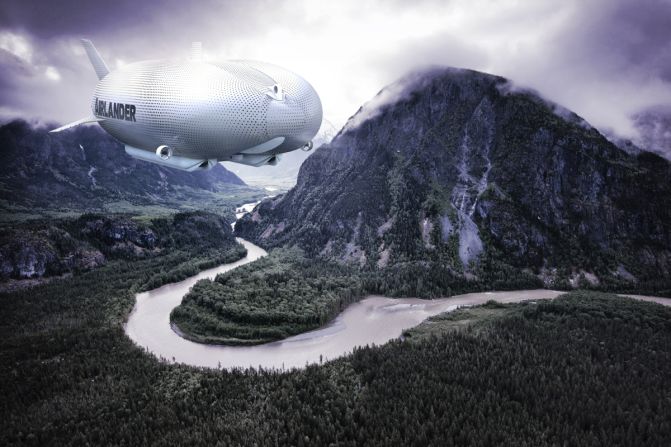
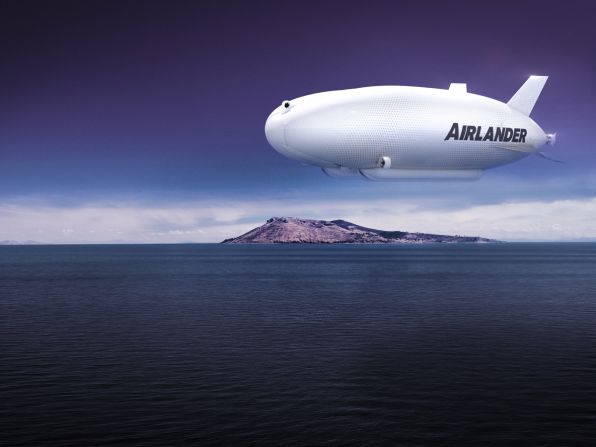
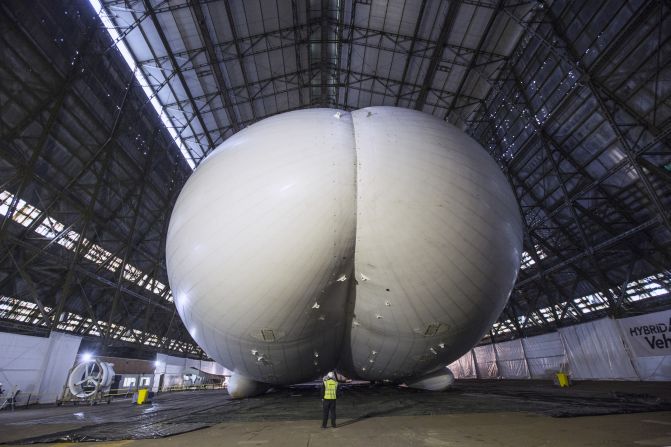
Lockheed Martin are not the only firm looking to bring back the blimp. The Airlander 10 is a hybrid airship designed by UK-based firm Hybrid Air Vehicles.
Courtesy Hydrid Air Vehicles
The lightweight airship, seen here in a concept illustration, can carry up to 10 tons and stay in the air for five days continuously.
Courtesy Hybrid Air Vehicles
Airlander 10 was originally designed for the U.S. military to use for surveillance of troops and conflict zones overseas, but a lack of funding grounded the project.
Courtesy Hybrid Air Vehicles
HAV brought the technology back and is underway with plans to lift off again thanks to a £3.4 million ($5.1 million) grant from the UK government, aimed at helping emerging technologies and job creation.
Oli Scarff/Getty Images/file
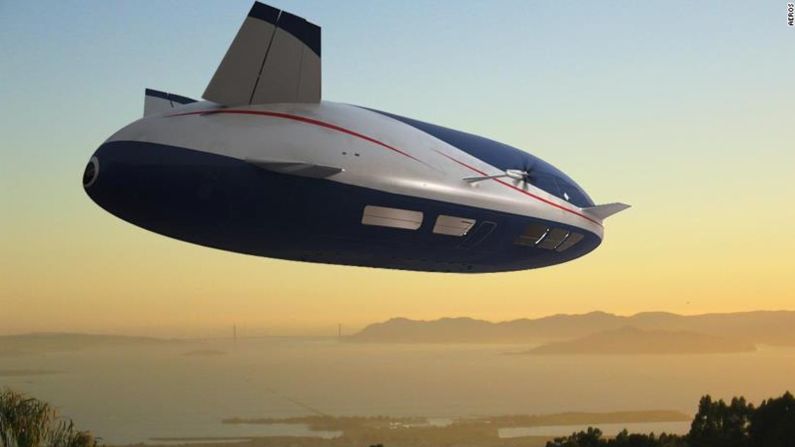
Another cargo-carrying blimp in the works is the Aeroscraft from U.S.-based aviation company, Aeros.
AEROS
The Aeroscraft is designed to carry large loads of cargo over long distances to areas where there is little or no infrastructure.
AEROS
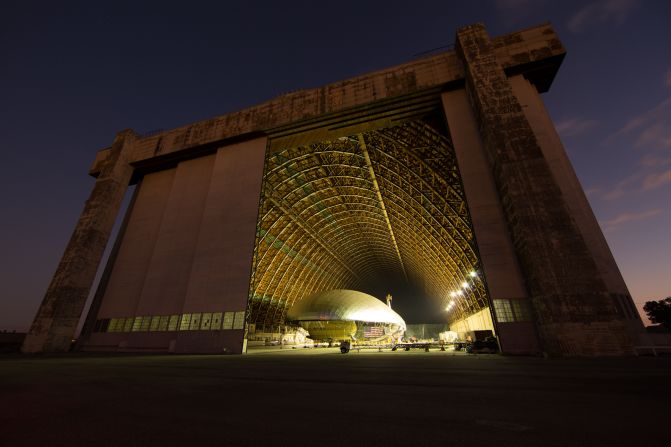
Aeroscorp, which also makes advertising airships, is testing a smaller version of the Aeroscraft at the company's massive flight test hangar in Tustin, California.
AEROSCORP
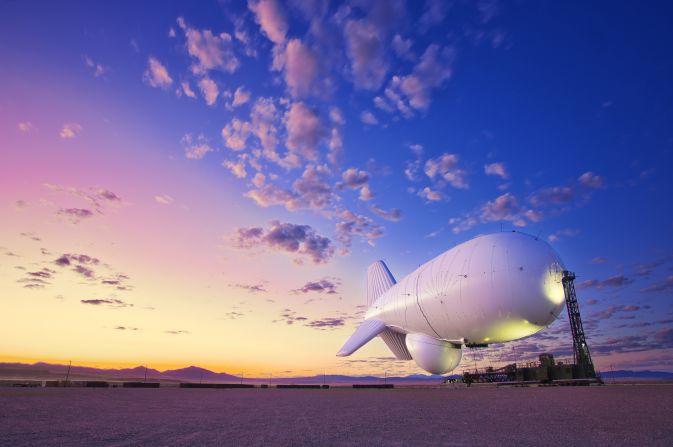
Other airships in development include Raytheon's JLENS aerostat, designed to carry out surveillance missions, hovering high in the air 24 hours a day, seven days a week for 30 days at a time.
Image: Raytheon
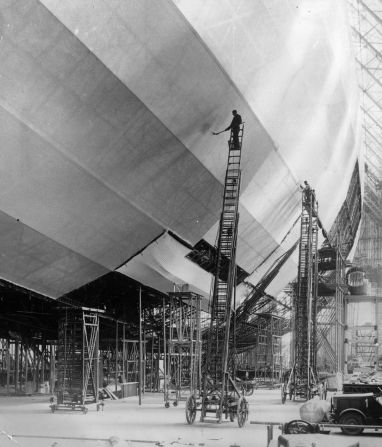
Airships were once hailed as the future of flight. Glamorous, luxurious and fast, they were one of the icons of the Art Deco era.
General Photographic Agency/Getty Images/File
They developed from the hot air balloon; the Montgolfier brothers launched the first manned balloon flight in Paris in 1783.
Hulton Archive/Getty Images
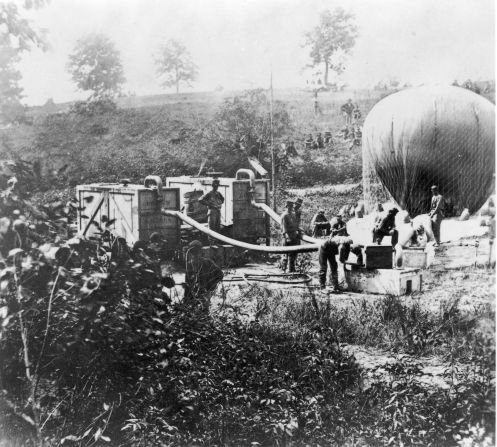
Hydrogen-filled balloons were used for surveillance and reconnaissance during the American Civil War in the 1860s.
Fotosearch/Getty Images/File
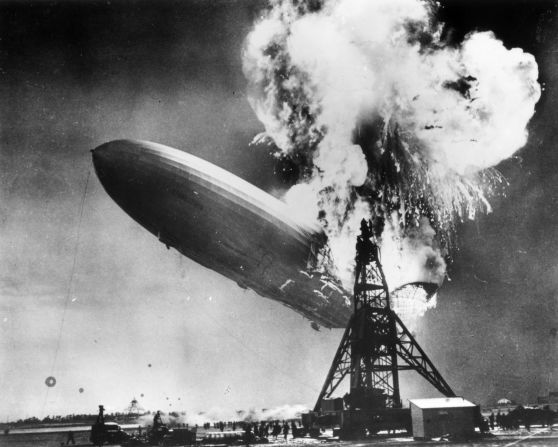
But the Hindenburg disaster at Lakehurst, New Jersey, in 1937, put paid to the era of passenger-carrying airships.
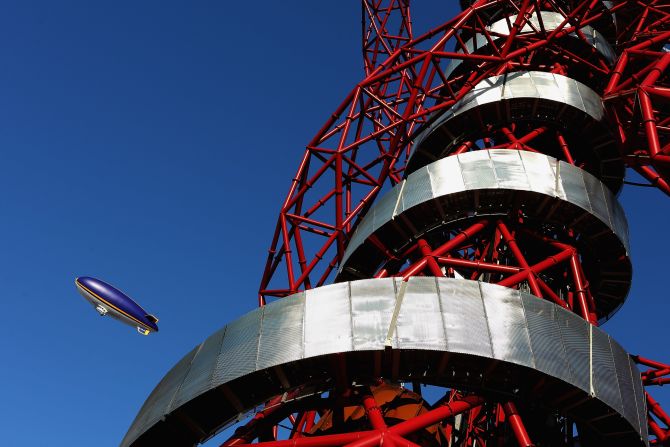
Over the decades, they have continued to be used for advertising, and at sporting events, such as this one at the London 2012 Olympics.