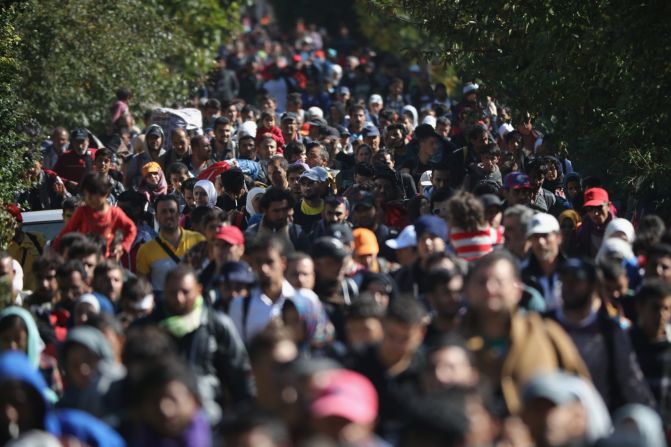
The number of people displaced by war and conflict continues to be the highest in decades and effort must be made to keep them alive and healthy. Their continuous movement presents a conveyer belt of patients at clinics located along migration routes needing treatment -- with limited supplies.
Christopher Furlong/Getty Images Europe/Getty Images
City-living —
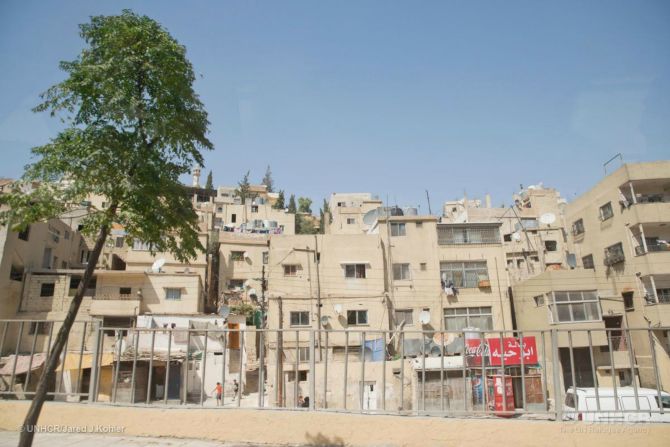
An increasing number of refugees are now living in cities rather than official camps. Cities bring greater economic opportunities but often poor living conditions. Approximately 75% of Jordan's refugee population live in urban settings such as Amman (pictured).
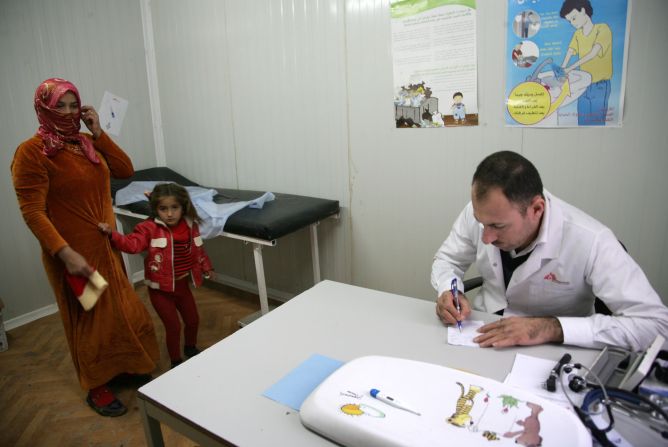
Refugees coming from previously middle-income countries often face the challenge of paying privately for healthcare, when it was previously free in their home country. Pictured, a Syrian-Kurdish refugee mother and daughter visit a clinic at the Domiz refugee camp.
SAFIN HAMED/AFP/AFP/Getty Images
New era of disease —
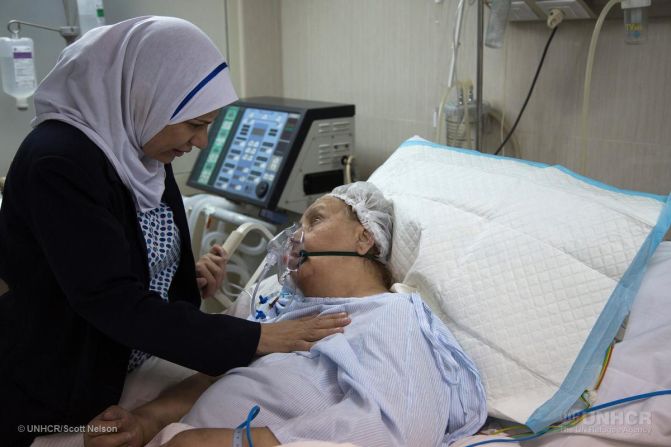
Some of today's refugees are leaving behind wealthy lifestyles which brings a new range of diseases stemming from these lifestyles such as diabetes, heart disease and hypertension. Pictured, a Syrian refugee is comforted by a nurse as she is treated for vascular disease,kidney problems and diabetes complications in Egypt.
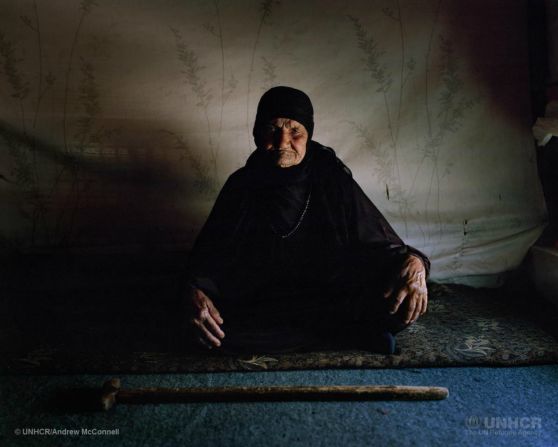
Mental health is an important issue among refugees as people suffer from the loss and trauma of displacement and treatment options remain scarce. Pictured, Khadra Al Halabi, 104, inside her family's shelter at a tented settlement in the Bekaa Valley, Lebanon whose health has deteriorated since being forced to leave her home.
Courtesy /Andrew McConnell/UNHCR
A solution on the inside —
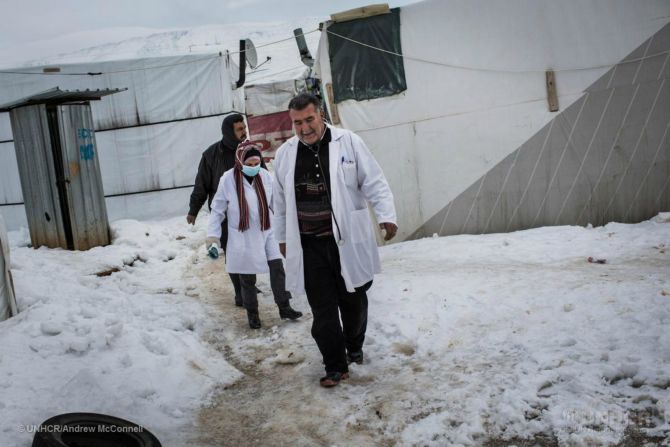
Researchers at the London School of Hygiene and Tropical Medicine are trialling a form of informal humanitarian assistance through a network of skilled refugee informants providing basic primary care and conduct health assessments ready to inform Lebanese health teams when they visit. Pictured, a doctor and nurse visit a family in Dilhamye tented settlement in Bekaa Valley, Lebanon.