The Black Mambas: The female rangers tackling poachers | CNN
Thank You!
Your effort and contribution in providing this feedback is much
appreciated.
Close
Ad Feedback
The Black Mambas: The female rangers tackling poachers
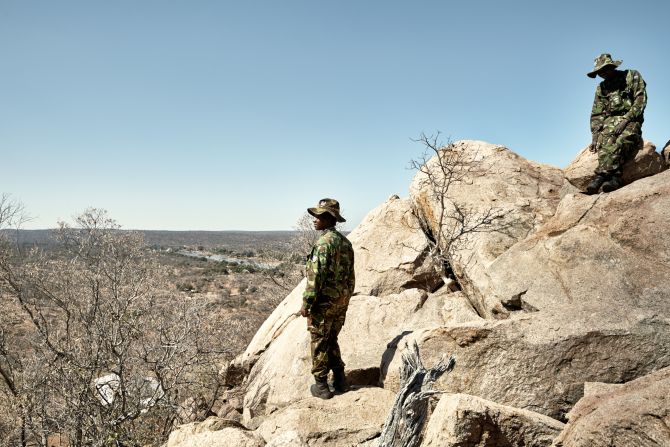
Photographer Julia Gunther captured the lives of one of the fiercest anti-poaching groups in South Africa: the Black Mambas.
Julia Gunther
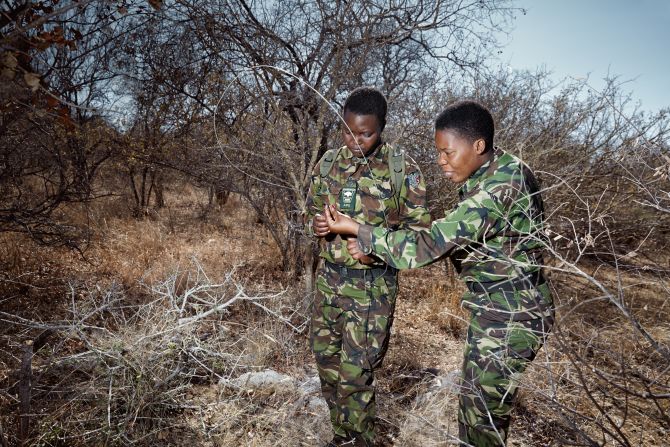
The Black Mambas boast 26 members, including Felicia (left) and Joy (right).
Julia Gunther
Felicia says no rhinos have been killed under their watch.
Julia Gunther
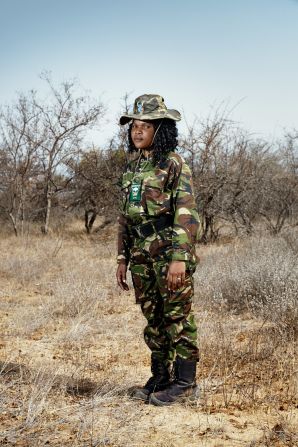
'I am strong, I am a woman, and I bite like a Mamba,' says Leitah, a 22-year-old member of the group.
Julia Gunther
Nkateko, a 24-year-old member of the group, checks for signs of poachers while patrolling the fence at South Africa's Kruger National Park.
Julia Gunther
The Black Mambas are dedicated to protecting rhinos, elephants, lions, and any other wildlife that calls the park home. One part of the job involves disabling snares left by poachers.
Julia Gunther
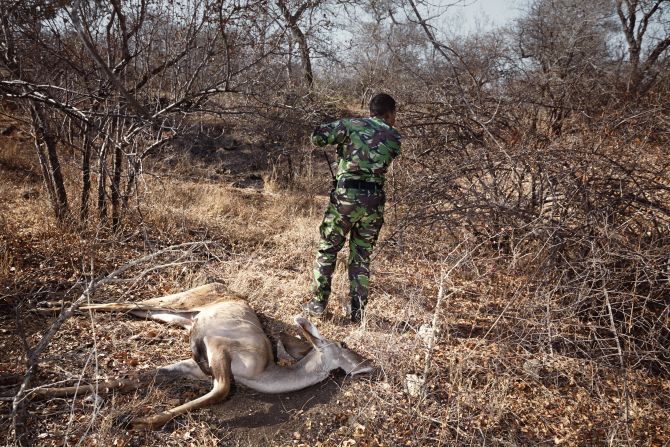
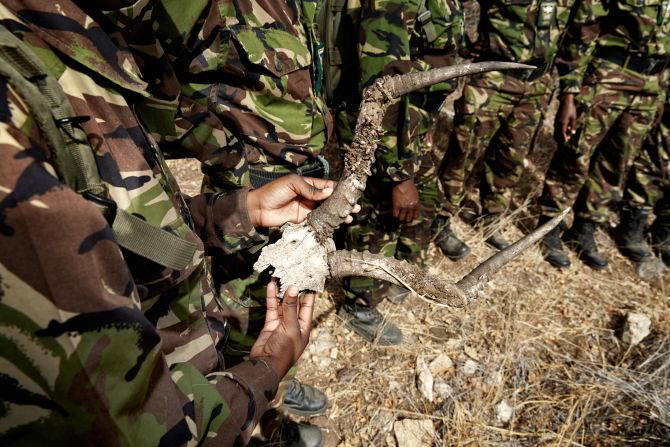
When members discover animal casualties, they report back to a central control room.
Julia Gunther
The Black Mamba want to ensure their country's endangered animals are still around for their children to appreciate.
'If poaching is allowed, they will only see these animals in a picture. This is not right,' says Lukie, 26.
Julia Gunther
Kruger National Park has been at the epicentre of South Africa's rhino poaching crisis, which has seen hundreds of rhinos killed for horns that fetch around $60,000 per pound.
Julia Gunther
According to the South African government, there are 12 active poacher groups in Kruger National Park at any given time.
Julia Gunther
The Black Mambas patrol the Balule Reserve borders, walking up to 12 miles a day as they seek out poachers, their tracks and snares.
Julia Gunther
The Mambas often patrol at night, seeking out poachers with a spotlight.