Respiratory syncytial virus, known as RSV, is a respiratory virus that infects the lungs and breathing passages, according to the CDC. It's a mild, cold-like illness for most healthy people, but can be dangerous for infants and a cause of bronchiolitis and pneumonia. It can spread through coughing and sneezing and can survive on hard surfaces, such as crib rails, for hours.
Croup is caused by a virus and causes swelling in the trachea and larynx. It's most common in children 1 to 3, according to the American Academy of Family Physicians, and can be spread through coughing, sneezing, through unwashed hands, shared toys or utensils. Among symptoms, it's known for a barking cough.
CDC
Hand, foot and mouth is a viral illness common among children younger than 5, according to the CDC. Symptoms include a fever and sores in the mouth, as well as a rash that may develop on the hands, feet and other parts of the body. The best ways to prevent it are washing hands, avoiding contact or sharing utensils and other items with those who are ill.
Shutterstock
Conjunctivitis, often called pink eye, can be caused by viruses, bacteria or allergens, according to the CDC. It can cause redness of one or both eyes, tearing, discharge and itching. It might be treated with antibiotics.
Shutterstock
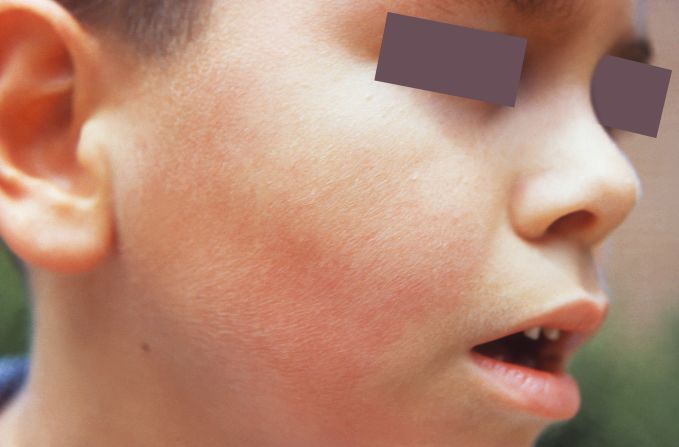
Fifth disease is a mild rash caused by parvovirus B19, according to the CDC. It's sometimes called "slapped cheek" disease because of a red rash on the face. It's often spread by coughing and sneezing. It's most contagious before the rash appears, when its symptoms are similar to a cold.
CDC
Symptoms of rotavirus include severe, watery diarrhea, often with vomiting, fever and abdominal pain, according to the CDC. There are two rotavirus vaccines available in the United States for infants.
CDC
Strep throat is an infection caused by Group A Streptococcus. It's more common in children than in adults, according to the CDC, and its common symptoms are a sore throat, fever, red, swollen tonsils, sometimes with white patches and tiny red spots on the back of the roof of the mouth. It is treated with antibiotics.
CDC
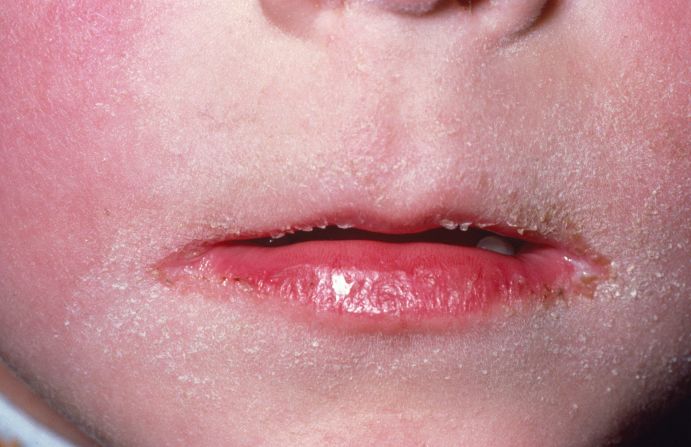
Scarlet fever is a bacterial infection caused by group A Streptococcus. A common symptom is a rough, red rash, according to the CDC. It's usually a mild illness and treatable with antibiotics. It usually affects children between 5 and 12, although anyone can get it.
BSIP/UIG/Getty Images
Impetigo is a skin infection caused by group A Streptococcus. It starts as a discolored pimple, according to Nationwide Children's Hospital, and small blisters or scabs form and break. A doctor might treat it with antibiotic ointment.