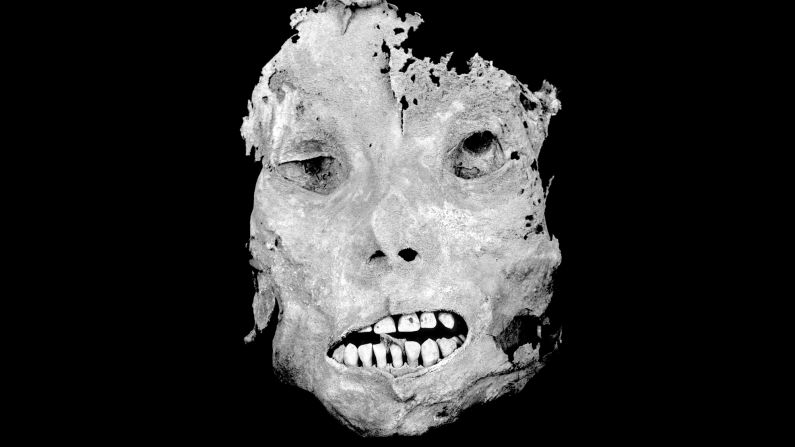
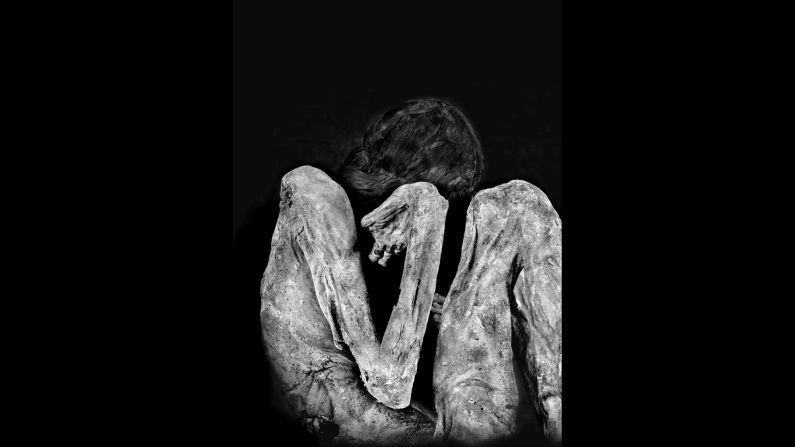
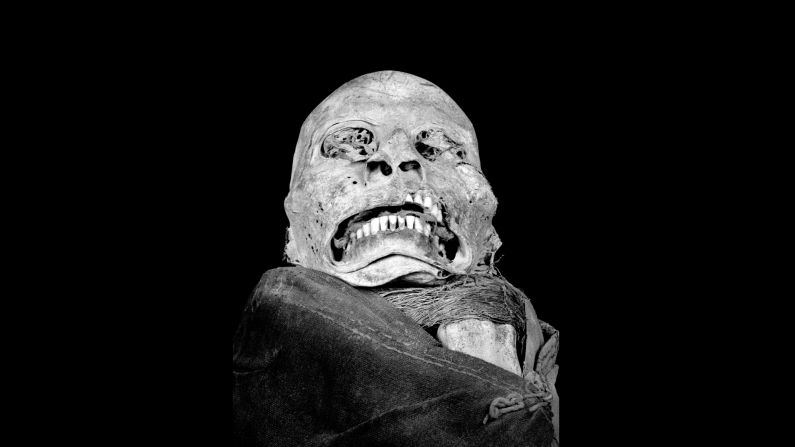
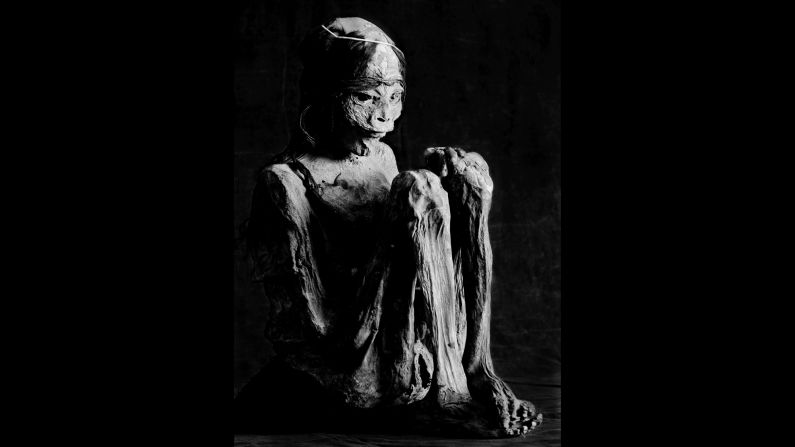
Photographer Lorry Salcedo traveled the coast of his native Peru, documenting mummies that were more than 1,000 years old. This face is from a child, age 8-10, from the Wari Empire (550-1000 A.D.).
Lorry Salcedo
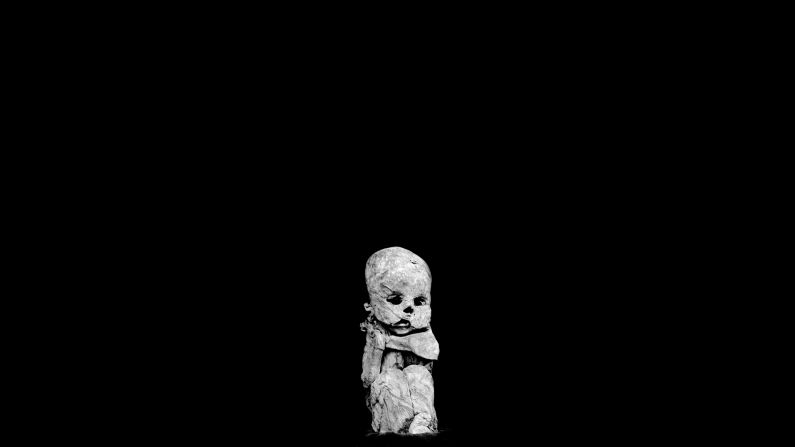
This baby was found next to a quipu, a tool used for accounting that was based on woven wool ropes and knots. It is assumed that the fate assigned to this child was to be a quipucamayoc, sort of an accountant in the Incan culture.
Lorry Salcedo
This mummy was found in the Lagoon of the Condors, also known as the Lagoon of the Mummies, in northeastern Peru.
Lorry Salcedo
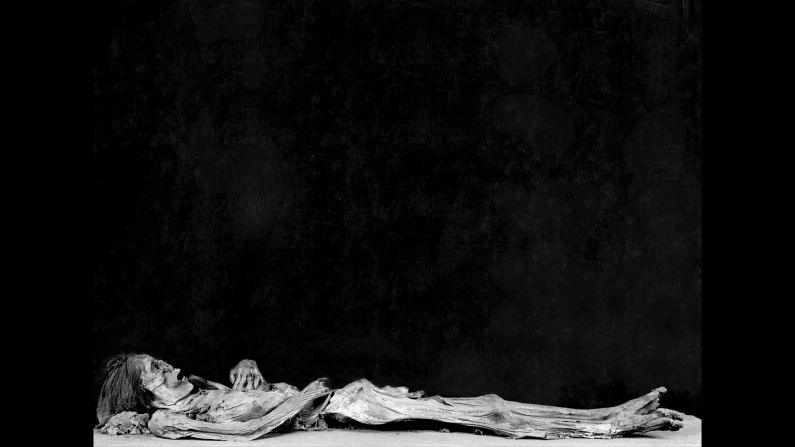
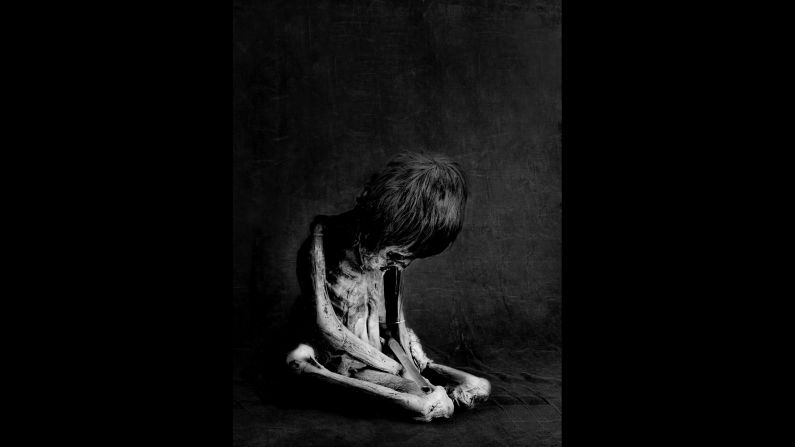
"'Old Man Sleeping' particularly fascinates me," Salcedo said. "I found him about 300 kilometers (186 miles) north of Lima in a makeshift museum. He was locked in a room that hadn't been opened in years. When we broke the lock, there he was in this dark room, resting in the same position he had been for more than 1,000 years."
Lorry Salcedo
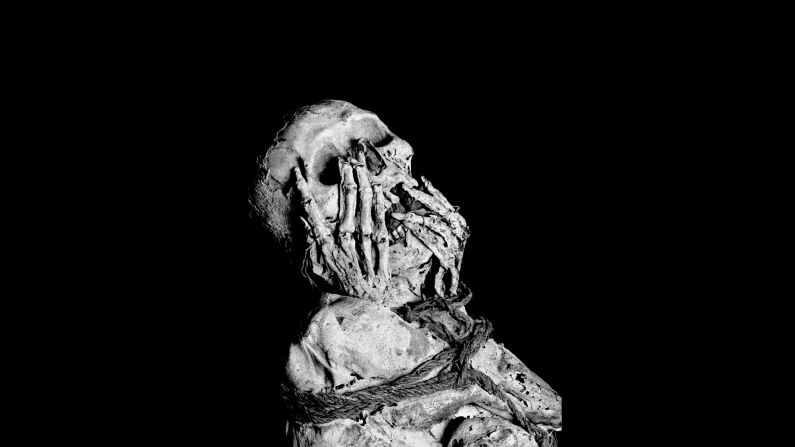
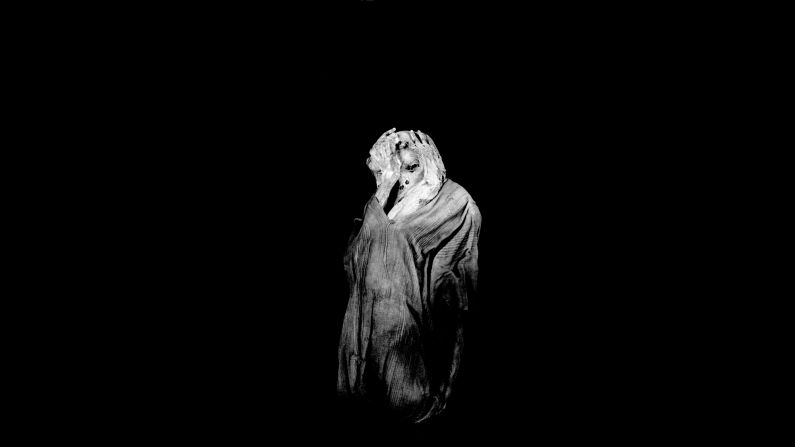
"Ashamed Girl," found on Peru's southern coast, stands out for her long braids.
Lorry Salcedo
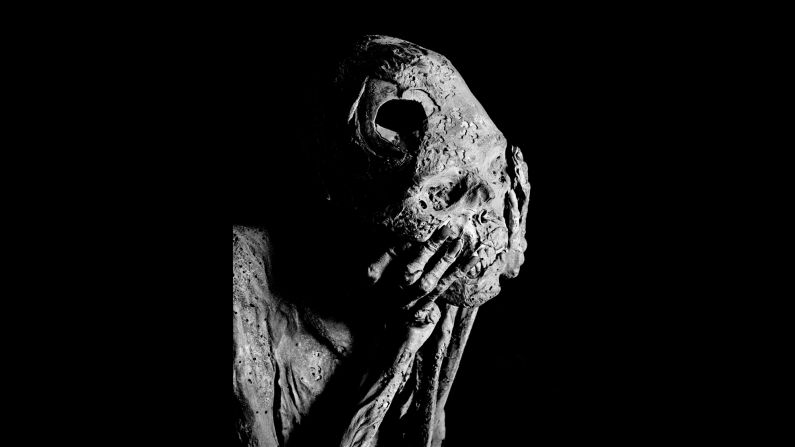
This young male had a hole drilled into his head. This was usually done as a curative surgery for warriors who had suffered a blow to the head.
Lorry Salcedo
Tuberculosis was found in the body of this child, causing paralysis and deviation of the lumbar vertebrae.
Lorry Salcedo
"I was afraid at first," Salcedo said, describing his first encounter with a 1,000-plus-year-old mummy in a derelict building. "But I had this unexplainable, unconscious impulse that drove me to them."
Lorry Salcedo
"I am a fine-arts photographer with a passion for portraiture, and that is how I approached this subject," Salcedo said. "You can see their happiness, their passion, their sweetness, feelings of timidity and a whole range of everyday emotions."
Lorry Salcedo
"The mummification process was simple but highly spiritual," Salcedo said. "The families would parade their embalmed loved ones as if they were alive in festivals, gave them food and took them to public outings."