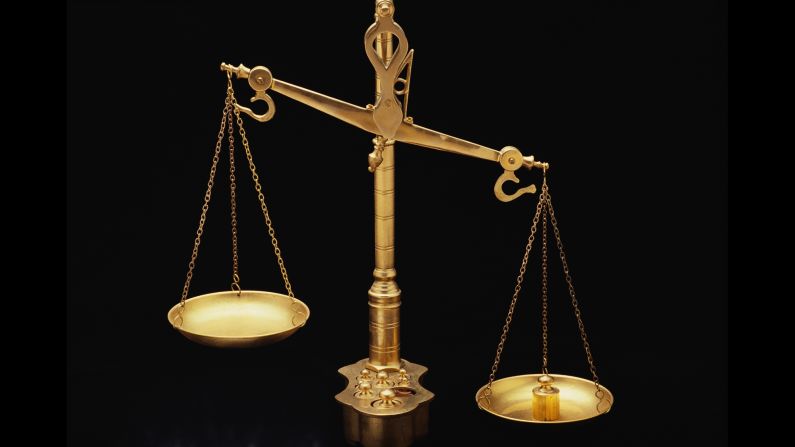
The Department of Justice is responsible for enforcing federal laws on businesses, industries and individuals. The Department of Justice was originally the Office of the Attorney General, which was a one-person, part-time position.
Joe Sohm/Visions of America/Getty Images
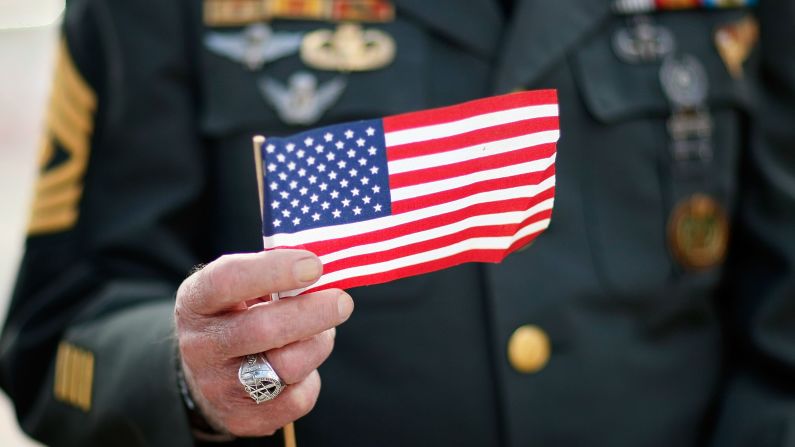
Department of Veterans Affairs, or VA, is responsible for administering assistance to a projected 22 million veterans, including health care and loans through the GI Bill.
Joe Raedle/Getty Images
The Office of Personnel Management, or OPM, handles federal job postings, background checks for employees and administers health insurance and pension benefits.
Andrew Harrer/Bloomberg/Getty Images
The U.S. Department of Agriculture, or the USDA, helps to monitor food, agriculture, natural resources, rural development and nutrition while working to improve the sustainability of natural resources, according to the agency's website. In 2012, the agency celebrated its 150th anniversary.
John Moore/Getty Images
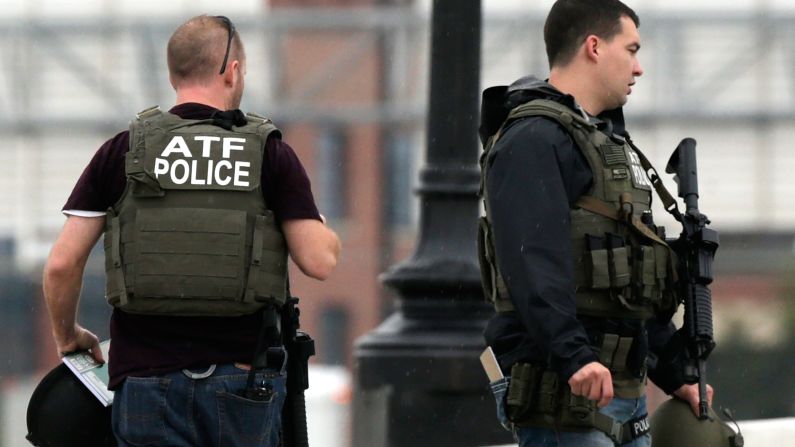
The Bureau of Alcohol, Tobacco, Firearms and Explosives, or ATF, is a law enforcement agency under the Department of Justice. ATF tries to prevent the illegal use and trafficking of firearms, along with preventing incidents of arson, bombings and terrorism.
Win McNamee/Getty Images
The Centers for Disease Control and Prevention, or CDC, works to prevent the spread of disease by providing vaccines, investigating international outbreaks and detecting germs in food supply. Headquartered in Atlanta, the CDC has more than 15,000 employees.
David Goldman/AP
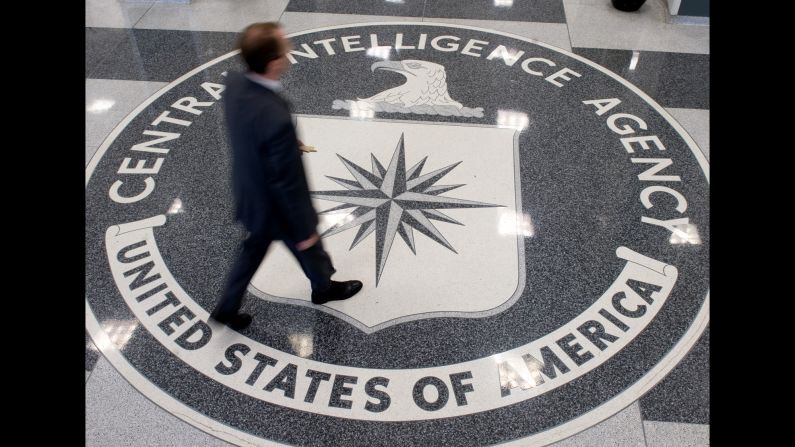
The Central Intelligence Agency, or CIA, regularly gathers information on foreign affairs to advise the president and other U.S. officials on national security matters. The president may request the CIA to engage in covert missions.
Saul Loeb/AFP/Getty Images
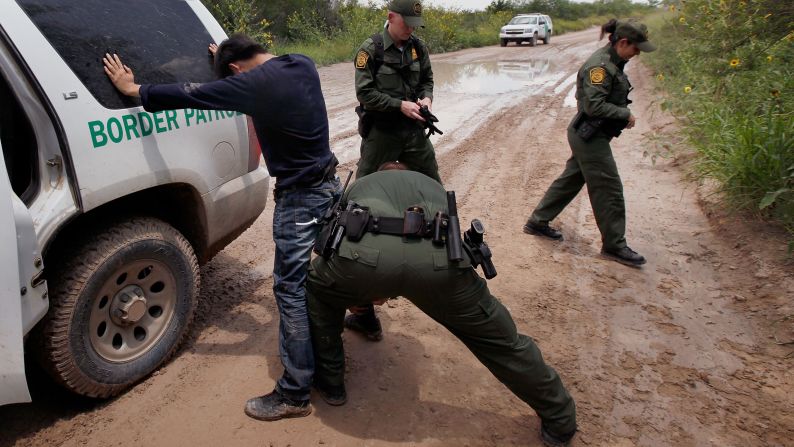
Customs and Border Protection is in charge of controlling borders to the United States, along with stopping the flow of terrorist and weapons into the country. On average each day, CBP arrests more than 1,100 people and seizes close to 6 tons of illegal drugs, according to its website.
Scott Olson/Getty Images
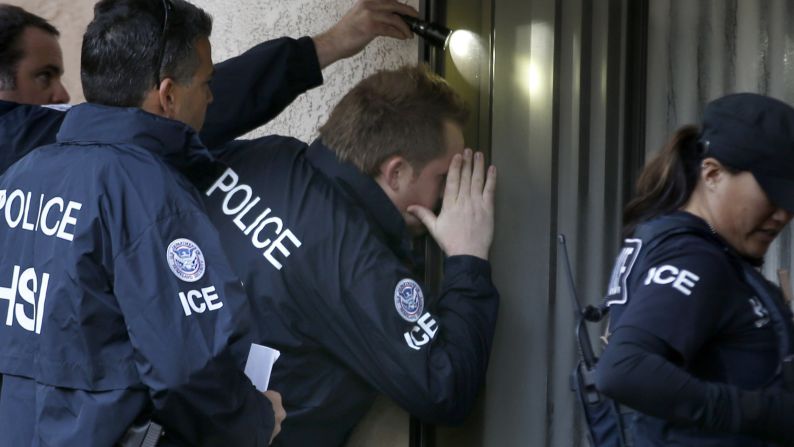
The Department of Homeland Security was created a year after the September 11, 2001, terrorist attacks to thwart other attacks. The department also coordinates efforts to ensure cybersecurity.
Mark Boster/Los Angeles Times/Getty Images
The Department of the Treasury controls the production of currency, borrowing money to fund federal programs and advises the president on economic issues.
Mark Wilson/Getty Images
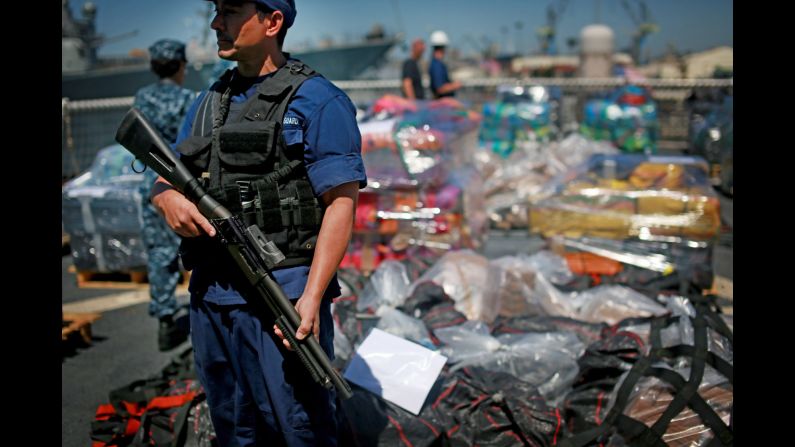
The Drug Enforcement Administration, or DEA, is responsible for enforcing laws related to controlled substances. It brings charges against individuals or organizations involved in distributing illegal drugs.
Sandy Huffaker/Getty Images
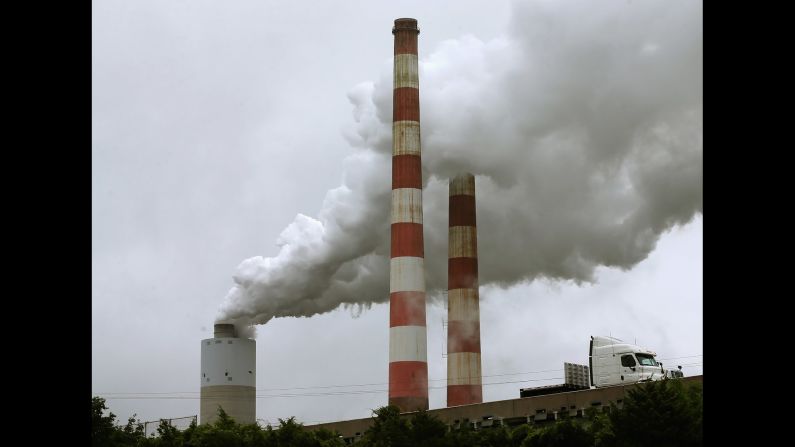
The Environmental Protection Agency advocates for national efforts to reduce pollution caused by industries. Originally created by President Richard Nixon, the EPA now has nearly 5,000 agents.
Mark Wilson/Getty Images
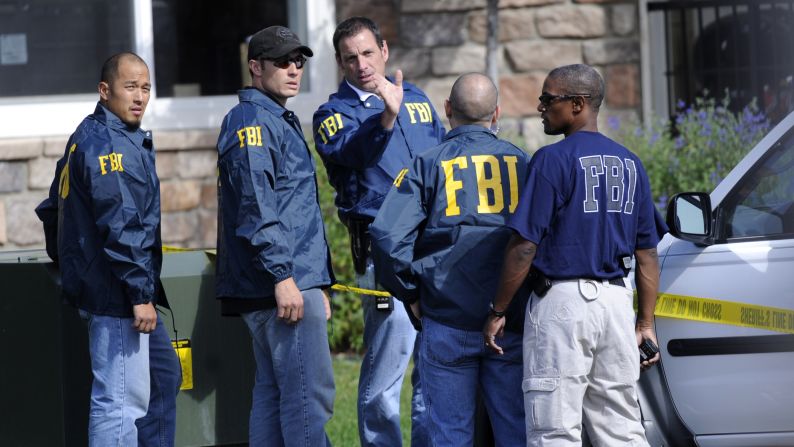
Priorities of the Federal Bureau of Investigation, or FBI, include protecting the United States from terrorist attacks, cyberattacks and stopping major white-collar and violent crime.
Hyoung Chang/Denver Post/Getty Images
Federal Communications Commission regulates any telecommunication domestically and internationally, including radio, cable, television, wire and satellite. In June 2015, the FCC's Open Internet rules went into effect, ensuring net neutrality.
Michael Bocchieri/Getty Images
The Food and Drug Administration, or FDA, approves drugs and reviews claims made by drug companies, along with regulating the sale of tobacco products and assuring cosmetics and dietary supplements are safe.
John Greim/LightRocket/Getty Images
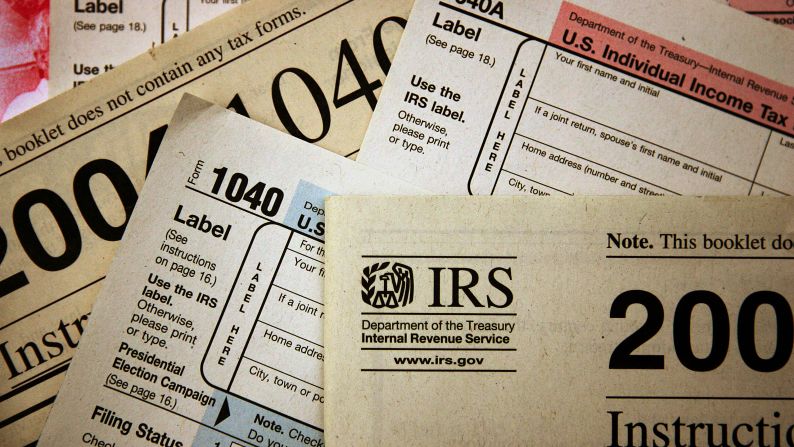
The Internal Revenue Service collects tax revenue and process tax returns. The IRS helps citizens understand the tax code and enforce it against those who do not comply.
Scott Olson/Getty Images
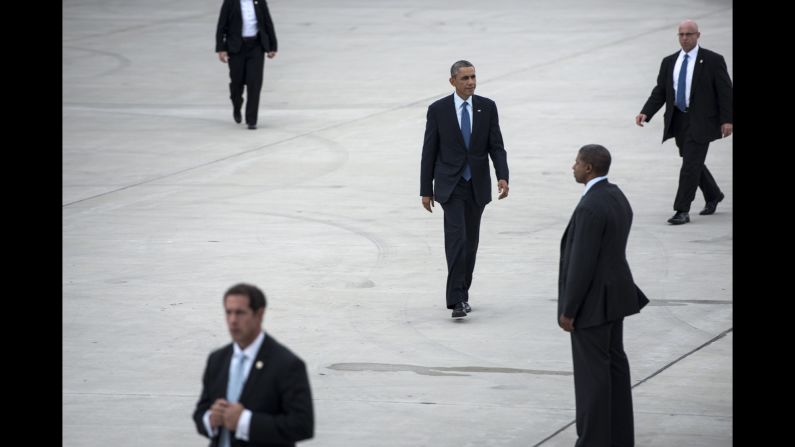
The Secret Service is charged with protecting the President, other national leaders and visiting foreign leaders. Founded in 1865, its original sole mission was to stop the counterfeiting of U.S. currency.
Brendan Smialowski/AFP/Getty Images
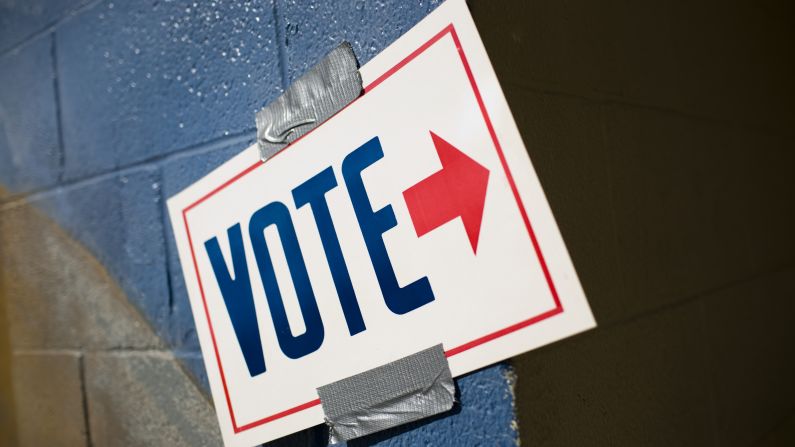
Federal Elections Commission enforces the laws about financing elections. The FEC discloses campaign finance records and supervises public funding for presidential campaigns.
Max Whittaker/Getty Images
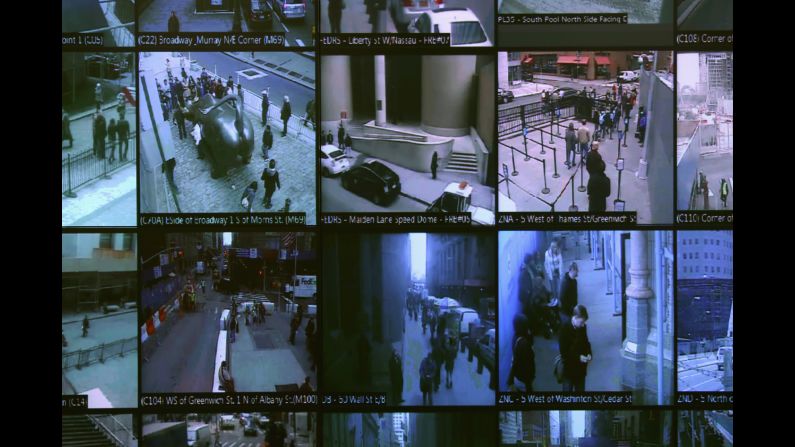
The National Security Administration protects proprietary information from reaching the wrong hands. The NSA also collects foreign intelligence information to support military efforts.
John Moore/Getty Images
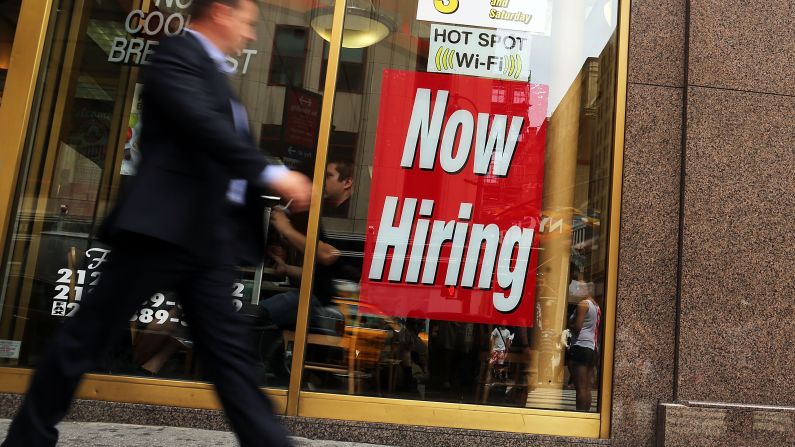
The Department of Labor seeks to improve working conditions and ensures that work-related benefits and rights are being properly distributed. The DOL enforces more than 180 federal laws.